

Baker's Cyst: Causes, Symptoms & Treatment
30 October, 2025
6 Shares
404 Reads
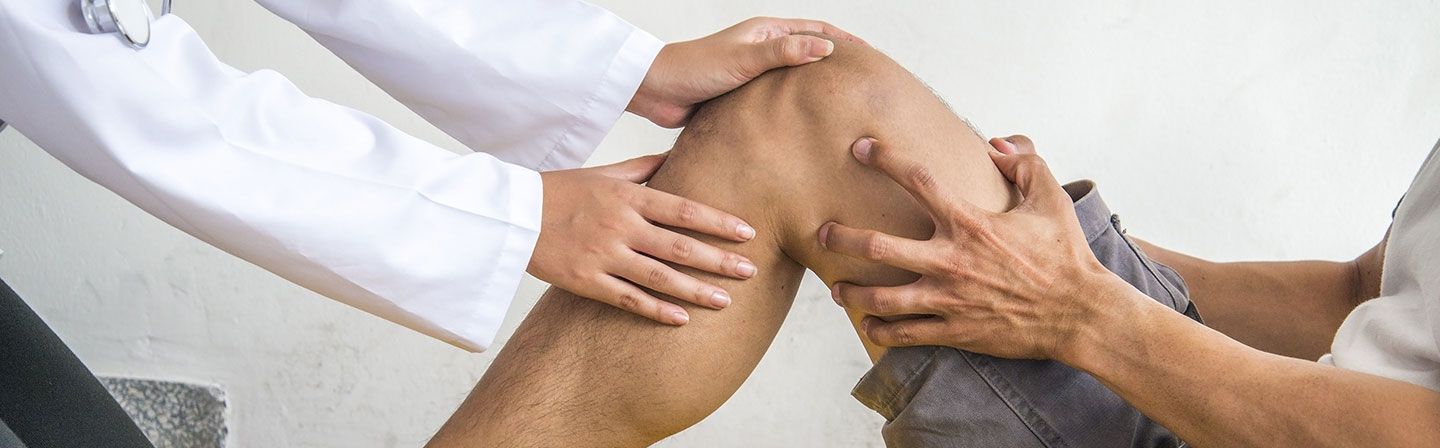
A Baker’s cyst is a fluid-filled swelling behind the knee caused by an underlying joint condition like arthritis or a meniscal tear. Many cysts resolve with rest and managing the root cause, but ruptured cysts cause severe calf pain and mimic a blood clot, requiring immediate medical assessment.
Quick Reads
- Primary Cause: Driven by joint inflammation, cartilage damage, or meniscal tears.
- Key Symptoms: Painless swelling behind the knee; severe calf pain and bruising if it bursts.
- Treatment Options: Rest, ice, elevation (RICE), ultrasound-guided drainage, and treating the root cause.
- Risk of Recurrence: High, unless the primary knee issue is treated.
When the knee joint becomes inflamed or damaged, it produces extra fluid to protect itself. If this fluid builds up under pressure, it can bulge into the space at the back of the leg, creating a popliteal or Baker's cyst. While the lump itself is often harmless, it acts as a warning sign that the knee joint needs attention. Recognising how these cysts behave, and how to address the primary issue behind them, is essential for finding long-term relief and avoiding sudden complications.
A Baker’s cyst, also known as a popliteal cyst, is a fluid‑filled sac that forms behind the knee. It arises when excess synovial (joint‑lubricating) fluid is forced into the back of the knee joint capsule, resulting in a bulge or swelling in the popliteal fossa (the crease behind the knee).
In many cases, the cyst is benign and causes little or no trouble. However, it may become painful or restrict movement when it grows large, when underlying knee problems exist, or if the cyst ruptures. Understanding what is a Baker’s cyst gives you a better chance of recognising, managing and treating it appropriately.
Baker's Cyst Symptoms: Signs of a Cyst Behind the Knee
Understanding the typical Baker’s cyst symptoms helps you recognise when to consult a healthcare provider. Common symptoms include:
- A bulge or swelling behind the knee, often palpable as a fluid‑filled lump.
- A sense of tightness, fullness or pressure behind the knee; many describe it as a feeling the knee is “full”.
- Knee pain or stiffness, especially when fully bending or straightening the knee.
- Reduced range of motion and difficulty moving the knee fully.
- If the cyst ruptures, it can trigger sudden calf pain, swelling, and bruising down the leg. Since this mimics a dangerous blood clot (DVT), it requires urgent evaluation.
Because many Baker’s cysts are asymptomatic, you may not even know you have one until it’s discovered during an examination for another knee issue.
What Causes a Baker's Cyst (Popliteal Cyst)?
To address a Baker’s cyst effectively, it helps to know the key Baker’s cyst causes. Although the cyst itself is simply a collection of fluid, the underlying triggers are what need attention.
- Excess synovial fluid production: When the knee joint becomes inflamed or injured, it can produce too much synovial fluid, which may then escape into the space behind the knee and form a cyst.
- Knee arthritis: Both osteoarthritis and rheumatoid arthritis are common culprits; they cause joint inflammation and fluid build‑up.
- Meniscal or cartilage injury: A tear in the meniscus (the cartilage pad inside the knee), ligament damage or other trauma can initiate fluid accumulation.
- Overuse or repetitive strain: Frequent heavy loading of the knee joint (sports, work) may increase risk.
- Other joint conditions: Gout, haemarthrosis (bleeding into the joint), synovitis and other inflammatory knee conditions may also lead to cyst formation.
In short, a Baker’s cyst is rarely an isolated condition, it is usually a symptom of a deeper knee problem.
How Is a Baker's Cyst Diagnosed?
Diagnosing a Baker’s cyst typically involves:
- Physical examination: A doctor will check behind the knee for a lump, assess range of motion, and compare both knees.
- Imaging tests: To confirm the diagnosis and rule out serious conditions (such as deep vein thrombosis or tumour) they may order an ultrasound, MRI or X‑ray.
- Evaluating the root cause: Since Baker's cysts usually stem from arthritis or a knee injury, your doctor will check the joint for meniscal tears, cartilage damage, or underlying inflammatory disease.
Timely and accurate diagnosis is important because symptoms of a Baker’s cyst can overlap with more serious conditions like blood clots.
Baker’s Cyst Treatment
When it comes to Baker’s cyst treatment, the approach depends on how troublesome the cyst is and what the underlying cause might be. Often, mild cysts that don’t cause symptoms may need little more than monitoring.
Conservative Measures
- Rest and elevate the leg, and avoid activities that strain the knee, especially deep bending, squatting, or standing for long periods.
- Ice packs or cold compresses to reduce swelling and discomfort.
- Non‑steroidal anti‑inflammatory drugs (NSAIDs) such as ibuprofen or acetaminophen for pain relief and inflammation.
- Physical therapy: Strengthening exercises for the muscles around the knee (particularly quadriceps and hamstrings), improving joint stability, and stretching to relieve pressure behind the knee.
- If symptoms persist, or the cyst is large and affecting mobility:
- Needle aspiration: Using ultrasound guidance, a doctor can drain the fluid and often follow up with a corticosteroid shot to ease inflammation.
- Treating the root cause: Fixing a torn meniscus, performing arthroscopy for cartilage damage, or managing arthritis can reduce excess fluid production and prevent the cyst from returning.
- Surgical removal: Rarely required, but may be considered if all other treatments fail and the cyst continues to cause significant pain or restrict function.
What about recurrence?
Even after surgery or fluid drainage, a Baker’s cyst can return if the primary knee issue remains. Lasting relief requires treating the underlying joint condition.
Prevention Tips
While you may not always prevent a Baker’s cyst, you can reduce your risk by:
- Managing knee joint conditions (e.g., controlling arthritis, avoiding injuries)
- Maintaining a healthy weight to reduce joint strain
- Strengthening quadriceps and hamstrings to support the knee
- Avoiding prolonged deep knee bends or heavy impact activities if you already have knee issues
- Keeping knees warm and supported during physical activity
Conclusion
A Baker’s cyst is a relatively common condition characterised by a fluid‑filled lump behind the knee. While many remain symptom‑free, the cyst can become uncomfortable and stiff, particularly in people with underlying knee problems. Recognising the Baker’s cyst symptoms, understanding the Baker’s cyst causes, and seeking timely Baker’s cyst treatment are the keys to managing it effectively.
If you’re dealing with recurrent cysts, significant knee pain, or mobility limitations, it’s never just about the cyst itself – it’s about the knee joint as a whole. Ensuring you have access to quality healthcare and continuity of care is crucial, especially if you live abroad or travel frequently. Plans like Niva Bupa Health Insurance for NRIs can give you peace of mind by covering consultations, diagnostics, physiotherapy and procedures when needed. With the right care and support, you can get your knee back into action and reduce the likelihood of future cysts.
FAQs
1. Does a Baker’s cyst always need treatment?
No. Baker’s cysts are frequently symptom-free and require no treatment. Managing the primary knee condition and keeping an eye on the cyst is usually sufficient.
2. Can a Baker’s cyst burst? And is that serious?
Yes, it can burst. If the cyst ruptures, fluid leaks into the calf, leading to sudden pain, swelling, and bruising. While usually not dangerous, these symptoms resemble a blood clot and should be evaluated by a doctor.
3. Will the cyst come back after draining?
Possible return: The cyst may return if the underlying knee issue (such as a torn meniscus or arthritis) goes unaddressed.
4. Can I still walk and remain active with a Baker’s cyst?
Yes. Many people remain active with mild symptoms. If pain or swelling begins to limit you, targeted adjustments and physical therapy can bring relief.
Get right coverage, right premium and the right protection instantly.
 By clicking, I agree to Niva Bupa
 You may also like


Popular Searches
Health Insurance - Health Insurance | Best Family Health Insurance | Best Health Insurance For Senior Citizens In India | Health Insurance With Opd Cover | Mediclaim Insurance | Critical Illness Insurance | Personal Accident Insurance | Mediclaim Policy | Individual Health Insurance | Maternity Insurance | Best Health Insurance company | NRI Health Insurance
Health Insurance Schemes - PMMVY Login | PMJJBY Policy Status | Swasthya Sathi Card | PMSBY | PMJJBY | Ayushman Card | PMMVY 2.0 | Ayushman Vay Vandana Card | PMMVY NIC IN रजिस्ट्रेशन | PMMVY 2.0 लॉगिन
Travel Insurance Plans - Travel Insurance | International Travel Insurance | Student Travel Insurance | Travel Insurance USA | Travel Insurance Canada | Travel Insurance Thailand | Travel Insurance Germany | Travel Insurance Dubai | Travel Insurance Bali | Travel Insurance Australia | Travel Insurance Schengen | Travel Insurance Singapore | Travel Insurance UK | Travel Insurance Vietnam | Travel Insurance Japan | Travel Insurance Spain | Travel Insurance Asia | Travel Insurance Netherlands | Travel Insurance Turkey | Travel Insurance Ireland | Travel Insurance Phillipines | Travel Insurace Italy | Travel Insurance France | Travel Insurance China | Travel Insurance Georgia | Travel Insurance South Africa | Travel Insurance Maldives | Travel Insurance Portugal | Travel Insurance Malaysia | Travel Insurance Qatar | Travel Insurance Poland | Travel Insurance Greece | Travel Insurance New zealand | Travel Insurance Saudi Arabia | Travel Insurance Sri Lanka
Become an Agent - Insurance Agent | IRDA Certificate Download | IRDA Exam Syllabus | IRDA exam fee | Paise Kaise Kamaye | Ghar Baithe Paise Kaise Kamaye
Top Hospitals - Best Hospitals in Gurgaon
Others - Ayushman Bharat | Gst Refund for NRI on Health Insurance Premium
Health & Wellness - शिलाजीत के फायदे हिंदी | Weight Gain Diet in Hindi | Sat Isabgol Uses In Hindi | Aloe Vera Juice Benefits in Hindi | Dragon Fruit Benefits in Hindi | Akal Daad in Hindi | Acidity Home Remedies in Hindi | Nikat Drishti Dosh in Hindi | Yoga Benefits in Hindi | Laung Khane ke Fayde in Hindi | Leukoplakia in Hindi | Protien in 100g Paneer | Benefits of Rice Water For Skin | B12 Deficiency Symptoms in Hindi | Fibre Foods in Hindi | Chronic Disease Meaning in Hindi | Vitamin D Foods in Hindi | Blood Urea in Hindi | Beetroot Uses Good for Health
Calculator - BMI Calculator | Pregnancy Calculator | Pregnancy Calendar Based on Conception Date | Pregnancy Conception Date Calculator | Last Menstrual Period Calculator | BMR Calculator | GFR Calculator | Ovulation Calculator



www.nivabupa.com

+91 11 30902010

1860-500-8888

CIN: L66000DL2008PLC182918
IRDAI Registration No. 145

Corporate Office: 3rd Floor, Capital Cyberscape, Sector 59, Gurgaon
Registered Office: C-98, First Floor, Lajpat Nagar, Part 1, Delhi-110024, India


