

Cervical Myelopathy: Symptoms, Causes & Treatment
5 February, 2026
21 Shares
262 Reads
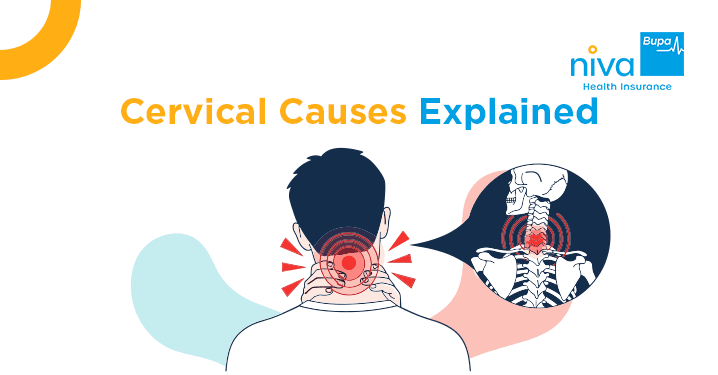
Whenever the spinal cord ends up being squeezed or pinched inside the neck's cervical area, it can trigger a worsening neurological issue known as cervical myelopathy. The cervical spine itself is composed of seven bones (vertebrae) that do the heavy lifting of supporting your head, enabling movement, and acting as a shield for the upper spinal cord. If the spinal canal begins to tighten, whether that is from the natural wear and tear of life or specific structural shifts, it exerts direct force on the cord. This specific type of pressure messes with the essential nerve signals moving back and forth between the brain and the rest of the body.
To be clear, we aren't just talking about a standard, everyday neck ache here. This is a direct hit to the central nervous system, meaning the fallout is often felt throughout the entire body. Because your spinal cord is the primary command centre for how you move, stay balanced, and feel sensations, a bottleneck in the neck creates a massive ripple effect. You might start to feel your legs giving out, have trouble walking straight, or even lose the ability to control your bladder. If a medical professional doesn't step in to relieve that squeeze, the damage can actually become permanent. This makes quick diagnosis and quick treatment absolutely vital.
Understanding Cervical Myelopathy
To put it in the simplest terms possible, cervical myelopathy is a condition where the spinal cord is being crushed because the canal in the neck has simply run out of room. This canal is a hollow tunnel running through your vertebrae that serves as a home for the spinal cord. Once this area starts to contract or shrink, the cord gets pinched. This physical restriction is what eventually causes the nerves to stop firing the way they should.
Think of the spinal cord as the body’s most important data highway. It carries motor commands from the brain to your muscles and sends sensory feedback from your limbs back up to the brain. It also manages your reflexes and plays a role in how your bladder functions. Compression at this high cervical level is a big deal because it doesn't just stay in the neck; it impacts the arms, the trunk, and the legs. This explains why even a minor tightening in the neck can cause such widespread physical dysfunction.
Why The Cervical Spine Is Especially Vulnerable
The human neck is a masterpiece of flexibility, giving us the ability to tilt and rotate our heads with ease. However, that constant movement means the cervical spine is under a lot of mechanical pressure every single day. As the years go by, this repetitive stress causes the discs, joints, and ligaments in the neck to gradually break down.
As these structures start to fail, the spinal canal often narrows. Some people are actually born with a tighter canal than others, which leaves them with very little wiggle room if an injury occurs. For others, bone spurs, inflammation, or unexpected injuries end up reducing that space even further. When the spinal cord is shoved into such a cramped space, the nerve fibres can get bruised and the blood supply can be choked off, which is exactly what triggers the neurological symptoms of this condition.
Clinical Signs And Symptoms
The symptoms of cervical myelopathy can be incredibly different from one person to the next. Some people notice a very slow, dragging decline over several years, while others might feel their physical abilities dropping off quite suddenly. It really depends on the severity of the squeeze, how long it’s been happening, and the patient's general health.
In many cases, the very first signs are so minor that they are brushed off as just a sign of getting older. However, these subtle changes are actually the first warnings that the spinal cord is struggling. Ignoring them is risky, as early detection is the best tool we have to stop permanent injury.
1) Early Neurological Indicators
In the beginning, the pressure usually affects the most sensitive nerve signals first. This results in symptoms that might seem small but are actually major clues that something is wrong. Catching these early gives you the best chance of avoiding long-term damage.
- Numbness or a pins and needles feeling in the hands
- Feeling a bit of weakness in the arms or legs
- Having trouble with fiddly tasks like writing or doing up buttons
- Feeling a little bit off-balance when you walk
These changes are easy to miss because they tend to creep up on you. But if the source of the pressure isn't fixed, they will almost certainly get worse.
2) Progressive And Severe Manifestations
As the pressure on the cord increases, the symptoms become much more evident and start to get in the way of your life. These are usually signs that the cord is suffering a more serious injury.
- Real difficulty walking or staying balanced
- Frequent stumbles or actually falling down
- Muscles that feel very stiff or suffer from spasms
- Losing control over the bladder or bowels (this is an emergency)
- A sharp, electric feeling in the back when you tuck your chin
These symptoms mean the cord is in trouble and you need to see a doctor immediately.
Causes And Predisposing Factors
While the natural wear and tear of getting older is the main cause of cervical myelopathy, there are other reasons it happens too. It isn't always a slow process; certain health issues can force the canal to narrow quite fast. Figuring out the why is the first step a doctor takes before deciding how to treat it.
1) Degenerative Changes Of The Cervical Spine
As we age, our spines go through natural changes. Discs lose their water and thin out, while ligaments can become thick and stiff. Usually, a few of these things happen at the same time, all taking up space that the spinal cord needs.
- Bulging discs that push into the canal
- Spinal ligaments, which get thicker over time
- Bone spurs (osteophytes), which are growing on the vertebrae
- Enlarged joints over time due to the problem of arthritis
These changes are common, but eventually, they can leave the cord with no room, leading to the symptoms we’ve discussed.
2) Other Medical And Structural Contributors
Age isn't the only culprit. Some people are at risk because of how they were born or because of accidents. Trauma or disease can damage the neck much faster than natural ageing does.
- Being born with a naturally narrow spinal canal
- Neck injuries from falls or accidents
- Tumours in the spine
- Infections or inflammatory diseases like arthritis
In these cases, the symptoms can appear quite suddenly, even in younger people.
Diagnostic Process And Medical Evaluation
You need a precise diagnosis to handle this correctly. Because cervical myelopathy can look like other issues (like MS or carpal tunnel), doctors have to be very thorough. They use physical tests and scans to see exactly what is happening inside the neck.
Clinical Examination
A doctor will check your strength, reflexes and balance. They look for things like hyper-reflexes or an awkward walk, which are classic signs of cord pressure. They will also ask about any changes in your bathroom habits, as those are huge indicators of how serious the pinch is.
Imaging And Investigations
Scans are the only way to see the physical squeeze in high definition.
- MRI: The gold standard for seeing the cord and soft tissues.
- CT Scans: Best for looking at bone spurs and hard structures.
- X-rays: Used to check overall neck alignment.
- Nerve Studies: Sometimes used to rule out other problems.
The MRI is usually the most important test because it shows exactly where the cord is being pinched.
Treatment Strategies And Medical Management
The goal is simple: take the pressure off and stop the damage. Whether a doctor suggests therapy or surgery depends on how bad the symptoms are and how fast they are progressing.
1) Conservative Management
If the symptoms are mild and stable, non-surgical methods might be tried. These don't remove the physical pinch, but they help you manage the daily impact.
- Physiotherapy to strengthen the neck muscles
- Medications for pain and swelling
- Improving your posture and workstation setup
- Regular monitoring to ensure things aren't getting worse
Patients on this path must be very careful. If they notice a new weakness, it’s usually time for a more active treatment.
2) Surgical Intervention
Surgery is for moderate to severe cases. The goal is to decompress the cord, making the tunnel wider and sometimes stabilising the spine so it doesn't shift.
- Removing a herniated disc
- Shaving away bone spurs
- Opening up the canal (Laminectomy or Laminoplasty)
- Fusing vertebrae together for stability
Early surgery is usually best. Once the cord is scarred, surgery might only stop further decline rather than fixing the damage that’s already there.
Rehabilitation And Long-Term Outlook
Recovery is a journey, and it's different for everyone. It depends mostly on how much bruising the cord had before the pressure was removed. Rehab is a huge part of this; physiotherapy helps with balance, while occupational therapy helps with hand tasks. Regular follow-ups are a must.
Financial Planning And Health Insurance
Treating cervical myelopathy is expensive. Between MRI scans, top surgeons, and months of rehab, the costs add up fast. This is a major concern for Non-Resident Indians (NRIs) who want the best care possible.
Niva Bupa NRI health insurance is built for these situations. It covers hospital stays, surgery, and the follow-up care that is so important for recovery. Having this coverage means you can focus 100% on getting better without worrying about the bill.
Frequently Asked Questions
1) What is cervical myelopathy?
A condition where the spinal cord in the neck is squeezed, blocking nerve signals and causing balance or strength issues.
2) Can this condition become permanent?
Yes. Long-term pressure can kill nerve cells. Early diagnosis is the only way to prevent permanent disability.
3) Is surgery always required?
Not always. Mild cases might use therapy, but if the condition is getting worse, surgery is usually the safest path.
4) Who is most at risk?
Older adults and those with naturally narrow canals or past neck injuries are affected by this disease more.
5) How is it diagnosed?
It is diagnosed via a physical neurological exam and an MRI scan.
6) Can it affect walking and balance?
Yes. Pressure in the neck often shows up as unsteadiness or a heavy feeling in the legs.
7) Does early treatment improve recovery?
Absolutely. Treating cervical myelopathy before the cord is permanently scarred offers the best chance of a full recovery.
Get right coverage, right premium and the right protection instantly.
 By clicking, I agree to Niva Bupa
 You may also like



Popular Searches
Health Insurance - Health Insurance | Best Family Health Insurance | Best Health Insurance For Senior Citizens In India | Health Insurance With Opd Cover | Mediclaim Insurance | Critical Illness Insurance | Personal Accident Insurance | Mediclaim Policy | Individual Health Insurance | Maternity Insurance | Best Health Insurance company | NRI Health Insurance
Health Insurance Schemes - PMMVY Login | PMJJBY Policy Status | Swasthya Sathi Card | PMSBY | PMJJBY | Ayushman Card | PMMVY 2.0 | Ayushman Vay Vandana Card | PMMVY NIC IN रजिस्ट्रेशन | PMMVY 2.0 लॉगिन
Travel Insurance Plans - Travel Insurance | International Travel Insurance | Student Travel Insurance | Travel Insurance USA | Travel Insurance Canada | Travel Insurance Thailand | Travel Insurance Germany | Travel Insurance Dubai | Travel Insurance Bali | Travel Insurance Australia | Travel Insurance Schengen | Travel Insurance Singapore | Travel Insurance UK | Travel Insurance Vietnam | Travel Insurance Japan | Travel Insurance Spain | Travel Insurance Asia | Travel Insurance Netherlands | Travel Insurance Turkey | Travel Insurance Ireland | Travel Insurance Phillipines | Travel Insurace Italy | Travel Insurance France | Travel Insurance China | Travel Insurance Georgia | Travel Insurance South Africa | Travel Insurance Maldives | Travel Insurance Portugal | Travel Insurance Malaysia | Travel Insurance Qatar | Travel Insurance Poland | Travel Insurance Greece | Travel Insurance New zealand | Travel Insurance Saudi Arabia | Travel Insurance Sri Lanka
Become an Agent - Insurance Agent | IRDA Certificate Download | IRDA Exam Syllabus | IRDA exam fee | Paise Kaise Kamaye | Ghar Baithe Paise Kaise Kamaye
Top Hospitals - Best Hospitals in Gurgaon
Others - Ayushman Bharat | Gst Refund for NRI on Health Insurance Premium
Health & Wellness - शिलाजीत के फायदे हिंदी | Weight Gain Diet in Hindi | Sat Isabgol Uses In Hindi | Aloe Vera Juice Benefits in Hindi | Dragon Fruit Benefits in Hindi | Akal Daad in Hindi | Acidity Home Remedies in Hindi | Nikat Drishti Dosh in Hindi | Yoga Benefits in Hindi | Laung Khane ke Fayde in Hindi | Leukoplakia in Hindi | Protien in 100g Paneer | Benefits of Rice Water For Skin | B12 Deficiency Symptoms in Hindi | Fibre Foods in Hindi | Chronic Disease Meaning in Hindi | Vitamin D Foods in Hindi | Blood Urea in Hindi | Beetroot Uses Good for Health
Calculator - BMI Calculator | Pregnancy Calculator | Pregnancy Calendar Based on Conception Date | Pregnancy Conception Date Calculator | Last Menstrual Period Calculator | BMR Calculator | GFR Calculator | Ovulation Calculator



www.nivabupa.com

+91 11 30902010

1860-500-8888

CIN: L66000DL2008PLC182918
IRDAI Registration No. 145

Corporate Office: 3rd Floor, Capital Cyberscape, Sector 59, Gurgaon
Registered Office: C-98, First Floor, Lajpat Nagar, Part 1, Delhi-110024, India


