

Gum Disease Treatment for Healthier Gums
18 December, 2025
8 Shares
236 Reads
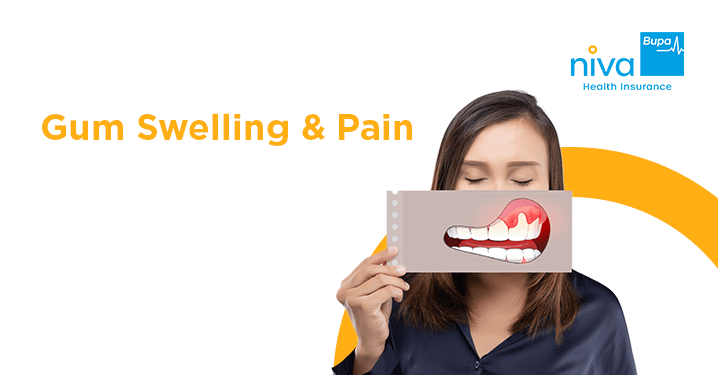
Gum health is often taken for granted until early signs of discomfort begin to show. Bleeding upon brushing, persistent bad breath, or swelling around the gums may seem minor at first, yet these are usually the earliest signs of gum disease. Dealt with at the right time, gum disease can be kept under control with simple habits, professional treatments, and long-term care. That being said, this blog looks into the available options for gum disease treatment today, helping readers understand what actually works and how healthier gums can be maintained for the long run.
Many people think that gum disease affects only older adults, but the truth is it can affect a person of any age. Poor oral hygiene, smoking, stress, medical conditions, and even genetics may all play a part. The good news is that early gum disease is often reversible. Even in its more advanced stages, there are several treatments that help to control infection, reduce discomfort, and prevent further damage.
Understanding how gum disease progresses can be helpful before diving into treatment options. It generally starts with gingivitis, or inflammation due to mild plaque buildup. If it is ignored, it can reach a deeper stage; this condition is known as periodontitis and is an infection that involves the tissues and bone that support the teeth. Professional gum disease treatment is usually necessary at this stage.
Early Warning Signs That Should Not Be Overlooked.
Recognising gum disease early makes treatment far easier and recovery much quicker. Some common signs include:
- Gums that bleed easily when brushing or flossing
- Swelling or redness around the gumline
- Bad breath that persists and does not improve
- Gums that are tender to the touch
- Mild tooth sensitivity
- Slight changes in the way the teeth fit together
Due to their painless nature, most people overlook these symptoms since they appear so early. This keeps the gums healthier with minimal effort and prevents complications if advice is sought at the right stage regarding these signs.
Everyday Habits That Support Treatment for Gum Disease
Good oral care routines form the basis for healthier gums. These easy steps, if consistently followed, will form the basis of any effective gum disease treatment plan.
Brushing Thoroughly and Gently
Brushing twice a day can help prevent plaque from building up, but the technique is just as important as the frequency. Aggressive brushing inflames gums, while gentle, circular motions clean without causing injury.
Flossing to Reach Hidden Areas
Flossing removes food and plaque lodged between the teeth, an area your toothbrush cannot reach. It can keep bacteria from settling into deeper pockets and causing gum irritation.
Mouthwash for Added Protection
An antibacterial mouthwash will help reduce the count of injurious bacteria in the mouth. It also freshens breath, helpful for those who develop bad breath simply because of gum inflammation.
Regular Dental Check-Ups
Routine visits allow dentists to identify gum problems at the earliest stage. Most dentists recommend a check-up every six months, though some people may be advised to visit more frequently.
These simple habits commonly reverse mild gingivitis. Professional treatment for gum disease becomes necessary once the condition progresses further.
Professional Gum Disease Treatment Options
There are many different effective treatments for periodontal disease in modern dentistry. It really depends on the extent of the disease and how much the gums and supporting structures have been affected.
Professional Cleaning
For early-stage gum disease, treatment may involve a deep cleaning by a dental professional. This process removes plaque and tartar that normal brushing cannot remove. Anyone who experiences repeated occurrences of this may be recommended for cleanings more frequently.
Scaling and Root Planing
It is one of the most common dental procedures for treating periodontal disease. Cleaning below the gumline involves the removal of tartar deposits and smoothing the root surfaces. This prevents bacteria from gathering in pockets and allows the gums to heal and reattach to the teeth.
Antibiotic Therapy
Sometimes, antibiotics may be prescribed to control bacterial infection. These can be given as tablets, mouth rinses, or in gel form, placed directly into gum pockets. Antibiotics are usually used along with scaling and root planing rather than as a standalone treatment.
Laser Treatment
Laser therapy to remove infected tissue and bacteria is sometimes offered at clinics. Such laser treatments reduce bleeding and discomfort and, for some patients, the healing is speedier. It is usually used for mild and moderate forms.
Periodontal Surgery
The surgical mode of treatment is usually required for advanced periodontitis. This may include lifting the gums to remove deeper tartar, reshaping bone structures or grafting tissue to rebuild areas damaged by infection. Such treatments are helpful in stabilising the teeth and preventing further deterioration.
Regenerative Procedures
When bone loss has occurred as a result of gum disease, regenerative techniques, bone grafts, or membrane-based therapy may be recommended. These treatments stimulate natural regeneration and help improve long-term stability.
Each of these options has the same basic goal: to stop infection, repair injured gum support and maintain natural teeth for as long as possible.
When Gum Disease Affects Daily Life
Untreated gum disease may cause discomfort and a lack of confidence in everyday life. Some foods may be uncomfortable to chew, and bad breath may persist, affecting social interactions. The receding gums and loosening teeth may also make one feel worried. That is why the treatment of gum disease should be viewed not only as a medical but also an important everyday welfare issue.
People who address gum disease early often experience:
- Better breath freshness
- Improved comfort of the gums
- Reduced sensitivity
- Confidence in their smile
- Reduced risk of tooth loss
These improvements create a positive cycle of encouragement for people to continue with good oral care and regular dental check-ups.
Lifestyle Choices That Will Support Long-term Gum Health
Along with treating periodontal diseases, certain lifestyle modifications will help build up the gums and prevent the recurrence of problems.
Healthy Eating
A diet with less sugar and high in vitamins promotes good health in the gums. Vitamin C and calcium-rich foods support the good strength and healing of tissues.
Quit Smoking
Smoking impairs the immune system and reduces efficiency in fighting back against gum infections. Stopping smoking dramatically enhances the success of treatment.
Stress Management
Stress weakens the overall healing process of the body. Simple practices like adequate sleep, relaxation exercises, and coping with stress help balance the work routines that will help in balancing the recovery of gums.
Keeping Hydrated
The water helps in washing away food particles and also in keeping the mouth moist to reduce bacterial growth.
These habits help maintain the results of gum disease treatment and also reduce the possibility of a reinfection.
Caring for Your Gums: A Lifetime Commitment
Gum health is one aspect of oral health that is not repaired once and forgotten. Even after professional gum disease treatment, maintenance is needed on a regular basis. Individuals who can maintain a consistent regimen generally have much better results with fewer complications later in life.
A lifetime approach to gum care may include:
- Bi-annual dental visits
- Deep cleaning sessions when recommended
- Flossing daily
- Use a soft-bristle toothbrush
- Using toothpaste made for gum protection
When these are practised, the gums remain healthier, inflammation stays under control, and the whole oral environment is stabilised.
Conclusion: A Step Toward Healthy Gums and Better Well-being
Healthier gums mean better overall well-being, more confidence, and improved comfort in daily life. With the various alternatives for gum diseases available today, one can select the right approach depending on their gum condition and advice from a professional. Early care, everyday habits, and routine check-ups play a vital role in keeping gum disease under control. Health insurance becomes a part of meaningful, long-term planning for those who look ahead and prefer the reassurance it provides during medical or dental needs.
Therefore, most NRIs and families in India go for comprehensive plans since they guarantee a sense of security during times of ill health. We at Niva Bupa are one of the popular providers explored in finding reliable cover. A good NRI health insurance plan would thus offer peace of mind on an ongoing basis, just like the care of gums requires steady attention, to help an individual focus on health without any worry.
FAQ’s
1. What is the earliest sign of gum disease?
The earliest sign is usually bleeding while brushing or flossing. Some people also notice redness, swelling or mild bad breath. These symptoms often appear before any pain, so early attention helps prevent the condition from worsening.
2. Can gum disease be reversed?
Mild gum disease, known as gingivitis, can often be reversed with good oral hygiene and professional cleaning. More advanced stages, such as periodontitis, cannot be reversed fully but can be managed well with gum disease treatment.
3. How often should a dental check-up be done for healthy gums?
Most people are advised to visit the dentist every six months. Those who have a history of gum issues or are undergoing treatment may need more frequent visits based on professional advice.
4. Are home remedies enough to treat gum disease?
Home care helps control early symptoms, but once gum disease progresses, professional gum disease treatment becomes important. Dentists use specialised tools and techniques that cannot be replicated at home.
5. Does gum disease always lead to tooth loss?
Not necessarily. With timely treatment and consistent care, gum disease can be controlled effectively. Many individuals maintain their natural teeth for life by following proper treatment and routine dental care.
Get right coverage, right premium and the right protection instantly.
 By clicking, I agree to Niva Bupa
 You may also like



Popular Searches
Health Insurance - Health Insurance | Best Family Health Insurance | Best Health Insurance For Senior Citizens In India | Health Insurance With Opd Cover | Mediclaim Insurance | Critical Illness Insurance | Personal Accident Insurance | Mediclaim Policy | Individual Health Insurance | Maternity Insurance | Best Health Insurance company | NRI Health Insurance
Health Insurance Schemes - PMMVY Login | PMJJBY Policy Status | Swasthya Sathi Card | PMSBY | PMJJBY | Ayushman Card | PMMVY 2.0 | Ayushman Vay Vandana Card | PMMVY NIC IN रजिस्ट्रेशन | PMMVY 2.0 लॉगिन
Travel Insurance Plans - Travel Insurance | International Travel Insurance | Student Travel Insurance | Travel Insurance USA | Travel Insurance Canada | Travel Insurance Thailand | Travel Insurance Germany | Travel Insurance Dubai | Travel Insurance Bali | Travel Insurance Australia | Travel Insurance Schengen | Travel Insurance Singapore | Travel Insurance UK | Travel Insurance Vietnam | Travel Insurance Japan | Travel Insurance Spain | Travel Insurance Asia | Travel Insurance Netherlands | Travel Insurance Turkey | Travel Insurance Ireland | Travel Insurance Phillipines | Travel Insurace Italy | Travel Insurance France | Travel Insurance China | Travel Insurance Georgia | Travel Insurance South Africa | Travel Insurance Maldives | Travel Insurance Portugal | Travel Insurance Malaysia | Travel Insurance Qatar | Travel Insurance Poland | Travel Insurance Greece | Travel Insurance New zealand | Travel Insurance Saudi Arabia | Travel Insurance Sri Lanka
Become an Agent - Insurance Agent | IRDA Certificate Download | IRDA Exam Syllabus | IRDA exam fee | Paise Kaise Kamaye | Ghar Baithe Paise Kaise Kamaye
Top Hospitals - Best Hospitals in Gurgaon
Others - Ayushman Bharat | Gst Refund for NRI on Health Insurance Premium
Health & Wellness - शिलाजीत के फायदे हिंदी | Weight Gain Diet in Hindi | Sat Isabgol Uses In Hindi | Aloe Vera Juice Benefits in Hindi | Dragon Fruit Benefits in Hindi | Akal Daad in Hindi | Acidity Home Remedies in Hindi | Nikat Drishti Dosh in Hindi | Yoga Benefits in Hindi | Laung Khane ke Fayde in Hindi | Leukoplakia in Hindi | Protien in 100g Paneer | Benefits of Rice Water For Skin | B12 Deficiency Symptoms in Hindi | Fibre Foods in Hindi | Chronic Disease Meaning in Hindi | Vitamin D Foods in Hindi | Blood Urea in Hindi | Beetroot Uses Good for Health
Calculator - BMI Calculator | Pregnancy Calculator | Pregnancy Calendar Based on Conception Date | Pregnancy Conception Date Calculator | Last Menstrual Period Calculator | BMR Calculator | GFR Calculator | Ovulation Calculator



www.nivabupa.com

+91 11 30902010

1860-500-8888

CIN: L66000DL2008PLC182918
IRDAI Registration No. 145

Corporate Office: 3rd Floor, Capital Cyberscape, Sector 59, Gurgaon
Registered Office: C-98, First Floor, Lajpat Nagar, Part 1, Delhi-110024, India


