

Heel Pain: 10 Causes & How to Finally Fix It
31 December, 2025
7 Shares
360 Reads
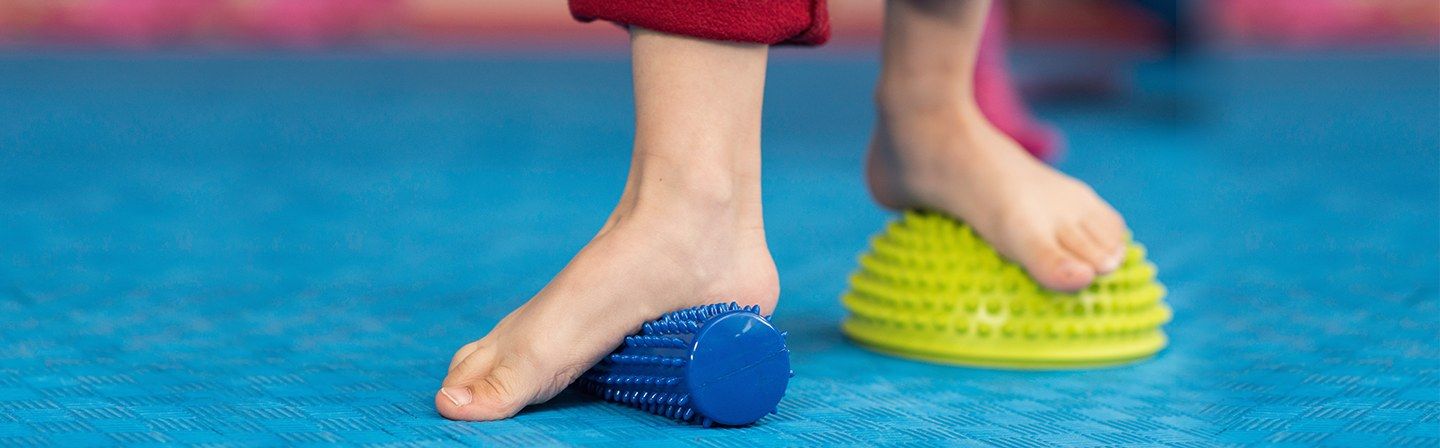
You wake up, step out of bed, and feel a sharp stab in your heel. It hurts to walk. You might hope it goes away after a few minutes, but it often comes back after you sit for a while. Heel pain is a common problem that affects people of all ages. It can stop you from running, working, or just enjoying a walk.
The good news is that you can fix it. Most heel pain comes from simple causes that heal with the right care. You rarely need surgery. This guide explains why your heel hurts and how to stop the pain for good.
Understanding Your Heel
Your heel bone is the largest in your foot. It takes on a lot of pressure every time you step. A strong band of tissue connects your heel bone to your toes. This tissue is the plantar fascia/ Plantar Fasciitis. A large tendon connects your calf muscle to your heel bone. This is the Achilles tendon.
Problems with these parts usually cause the pain you feel. When they get irritated or damaged, your body reacts with inflammation and pain. Knowing exactly where it hurts helps you find the cause.
10 Common Causes of Heel Pain
The location and type of pain tell a story. Here are ten reasons why your heel might hurt.
1. Plantar Fasciitis
This is the most common cause of heel pain. The thick band of tissue on the bottom of your foot gets inflamed. You usually feel a sharp pain near the heel when you take your first steps in the morning. The pain might fade as you walk, but it returns after you rest. It often happens to runners or people who wear shoes with poor support.
2. Achilles Tendinitis
The tendon at the back of your leg connects to your heel. Overuse can make it inflamed. You will feel pain in the back of your heel instead of the bottom. It is common in runners who increase their distance too quickly. The skin might feel warm or look swollen.
3. Heel Spurs
A heel spur is a bony growth on the bottom of the heel bone. It forms over many months. Calcium deposits build up when the plantar fascia pulls on the heel bone for a long time. Many people have them without pain. They only hurt if inflammation develops around the soft tissue.
4. Sever's Disease
This is a common cause of heel pain in children. It happens during growth spurts between ages 8 and 14. The heel bone grows faster than the leg muscles and tendons. This tightness pulls on the growth plate in the heel. Active kids who play sports often get this.
5. Bursitis
You have small fluid-filled sacs called bursae near your joints. They cushion your bones and muscles. The bursa at the back of your heel can get inflamed. This happens from spending too much time on your feet or wearing shoes that rub against your heel. The back of the heel might look red and swollen.
6. Stress Fractures
A stress fracture is a small crack in the bone. It happens from repetitive heavy impact. Runners often get this if they train on hard surfaces. The pain feels deep in the heel and gets worse with activity. It does not go away quickly with rest.
7. Haglund's Deformity
This is a bony bump on the back of the heel bone. It rubs against the Achilles tendon and causes pain. High heels or stiff shoes often cause this irritation. It is sometimes called "pump bump" because of the shoes that cause it. The back of the heel becomes tender and swollen.
8. Tarsal Tunnel Syndrome
A large nerve runs through a narrow tunnel on the inside of your ankle. Swelling or injury can squeeze this nerve. You might feel burning or tingling pain that shoots into your heel. It is similar to carpal tunnel syndrome in the wrist.
9. Arthritis
Types of arthritis can affect the heel joint. Rheumatoid arthritis or osteoarthritis causes inflammation. You might feel a dull ache that gets worse as the day goes on. It often affects both feet at the same time.
10. Fat Pad Atrophy
You have a pad of fat under your heel to cushion your steps. This pad can thin out as you age. Heavy impact can also wear it down. You feel like you are walking directly on the bone. The pain is usually a deep ache in the centre of the heel.
How to Finally Fix It
You do not have to live with pain. Most treatments are simple and effective. You can do many of them at home.
Rest and Ice
Your foot needs a break. Stop activities that cause pain, like running or jumping. Apply an ice pack to your heel for 15 minutes. Do this three times a day. You can also freeze a water bottle and roll your foot over it. This cools the area while also stretching the tissue.
Stretching Exercises
Tight muscles make heel pain worse. Stretch your calves daily. Stand facing a wall and put your hands against it. Place one foot back and keep your heel on the ground. Lean forward until you feel a pull in your calf. Hold this for 30 seconds. Repeat it with the other leg. This loosens the tension on your heel.
Better Footwear
Your shoes matter. Wear shoes with good arch support and a cushioned sole. Avoid flat shoes or high heels. Old shoes lose their support and cushioning. Replace your running shoes every 300 to 500 miles. You can also buy heel cups or shoe inserts at a pharmacy for extra help.
Medical Treatments
Sometimes home remedies are not enough. A doctor might suggest stronger treatments. Physical therapy is very effective. Therapists teach you exercises to strengthen your foot muscles. They might use ultrasound or massage to reduce swelling. Cortisone injections can help with severe inflammation. Custom orthotics are shoe inserts made just for your feet. They correct the way you walk and reduce strain on your heel.
How Doctors Diagnose Heel Pain
A doctor can find the exact cause of your pain. They employ several methods to arrive at an accurate diagnosis.
Physical Examination
The first step is a physical exam. The doctor will ask about your medical history and daily activities. They will press on different parts of your foot and heel to find the exact spot that hurts. They will also check your foot's flexibility, strength, and range of motion.
Imaging Tests
If the cause isn't clear, your doctor might order an imaging test. These tests provide a detailed look inside your foot.
- X-rays are used to see bones. They can show stress fractures, heel spurs, or arthritis.
- MRI scans create detailed images of soft tissues. They are good for finding tears in the plantar fascia or Achilles tendon and can spot tiny stress fractures that X-rays miss.
- Ultrasound uses sound waves to check soft tissues. It can show inflammation in the bursa or plantar fascia.
When to See a Doctor
You should see a doctor if the pain lasts more than two weeks. Go immediately if you cannot walk or put weight on your foot. Severe swelling or redness is also a warning sign. A doctor might take an X-ray or MRI to check for fractures or tears. Early treatment prevents long-term damage.
Wrapping Up
Heel pain can quietly disrupt daily life, especially when ignored for too long. With the right diagnosis and timely care, most causes are treatable and do not lead to long-term problems. Having health cover in place matters here. Niva Bupa Health Insurance helps manage consultation, tests, and treatment costs in India, making care easier to access when you need it.
Many NRIs may not realise that issues like heel pain consultations, scans, physiotherapy, and related treatments are often included under Niva Bupa NRI Health Insurance plans. This means you can seek medical care during visits to India without worrying about high out-of-pocket expenses or delays in treatment.
FAQs
Can my diet affect my heel pain?
Yes. Inflammatory foods like sugar can worsen pain from conditions like plantar fasciitis. If you have gout, red meat and seafood can trigger sudden, severe heel pain. A balanced diet also helps control weight, reducing pressure on your feet.
Why did my heel pain come back?
It often returns if you go back to old habits. Resting stops the pain, but fixing the root cause keeps it away. You might need to permanently change your shoes, keep stretching daily, or ramp up activity more slowly to prevent a relapse.
Should I see a podiatrist or an orthopedist?
Both work well. A podiatrist focuses entirely on the foot and ankle, making them a great first choice for common heel pain. An orthopedist treats bones and joints all over the body, which is helpful if your foot pain is linked to knee or hip issues.
Why does my pain move around my heel?
Shifting pain often means you are changing how you walk to avoid the sore spot, stressing other parts of your foot. It could also mean you have more than one issue, like both arch tightness and tendon irritation, happening at once.
Are custom orthotics better than store-bought ones?
Not always. For mild pain, a quality store-bought insert often works perfectly fine. Custom orthotics are expensive and usually best for people with severe foot deformities or chronic pain that simple inserts haven't fixed.
Get right coverage, right premium and the right protection instantly.
 By clicking, I agree to Niva Bupa
 You may also like

Popular Searches
Health Insurance - Health Insurance | Best Family Health Insurance | Best Health Insurance For Senior Citizens In India | Health Insurance With Opd Cover | Mediclaim Insurance | Critical Illness Insurance | Personal Accident Insurance | Mediclaim Policy | Individual Health Insurance | Maternity Insurance | Best Health Insurance company | NRI Health Insurance
Health Insurance Schemes - PMMVY Login | PMJJBY Policy Status | Swasthya Sathi Card | PMSBY | PMJJBY | Ayushman Card | PMMVY 2.0 | Ayushman Vay Vandana Card | PMMVY NIC IN रजिस्ट्रेशन | PMMVY 2.0 लॉगिन
Travel Insurance Plans - Travel Insurance | International Travel Insurance | Student Travel Insurance | Travel Insurance USA | Travel Insurance Canada | Travel Insurance Thailand | Travel Insurance Germany | Travel Insurance Dubai | Travel Insurance Bali | Travel Insurance Australia | Travel Insurance Schengen | Travel Insurance Singapore | Travel Insurance UK | Travel Insurance Vietnam | Travel Insurance Japan | Travel Insurance Spain | Travel Insurance Asia | Travel Insurance Netherlands | Travel Insurance Turkey | Travel Insurance Ireland | Travel Insurance Phillipines | Travel Insurace Italy | Travel Insurance France | Travel Insurance China | Travel Insurance Georgia | Travel Insurance South Africa | Travel Insurance Maldives | Travel Insurance Portugal | Travel Insurance Malaysia | Travel Insurance Qatar | Travel Insurance Poland | Travel Insurance Greece | Travel Insurance New zealand | Travel Insurance Saudi Arabia | Travel Insurance Sri Lanka
Become an Agent - Insurance Agent | IRDA Certificate Download | IRDA Exam Syllabus | IRDA exam fee | Paise Kaise Kamaye | Ghar Baithe Paise Kaise Kamaye
Top Hospitals - Best Hospitals in Gurgaon
Others - Ayushman Bharat | Gst Refund for NRI on Health Insurance Premium
Health & Wellness - शिलाजीत के फायदे हिंदी | Weight Gain Diet in Hindi | Sat Isabgol Uses In Hindi | Aloe Vera Juice Benefits in Hindi | Dragon Fruit Benefits in Hindi | Akal Daad in Hindi | Acidity Home Remedies in Hindi | Nikat Drishti Dosh in Hindi | Yoga Benefits in Hindi | Laung Khane ke Fayde in Hindi | Leukoplakia in Hindi | Protien in 100g Paneer | Benefits of Rice Water For Skin | B12 Deficiency Symptoms in Hindi | Fibre Foods in Hindi | Chronic Disease Meaning in Hindi | Vitamin D Foods in Hindi | Blood Urea in Hindi | Beetroot Uses Good for Health
Calculator - BMI Calculator | Pregnancy Calculator | Pregnancy Calendar Based on Conception Date | Pregnancy Conception Date Calculator | Last Menstrual Period Calculator | BMR Calculator | GFR Calculator | Ovulation Calculator


www.nivabupa.com

+91 11 30902010

1860-500-8888

CIN: L66000DL2008PLC182918
IRDAI Registration No. 145

Corporate Office: 3rd Floor, Capital Cyberscape, Sector 59, Gurgaon
Registered Office: C-98, First Floor, Lajpat Nagar, Part 1, Delhi-110024, India


