

Muscular Dystrophy: Types, Symptoms, and Diagnosis
5 January, 2026
7 Shares
243 Reads
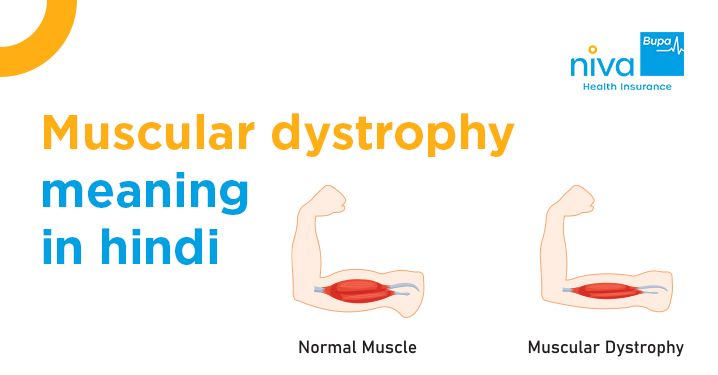
Muscular dystrophy refers to a group of genetic conditions that gradually cause the muscles to weaken. This happens because of changes in the genes that are responsible for the structure and function of a person's muscles. Over time, this weakness can affect a person's ability to walk, move, and even breathe or swallow.
The condition is not a single disease but rather a collection of over thirty different disorders. Each type varies in terms of which muscles it affects, the age at which symptoms first appear, and how quickly the condition progresses. While it is often associated with childhood, some forms do not become apparent until adulthood.
Living with such a condition requires a deep understanding of how it affects the body. For families and individuals, receiving a diagnosis is the first step toward managing the physical and emotional changes that follow. Education is a vital tool in navigating the complexities of this condition.
The Biological Basis of Muscular Dystrophy
To understand why the muscles weaken, it is necessary to look at the microscopic level of human tissue. Muscles are made of thousands of fibres. For these fibres to stay strong and function correctly, the body needs specific proteins. One of the most critical proteins is called dystrophin.
In most cases of muscular dystrophy, a genetic mutation prevents the body from producing enough of these proteins, or the proteins produced are of poor quality. Without the cushioning and strengthening effects of these proteins, muscle cells become fragile. They easily sustain damage during normal use, and over time, the body cannot repair them as fast as they break down.
The Role of Genetics and Inheritance
Most forms of this condition are inherited, meaning they are passed down from parents to children through genes. However, it is also possible for a spontaneous genetic mutation to occur. This means a child may develop the condition even if there is no previous family history.
Inheritance patterns can be complex. Some types are X-linked, meaning they primarily affect males because the gene is located on the X chromosome. Other types are autosomal, which means they can affect both males and females equally. Understanding the specific genetic driver is essential for doctors when they are identifying the specific type of the condition.
Major Types of Muscular Dystrophy
Because there are so many variations, medical professionals categorise the condition based on the age of onset and the specific muscle groups involved. Identifying the type is a major part of the diagnostic process.
Duchenne Muscular Dystrophy
Duchenne is perhaps the most well known form of the condition. It primarily affects young boys and typically becomes noticeable between the ages of three and five. The first signs often involve the legs and pelvic area, leading to frequent falls or difficulty climbing stairs.
As the condition progresses, the muscles in the arms and trunk also begin to weaken. Because Duchenne affects the heart and respiratory muscles in later stages, it is considered a very serious form of the disorder. Most children with Duchenne will eventually require a wheelchair to maintain mobility.
Becker Muscular Dystrophy
Becker is similar to Duchenne but generally less severe. The symptoms tend to appear later, often in the teens or even early adulthood. The progression is much slower, and the muscle weakness is less predictable.
People with Becker muscular dystrophy still produce some dystrophin protein, though it may be insufficient or faulty. This allows the muscles to remain functional for a longer period compared to the Duchenne type. Heart problems are still a concern in this variety, so regular monitoring is important.
Facioscapulohumeral Muscular Dystrophy
The name of this type describes the areas of the body it affects most: the face (facio), the shoulder blades (scapulo), and the upper arms (humeral). It is one of the more common forms seen in adults, though symptoms can begin in childhood.
Individuals with this type may find it difficult to whistle, smile, or close their eyes tightly. As it progresses, the shoulder blades may stick out like wings. Unlike some other forms, the weakness in facioscapulohumeral dystrophy can be asymmetrical, meaning one side of the body might be weaker than the other.
Myotonic Dystrophy
Myotonic dystrophy is the most common form that begins in adulthood. A defining feature of this type is myotonia, which is the inability of the muscles to relax after a contraction. For example, a person might find it difficult to let go of a door handle or a hand they have just shaken.
In addition to muscle weakness, this form can affect the central nervous system, heart, gastrointestinal tract, and eyes. It often results in a long, thin face and drooping eyelids. It is a multi system disorder, meaning it impacts various parts of the body beyond just the skeletal muscles.
Limb-Girdle Muscular Dystrophy
This category includes several different disorders that primarily affect the muscles around the shoulders and the hips (the "limb girdles"). Because there are many subtypes, the age of onset and the rate of progression can vary significantly from one person to another.
People with limb girdle types often have trouble rising from a chair or lifting objects above their heads. Walking may become difficult as the hip muscles weaken, leading to a swaying gait. It affects both males and females and usually appears in childhood or early adulthood.
Common Symptoms and Early Warning Signs
The symptoms of muscular dystrophy depend heavily on the type, but there are general signs that often prompt a visit to a doctor. Early detection is helpful for managing the physical challenges and planning for future needs.
Mobility and Balance Issues
One of the most frequent early signs is a change in how a person walks. This might manifest as a waddle or walking on the toes. Frequent tripping or a lack of coordination is also common. In children, parents might notice that their child is slower to reach developmental milestones like sitting up or crawling.
The "Gowers' sign" is a classic clinical indicator often seen in Duchenne. This is when a child has to use their hands to "walk" up their own legs to stand up from a floor position, indicating weakness in the hip and thigh muscles.
Muscle Pain and Stiffness
While the primary issue is weakness, some individuals experience significant muscle cramps or stiffness. This is particularly true in types like myotonic dystrophy. The muscles may feel tight or difficult to move after a period of rest. In some cases, the calf muscles may appear unusually large (pseudohypertrophy) because muscle tissue is being replaced by fat and connective tissue.
Respiratory and Cardiac Complications
Because the heart and the diaphragm (the muscle used for breathing) are also muscles, they can be affected by the condition. Symptoms might include shortness of breath, fatigue, or swelling in the legs. In some cases, these internal symptoms appear before significant limb weakness is noticed, making regular checkups with specialists a necessity.
The Diagnostic Process
Diagnosing muscular dystrophy involves a series of steps to rule out other conditions and pinpoint the exact genetic mutation involved. A clear diagnosis is essential for understanding the likely progression and for accessing appropriate supportive care.
Clinical Evaluation and Medical History
The process usually begins with a thorough physical examination. A doctor will look at the pattern of muscle weakness and ask about the family history. Since many forms are hereditary, knowing if other relatives have had similar symptoms is a vital clue. The doctor will also check reflexes and muscle tone.
Blood Tests and Enzyme Levels
When muscle fibres are damaged, they release an enzyme called creatine kinase into the bloodstream. High levels of this enzyme can indicate that muscle degeneration is occurring. While a blood test cannot confirm a specific type of the condition, it is a strong indicator that further investigation is needed.
Genetic Testing
This is often the most definitive way to diagnose muscular dystrophy. By analysing a blood or saliva sample, specialists can look for the specific genetic mutations known to cause the various types of the disorder. Genetic testing not only confirms the diagnosis but also helps families understand the risks of passing the condition to future generations.
Muscle Biopsy
In some instances, a small sample of muscle tissue is removed and examined under a microscope. This allows doctors to see exactly what is happening inside the muscle cells. They can check for the presence or absence of proteins like dystrophin. While genetic testing has made biopsies less common, they are still a valuable tool in complex cases.
Electromyography and Nerve Conduction Studies
These tests measure the electrical activity in the muscles and how well the nerves are communicating with them. By inserting small needles into the muscle, doctors can see if the weakness is caused by a problem with the muscle itself or a problem with the nerves (which would point to a different type of neurological disorder).
Management and Quality of Life
While there is currently no cure for the various forms of the condition, there are many ways to manage the symptoms and improve the quality of life for those affected. Management is usually a multidisciplinary effort involving doctors, physiotherapists, and occupational therapists.
Physical and Occupational Therapy
Keeping the muscles as flexible and strong as possible is a primary goal. Physiotherapy focuses on stretching exercises to prevent contractures, which are permanent tightenings of the muscles and tendons that can restrict movement. Occupational therapy helps individuals find ways to perform daily tasks, such as dressing or eating, using adaptive tools.
Mobility Aids and Technology
As the condition progresses, mobility aids become essential. These range from simple braces and splints to power wheelchairs and lifts. Technology also plays a role, with voice activated devices and specialised computer interfaces allowing people to maintain independence even as their physical strength declines.
Respiratory and Cardiac Support
For those with types that affect the heart or lungs, ongoing monitoring is vital. Some may require non invasive ventilation at night to help with breathing. Heart medications may also be used to support the cardiac muscle. Regular screenings ensure that any changes are caught early and managed effectively.
The Importance of Financial Planning
Managing a long term health condition involves significant planning. Beyond the physical and emotional aspects, there are practical considerations regarding the cost of care, home modifications, and specialised equipment. Families often find that having comprehensive health insurance is a helpful component in managing the long term costs associated with specialised medical consultations and therapy sessions.
Emotional and Social Support
A diagnosis of muscular dystrophy affects the entire family. It is a journey that involves adapting to new realities and navigating the challenges of a progressive condition. Finding a community of others who understand the experience can be incredibly beneficial.
Support Groups and Counselling
Talking to others who are in a similar situation can reduce feelings of isolation. Support groups provide a space to share practical tips, emotional support, and information about the latest research. For some, professional counselling is a helpful way to process the grief and anxiety that can accompany a life changing diagnosis.
Educational Advocacy
For children with the condition, navigating the school system is important. This may involve setting up special educational needs support or making physical adjustments to the school environment. Ensuring that a child has the same opportunities for learning and socialisation as their peers is a key part of their overall wellbeing.
Conclusion
Muscular dystrophy is a complex group of conditions that requires a compassionate and informed approach to care. From the early signs of Duchenne in childhood to the adult onset of myotonic dystrophy, each person's experience is unique. While the challenges are significant, the combination of early diagnosis, physical therapy, and modern supportive technology can help individuals live fulfilling lives.
The focus of modern healthcare is not just on the physical symptoms but on the person as a whole. By understanding the types, symptoms, and the detailed diagnostic process, families can better prepare for the road ahead. Knowledge remains one of the most powerful tools in managing the impact of muscle wasting conditions and ensuring that every individual receives the support they need to maintain their independence and dignity.
People Also Ask
Can females be affected by Duchenne Muscular Dystrophy?
While Duchenne primarily affects males due to its X-linked inheritance, females can occasionally show symptoms. These females are often referred to as manifesting carriers. While their symptoms are typically much milder than those seen in males, they may still experience some muscle weakness or heart complications that require monitoring.
Is Muscular Dystrophy the same as Multiple Sclerosis?
No, they are different conditions. Muscular dystrophy is a genetic disorder that directly affects the muscle fibres. Multiple Sclerosis (MS) is an autoimmune condition where the body's immune system attacks the protective covering of the nerves in the central nervous system. While both can affect mobility, the underlying causes and the way they progress are distinct.
Can exercise help people with Muscular Dystrophy?
Exercise can be beneficial, but it must be approached with caution. High impact or strenuous exercise can actually cause more damage to fragile muscle fibres. However, gentle activities like swimming or stretching under the guidance of a physiotherapist can help maintain flexibility and cardiovascular health without overtaxing the muscles.
Does the condition always affect the heart?
Not all types affect the heart, but many do. In Duchenne and Becker types, the heart muscle can weaken over time (cardiomyopathy). Some forms of myotonic dystrophy can affect the heart's rhythm. Because of this, cardiac screening is usually a standard part of the long term care plan for most people with these conditions.
Is genetic counselling recommended for families?
Yes, genetic counselling is highly recommended for families with a history of the condition. A counsellor can explain the patterns of inheritance, the risks of passing the gene to children, and the options available for family planning. This helps families make informed decisions based on their specific genetic situation.
Can adults develop Muscular Dystrophy if they had no symptoms as children?
Yes, several forms of the condition, such as myotonic dystrophy and facioscapulohumeral dystrophy, can appear for the first time in adulthood. Sometimes the symptoms are so mild in the early stages that they are overlooked until they become more pronounced later in life.
How do doctors differentiate between the different types?
The differentiation is made through a combination of the clinical "map" of muscle weakness (which muscles are affected), the age of the patient, the rate of progression, and specific genetic testing. This comprehensive approach ensures that the correct subtype is identified.
Are there environmental factors that cause Muscular Dystrophy?
No, the condition is purely genetic. It is caused by mutations in the DNA that are either inherited or occur spontaneously at conception. It is not caused by diet, lifestyle, or exposure to environmental toxins.
What is the life expectancy for someone with the condition?
Life expectancy varies widely depending on the type and severity of the condition. In the past, many with Duchenne did not live past their teens or twenties, but improvements in respiratory and cardiac care have extended this into the thirties and beyond. Other types, like facioscapulohumeral dystrophy, may not significantly impact life expectancy at all.
Why do muscles appear larger in some types of the condition?
This is known as pseudohypertrophy. It most commonly occurs in the calf muscles. While the muscles look larger and stronger, the increase in size is actually due to the replacement of lost muscle tissue with fat and fibrous tissue. These "enlarged" muscles are typically weaker than normal muscles.
Get right coverage, right premium and the right protection instantly.
 By clicking, I agree to Niva Bupa
 You may also like



Popular Searches
Health Insurance - Health Insurance | Best Family Health Insurance | Best Health Insurance For Senior Citizens In India | Health Insurance With Opd Cover | Mediclaim Insurance | Critical Illness Insurance | Personal Accident Insurance | Mediclaim Policy | Individual Health Insurance | Maternity Insurance | Best Health Insurance company | NRI Health Insurance
Health Insurance Schemes - PMMVY Login | PMJJBY Policy Status | Swasthya Sathi Card | PMSBY | PMJJBY | Ayushman Card | PMMVY 2.0 | Ayushman Vay Vandana Card | PMMVY NIC IN रजिस्ट्रेशन | PMMVY 2.0 लॉगिन
Travel Insurance Plans - Travel Insurance | International Travel Insurance | Student Travel Insurance | Travel Insurance USA | Travel Insurance Canada | Travel Insurance Thailand | Travel Insurance Germany | Travel Insurance Dubai | Travel Insurance Bali | Travel Insurance Australia | Travel Insurance Schengen | Travel Insurance Singapore | Travel Insurance UK | Travel Insurance Vietnam | Travel Insurance Japan | Travel Insurance Spain | Travel Insurance Asia | Travel Insurance Netherlands | Travel Insurance Turkey | Travel Insurance Ireland | Travel Insurance Phillipines | Travel Insurace Italy | Travel Insurance France | Travel Insurance China | Travel Insurance Georgia | Travel Insurance South Africa | Travel Insurance Maldives | Travel Insurance Portugal | Travel Insurance Malaysia | Travel Insurance Qatar | Travel Insurance Poland | Travel Insurance Greece | Travel Insurance New zealand | Travel Insurance Saudi Arabia | Travel Insurance Sri Lanka
Become an Agent - Insurance Agent | IRDA Certificate Download | IRDA Exam Syllabus | IRDA exam fee | Paise Kaise Kamaye | Ghar Baithe Paise Kaise Kamaye
Top Hospitals - Best Hospitals in Gurgaon
Others - Ayushman Bharat | Gst Refund for NRI on Health Insurance Premium
Health & Wellness - शिलाजीत के फायदे हिंदी | Weight Gain Diet in Hindi | Sat Isabgol Uses In Hindi | Aloe Vera Juice Benefits in Hindi | Dragon Fruit Benefits in Hindi | Akal Daad in Hindi | Acidity Home Remedies in Hindi | Nikat Drishti Dosh in Hindi | Yoga Benefits in Hindi | Laung Khane ke Fayde in Hindi | Leukoplakia in Hindi | Protien in 100g Paneer | Benefits of Rice Water For Skin | B12 Deficiency Symptoms in Hindi | Fibre Foods in Hindi | Chronic Disease Meaning in Hindi | Vitamin D Foods in Hindi | Blood Urea in Hindi | Beetroot Uses Good for Health
Calculator - BMI Calculator | Pregnancy Calculator | Pregnancy Calendar Based on Conception Date | Pregnancy Conception Date Calculator | Last Menstrual Period Calculator | BMR Calculator | GFR Calculator | Ovulation Calculator



www.nivabupa.com

+91 11 30902010

1860-500-8888

CIN: L66000DL2008PLC182918
IRDAI Registration No. 145

Corporate Office: 3rd Floor, Capital Cyberscape, Sector 59, Gurgaon
Registered Office: C-98, First Floor, Lajpat Nagar, Part 1, Delhi-110024, India


