

Pannus Formation in Joints: Causes, Symptoms & Treatment
5 February, 2026
14 Shares
500 Reads

Joint health management is a part of long-term mobility and quality of life. Pannus formation is one of the most important, although not well understood, developments among other complications of chronic inflammatory conditions. This excessive expansion of the tissue may cause permanent damage to the joints when it is not treated early.
These medical complexities are crucial to people who may be abroad, and more so to NRIs who may be going through other healthcare systems as they deal with chronic illnesses. By ensuring that you have broad cover, like the Niva Bupa NRI Health Insurance, you are guaranteed quality care and hi-tech treatment for joint-related problems, regardless of the location.
What is Pannus?
The synovium is a lubricating membrane that is thin and delicate and lines the joint capsule and secretes synovial fluid in a healthy joint. But when there is chronic inflammation, as is usually the case in autoimmune diseases, a pathological change is observed in the synovium.
Pannus is a layer of abnormal fibrovascular tissue or granulation tissue which develops on the surface of a joint or on top of a valve inside the heart. When applied to joints, it is similar to a blanket of invasive tissue. This tissue contains a high amount of blood vessels and inflammatory cells, e.g., macrophages and lymphocytes. It secretes destructive enzymes (such as collagenase as well as other protease enzymes), unlike normal tissue, which actively decompose both bone and cartilage.
The Mechanism of Formation.
Formation of this tissue occurs in a multistage process which is initiated by a sustained immune reaction:
- Etiologic Factor: The inflammation of the synovial membrane occurs because of an autoimmune response or chronic infection.
- Hyperplasia: The synovium cells start to divide fast, increasing the thickness of the membrane.
- Vascularisation: The thickened tissue develops new blood vessels to grow it.
- Invasion: The aggressive tissue starts to proliferate over the articular cartilage – the smooth surface by which the joints slide.
- Destruction: Because it surrounds the cartilage, it gravitates enzymes that will deteriorate the protein structure of the joint that will finally access the bone.
Primary Causes and Associated Conditions
It is hardly a disease on its own; it is an expression of an underlying inflammatory process.
Rheumatoid Arthritis (RA)
RA is the most common cause. The immune system of the body in RA attacks synovium by mistake. This results in chronic synovitis, which is the direct cause of the development of the aggressive tissue that defines the disease process.
Psoriatic Arthritis
Just like RA, this type of arthritis is encountered by individuals that are afflicted with psoriasis. This inflammation may result in the development of destructive tissue in the small joints of hands and feet and the spine.
Ankylosing Spondylitis
Large joints and the spine are the primary areas of this inflammatory arthritis. Gradually it may result in the development of abnormal tissue which causes the fusing of vertebrae or the stiffening of joints.
Non-Arthritic Causes
Although most of these involve joint-related cases, the same type of tissue growth may grow on heart valves (in most cases as a complication of the prosthetic valves) and the eye cornea (vascular pannus), which is often due to chronic irritation or infection.
Symptoms to Watch For
The pannus formation symptoms are usually the same as the underlying inflammatory disease symptoms, but their duration and severity may be a sign of tissue damage.
- Persistent Joint Pain: Unlike an injury, which comes with a fleeting pain, this pain is long-lasting and more painful in the morning or when a person is not in motion.
- Swelling and Warmth: The joint will be swollen and warm to touch as a result of more blood flow in the inflammatory tissue.
- Limited Range of Motion: Due to the invasion of the tissue of the cartilage and the joint space, the joint can become more and more difficult to move.
- Joint Deformity: A loss of bone and cartilage in the advanced stages causes the joint to be out of position, where one can see deformities, especially on the fingers and the wrists.
- Loss of Function: The joint may eventually become unable to support weight or to perform fine motor movements.
In the case of NRIs, the symptoms should be managed using a stable healthcare strategy. Under Niva Bupa NRI Health Insurance, the policyholders are allowed to meet with the best specialists in India or their country of residence so that they can be diagnosed of early symptoms before they cause irreversible deformity.
Diagnostic Procedures
Early diagnosis is important since cartilages, which are damaged by the enzymes within the tissue, cannot be replaced naturally. Because the formation of destructive tissue occurs deep within the joint capsule, it is often invisible to the naked eye during the early stages of a disease. Diagnostics have evolved from simple physical palpation to advanced molecular and imaging techniques that can detect the very first signs of synovial thickening.
High-tech Imaging: The Gold Standard of Detection.
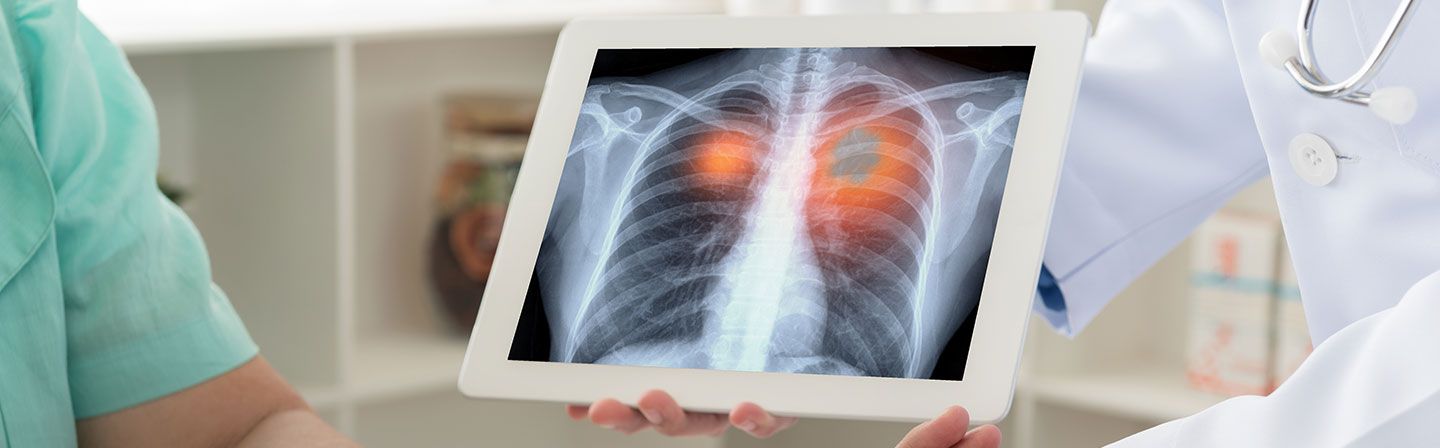
Although traditional X-rays are effective in keeping track of arthritis progression over time, they are infamously ineffective in identifying the early tissue development. When a shadow or narrowing of a joint space is observed on an X-ray, it is already too late to cause much harm. To detect the formation of pannus when it is still toddlerish, rheumatologists make use of more sensitive equipment:
- Gadolinium-Enhanced MRI: It is now the standard of reference in regard to synovial imaging. By injecting a contrast agent (gadolinium) into the bloodstream, doctors can distinguish between simple joint effusion (fluid buildup) and active, hypervascular tissue. Active inflammatory tissue "lights up" under contrast, allowing the radiologist to measure the volume and thickness of the growth.
- Power Doppler Ultrasound (PDUS): While standard ultrasound shows the structure of the joint, Power Doppler is unique because it detects blood flow. Since this invasive tissue is highly vascularised (meaning it grows new blood vessels to feed its expansion), a "positive Doppler signal" indicates active, aggressive inflammation. This is a cost-effective way for doctors to monitor how well a patient is responding to treatment in real time.
- Dynamic MRI: In specialised cases, dynamic imaging tracks the rate at which the contrast agent is absorbed by the joint. A rapid uptake of contrast is a hallmark of the hypervascular state, helping to differentiate between "fibrous" (old, scarred) tissue and "active" (currently destructive) growth.
Synovial Fluid Analysis and Arthrocentesis.
Arthrocentesis (or joint aspiration) is a procedure that is undertaken when the joint is highly swollen. A sampling of the synovial fluid is performed to test the synovial fluid in the laboratory. This critical analysis is essential to making a distinction between the cause behind it:
- Gross Assessment: Joint fluid is normal and clear and thick (viscous). With the presence of pannus-related diseases such as rheumatoid arthritis, the fluid is cloudy, watery, and yellow-green.
- White Blood Cell (WBC) Count: A high WBC count (an increased neutrophil percentage) is an indicator of an inflammatory surrounding.
- Elimination of Crystals: The laboratory tests uric acid or calcium crystals to make sure that the pain is not related to gout or pseudogout, which demand other treatment plans.
Arthroscopy and Synovial Biopsy.
Direct look is needed in complex or equivocal cases in which imaging and blood tests are not conclusive. Arthroscopy, which is a procedure through which a small camera (endoscope) is inserted into the joint, is performed through a small incision.
This allows the surgeon to visualise the "villous proliferation"—the shaggy, carpet-like appearance of the thickened synovium. During this procedure, a small piece of the tissue (a biopsy) can be taken. Under a microscope, pathologists look for "synoviocytes", which are the specific cells responsible for releasing the enzymes that eat away at the bone and cartilage.
Treatment and Management Strategies
The main purpose of treatment is to inhibit the inflammation and prevent the development of the damaging tissue.
Pharmacological Intervention
- DMARDs (Disease-Modifying Antirheumatic Drugs): These medications include methotrexate, which is the first line of defence. They prevent or delay the process of the underlying disease.
- Biologics: These are high-tech medicines that suppress certain components of the immune system (such as TNF-alpha or interleukins) that contribute to the inflammation process. They are also very efficient in inhibiting the growth of the tissue.
- NSAIDs and Corticosteroids: These are instant painkillers and acute inflammatory agents that do not prevent the tissue growth in the long run.
Surgical Options
In case the tissue has already inflicted serious injuries or the pain is impossible to manage, surgery might be required:
- Synovectomy: This is a medical procedure that involves the excision of the inflamed synovial tissue. Although this may be of great relief, the tissue is at times capable of growing back unless the underlying inflammation is managed.
- Joint Replacement: When the joint fails completely, it is best to replace it with the prosthetic in order to resume functioning.
Lifestyle and Physical Therapy.
The physical therapy practices aid in keeping the joints flexible and developing stronger muscles around the joint, minimising the physical burden on the affected region. While medications address the chemical causes of pannus, physical therapy and lifestyle adjustments address the mechanical and systemic factors that influence joint longevity.
Conclusion
Managing pannus is not a one-time event but a continuous process of protection and care. While the formation of this aggressive tissue is a hallmark of chronic inflammatory conditions, it is no longer an inevitable path to disability. True health management requires an integrated approach: medical intervention to halt the tissue, physical therapy to preserve function, and a lifestyle that actively fights systemic inflammation. By integrating advanced medical diagnostics with a disciplined approach to physical therapy and lifestyle management, you can effectively suppress the inflammatory process and preserve your joint integrity.
When you back these efforts with a comprehensive policy like Niva Bupa NRI Health Insurance, you aren't just buying a safety net; you are investing in a future where your mobility is never compromised.
FAQs
1. What is a pannus in medical terms?
In medical terms, a pannus is an abnormal layer of fibrovascular or granulation tissue that forms in response to chronic inflammation or mechanical irritation. The word comes from Latin for “cloth,” reflecting how this tissue spreads over surfaces, and it often contains aggressive cells capable of eroding bone, cartilage, or nearby structures.
2. What is pannus in a joint?
In a joint, pannus refers to thickened, inflamed tissue that develops between the joint and bone, most commonly in rheumatoid arthritis. It begins when the synovial membrane proliferates abnormally, then releases destructive enzymes that damage cartilage and bone, leading to pain, swelling, deformity, and loss of mobility.
3. What is a pannus belly?
A pannus belly, medically called a panniculus, is an overhanging fold of excess skin and fat in the lower abdomen. It is usually associated with obesity or major weight loss and can cause skin irritation, infections, hygiene problems, and surgical complications; severe cases may require removal through panniculectomy.
4. What is pannus in the eye?
In the eye, pannus known as corneal pannus involves the growth of blood vessels and fibrous tissue onto the cornea. It typically results from chronic irritation or inflammation, such as infections or prolonged contact lens misuse, and can cause redness, blurred vision, and permanent vision loss if it extends centrally.
Get right coverage, right premium and the right protection instantly.
 By clicking, I agree to Niva Bupa
 You may also like

Popular Searches
Health Insurance - Health Insurance | Best Family Health Insurance | Best Health Insurance For Senior Citizens In India | Health Insurance With Opd Cover | Mediclaim Insurance | Critical Illness Insurance | Personal Accident Insurance | Mediclaim Policy | Individual Health Insurance | Maternity Insurance | Best Health Insurance company | NRI Health Insurance
Health Insurance Schemes - PMMVY Login | PMJJBY Policy Status | Swasthya Sathi Card | PMSBY | PMJJBY | Ayushman Card | PMMVY 2.0 | Ayushman Vay Vandana Card | PMMVY NIC IN रजिस्ट्रेशन | PMMVY 2.0 लॉगिन
Travel Insurance Plans - Travel Insurance | International Travel Insurance | Student Travel Insurance | Travel Insurance USA | Travel Insurance Canada | Travel Insurance Thailand | Travel Insurance Germany | Travel Insurance Dubai | Travel Insurance Bali | Travel Insurance Australia | Travel Insurance Schengen | Travel Insurance Singapore | Travel Insurance UK | Travel Insurance Vietnam | Travel Insurance Japan | Travel Insurance Spain | Travel Insurance Asia | Travel Insurance Netherlands | Travel Insurance Turkey | Travel Insurance Ireland | Travel Insurance Phillipines | Travel Insurace Italy | Travel Insurance France | Travel Insurance China | Travel Insurance Georgia | Travel Insurance South Africa | Travel Insurance Maldives | Travel Insurance Portugal | Travel Insurance Malaysia | Travel Insurance Qatar | Travel Insurance Poland | Travel Insurance Greece | Travel Insurance New zealand | Travel Insurance Saudi Arabia | Travel Insurance Sri Lanka
Become an Agent - Insurance Agent | IRDA Certificate Download | IRDA Exam Syllabus | IRDA exam fee | Paise Kaise Kamaye | Ghar Baithe Paise Kaise Kamaye
Top Hospitals - Best Hospitals in Gurgaon
Others - Ayushman Bharat | Gst Refund for NRI on Health Insurance Premium
Health & Wellness - शिलाजीत के फायदे हिंदी | Weight Gain Diet in Hindi | Sat Isabgol Uses In Hindi | Aloe Vera Juice Benefits in Hindi | Dragon Fruit Benefits in Hindi | Akal Daad in Hindi | Acidity Home Remedies in Hindi | Nikat Drishti Dosh in Hindi | Yoga Benefits in Hindi | Laung Khane ke Fayde in Hindi | Leukoplakia in Hindi | Protien in 100g Paneer | Benefits of Rice Water For Skin | B12 Deficiency Symptoms in Hindi | Fibre Foods in Hindi | Chronic Disease Meaning in Hindi | Vitamin D Foods in Hindi | Blood Urea in Hindi | Beetroot Uses Good for Health
Calculator - BMI Calculator | Pregnancy Calculator | Pregnancy Calendar Based on Conception Date | Pregnancy Conception Date Calculator | Last Menstrual Period Calculator | BMR Calculator | GFR Calculator | Ovulation Calculator



www.nivabupa.com

+91 11 30902010

1860-500-8888

CIN: L66000DL2008PLC182918
IRDAI Registration No. 145

Corporate Office: 3rd Floor, Capital Cyberscape, Sector 59, Gurgaon
Registered Office: C-98, First Floor, Lajpat Nagar, Part 1, Delhi-110024, India


