

Slipped Disc: Causes, Symptoms, and Treatment
7 January, 2026
7 Shares
283 Reads
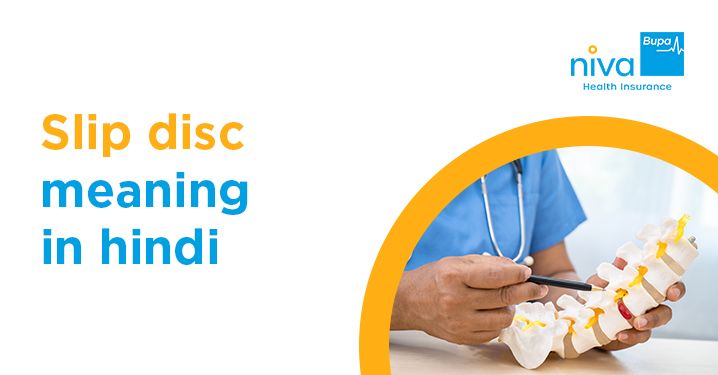
The human spine is a complex structure designed to provide both stability and flexibility. It is made up of a series of bones called vertebrae, which are stacked on top of one another. Between these bones are soft, rubbery cushions known as spinal discs. These discs act as shock absorbers, allowing the spine to bend and twist without the bones rubbing together. However, when one of these discs becomes damaged or shifts out of place, it can lead to a condition commonly referred to as a Slipped Disc.
While the term suggests that the disc has physically slid out of the spinal column, this is not technically what happens. Instead, the tough outer layer of the disc develops a tear or a weak spot, allowing the soft, jelly-like centre to bulge or leak out. This can put pressure on nearby nerves, leading to discomfort, numbness, or weakness in various parts of the body.
Anatomy of the Spinal Column
To understand how a Slipped Disc occurs, it is helpful to first look at the anatomy of the back. The spine is divided into different regions: the cervical spine (neck), the thoracic spine (middle back), and the lumbar spine (lower back). Most instances of disc displacement occur in the lumbar region because this area supports the majority of the body weight and experiences the most movement.
The Role of Spinal Discs
Each disc consists of two main parts. The annulus fibrosus is the sturdy, circular exterior made of concentric sheets of collagen fibres. Inside this sits the nucleus pulposus, which has a high water content and a consistency similar to gel. This internal section provides the hydraulic lift required to keep the vertebrae separated.
When the spine moves, the pressure within the disc changes, allowing it to distribute weight evenly. As we age, these discs naturally lose some of their water content. This process makes them less flexible and more prone to damage, even with minor movements or strains.
Common Causes of a Slipped Disc
There is rarely a single reason why someone develops a Slipped Disc. In many cases, it is the result of gradual wear and tear over time, a process known as disc degeneration. As the discs lose their elasticity, they become more susceptible to rupturing.
Physical Strain and Lifting Techniques
One of the most frequent triggers for spinal issues is improper lifting. Many people use their back muscles rather than their leg muscles to lift heavy objects. This creates an intense amount of pressure on the lower spine. If the body is twisted while lifting, the risk of the outer layer of the disc tearing increases significantly.
Sudden movements or trauma can also play a role. A fall or a blow to the back can force a disc to bulge. However, for many individuals, the final "slip" happens during a seemingly mundane activity, such as bending over to tie a shoe or sneezing, because the disc was already weakened by long-term stress.
Lifestyle Factors and Occupational Risks
Our daily habits have a profound impact on spinal health. People with physically demanding jobs that require repetitive lifting, pulling, or pushing are at a higher risk. Conversely, those who lead sedentary lifestyles may also be vulnerable. Sitting for long periods, especially with poor posture, puts consistent pressure on the lumbar discs.
Body weight is another contributing factor. Excess weight places additional stress on the lower back, forcing the discs to work harder to maintain stability. Smoking is also linked to disc issues, as it is believed to reduce the blood supply to the spinal discs, causing them to break down more quickly than they otherwise would.
Recognising the Symptoms
The symptoms of a Slipped Disc vary widely depending on where the affected disc is located and whether it is pressing on a nerve. Some people may have a damaged disc without knowing it, as it may not be in contact with any nerve tissue. However, when a nerve is compressed, the symptoms are usually quite distinct.
Lower Back and Leg Discomfort
If the issue occurs in the lower back, the pain is often felt in the buttocks, thighs, and calves. This is frequently referred to as sciatica because the disc is pressing on the sciatic nerve. The sensation can range from a dull ache to a sharp, burning feeling. In some cases, the pain may feel like an electric shock, particularly when coughing or sitting down for long periods.
Neck and Arm Sensations
When a Slipped Disc occurs in the neck, the discomfort is typically felt in the shoulders and arms. This might be accompanied by tingling or a "pins and needles" sensation that travels down to the fingers. Some individuals might also experience unexplained weakness in the muscles of the affected limb, making it difficult to grip objects or lift the arm.
Seeking a Diagnosis
If back or neck pain persists or is accompanied by numbness, it is generally advisable to consult a healthcare professional. A diagnosis usually begins with a physical examination. The clinician will check the back for tenderness and ask the patient to perform specific movements to test range of motion and muscle strength.
Physical Examinations and Nerve Tests
One common test involves the patient lying flat while the clinician raises their leg. If this cause pain to radiate down the leg, it is a strong indicator of nerve compression in the lumbar region. Reflexes, walking ability, and the ability to feel light touches or vibrations are also assessed to determine the extent of nerve involvement.
Imaging and Diagnostic Tools
To confirm the diagnosis and pinpoint the exact location of the Slipped Disc, imaging tests may be used. An X-ray cannot show a disc issue on its own but can rule out other problems like fractures or bone alignment issues. More detailed images are provided by Magnetic Resonance Imaging (MRI) or Computed Tomography (CT) scans, which show the soft tissues of the spine, including the discs and nerves.
Conservative Treatment Options
The majority of people with a Slipped Disc find that their symptoms improve over time without the need for surgery. The body often has a natural ability to heal, and the bulging part of the disc may shrink or be reabsorbed by the body. Treatment usually focuses on managing pain and maintaining mobility.
Rest and Activity Modification
While it was once thought that strict bed rest was the best cure for back pain, modern evidence suggests otherwise. Prolonged inactivity can lead to stiff joints and weak muscles, which may delay recovery. It is usually recommended to stay as active as possible within the limits of pain. Avoiding heavy lifting or long periods of sitting is essential during the initial healing phase.
Physiotherapy and Rehabilitation
A physiotherapist can play a vital role in recovery. They provide tailored exercise programmes designed to strengthen the muscles that support the spine. By building core strength, patients can reduce the load on their discs. Additionally, physiotherapists can offer guidance on posture and ergonomics to prevent future occurrences.
Medical Interventions
When conservative measures are not enough to manage the discomfort, medical professionals may suggest further interventions. These are generally aimed at reducing inflammation around the compressed nerve.
Medication for Pain Management
Over the counter pain relief is often the first line of defence. In some cases, muscle relaxants may be prescribed if the patient is experiencing spasms. If the pain is severe and persistent, a doctor might consider stronger medications or nerve pain modulators. It is important to follow medical guidance closely when using any pharmacological intervention.
Spinal Injections
In instances where pain interferes with daily life or rehabilitation, corticosteroid injections may be considered. These are injected directly into the area around the spinal nerves. The goal is to reduce swelling and inflammation, providing a window of relief that allows the patient to engage more effectively in physiotherapy.
Surgical Considerations
Surgery is rarely the first option for a Slipped Disc. It is typically only considered if symptoms have not improved after several months of conservative treatment, or if there is evidence of significant nerve damage, such as worsening weakness or loss of bladder control.
Types of Surgical Procedures
The most common surgery for this condition is a discectomy. During this procedure, the surgeon removes the portion of the disc that is pressing on the nerve. In many cases, this can be done using minimally invasive techniques, which involve smaller incisions and potentially faster recovery times. In more complex cases, other procedures such as a laminectomy or spinal fusion might be necessary to stabilise the area.
Recovery and Long-Term Outlook
Recovery from surgery varies from person to person. While many experience immediate relief from nerve pain, the weakness or numbness may take longer to resolve as the nerve heals. Post operative care often involves a gradual return to activity and a dedicated rehabilitation programme to ensure the back remains strong and flexible.
Prevention and Spinal Maintenance
Preventing a Slipped Disc involves a combination of lifestyle choices and physical awareness. While age related changes cannot be stopped, the rate of wear and tear can be managed.
Ergonomics and Posture
Maintaining a neutral spine is crucial, especially for those who work at a desk. Ensuring that chairs provide adequate lumbar support and that computer screens are at eye level can prevent unnecessary strain. When standing for long periods, resting one foot on a small stool can help take pressure off the lower back.
Core Strength and Weight Management
A strong core acts like a natural corset for the spine. Exercises that target the abdominal and back muscles help to share the load that would otherwise be carried by the discs alone. Furthermore, maintaining a healthy weight reduces the constant gravitational pressure on the lumbar vertebrae.
Practical Considerations for Patients
Dealing with chronic back issues can be a long journey that requires patience and consistency. It is important for individuals to stay informed about their condition and to communicate openly with their healthcare providers.
Managing the Financial Aspect
Healthcare journeys can involve multiple consultations, diagnostic tests, and long term physical therapy. Many people find that having comprehensive health insurance helps manage the costs associated with specialist visits and rehabilitative care, providing peace of mind during the recovery process.
Emotional Wellbeing and Support
Living with physical discomfort can take a toll on mental health. It is not uncommon for people with spinal issues to experience frustration or anxiety regarding their mobility. Seeking support through patient groups or counselling can be helpful in managing the emotional aspects of chronic pain and maintaining a positive outlook during treatment.
Conclusion
A Slipped Disc is a common condition that can cause significant disruption to daily life, but with the right approach, most people achieve a good recovery. Understanding the mechanics of the spine, recognising the early warning signs, and committing to a healthy lifestyle are the best ways to manage and prevent disc related issues. Whether through conservative management or more advanced medical interventions, the goal remains the same: to restore function and improve the quality of life for those affected.
People Also Ask
Can a slipped disc heal on its own without surgery?
Yes, in the majority of cases, the symptoms of a Slipped Disc improve significantly within six to eight weeks. The body often reabsorbs the protruding disc material, or the inflammation around the nerve naturally subsides through rest, gentle movement, and physiotherapy.
Is it safe to exercise with a slipped disc?
Generally, gentle exercise is encouraged once the acute pain has begun to settle. Activities like walking, swimming, or specific core strengthening exercises are often beneficial. However, it is important to avoid high impact activities or heavy lifting until a healthcare professional has confirmed it is safe to do so.
What is the difference between a slipped disc and a bulging disc?
The terms are often used interchangeably, but there is a slight technical difference. A bulging disc occurs when the disc sags and looks like it is "bulging" out between the vertebrae without the outer layer tearing. A Slipped Disc (or herniated disc) occurs when the outer layer actually tears, allowing the inner gel to escape.
Why does the pain sometimes travel down the leg?
This occurs because the disc material is pressing on the spinal nerves that travel from the lower back down to the feet. This referred pain is known as sciatica. The nerve sends pain signals to the brain that the brain interprets as coming from the leg, even though the source of the problem is in the spine.
How can I tell if my back pain is serious?
While most back pain is not an emergency, you should seek immediate medical attention if you experience "red flag" symptoms. These include a loss of bladder or bowel control, numbness in the "saddle area" (groin and buttocks), or sudden, severe weakness in the legs.
Does smoking really affect spinal discs?
Yes, research suggests that smoking can impair the delivery of nutrients to the spinal discs by damaging small blood vessels. This can accelerate the process of disc degeneration, making the discs more brittle and more likely to tear or slip.
How long does recovery typically take after a discectomy?
Recovery times vary, but many people can return to light activities or office work within two to four weeks. More strenuous activities or jobs involving heavy lifting may require a longer recovery period of six to twelve weeks, supported by a structured rehabilitation programme.
Can poor posture alone cause a slipped disc?
While poor posture is rarely the sole cause, it is a significant contributing factor. Persistent slouching or leaning forward increases the pressure on the front of the spinal discs, which can eventually lead to the outer fibres weakening and the disc bulging or slipping over time.
Are there specific sleeping positions that help?
Many people find relief by sleeping on their side with a pillow between their knees to keep the hips and spine aligned. Alternatively, sleeping on the back with a pillow under the knees can help maintain the natural curve of the lower back and reduce pressure on the discs.
Can a slipped disc recur after treatment?
It is possible for a disc to slip again, either at the same level or a different part of the spine. This is why long term maintenance, such as regular exercise, maintaining a healthy weight, and using correct lifting techniques, is so important for those who have experienced disc issues in the past.
Get right coverage, right premium and the right protection instantly.
 By clicking, I agree to Niva Bupa
 You may also like


Popular Searches
Health Insurance - Health Insurance | Best Family Health Insurance | Best Health Insurance For Senior Citizens In India | Health Insurance With Opd Cover | Mediclaim Insurance | Critical Illness Insurance | Personal Accident Insurance | Mediclaim Policy | Individual Health Insurance | Maternity Insurance | Best Health Insurance company | NRI Health Insurance
Health Insurance Schemes - PMMVY Login | PMJJBY Policy Status | Swasthya Sathi Card | PMSBY | PMJJBY | Ayushman Card | PMMVY 2.0 | Ayushman Vay Vandana Card | PMMVY NIC IN रजिस्ट्रेशन | PMMVY 2.0 लॉगिन
Travel Insurance Plans - Travel Insurance | International Travel Insurance | Student Travel Insurance | Travel Insurance USA | Travel Insurance Canada | Travel Insurance Thailand | Travel Insurance Germany | Travel Insurance Dubai | Travel Insurance Bali | Travel Insurance Australia | Travel Insurance Schengen | Travel Insurance Singapore | Travel Insurance UK | Travel Insurance Vietnam | Travel Insurance Japan | Travel Insurance Spain | Travel Insurance Asia | Travel Insurance Netherlands | Travel Insurance Turkey | Travel Insurance Ireland | Travel Insurance Phillipines | Travel Insurace Italy | Travel Insurance France | Travel Insurance China | Travel Insurance Georgia | Travel Insurance South Africa | Travel Insurance Maldives | Travel Insurance Portugal | Travel Insurance Malaysia | Travel Insurance Qatar | Travel Insurance Poland | Travel Insurance Greece | Travel Insurance New zealand | Travel Insurance Saudi Arabia | Travel Insurance Sri Lanka
Become an Agent - Insurance Agent | IRDA Certificate Download | IRDA Exam Syllabus | IRDA exam fee | Paise Kaise Kamaye | Ghar Baithe Paise Kaise Kamaye
Top Hospitals - Best Hospitals in Gurgaon
Others - Ayushman Bharat | Gst Refund for NRI on Health Insurance Premium
Health & Wellness - शिलाजीत के फायदे हिंदी | Weight Gain Diet in Hindi | Sat Isabgol Uses In Hindi | Aloe Vera Juice Benefits in Hindi | Dragon Fruit Benefits in Hindi | Akal Daad in Hindi | Acidity Home Remedies in Hindi | Nikat Drishti Dosh in Hindi | Yoga Benefits in Hindi | Laung Khane ke Fayde in Hindi | Leukoplakia in Hindi | Protien in 100g Paneer | Benefits of Rice Water For Skin | B12 Deficiency Symptoms in Hindi | Fibre Foods in Hindi | Chronic Disease Meaning in Hindi | Vitamin D Foods in Hindi | Blood Urea in Hindi | Beetroot Uses Good for Health
Calculator - BMI Calculator | Pregnancy Calculator | Pregnancy Calendar Based on Conception Date | Pregnancy Conception Date Calculator | Last Menstrual Period Calculator | BMR Calculator | GFR Calculator | Ovulation Calculator



www.nivabupa.com

+91 11 30902010

1860-500-8888

CIN: L66000DL2008PLC182918
IRDAI Registration No. 145

Corporate Office: 3rd Floor, Capital Cyberscape, Sector 59, Gurgaon
Registered Office: C-98, First Floor, Lajpat Nagar, Part 1, Delhi-110024, India


