

Steatosis (Fatty Liver): Symptoms, Causes & Treatment
6 February, 2026
7 Shares
223 Reads
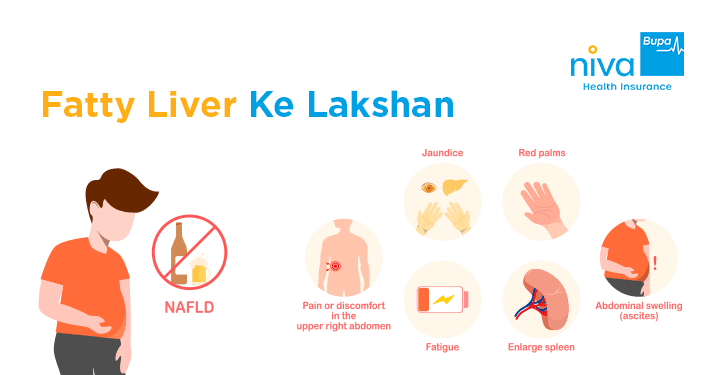
Steatosis, commonly known as fatty liver, is a condition in which excess fat builds up in the liver cells, affecting its normal function. It often develops silently and may go unnoticed until it causes complications. Understanding the symptoms, causes, and available treatment options is essential for early detection and effective management. Lifestyle factors, underlying health conditions, and certain medications can contribute to its development, making awareness and timely intervention crucial for maintaining liver health.
Understanding Steatosis
Steatosis occurs when tiny droplets of fat begin to crowd out your hepatocytes. These are the workhorse cells that keep your liver running. When they get clogged with fat, your internal chemistry takes a hit, making it far harder for your body to manage blood sugar or filter out daily toxins. It often starts as a bit of fat buildup, but if it isn't checked, it can spiral into painful inflammation and deep, permanent scarring. This buildup messes with your internal chemistry and makes it harder for your body to handle blood sugar or clear out toxins.
In its earliest form, the condition is just fat sitting in the liver without much inflammation yet. This is good news. At this stage, you can often turn things around by changing your habits. But if the root cause stays, that fat can lead to steatohepatitis, then fibrosis, and eventually to liver failure or cirrhosis.
Doctors usually split the disease into two camps: alcoholic fatty liver disease and non-alcoholic fatty liver disease. Even though they look similar on a scan, the reasons they start and how they are treated can be quite different.
The Role of the Liver in Fat Metabolism
Your liver is the control centre for fat. When you eat, it turns fats and carbs into triglycerides. It then decides whether to use them for energy or store them in fat tissue. When this system breaks down, fat remains in the liver cells.
A big player here is insulin resistance, which is common with obesity or type 2 diabetes. When insulin isn't working right, your liver makes too much fat and loses its ability to send it out to the body. This is a primary driver of fat deposition.
How Fatty Liver Develops Over Time
It doesn't happen overnight. It’s a slow process that takes years as diet, alcohol, and genes all pile up. At first, your liver might still work fine. But over time, the fat causes oxidative stress. This irritates the liver cells, causing inflammation and the growth of scar tissue.
Once that scarring (fibrosis) starts, the risk of permanent damage goes up fast. This is why finding the problem early is the only real way to protect your liver for the rest of your life.
Types and Classification of Fatty Liver Conditions
We group the disease based on what’s causing it. This classification is vital because it tells the doctor how to treat you and what to expect later on.
While both types involve fat, their triggers are different. Some people have risk factors from both, making it even more important to get a professional diagnosis.
1) Alcoholic Fatty Liver Disease
This type comes from drinking more alcohol than the liver can handle. Alcohol forces the liver to make more fat while making it harder to burn off what’s already there. You don't have to be a heavy drinker for this to happen; even drinking a bit too much on a regular basis can cause fat buildup over several years.
If the drinking doesn't stop, the liver moves toward hepatitis and then cirrhosis. The silver lining is that early fatty changes are often reversible if you stop or significantly cut back on alcohol.
2) Non-Alcoholic Fatty Liver Disease
This version happens to people who drink very little or no alcohol. It’s usually tied to being overweight, having high cholesterol, or a lack of exercise. For many, the fat stays stable, but for others, it leads to inflammation and injury that is a state known as non-alcoholic steatohepatitis.
Because this can lead to liver cancer or cirrhosis, it needs careful monitoring and a very proactive plan.
Causes and Risk Factors
Getting fatty liver is usually a mix of your genes, your environment, and your metabolic health. Identifying these factors is the first step toward recovery.
Most cases result from several lifestyle factors working together. These risks feed into each other, creating a cycle that keeps the fat building up.
Several well-known factors lead to the development of steatosis. These include:
- Carrying extra weight, especially around middle age.
- Having type 2 diabetes or insulin resistance.
- High cholesterol or triglycerides.
- A diet full of sugar and unhealthy fats.
- Excessive alcohol intake.
- Certain medications that affect the liver.
- Losing weight too fast or poor nutrition.
Each of these stops the liver from processing fats normally, making it likely that fat will stay trapped in the hepatocytes.
Symptoms and Clinical Manifestations
The trickiest part is that it usually has zero symptoms at the start. Many people only find out during routine blood work or a scan for something else.
As the liver starts to struggle, you might notice small signs. But they are often vague and can be blamed on other things.
Common signs include:
- Feeling tired all the time.
- A dull ache or heavy feeling in the top right of your belly.
- Weight changes without trying.
- Feeling a bit sick or having an upset stomach.
- General physical weakness.
In advanced stages, symptoms become serious. You might see jaundice (yellow skin) or a swollen stomach or feel confused because the liver isn't clearing toxins from your blood.
Diagnosis and Medical Evaluation
Since symptoms are often absent, doctors use a mix of tests, especially if you have known risk factors.
Blood tests are usually first. They show if your liver enzymes are high, a sign of stress. But remember, blood work can look normal even with a fatty liver. That’s why scans like ultrasounds, CTs, or MRIs are used to actually see the fat.
In some cases, a liver biopsy is needed. By looking at a tiny piece of the liver, doctors can see the exact level of scarring and decide on the best treatment.
Treatment and Medical Management
Treatment is about fixing the root cause and stopping more damage. There isn't a single cure in a bottle, but lifestyle shifts are incredibly effective.
Losing weight and eating better are the two most important things. Even losing a small amount of weight can make a massive difference in how your liver works.
If you have diabetes or high blood pressure, keep them under tight control. Every plan is different, so work closely with your doctor.
Role of NRI Health Insurance and Long-Term Planning
For Indians living overseas, quality healthcare is a big deal, especially for long-term issues like fatty liver. Niva Bupa NRI health insurance is built for this, covering everything from initial scans to visits with specialists.
Having a plan like this gives you the financial security to get the care you need without any breaks. Whether you're in India or living abroad, Niva Bupa helps you stay on top of your medical strategy and catch complications from steatosis before they become dangerous.
Lifestyle and Dietary Management
The foundation of recovery is changing how you live. If you can make sustainable changes, you can actually get rid of the fat in your liver.
A diet full of vegetables, lean protein, and whole grains gives your liver the support it needs. Exercise is also key as it helps your body use up fat and makes your insulin work better.
Key lifestyle changes:
- Keeping your weight at a healthy level.
- Regular exercise (cardio and weights).
- Cutting back on alcohol.
- Eating less sugar and saturated fat.
- Getting enough sleep and keeping stress low.
If you stick with these, you can often stop or even reverse the early stages of the disease.
Potential Complications and Long-Term Outlook
Fatty liver disease does not progress at the same speed for everyone. In some people, excess fat remains relatively stable for years, while in others it slowly triggers inflammation and structural damage within the liver. The way the condition evolves depends on factors such as continued alcohol intake, weight changes, blood sugar control, and genetic susceptibility. This is why doctors view steatosis as a dynamic condition rather than a fixed diagnosis, requiring long-term monitoring and lifestyle management.
If you don't treat it, fatty liver can lead to life-threatening problems. Constant inflammation causes fibrosis, which turns into cirrhosis, which is permanent damage that stops the liver from working.
Cirrhosis also makes liver failure and liver cancer much more likely. But don't let that scare you; if you catch it early and act, most people live long, healthy lives.
The most important thing is staying on top of it. Regular check-ups, following medical advice, and making healthy choices every day are the best ways to keep your liver healthy.
Frequently Asked Questions
1) What Is Steatosis, and How Is It Different From Other Liver Diseases?
Steatosis is just the name for fat buildup in the liver. It's usually caused by lifestyle and metabolism, unlike viral hepatitis or immune system problems.
2) Can Fatty Liver Disease Be Reversed?
Yes. For many, losing weight and eating a better diet can clear the fat from the liver and stop the damage, especially early on.
3) Does Everyone With Fatty Liver Develop Liver Failure?
No. However, a small number will develop serious inflammation and scarring, which is why monitoring is vital.
4) Is Alcohol Always the Cause of Fatty Liver?
Not at all. While alcohol is one cause, many get the disease because of obesity or diabetes, even if they never drink.
5) How Often Should Liver Tests Be Done?
Your doctor will tell you. Usually, it involves blood work and scans every few months or once a year.
6) Can Medications Cure Fatty Liver Disease?
There isn't a single medicine that cures it. Instead, doctors use medicine to manage the causes, like high blood sugar, while you focus on lifestyle changes.
7) Why Is Health Insurance Important for Managing Liver Disorders?
Because liver issues need long-term care and tests, costs can add up. A plan like Niva Bupa NRI health insurance covers those costs so you can focus on getting better.
Get right coverage, right premium and the right protection instantly.
 By clicking, I agree to Niva Bupa
 You may also like



Popular Searches
Health Insurance - Health Insurance | Best Family Health Insurance | Best Health Insurance For Senior Citizens In India | Health Insurance With Opd Cover | Mediclaim Insurance | Critical Illness Insurance | Personal Accident Insurance | Mediclaim Policy | Individual Health Insurance | Maternity Insurance | Best Health Insurance company | NRI Health Insurance
Health Insurance Schemes - PMMVY Login | PMJJBY Policy Status | Swasthya Sathi Card | PMSBY | PMJJBY | Ayushman Card | PMMVY 2.0 | Ayushman Vay Vandana Card | PMMVY NIC IN रजिस्ट्रेशन | PMMVY 2.0 लॉगिन
Travel Insurance Plans - Travel Insurance | International Travel Insurance | Student Travel Insurance | Travel Insurance USA | Travel Insurance Canada | Travel Insurance Thailand | Travel Insurance Germany | Travel Insurance Dubai | Travel Insurance Bali | Travel Insurance Australia | Travel Insurance Schengen | Travel Insurance Singapore | Travel Insurance UK | Travel Insurance Vietnam | Travel Insurance Japan | Travel Insurance Spain | Travel Insurance Asia | Travel Insurance Netherlands | Travel Insurance Turkey | Travel Insurance Ireland | Travel Insurance Phillipines | Travel Insurace Italy | Travel Insurance France | Travel Insurance China | Travel Insurance Georgia | Travel Insurance South Africa | Travel Insurance Maldives | Travel Insurance Portugal | Travel Insurance Malaysia | Travel Insurance Qatar | Travel Insurance Poland | Travel Insurance Greece | Travel Insurance New zealand | Travel Insurance Saudi Arabia | Travel Insurance Sri Lanka
Become an Agent - Insurance Agent | IRDA Certificate Download | IRDA Exam Syllabus | IRDA exam fee | Paise Kaise Kamaye | Ghar Baithe Paise Kaise Kamaye
Top Hospitals - Best Hospitals in Gurgaon
Others - Ayushman Bharat | Gst Refund for NRI on Health Insurance Premium
Health & Wellness - शिलाजीत के फायदे हिंदी | Weight Gain Diet in Hindi | Sat Isabgol Uses In Hindi | Aloe Vera Juice Benefits in Hindi | Dragon Fruit Benefits in Hindi | Akal Daad in Hindi | Acidity Home Remedies in Hindi | Nikat Drishti Dosh in Hindi | Yoga Benefits in Hindi | Laung Khane ke Fayde in Hindi | Leukoplakia in Hindi | Protien in 100g Paneer | Benefits of Rice Water For Skin | B12 Deficiency Symptoms in Hindi | Fibre Foods in Hindi | Chronic Disease Meaning in Hindi | Vitamin D Foods in Hindi | Blood Urea in Hindi | Beetroot Uses Good for Health
Calculator - BMI Calculator | Pregnancy Calculator | Pregnancy Calendar Based on Conception Date | Pregnancy Conception Date Calculator | Last Menstrual Period Calculator | BMR Calculator | GFR Calculator | Ovulation Calculator



www.nivabupa.com

+91 11 30902010

1860-500-8888

CIN: L66000DL2008PLC182918
IRDAI Registration No. 145

Corporate Office: 3rd Floor, Capital Cyberscape, Sector 59, Gurgaon
Registered Office: C-98, First Floor, Lajpat Nagar, Part 1, Delhi-110024, India


