

Types of Fractures: Common Bone Breaks Explained
6 January, 2026
7 Shares
345 Reads
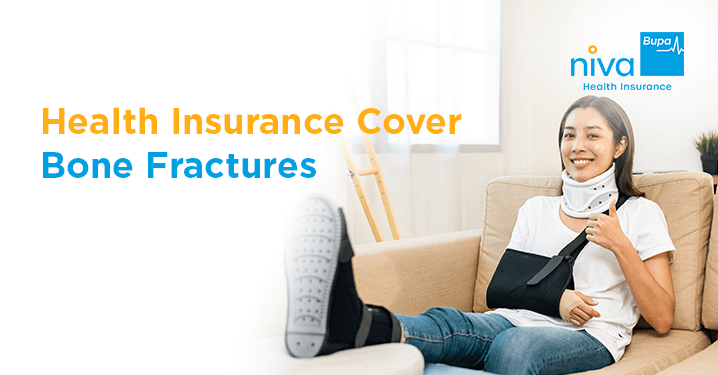
The human skeletal system is a remarkable structure designed to provide support, protect vital organs, and facilitate movement. Despite the incredible strength and resilience of our bones, they are subject to various forms of stress and trauma. When the physical force exerted on a bone exceeds its structural integrity, it results in a break. In medical terminology, any break or crack in a bone is referred to as a fracture. Learning about the different types of fractures is a fundamental step in understanding how our bodies heal and why specific medical interventions are necessary.
Bones are living tissues that constantly undergo a process of renewal and repair. They are composed of a tough outer layer called cortical bone and a softer, spongy inner layer known as cancellous bone. While bones are flexible enough to absorb some degree of impact, a sudden blow, a fall, or repetitive stress can lead to a compromise in their structure.
Defining the Common Types of Fractures
When a healthcare professional evaluates a bone injury, they categorise it based on the direction of the break, the severity of the displacement, and whether the skin remains intact. Broadly speaking, fractures are classified to help determine the most effective course of treatment. The diversity in types of fractures means that no two injuries are exactly alike, even if they occur in the same part of the body.
Open versus Closed Fractures
One of the first distinctions made during a medical assessment is whether the injury is open or closed. A closed fracture, also known as a simple fracture, occurs when the bone breaks but does not puncture the skin. While the internal damage may be significant, the risk of external infection is generally lower because the protective barrier of the skin remains sealed.
Conversely, an open fracture, or compound fracture, involves a break where the bone pierces through the skin or where a deep wound exposes the bone. These are considered medical emergencies because the bone is vulnerable to bacteria and environmental contaminants. Managing these types of fractures requires careful attention to wound cleaning and infection prevention alongside the stabilisation of the bone itself.
Structural Classifications of Bone Breaks
Beyond the condition of the skin, the pattern of the break provides essential information about the mechanism of the injury. These patterns are often named after the direction the fracture line takes through the bone.
Transverse Fractures
A transverse fracture occurs when the break line is horizontal, running straight across the bone shaft. This type of injury is typically the result of a direct blow perpendicular to the bone. For example, a heavy object falling directly onto the thigh bone might cause a transverse break. These are often stable if the pieces remain aligned, but they still require a period of immobilisation to ensure the edges knit back together properly.
Oblique Fractures
Unlike the straight line of a transverse break, an oblique fracture has a curved or sloped pattern. These occur when a force is applied at an angle. They are often less stable than transverse breaks because the slanted edges can slide past one another more easily. Within the various types of fractures, oblique injuries often require precise realignment to ensure the limb does not heal at an incorrect angle or length.
Spiral Fractures
A spiral fracture is caused by a twisting force applied to the bone. Imagine a footballer planting their foot firmly while their body rotates suddenly; the resulting torque can "corkscrew" through the bone. These fractures are common in long bones like the femur or the tibia. Because the break line wraps around the bone, it creates a jagged edge that can be difficult to stabilise without surgical intervention.
Comminuted Fractures
In some instances, the force of an impact is so great that the bone shatters into three or more pieces. This is known as a comminuted fracture. These are often seen in high impact trauma, such as road traffic accidents or falls from significant heights. Treating these types of fractures is complex because the surgeon must find a way to hold multiple small fragments in place while the body begins the slow process of rebuilding bone tissue.
Fractures Based on Incomplete Breaks
Not all bone injuries involve a complete separation of the bone tissue. Some injuries involve cracks or partial breaks that do not go all the way through the diameter of the bone.
Greenstick Fractures
Greenstick fractures are almost exclusively seen in children. Because a child's bones are softer and more flexible than those of an adult, they tend to bend and partially break rather than snapping completely. The name comes from the analogy of trying to break a "green" or young branch from a tree; it bends and splinters on one side but remains connected on the other.
Hairline or Stress Fractures
A stress fracture, sometimes called a hairline fracture, is a tiny crack in the bone that develops over time. Rather than a single traumatic event, these are caused by repetitive stress or overuse. Athletes, particularly runners or gymnasts, are more prone to these injuries. The symptoms often start as a dull ache that worsens with activity. Identifying these types of fractures early is vital to prevent them from progressing into a complete break.
Avulsion Fractures
An avulsion fracture occurs when a ligament or tendon pulls a small piece of bone away from the main mass. This usually happens during a sudden, forceful contraction of a muscle or a sharp change in direction. These are common in the ankle, knee, and shoulder joints. While the bone fragment itself might be small, the associated soft tissue damage often requires a comprehensive rehabilitation plan.
Regional and Specific Fracture Types
Some bone breaks are so specific to certain locations or mechanisms that they have earned their own unique names in the medical community.
Compression Fractures
Compression fractures are most commonly found in the vertebrae of the spine. They occur when the bone collapses under its own weight or due to a loss of bone density, which is frequent in older adults. While a traumatic fall can cause a compression fracture, they are often the result of long term conditions that weaken the internal structure of the vertebrae.
Impacted Fractures
An impacted fracture happens when the broken ends of the bone are driven into each other by the force of the injury. This essentially "telescopes" the bone. These are common in hip fractures or injuries where a person tries to break a fall with their outstretched arms. Because the bones are wedged together, they may initially seem stable, but they require professional assessment to ensure proper blood flow and healing.
Factors Influencing Bone Fragility
Understanding the types of fractures also involves looking at why bones break in the first place. While trauma is a primary cause, underlying health factors play a significant role in how much force a bone can withstand before failing.
The Role of Bone Density
Ageing naturally leads to a gradual decrease in bone mineral density. For many, this leads to a condition where the bones become porous and brittle. In such cases, even a minor stumble or a forceful cough can result in a fracture. Maintaining a diet rich in calcium and vitamin D, combined with weight bearing exercises, is often suggested to support skeletal strength throughout life.
Pathological Fractures
A pathological fracture is a break that occurs in a bone that has been weakened by another disease. This could include infections, cysts, or other cellular changes that compromise the structural integrity of the bone. In these scenarios, the fracture is often a secondary symptom of an underlying medical issue that requires its own specific investigation.
The Biological Process of Healing
The body has an incredible capacity to repair itself after a bone break. The healing process begins almost immediately after the injury occurs and follows a series of predictable stages.
Inflammation and Callus Formation
Immediately after a fracture, the body produces a blood clot around the site to stabilise the area. This is followed by the formation of a soft callus made of fibrocartilage. Over several weeks, this soft bridge is replaced by a hard callus as the body deposits minerals to create new bone. This stage is why immobilisation via a cast or splint is so important; movement during this time can disrupt the delicate new tissue.
Bone Remodelling
The final stage of healing is remodelling, which can take months or even years. During this time, the body reshapes the hard callus, replacing it with mature bone that matches the original shape and strength of the skeletal structure. Even after the cast is removed, the bone continues to refine its internal architecture based on the physical stresses placed upon it during daily activities.
Diagnosis and Medical Assessment
When an individual suspects they have one of the various types of fractures, seeking professional medical attention is the first priority. A healthcare provider will typically perform a physical examination to check for swelling, tenderness, and deformity.
Imaging Techniques
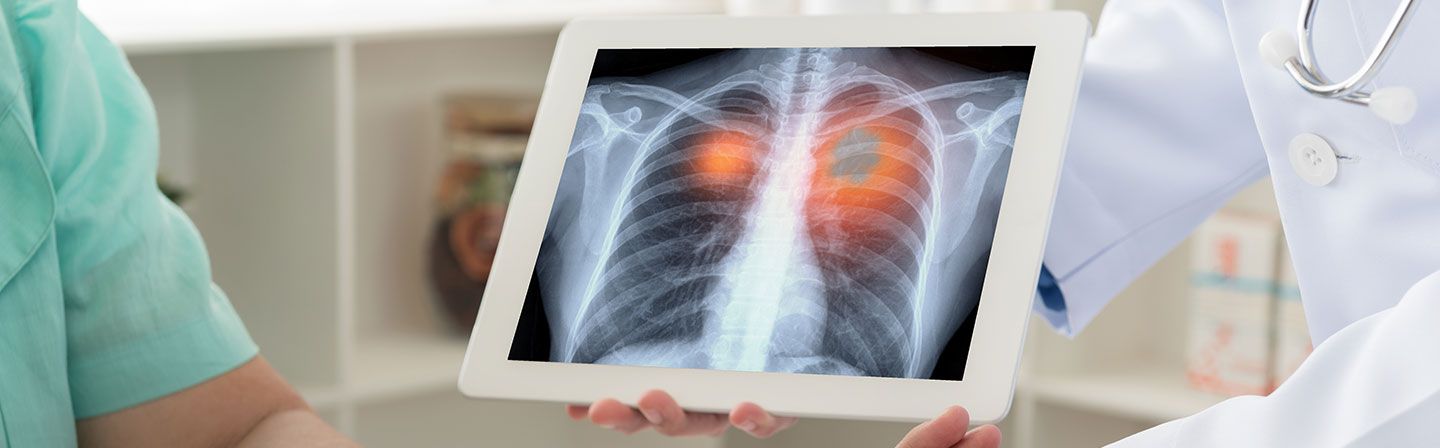
The gold standard for diagnosing bone injuries is medical imaging. Conventional X-rays are usually sufficient to identify most breaks. However, if the injury involves complex joints or if a stress fracture is suspected, more detailed imaging such as a CT scan or an MRI may be required. These tools allow doctors to see the exact orientation of the break and any involvement of surrounding nerves or blood vessels.
Management and Treatment Options
The goal of treating any bone break is to ensure the pieces are correctly aligned and held in place so the body can heal. The method chosen depends entirely on the location and severity of the injury.
Non-Surgical Approaches
For many simple, closed fractures, a cast or a functional brace is used. This keeps the bone ends touching and prevents movement. In some cases, a doctor may perform a "reduction," which is the manual manipulation of the bone back into its proper alignment before applying the cast.
Surgical Interventions
More complex injuries, such as comminuted or highly displaced breaks, may require surgery. Surgeons use internal fixation devices, such as metal plates, screws, or rods, to hold the bone fragments together. In other cases, external fixation is used, where a metal frame is attached to pins inserted into the bone above and below the fracture site.
Recovery and Rehabilitation
Healing from a fracture is a journey that extends beyond the time spent in a cast. Once the bone has regained enough strength, the focus shifts to restoring function and mobility.
The Importance of Physiotherapy
After a period of immobilisation, muscles often become weak and joints may feel stiff. Physiotherapy is a vital component of recovery. A therapist guides the individual through specific exercises designed to rebuild muscle mass and improve the range of motion. This gradual approach helps ensure that the body adapts safely to increased physical demands.
Navigating Healthcare Costs
Managing a significant injury can be a stressful experience, both physically and practically. Many people find that having comprehensive health insurance provides peace of mind when accessing diagnostic tests, surgical procedures, and long term rehabilitation services. Understanding the scope of your coverage can help you focus on the recovery process rather than the logistics of care.
Conclusion
Bones are the silent scaffolding of our lives, and while they are incredibly durable, they are not invincible. Familiarising yourself with the types of fractures helps demystify the recovery process and highlights the importance of protective measures and bone health. Whether a break is a simple hairline crack from running or a complex injury from a fall, the human body’s ability to mend itself remains one of the most fascinating aspects of biological science. By following professional guidance and allowing the necessary time for rest and rehabilitation, most individuals can return to their regular activities with a fully restored skeletal system.
Frequently Asked Questions
What is the most common bone to break in the human body?
The collarbone (clavicle) is frequently cited as one of the most common bones to break, particularly in children and young adults. This is often due to its position and the fact that it absorbs much of the force when a person falls onto an outstretched hand or their shoulder. The wrist (radius) and the hip are also very common sites for fractures.
How can I tell the difference between a bad sprain and a fracture?
It can be very difficult to distinguish between a severe sprain and a minor fracture without an X-ray. Both injuries cause pain, swelling, and bruising. However, if there is a visible deformity, an inability to bear any weight on the limb, or a "grating" sensation during movement, it is more likely to be a fracture.
Do bones grow back stronger after they break?
There is a common myth that a healed bone is stronger than it was before the break. While the site of the break may be slightly thicker due to the hard callus during the remodelling phase, the bone eventually returns to its original strength and structure. It does not become "super-strong" or unbreakable in that area.
Why do some fractures require surgery while others do not?
Surgery is typically required when the bone fragments are too far apart to heal on their own or when the break is so unstable that a cast cannot hold it in place. Fractures that involve joints often require surgical alignment to prevent long term issues like arthritis.
How long does the average bone take to heal?
While every person and every injury is unique, a typical uncomplicated fracture takes about six to eight weeks to heal to a point where it can support some weight. However, smaller bones like those in the fingers may heal faster, while larger bones like the femur can take significantly longer.
What are the signs that a fracture is not healing properly?
A condition known as "non-union" occurs when a bone fails to heal. Signs include persistent pain at the site of the break long after the initial injury, swelling that does not go away, and an inability to use the limb as expected. If you notice these symptoms, a follow-up medical assessment is necessary.
Can a diet change help a fracture heal faster?
While you cannot "rush" the biological timeline of bone growth, providing your body with the right building blocks is essential. A diet adequate in protein, calcium, vitamin C, and vitamin D supports the synthesis of new bone tissue. Smoking, on the other hand, can significantly slow down the healing process by reducing blood flow to the bone.
Is it normal for a break to ache years later in cold weather?
Many people report increased sensitivity or aching at an old fracture site during cold or damp weather. While the exact reason isn't fully understood, it is thought that changes in barometric pressure may affect the density of the healed bone and the surrounding scar tissue differently, leading to discomfort.
What is a "displaced" fracture?
A displaced fracture is one where the two ends of the broken bone have moved out of alignment and are no longer straight. These usually require a medical professional to "set" the bone (reduction) or perform surgery to ensure the limb heals in the correct position.
What is the difference between a fracture and a break?
In the medical world, there is no difference between a "fracture" and a "break." Both terms describe a loss of continuity in the bone. "Break" is a common term used in everyday conversation, while "fracture" is the formal clinical term used by doctors and nurses.
Get right coverage, right premium and the right protection instantly.
 By clicking, I agree to Niva Bupa
 You may also like

Popular Searches
Health Insurance - Health Insurance | Best Family Health Insurance | Best Health Insurance For Senior Citizens In India | Health Insurance With Opd Cover | Mediclaim Insurance | Critical Illness Insurance | Personal Accident Insurance | Mediclaim Policy | Individual Health Insurance | Maternity Insurance | Best Health Insurance company | NRI Health Insurance
Health Insurance Schemes - PMMVY Login | PMJJBY Policy Status | Swasthya Sathi Card | PMSBY | PMJJBY | Ayushman Card | PMMVY 2.0 | Ayushman Vay Vandana Card | PMMVY NIC IN रजिस्ट्रेशन | PMMVY 2.0 लॉगिन
Travel Insurance Plans - Travel Insurance | International Travel Insurance | Student Travel Insurance | Travel Insurance USA | Travel Insurance Canada | Travel Insurance Thailand | Travel Insurance Germany | Travel Insurance Dubai | Travel Insurance Bali | Travel Insurance Australia | Travel Insurance Schengen | Travel Insurance Singapore | Travel Insurance UK | Travel Insurance Vietnam | Travel Insurance Japan | Travel Insurance Spain | Travel Insurance Asia | Travel Insurance Netherlands | Travel Insurance Turkey | Travel Insurance Ireland | Travel Insurance Phillipines | Travel Insurace Italy | Travel Insurance France | Travel Insurance China | Travel Insurance Georgia | Travel Insurance South Africa | Travel Insurance Maldives | Travel Insurance Portugal | Travel Insurance Malaysia | Travel Insurance Qatar | Travel Insurance Poland | Travel Insurance Greece | Travel Insurance New zealand | Travel Insurance Saudi Arabia | Travel Insurance Sri Lanka
Become an Agent - Insurance Agent | IRDA Certificate Download | IRDA Exam Syllabus | IRDA exam fee | Paise Kaise Kamaye | Ghar Baithe Paise Kaise Kamaye
Top Hospitals - Best Hospitals in Gurgaon
Others - Ayushman Bharat | Gst Refund for NRI on Health Insurance Premium
Health & Wellness - शिलाजीत के फायदे हिंदी | Weight Gain Diet in Hindi | Sat Isabgol Uses In Hindi | Aloe Vera Juice Benefits in Hindi | Dragon Fruit Benefits in Hindi | Akal Daad in Hindi | Acidity Home Remedies in Hindi | Nikat Drishti Dosh in Hindi | Yoga Benefits in Hindi | Laung Khane ke Fayde in Hindi | Leukoplakia in Hindi | Protien in 100g Paneer | Benefits of Rice Water For Skin | B12 Deficiency Symptoms in Hindi | Fibre Foods in Hindi | Chronic Disease Meaning in Hindi | Vitamin D Foods in Hindi | Blood Urea in Hindi | Beetroot Uses Good for Health
Calculator - BMI Calculator | Pregnancy Calculator | Pregnancy Calendar Based on Conception Date | Pregnancy Conception Date Calculator | Last Menstrual Period Calculator | BMR Calculator | GFR Calculator | Ovulation Calculator



www.nivabupa.com

+91 11 30902010

1860-500-8888

CIN: L66000DL2008PLC182918
IRDAI Registration No. 145

Corporate Office: 3rd Floor, Capital Cyberscape, Sector 59, Gurgaon
Registered Office: C-98, First Floor, Lajpat Nagar, Part 1, Delhi-110024, India


