

Varicose Veins Treatment: Medical and Home Care Options
5 January, 2026
7 Shares
416 Reads
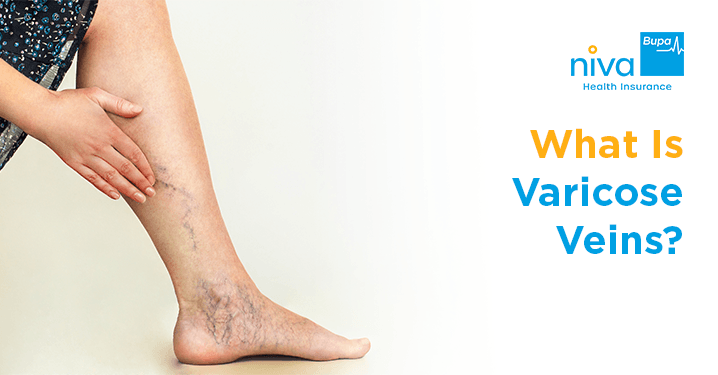
Varicose veins are a common vascular condition that many people experience at some point in their lives. While they are often viewed as a cosmetic concern, they can sometimes lead to physical discomfort or indicate an underlying circulation issue. Understanding the available options for Varicose Veins Treatment is the first step toward managing the condition effectively and improving daily comfort.
These veins typically appear as twisted, swollen, or darkened vessels just beneath the surface of the skin. They most frequently occur in the legs because standing and walking increase the pressure in the veins of the lower body. For most individuals, these veins are mild, but for others, they can cause aching pain and heaviness.
By exploring both medical interventions and lifestyle adjustments, individuals can make informed decisions about their vascular health. This guide provides a comprehensive look at how these veins develop and the various ways they can be managed in both clinical and home settings.
The Biological Function of Veins and Valves
To understand why someone might seek Varicose Veins Treatment, it is necessary to look at how the circulatory system functions. Veins are responsible for carrying blood from the body’s tissues back to the heart. In the legs, this task is particularly difficult because the blood must flow upward against the force of gravity.
How Venous Insufficiency Develops
Healthy veins are equipped with one-way valves that open to let blood through and then close to prevent it from flowing backward. When these valves become weak or damaged, blood can pool in the vein rather than moving toward the heart. This accumulation causes the vein to stretch, twist, and swell, resulting in the characteristic appearance of a varicose vein.
The Role of Muscle Contraction
The muscles in the lower legs act as a secondary pump for the circulatory system. When you walk, your calf muscles contract and squeeze the veins, pushing the blood upward. If a person is sedentary for long periods, this natural pumping mechanism is less effective, which can contribute to the worsening of venous symptoms over time.
Identifying the Symptoms of Varicose Veins
Recognising the signs of venous issues is a key part of determining when to investigate Varicose Veins Treatment. While the visible changes to the skin are the most obvious sign, there are several internal sensations that often accompany the condition.
Visible Physical Changes
The most common sign is the presence of dark purple or blue veins that appear twisted and bulging. They often look like cords running down the leg. In some cases, the skin around these veins may become discoloured or dry, which can sometimes lead to more significant skin irritation if left unmanaged.
Physical Discomfort and Sensations
Many people report a heavy or achy feeling in their legs, especially after standing or sitting for a long duration. Other symptoms include throbbing, muscle cramping, and swelling in the lower legs or ankles. Some individuals also experience itching around one or more of the affected veins. If these symptoms begin to interfere with daily activities, it may be time to consult a healthcare professional.
Factors That Increase the Risk of Development
Several factors can influence the likelihood of developing venous issues. While some of these are biological and cannot be changed, others are related to lifestyle and environment. Understanding these risks helps in tailoring a long-term Varicose Veins Treatment plan.
Age and Hormonal Influences
As people age, the wear and tear on vein valves increases, eventually causing them to allow some blood to flow back into the veins. Additionally, hormonal changes throughout life, such as those occurring during pregnancy or menopause, can relax vein walls. Pregnancy, in particular, increases the volume of blood in the body but decreases the flow of blood from the legs to the pelvis, which can place extra pressure on the veins.
Lifestyle and Physical Demands
Occupations that require standing or sitting for long stretches without movement are a significant risk factor. When the body remains in one position, the blood does not flow as easily, increasing the pressure within the vessels. Weight also plays a role, as carrying extra body mass puts more pressure on the veins, making it harder for valves to function correctly.
Initial Steps in Managing Varicose Veins at Home
For many, the first phase of Varicose Veins Treatment involves simple lifestyle adjustments. These methods are focused on improving circulation and reducing the pressure on the legs, which can help alleviate mild symptoms and prevent new veins from forming.
The Importance of Regular Movement
Physical activity is one of the most effective ways to support vascular health. Low-impact exercises, such as walking, swimming, or cycling, encourage the calf muscles to pump blood more efficiently. Even small movements, like flexing the ankles while sitting at a desk, can make a difference in how the blood moves through the lower extremities.
Elevation and Gravity
Elevating the legs is a straightforward way to assist the circulatory system. By raising the feet above the level of the heart several times a day, gravity helps the blood flow back toward the torso. This practice is especially helpful in the evening for reducing the swelling and heaviness that often accumulates throughout a busy day.
The Role of Compression Therapy
Compression therapy is frequently recommended as a foundational Varicose Veins Treatment. It involves wearing specially designed stockings that apply steady pressure to the legs, helping the veins and leg muscles move blood more efficiently.
How Compression Stockings Work
These stockings are tightest at the ankle and gradually become looser further up the leg. This gradient pressure encourages blood to flow upward and prevents it from pooling in the lower vessels. They are available in various strengths, ranging from light support found in retail shops to high-pressure versions that require a professional fitting.
Selecting the Right Support
Consistency is key when using compression therapy. For the best results, they should be put on first thing in the morning before swelling begins and worn throughout the day. While they do not "cure" existing varicose veins, they are highly effective at managing discomfort and preventing the condition from progressing rapidly.
Minimally Invasive Medical Procedures
When lifestyle changes and compression therapy do not provide sufficient relief, medical interventions may be considered. Modern Varicose Veins Treatment has evolved significantly, with many options now being minimally invasive and performed on an outpatient basis.
Sclerotherapy for Smaller Veins
Sclerotherapy is a common procedure used primarily for smaller varicose veins and spider veins. A healthcare professional injects a solution directly into the vein, which causes it to scar and close. Over time, the blood is naturally rerouted through healthier veins, and the collapsed vein is absorbed by the body's tissues.
Endothermal Ablation Techniques
This method uses heat to seal the affected veins. There are two main types: radiofrequency ablation and laser ablation. A thin tube called a catheter is inserted into the vein, and the tip is heated. As the catheter is withdrawn, the heat destroys the vein wall, causing it to collapse and seal shut. This is a popular Varicose Veins Treatment because it involves minimal downtime and usually only requires local anaesthesia.
Surgical Options for Advanced Cases
In cases where veins are very large or other treatments have not been successful, surgical intervention may be necessary. While less common than they once were, these procedures remain a vital part of the vascular care toolkit.
Vein Ligation and Stripping
This procedure involves tying off a vein before it joins a deep vein and removing the vein through small incisions. Removing the vein does not adversely affect circulation in the leg because the deeper veins take over the increased volume of blood. This is usually performed under general or local anaesthesia, and recovery times can vary depending on the extent of the surgery.
Ambulatory Phlebectomy
Ambulatory phlebectomy is a technique used to remove smaller, superficial varicose veins through a series of tiny skin punctures. This procedure is often done in an office setting with local anaesthesia. Because the incisions are so small, stitches are rarely needed, and the scarring is typically minimal.
Post-Treatment Care and Long-Term Maintenance
Undergoing a Varicose Veins Treatment is only part of the process. Maintaining the results requires a commitment to long-term vascular health. After a procedure, patients are usually encouraged to walk immediately to promote healthy blood flow and reduce the risk of complications.
Follow-Up and Monitoring
It is common to wear compression stockings for several weeks following a medical procedure to support the healing process. Regular follow-up appointments allow a professional to monitor the success of the treatment and ensure that no new issues are developing.
Sustaining Healthy Habits
Even after successful treatment, the tendency to develop varicose veins may remain if the underlying causes are not addressed. Maintaining a healthy weight, staying active, and avoiding long periods of immobility are essential strategies for keeping the legs healthy and preventing the recurrence of venous issues.
Navigating the Costs of Vascular Care
The financial aspect of medical care is a practical consideration for many individuals. When exploring Varicose Veins Treatment, it is helpful to understand how different procedures are categorised by healthcare systems.
Assessing Medical Necessity
Generally, if the treatment is sought purely for cosmetic reasons, it may not be covered by standard healthcare provisions. However, if the veins are causing significant pain, skin ulcers, or other health complications, it is often classified as a medical necessity. At this stage, many people find that their health insurance plans may cover a portion or all of the costs associated with the diagnosis and procedure. It is always advisable to check with a provider beforehand to understand the specific criteria for coverage.
When to Seek Professional Guidance
While home care can manage symptoms, there are specific signs that indicate a need for professional evaluation. Delaying care can sometimes lead to more complex issues that are harder to manage later on.
Red Flags to Watch For
If a varicose vein begins to bleed, it is important to seek medical attention quickly. Similarly, if the skin over the vein becomes hard, discoloured, or develops an open sore (an ulcer), it indicates that the venous pressure is affecting the surrounding tissue. Sudden swelling or pain in the leg could also signal a blood clot, which requires an immediate assessment.
Consultation and Diagnosis
A specialist, such as a vascular surgeon or a phlebologist, will typically use an ultrasound to look at the blood flow in the legs. This non-invasive test helps them see how the valves are functioning and identify the specific veins that require Varicose Veins Treatment.
Final Thoughts
Varicose veins are a manageable condition that many people face. Whether the goal is to reduce physical discomfort or to address the appearance of the legs, there is a wide range of Varicose Veins Treatment options available today. From simple lifestyle changes like regular walking and leg elevation to advanced laser procedures and surgical interventions, the path to better vascular health is more accessible than ever. By staying informed and proactive, individuals can support their circulatory system and improve their overall quality of life.
People Also Ask
Can exercise make varicose veins worse?
Most forms of low-impact exercise, such as walking or swimming, are highly beneficial because they improve circulation. However, very strenuous activities that involve heavy lifting can increase abdominal pressure, which may temporarily put more stress on the leg veins. It is generally recommended to balance strength training with aerobic movement.
Do varicose veins always require medical treatment?
No, not everyone needs medical intervention. If the veins are not causing pain or complications, lifestyle changes and compression stockings may be sufficient. Treatment is typically sought for symptom relief or for cosmetic reasons.
Is the development of varicose veins purely hereditary?
While genetics play a significant role, they are not the only factor. If your parents had them, you might be more likely to develop them, but your lifestyle, occupation, and general health also contribute to the risk.
Can men develop varicose veins?
Yes, although they are more frequently discussed in relation to women, many men develop varicose veins. Factors such as long hours spent standing at work, age, and weight affect men similarly.
How long is the recovery after a laser treatment?
Recovery is usually quite fast. Most people can return to their normal daily activities within a day or two, though strenuous exercise might be restricted for a week or more depending on the practitioner's advice.
Will the veins come back after treatment?
The specific veins that are treated or removed do not return. However, treatment does not prevent new varicose veins from forming in different areas of the leg if the underlying pressure issues continue.
Are spider veins the same as varicose veins?
They are related but different. Spider veins are smaller, red or blue, and sit closer to the skin's surface. They often look like a spider's web or tree branches. While they are also caused by valve issues, they are usually a cosmetic concern and rarely cause physical pain.
Why do varicose veins sometimes itch?
The itching is often caused by a condition called venous eczema. When blood pools in the veins, it can cause inflammatory changes in the surrounding skin, leading to dryness, redness, and a persistent itchy sensation.
Can weight loss help with varicose veins?
Reducing excess weight can significantly decrease the pressure on the veins in the legs. While it might not make existing varicose veins disappear completely, it can help reduce discomfort and prevent new ones from developing.
Should I wear compression stockings during sleep?
Generally, compression stockings are not worn while sleeping unless specifically instructed by a doctor. When you are lying down, your legs are at the same level as your heart, which naturally helps blood flow and reduces the need for external compression.
Get right coverage, right premium and the right protection instantly.
 By clicking, I agree to Niva Bupa
 You may also like

Popular Searches
Health Insurance - Health Insurance | Best Family Health Insurance | Best Health Insurance For Senior Citizens In India | Health Insurance With Opd Cover | Mediclaim Insurance | Critical Illness Insurance | Personal Accident Insurance | Mediclaim Policy | Individual Health Insurance | Maternity Insurance | Best Health Insurance company | NRI Health Insurance
Health Insurance Schemes - PMMVY Login | PMJJBY Policy Status | Swasthya Sathi Card | PMSBY | PMJJBY | Ayushman Card | PMMVY 2.0 | Ayushman Vay Vandana Card | PMMVY NIC IN रजिस्ट्रेशन | PMMVY 2.0 लॉगिन
Travel Insurance Plans - Travel Insurance | International Travel Insurance | Student Travel Insurance | Travel Insurance USA | Travel Insurance Canada | Travel Insurance Thailand | Travel Insurance Germany | Travel Insurance Dubai | Travel Insurance Bali | Travel Insurance Australia | Travel Insurance Schengen | Travel Insurance Singapore | Travel Insurance UK | Travel Insurance Vietnam | Travel Insurance Japan | Travel Insurance Spain | Travel Insurance Asia | Travel Insurance Netherlands | Travel Insurance Turkey | Travel Insurance Ireland | Travel Insurance Phillipines | Travel Insurace Italy | Travel Insurance France | Travel Insurance China | Travel Insurance Georgia | Travel Insurance South Africa | Travel Insurance Maldives | Travel Insurance Portugal | Travel Insurance Malaysia | Travel Insurance Qatar | Travel Insurance Poland | Travel Insurance Greece | Travel Insurance New zealand | Travel Insurance Saudi Arabia | Travel Insurance Sri Lanka
Become an Agent - Insurance Agent | IRDA Certificate Download | IRDA Exam Syllabus | IRDA exam fee | Paise Kaise Kamaye | Ghar Baithe Paise Kaise Kamaye
Top Hospitals - Best Hospitals in Gurgaon
Others - Ayushman Bharat | Gst Refund for NRI on Health Insurance Premium
Health & Wellness - शिलाजीत के फायदे हिंदी | Weight Gain Diet in Hindi | Sat Isabgol Uses In Hindi | Aloe Vera Juice Benefits in Hindi | Dragon Fruit Benefits in Hindi | Akal Daad in Hindi | Acidity Home Remedies in Hindi | Nikat Drishti Dosh in Hindi | Yoga Benefits in Hindi | Laung Khane ke Fayde in Hindi | Leukoplakia in Hindi | Protien in 100g Paneer | Benefits of Rice Water For Skin | B12 Deficiency Symptoms in Hindi | Fibre Foods in Hindi | Chronic Disease Meaning in Hindi | Vitamin D Foods in Hindi | Blood Urea in Hindi | Beetroot Uses Good for Health
Calculator - BMI Calculator | Pregnancy Calculator | Pregnancy Calendar Based on Conception Date | Pregnancy Conception Date Calculator | Last Menstrual Period Calculator | BMR Calculator | GFR Calculator | Ovulation Calculator



www.nivabupa.com

+91 11 30902010

1860-500-8888

CIN: L66000DL2008PLC182918
IRDAI Registration No. 145

Corporate Office: 3rd Floor, Capital Cyberscape, Sector 59, Gurgaon
Registered Office: C-98, First Floor, Lajpat Nagar, Part 1, Delhi-110024, India


