




Zindagi ko claim kar le
International Travel Insurance
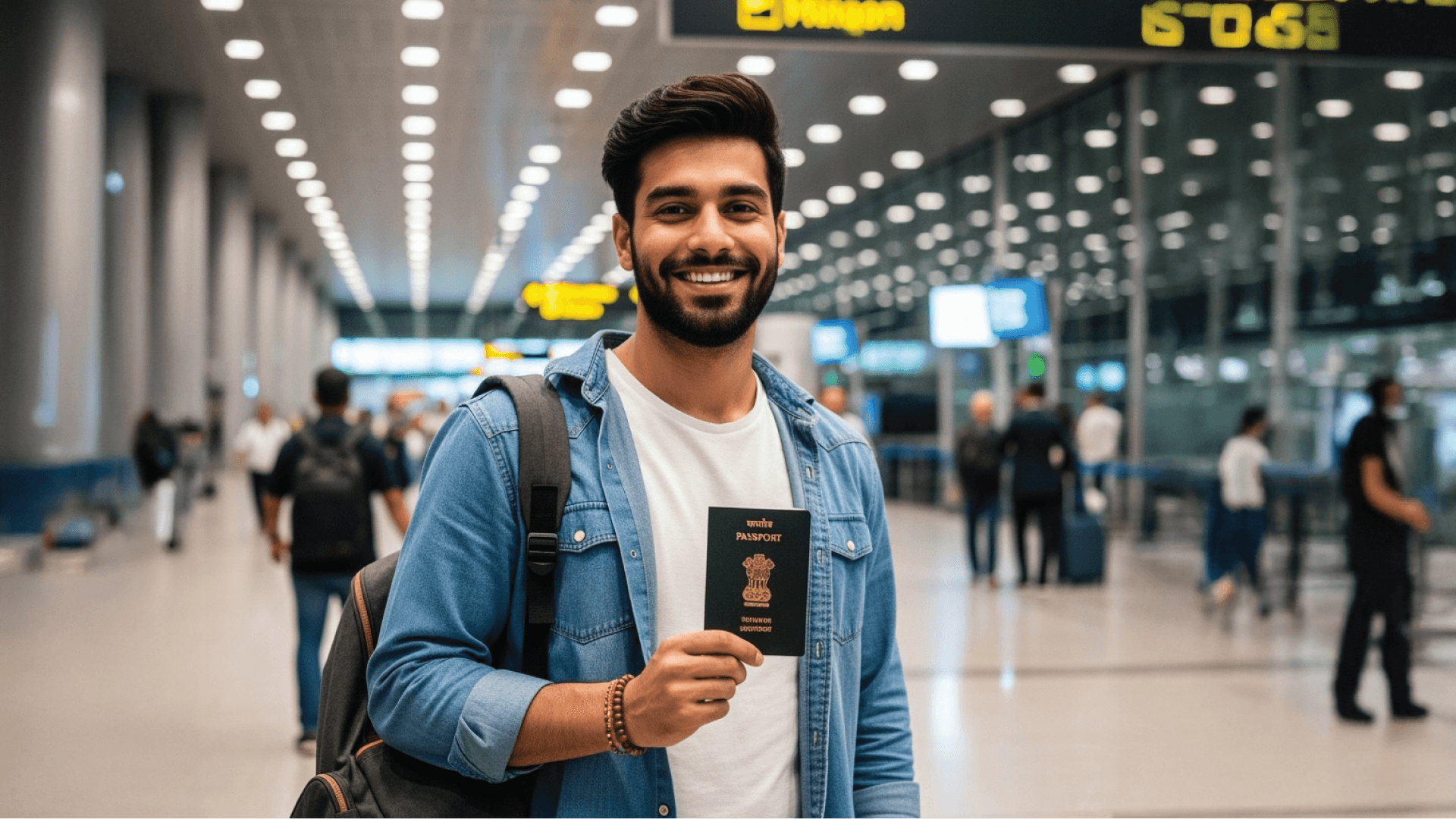
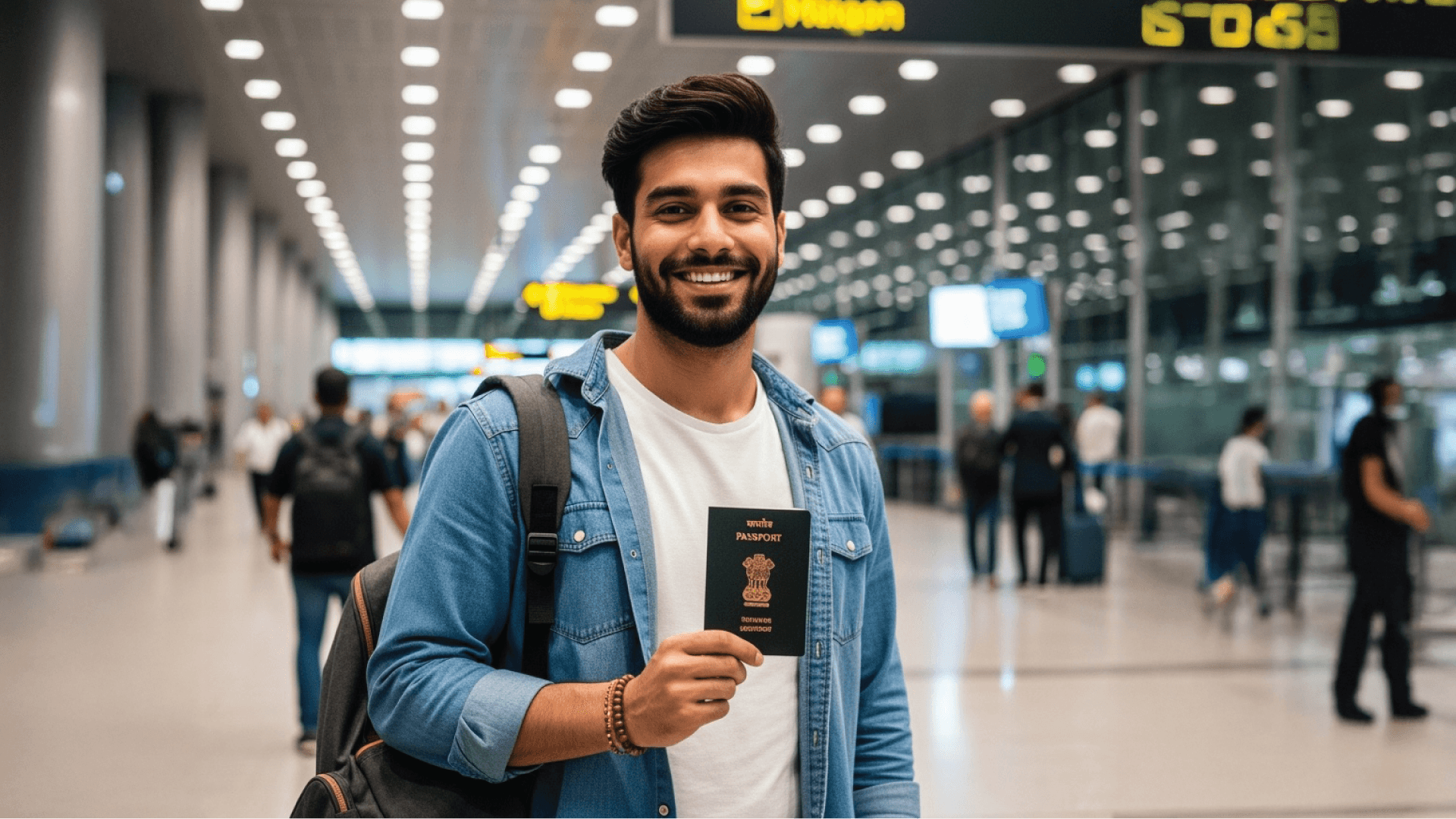
Looking to travel abroad in 2026? International travel insurance protects you against medical costs, cancellations, and emergencies.

Key Features of International Travel Insurance
Planning a trip? Knowing the key features of travel insurance can save you from unexpected hassle.

Trip Cancellation
Covers financial loss incurred due to cancellation of trip before its onset


Trip Delay
Provides financial assistance in case of delay in departure

Total Loss of Checked-in Baggage
Provides a lump sum benefit if your checked-in baggage is lost by carrier.

Loss of Laptop, Tablet, Mobile, Phone, Camera
Covers Loss of personal belongings due to robbery or theft.

Loss of Passport
Covers the cost of getting for a new passport

Loss of baggage and Personal Belongings
Provides a lump sum benefit if your baggage/ personal belonging is lost.

Cruise cover
Covers missed port departure, unused excursions due to illness & travel costs to re-join cruise after hospital treatment

Missed Connections
Covers travel cost if you missed a connection due to carrier not running on Schedule.

Bounced Booking
Provides financial assistance in getting alternate booking if original booking is cancelled by provider.



International Travel Insurance
More Indians are travelling abroad than ever before. The Ministry of Tourism's provisional data shows Indian nationals made about 3.27 crore departures in 2025, roughly a fifth more than in 2019. Most of that planning goes into flights, visas, and hotels, and very little into what happens if something goes wrong after landing.
That gap is where the risk sits. A sudden illness, an accident, or a missed connection abroad means a bill in a foreign currency, in a system you do not know, often with no family nearby. Your savings end up carrying the whole cost. International travel insurance exists for exactly that moment. It pays for emergency treatment, arranges medical evacuation when needed, and reimburses trip costs you cannot recover, so a bad day abroad doesn't become a financial setback at home.
What Can Go Wrong Abroad, and What Does It Cost?
A medical emergency is the costliest thing that can go wrong on a trip. Visitors usually pay non-resident rates in a foreign currency, and bills grow with every scan, procedure, and hospital day. Costs vary by country, hospital, and treatment, and all figures here are approximate and subject to change.
Why Bills Abroad Add Up
Bills abroad add up because countries charge visitors differently and often ask for proof of cover. Official rules in three popular destinations show why.
United Kingdom: non-EEA visitors are charged 150% of the standard NHS rate for secondary care, and you usually pay the estimated cost in advance unless treatment is urgent.
Schengen area: applicants must hold cover that includes emergency hospital treatment and repatriation, valid across all Schengen states for the whole stay. That requirement exists because these costs are high.
United States: Healthcare costs in the U.S. have been rising faster than the overall economy. National health spending reached nearly $5.3 trillion in 2024, up from $3 trillion a decade earlier, which works out to more than $15,400 per person. For individual patients, the bills can be steep: one uninsured nurse in Florida was billed $93,000 after a stroke, later reduced to about $50,400.
Cost Breakdown: Two Examples
The two bills below show how a single event builds up. Every range depends on the country and hospital, and is approximate and subject to change.
In the US, hospital charges exclude physician fees, so one admission can produce several invoices. In Europe, a routine procedure still disrupts prepaid plans. Niva Bupa’s emergency in-patient cover handles the treatment. If you opt for trip interruption, it reimburses extra return travel and unused prepaid accommodation when you must return home early for a listed reason.
What Travellers Claim For
Claims usually fall into three groups: medical emergencies, trip disruption, and baggage or documents. Medical claims tend to be the largest in value. Baggage and disruption claims tend to be smaller but more familiar. TravelAssure offers cover for all three, depending on the benefits you choose and the limits on your policy schedule. Treat medical cover as the foundation and the rest as protection for your bookings.
What Is International Travel Insurance?
International travel insurance is a policy that pays for medical emergencies, trip disruptions, and lost belongings while you are outside India. We pay covered expenses as per your policy terms, deductible, and any co-payment, and all payments are made in Indian rupees within India. Where cashless is available, we settle directly with the hospital, and you are reimbursed for other covered expenses when you claim.
International travel insurance can cover several medical and travel-related risks during an overseas trip, depending on the plan selected and its terms and conditions.
How Does International Travel Insurance Work?
International travel insurance covers eligible expenses if certain unexpected events occur during your trip abroad. The coverage depends on the plan you choose, along with its limits, exclusions and conditions.
You pay the premium before travelling and receive a policy outlining the benefits available. If something goes wrong during your trip, you can contact the insurer's assistance team and follow the claim process. Depending on the situation and policy terms, you may receive cashless treatment at a network hospital or claim reimbursement for eligible expenses.
For instance, if you need emergency hospitalisation while travelling abroad, you can contact the insurer's assistance team for guidance. The insurer will review your claim against the policy terms and the documents you provide before deciding whether it is payable.
Can You Extend International Travel Insurance?
Single-trip policies can be extended if you need to stay abroad longer. Send a written request at least one day before your policy expires, with a completed extension application, details of all claims and a good health declaration. We may approve it at our discretion, and the total policy period cannot exceed 365 days. If you have already claimed, benefits paid on a fixed basis cannot be claimed again, and indemnity-based benefits continue with the balance sum insured.
Cover does not continue automatically after expiry. If you have the Emergency Trip Extension benefit, we extend your policy once, by the days on your schedule (multiples of 5, up to 30 days). This applies when your return is delayed by a travelling companion’s death, hospitalisation of you or your companion, a government-declared natural disaster, or carrier cancellation or rescheduling due to strike, riot, or civil commotion.
You can also extend the geographical scope of your policy on written request, with additional premium paid before cover for the new region begins. This is not possible if you have already entered that region or made a medical claim.
Single-trip policies cannot be renewed. Multi-trip and student policies can be renewed, and renewal applications must reach us at least 30 days before the policy ends.
Why Do You Need International Travel Insurance?
A bad day abroad can turn into a large bill in a foreign currency, with no family nearby. Here are five reasons travellers buy cover before they leave.
1. Hospital bills abroad arrive in foreign currency, often before treatment.
Visitors are usually charged non-resident rates. In the UK, non-EEA visitors pay 150% of the standard NHS rate for secondary care, and you usually pay the estimated cost in advance unless treatment is urgent. Cashless cover, where available, means the insurer settles the approved bill with the hospital directly.
2. Evacuation is the cost most travellers never plan for.
The US Department of State estimates that an air ambulance evacuation back to the US can cost between $20,000 and $200,000. The actual cost depends on the traveller's medical condition and location. Medical evacuation cover helps manage such expenses by arranging a transfer to a better-equipped hospital or back to India, if a doctor confirms that it is medically necessary.
3. Your health plan may stop at the border.
The US State Department notes that Medicare does not cover medical costs outside the US, and that most plans do not pay for air-ambulance evacuation. Indian domestic and employer policies vary, so check yours for foreign treatment, evacuation and cashless access before you rely on it.
4. Some visas require it.
Schengen visa applicants must show proof of medical insurance with at least €30,000 of cover. It must include emergency treatment and repatriation, be valid in all Schengen states, and run for the whole stay.
5. Not every loss is medical.
A missed connection, a delayed bag or a lost passport can disrupt a prepaid itinerary. Trip and baggage benefits protect the money you have already spent, so you don’t pay twice for the same holiday.
What the cover includes
The table below shows what each benefit pays, when it applies and what to watch for. Exact benefits and limits depend on the plan you choose, so read your policy wording.
Which Countries Require Travel Insurance?
Some countries make travel insurance a requirement for visitors, particularly those applying for certain types of visas. For instance, Schengen visa applicants must have travel medical insurance with at least €30,000 in coverage for emergency medical treatment, hospitalisation and repatriation.
Requirements can vary across destinations depending on the visa type, nationality, length of stay and purpose of travel. Check the latest guidelines issued by the destination country's embassy or immigration authority before booking your trip.
Even if travel insurance is not compulsory, having a policy can help cover eligible medical expenses, trip disruptions and other unexpected costs during your stay abroad.
What Is Usually Excluded From International Travel Insurance?
Travel insurance does not cover every loss. Under TravelAssure, common exclusions include:
Pre-existing conditions, whether declared or not, unless you opt for the relevant pre-existing disease add-on
Adventure sports, unless the Adventure Sports cover is opted for
War, nuclear or radiological events, and acts of terrorism, unless Terrorism Cover is opted
Self-inflicted injury or suicide attempts, alcohol, drug or substance abuse, and depression
Obesity and weight-management treatment, unproven treatments, cosmetic surgery (with limited exceptions) and non-prescription drugs
Maternity expenses, except under the student-only Maternity and Newborn benefit
Travelling against a doctor’s advice, or trips planned to get treatment for an existing condition
Unlawful activities, or any claim originating in a country under Indian government travel restrictions
Non-emergency treatment, and treatment that can wait until you return home
A claim can also be affected if you miss the notification or document deadlines. Each benefit has its own exclusions, so check your policy wording before you buy.
How Much Travel Insurance Cover Do You Need?
Match your cover to the cost of care where you are going, not where you live. Schengen countries require at least €30,000 for a visa. The US and Canada have no such minimum for tourists, but they are among the costliest places in the world to fall ill, so most travellers should choose a much higher limit.
TravelAssure offers emergency in-patient sum insured options of USD 25,000, 50,000, 75,000, 100,000, 150,000, 200,000, 250,000, 300,000 and 500,000, so you can size it to the trip. The lowest option sits below the Schengen minimum, so choose USD 50,000 or higher for Schengen trips.
Suggested Sum Insured by Destination
These suggestions are guidance, not a recommendation for any individual. They are approximate and subject to change.
Why Take $50,000, $100,000, $250,000 or $500,000 Cover?
Around $50,000: suits short trips to lower-cost destinations and covers most single admissions. It is thin against a long ICU stay.
Around $100,000: a sound base for most Schengen and Asia trips, with room for surgery and a few hospital days.
Around $250,000: suits the UK, Australia and longer trips, where a complication can extend a stay.
Around $500,000: suits the USA and Canada, older travellers, and trips where a major cardiac or cancer event is a real possibility.
Who Should Buy: Traveller-Wise and Destination-Wise
According to the Ministry of Tourism’s Monthly Tourism Snapshot for January 2026, Indian nationals made 29.33 lakh departures, about 9% more than in January 2025. Around 53.9% of travellers were aged 25 to 44, women made up 34.6%, and leisure accounted for 37.8% of trips. Diaspora travel (visiting friends and relatives) followed closely at 37.3%, with business at 14.1%. Different trips need different protection.
The UAE alone received about a quarter of departures, followed by Saudi Arabia, Thailand, the USA and Singapore. Destinations fall into three cost tiers:
Acute vs Chronic Conditions
An acute condition, such as food poisoning or a fracture, usually occurs suddenly and may require one-time treatment. A suitable base cover can help meet these medical expenses. Chronic conditions, such as diabetes or heart disease, may increase the risk of complications during a trip, making adequate coverage limits important.
Pre-existing diseases are not automatically covered under every travel insurance plan. Check the policy terms and consider the optional Pre-existing Disease Inclusion for Emergencies add-on if you need protection for related medical emergencies.
What Are the Different Types of International Travel Insurance?
International travel insurance can be selected based on the number of trips, traveller profile, and purpose of travel. TravelAssure offers single-trip, multi-trip and student travel policies. Families and senior travellers are covered by adding members to a policy.
TravelAssure is our international travel plan, built to protect you the moment you leave India. It works across 190+ destinations with a sum insured from USD 50,000 up to USD 500,000, and starts from about ₹18 a day*. It brings together over 40 travel-related covers, from emergency treatment and evacuation to baggage loss and trip delays. Our assistance partners, Europ Assistance and Assist America, provide 24x7 emergency support, so you are never left to manage an emergency alone.
Terms and conditions apply. Costs and premiums are approximate and subject to change.
Choosing Your Plan
Once you know your cover amount, choose between an individual and a family plan, and decide when to buy. Both choices affect your protection and value.
Individual vs Family: Top Reasons to Buy
TravelAssure is issued on an individual basis, and you can add up to 6 members to one policy. Check your policy schedule for how the sum insured applies to each member.
Five reasons to buy either way:
Hospital bills abroad arrive in foreign currency.
Some visas, such as Schengen, require insurance.
A missed connection or lost bag can disrupt a whole itinerary.
Our 24x7 support means you are never alone in an unfamiliar system.
Where cashless is available, you pay less upfront. Otherwise, you claim by reimbursement.
Why Buying Early Helps
Buying when you book, not when you fly, starts your cancellation protection sooner and gives you time to compare plans and disclose your history.
Medical History, Disclosure, and Rules
Before you buy, check how existing conditions are treated and what your visa requires. These details decide whether a claim is paid and whether your visa application is accepted.
Pre-Existing Conditions and Medical History
A pre-existing condition is any illness diagnosed, treated or medically advised before you buy. On international single-trip and multi-trip policies, we do not cover pre-existing conditions, whether declared or not declared. The exceptions are:
Pre-existing Disease Inclusion for Emergencies: an optional add-on that pays pre-existing emergencies up to the limit you choose (USD 2,500, 5,000, 10,000, 15,000 or 25,000).
Complete Pre-existing Disease Cover: for student travel only. It covers pre-existing conditions up to the in-patient sum insured.
Even so, give accurate health information when you buy. Incorrect or withheld information can lead to cancellation of the policy or rejection of a claim.
Visa, Regulatory and Tax Notes
Schengen applicants must show proof of cover at the time of application. It must be valid in all Schengen states, include emergency treatment and repatriation, run for the full trip, and reach a minimum of €30,000. Other countries may set their own rules, so check the embassy website.
If you opt for Refund of Visa Fee, we reimburse the visa fee when your visa is rejected through no fault of yours, provided you submitted all documents as the embassy directed. This benefit is not available on multi-trip or student policies
What Are Some Common Myths About International Travel Insurance?
Travel insurance is often treated as a visa requirement, but it can protect you against unexpected expenses during a trip. Some common assumptions can lead travellers to underestimate the cover they need.
What You Get: Medical Services and Offerings
Our cover pairs treatment and trip benefits with support services. This section explains how cashless works overseas.
Our Registered Health Eco-system Overseas
Where cashless is available, we settle covered treatment directly with the hospital in our registered health ecosystem, so you avoid paying the full bill upfront. Availability depends on the destination and hospital, and reimbursement applies elsewhere.
list
Why Choose Niva Bupa International Travel Insurance?
We combine a low starting price, wide country reach, and a strong claims record. The table summarises the main data points.
We built our travel plans around the way Indians actually travel, so each plan type solves a different problem. Here is why each of our travel products is worth considering.
Strong Medical Protection Abroad
Medical cover is the foundation of any travel policy, because a hospital bill abroad is the largest single risk on a trip. These two benefits cover the treatment itself and the steps around it.
Emergency Treatment and Hospitalisation
A sudden illness or accident abroad is the costliest risk on any trip, so TravelAssure puts emergency treatment first. You choose one in-patient option: all causes, accidents only, or illnesses only, each with or without OPD. We pay treatment expenses if you are admitted for more than 24 hours, and day care treatments are also covered. Expenses not linked to treatment, such as food, toiletries, and cosmetics, are not payable.
The OPD variants cover critical out-patient treatment that cannot wait until you return to India, up to the limit on your schedule. You can also add emergency dental treatment (pain-relieving treatment under anaesthesia at a hospital after an accident or sudden acute tooth pain) and road ambulance cover. Maternity and Newborn cover is available only to student-visa travellers on policies of 12 months or more. Deductibles and any co-payment apply as per your schedule.
Medical Evacuation and Daily Hospital Cash
If the hospital where you are admitted cannot provide the required treatment, medical evacuation cover can help arrange your transfer to a better-equipped hospital or back to India. This is allowed only when a doctor recommends the transfer and confirms that it is medically necessary. The insurer's assistance provider coordinates with your treating doctor to decide the suitable option.
The benefit is payable only if your in-patient hospitalisation claim is also admissible. Depending on the policy, evacuation expenses may be covered under the in-patient sum insured or have a separate coverage limit.
Hospital daily cash pays a fixed daily amount (USD 20 to 250 a day, for up to 5 to 30 days) for each day you are hospitalised, after a minimum 24-hour stay. Extension to in-patient care covers hospitalisation in India within 30 days of the policy end if it relates to the same illness or injury, plus your economy return ticket. Costs are approximate and subject to change.
Protection for Your Trip and Belongings
Not every problem abroad is medical. These benefits protect the money you have already spent on bookings and the belongings and documents you carry.
Trip Cancellation, Delay, and Interruption
Prepaid flight tickets and hotel bookings can be difficult to recover if your travel plans change unexpectedly. TravelAssure covers trip cancellation, trip interruption, trip delays, missed connections and flight delays, subject to the reasons listed in the policy.
Cancellation and interruption benefits cover eligible travel ticket and accommodation expenses. You can make one claim under a single-trip policy and up to three claims under a multi-trip policy. If you need to cut your trip short, inform the assistance provider before returning home to follow the claim process.
Trip delay pays per block of hours, up to 24 hours of delay, or arranges lounge access, and a missed connection needs at least a 3-hour gap between flights. Visa rejection is not a reason for trip cancellation. It falls under the separate Refund of Visa Fee benefit. Buy when you book so your protection is in place early, which matters most on multi-city or honeymoon itineraries.
Baggage, Passport and Gadget Cover
Losing your belongings abroad can stall a trip as quickly as an illness. We cover permanent loss of checked-in baggage (paid pro rata by the bags lost), delay of checked-in baggage, loss of your passport, loss of your international driving licence, and theft or robbery of a laptop, tablet, mobile phone or camera. A gadget in baggage lost by the carrier is not covered under the gadget benefit.
We also cover bounced hotel and airline bookings caused by overbooking, and loss of identity documents. The Debit/Credit/Forex Card Fraud benefit reimburses fraudulent use up to the time you report the loss to your bank, but not the cost of a new card. Report thefts and losses to the police within 24 hours or as soon as reasonably possible, and get a written report. Limits differ by option, so check them against what you are carrying.
Support When You Need It
Cover is only useful if help arrives quickly. These benefits explain how Niva Bupa supports you during an emergency and how your claim is handled afterwards.
24x7 Cashless Assistance
Emergencies rarely happen at convenient hours or in familiar places. When outside India, you or your family member should contact Europ Assistance on +91 22 6787 2092 (nivabupa@europ-assistance.in) or Assist America on 1800 425 2955 (medservicesindia@assistamerica.in). From India, call 1860-500-8888. Our assistance partners help with emergency medical support and coordinate with the treating doctor on your behalf. We or our assistance company must be informed within 7 days of the event. Availability depends on the destination and hospital, and reimbursement applies where cashless is not possible.
Cashless and Reimbursement Claims
You can claim in the way that suits the situation. Where cashless is available, we pay the approved bill directly to the hospital, while reimbursement lets you pay first and claim afterwards with original documents. We settle or reject a claim within 30 days of the last required document, or within 45 days if an investigation is needed, and we pay interest at 2% above the bank rate on delays beyond that. All payments are in Indian rupees, within India. To keep any claim moving, give accurate health information, keep original bills and reports, inform us within 7 days, and submit all documents within 30 days of discharge.
Choice, Reach and Value
A good plan also fits your trip. These benefits cover the plan types we offer, where they work and what they cost.
Plans for Every Traveller
Different trips need different protection, so our travel plans come in several forms: single trip, multi-trip and student travel policies, with family members and senior travellers covered by adding members to a policy. A solo holiday, a family visit to the USA and a master's degree abroad each carry different risks, and you can choose the plan that fits yours. Frequent travellers avoid buying a new policy before every flight, while students get cover built around a long stay. Benefits and eligibility vary by plan, so check the plan page.
190+ Destinations and Cover up to $500,000
Your cover should match where you are going. TravelAssure works across 190+ destinations and offers a sum insured from USD 50,000 up to USD 500,000, so you can size protection for high-cost countries such as the USA and Canada as well as lower-cost ones. Plans start from about ₹18 a day*, with the final premium depending on age, destination, trip length, sum insured, deductible, co-payment option, and the benefits you add. All figures are approximate and subject to change, and we suggest getting an instant quote before you decide.
How to Buy International Travel Insurance
You can buy online by assessing your needs, choosing a plan, and paying securely. Eligibility rules apply, and the sections below cover each step.
Steps to Buy Online
Buying Niva Bupa International Travel Insurance online involves seven simple steps. You can select your cover, enter traveller details, review the policy terms, and complete the purchase digitally. Choose your sum insured (USD 25,000 to 500,000), in-patient option, deductible, and any optional benefits.
Assess your travel needs: Decide the type of cover you need based on your destination, trip duration, number of travellers, age and planned activities. Consider the medical sum insured and benefits that may be relevant to your trip.
Enter your trip details: Provide your destination, travel dates, and the number of people travelling. These details help determine the suitable Niva Bupa travel insurance options for your trip.
Compare available plans: Review Niva Bupa plans based on coverage, sum insured, benefits, limits, and premium. Choose the option that matches your travel requirements.
Enter traveller details: Provide the required personal information for each traveller. You may also need to disclose relevant medical conditions, previous treatments, or other health information requested during purchase.
Review the policy details: Check the benefits, coverage limits, exclusions, waiting periods (which apply to maternity cover), conditions and other policy terms before proceeding. Pay particular attention to medical coverage, baggage protection, trip cancellation and other benefits relevant to your journey.
Pay the premium online: Once you are satisfied with the selected cover and details provided, pay the applicable premium through the available online payment options.
Receive your policy: After successful payment and policy issuance, your Niva Bupa international travel insurance policy is sent to your registered email address. Keep a digital or printed copy with you while travelling, along with the relevant assistance and policy details.
Eligibility Criteria
Niva Bupa International Travel Insurance is generally available to eligible Indian residents travelling outside India, subject to the age, destination and trip-duration conditions of the selected plan. Travellers must provide valid details and disclose relevant health information during the application process.
How Does the Claim Process Work?
You can claim cashless at a registered hospital where available, or by reimbursement anywhere else. Cashless means we pay the hospital directly. Reimbursement means you pay first and claim afterwards.
Cashless vs Reimbursement
Choose cashless at a registered hospital where available, and reimbursement everywhere else. The table compares the two routes.
Cashless and Reimbursement Steps
Each route takes five steps, and both start with informing us as early as possible.
Cashless:
Contact our assistance partner (Europ Assistance or Assist America) before or at admission, and inform us within 7 days of the event.
Show your policy and ID at the hospital desk.
The hospital sends the request with the diagnosis and estimate.
We review it and confirm.
We settle the approved bill with the hospital.
Cashless scenario:
Suppose Rohan is travelling in Germany when he develops severe abdominal pain and needs emergency hospitalisation. He contacts our assistance partner as early as possible, within 7 days, and provides his policy details before or at admission. At the hospital, he shows his policy and identification documents. The hospital then sends the required treatment details, diagnosis, and estimated expenses for review. Once the treatment is approved for cashless settlement, Niva Bupa settles the approved amount directly with the hospital, subject to the policy terms, limits, and applicable conditions.
Reimbursement
Inform us as early as possible.
Pay the hospital and keep the originals.
Complete the claim form.
Submit the form and documents within 30 days of discharge, with written reasons for any delay.
We review it and pay the approved amount to you.
Reimbursement scenario:
Now consider Priya, who is travelling in Thailand and needs emergency treatment at a hospital where cashless settlement is not available. She informs Niva Bupa as early as possible and pays the hospital herself. She keeps the original bills, medical reports, prescriptions, and other required documents. After completing the claim form, she submits it and the supporting documents to Niva Bupa. The claim is then reviewed, and the approved amount is reimbursed to her, subject to the policy terms, limits, and exclusions.
Documents You Need
The core documents are the claim form, original bills, discharge summary, and reports. Missing originals can slow a claim.
Completed and signed claim form, with KYC documents
Release of Medical Information form
Original final hospital bill with itemised breakup and payment receipts, including pharmacy bills
Discharge summary, medical records, diagnosis, and lab and diagnostic reports with prescriptions
Passport and visa copy, with the entry stamp of the country visited and the exit stamp from India
FIR or police report, where applicable (mandatory for accidents, theft and loss)
For baggage: carrier’s property irregularity report, compensation voucher and proof of ownership
For trip benefits: cancellation receipts, booking confirmations and a declaration of circumstances
For a death claim: death certificate, post-mortem report where applicable, and legal heir certificate (not required if a valid nomination exists)
If a Claim Is Rejected
A rejected claim does not always mean that you cannot seek further clarification or review. If Niva Bupa rejects your international travel insurance claim, first ask for the reason for rejection in writing. Check the stated reason against your policy wording, including the applicable coverage, exclusions, limits, and conditions.
If the rejection is due to missing information or documents, provide the required proof and request a review of the claim. Keep copies of your claim form, medical records, bills, correspondence, and other supporting documents.
If you still disagree with the decision after the claim has been reviewed, you can raise the matter through Niva Bupa's grievance redressal process and approach the designated grievance officer. Follow the applicable escalation process and retain the acknowledgment or reference number for future communication.
Frequently Asked Questions

Download Resources
Read more about the product through Product Brochure and Policy Wording documents
TravelAssure Brochure
Download the Brochure to understand Travel Assure better


TravelAssure Policy Wordings
Find out all you need to know about the plan here
TravelAssure Claim form
Download the form to make a hassle-free claim
TravelAssure Application form
Download the form to avail the services of any of our network hospitals
Key Benefits of Reassure2.0
There are several benefits that you can enjoy when buying ReAssure 2.0. Some of them are listed below:
There are various types of travel insurance plans offered by insurers in India:
 Basic Travel Policy:
These plans cover basic travel risks that most insurers provide. The premium amount is comparatively low due to the limited coverage.
Comprehensive Travel Policy:
Comprehensive plans offer a host of optional covers, like medical expenses or repatriation of mortal remains, many insurers may not provide. etc. Notably, Niva Bupa Travel Insurance offers over 40 travel-related covers, including the ones mentioned above.
Single Trip:
One-time travelers can buy this policy before or after booking their tickets. This policy remains applicable for the duration of that trip.
Multi-trip:
If the policy buyer has several trips planned for the year, they can opt for a multi-trip policy that offers coverage for a specific period instead of the trip duration. Frequent fliers opt for this plan to avoid buying plans repeatedly.
Student:
Students can buy a travel plan that offers coverage for the study duration. Covers like sponsor protection and study interruption can be opted for to make the plan more student-friendly.
Policy buyers can opt for a single, family, group, or any other plan as per their requirements.


www.nivabupa.com

+91 11 30902010

1860-500-8888

CIN: L66000DL2008PLC182918
IRDAI Registration No. 145

Corporate Office: 3rd Floor, Capital Cyberscape, Sector 59, Gurgaon
Registered Office: C-98, First Floor, Lajpat Nagar, Part 1, Delhi-110024, India


