

Blood Cancer: Types, Symptoms & Treatment
2 March, 2026
7 Shares
208 Reads
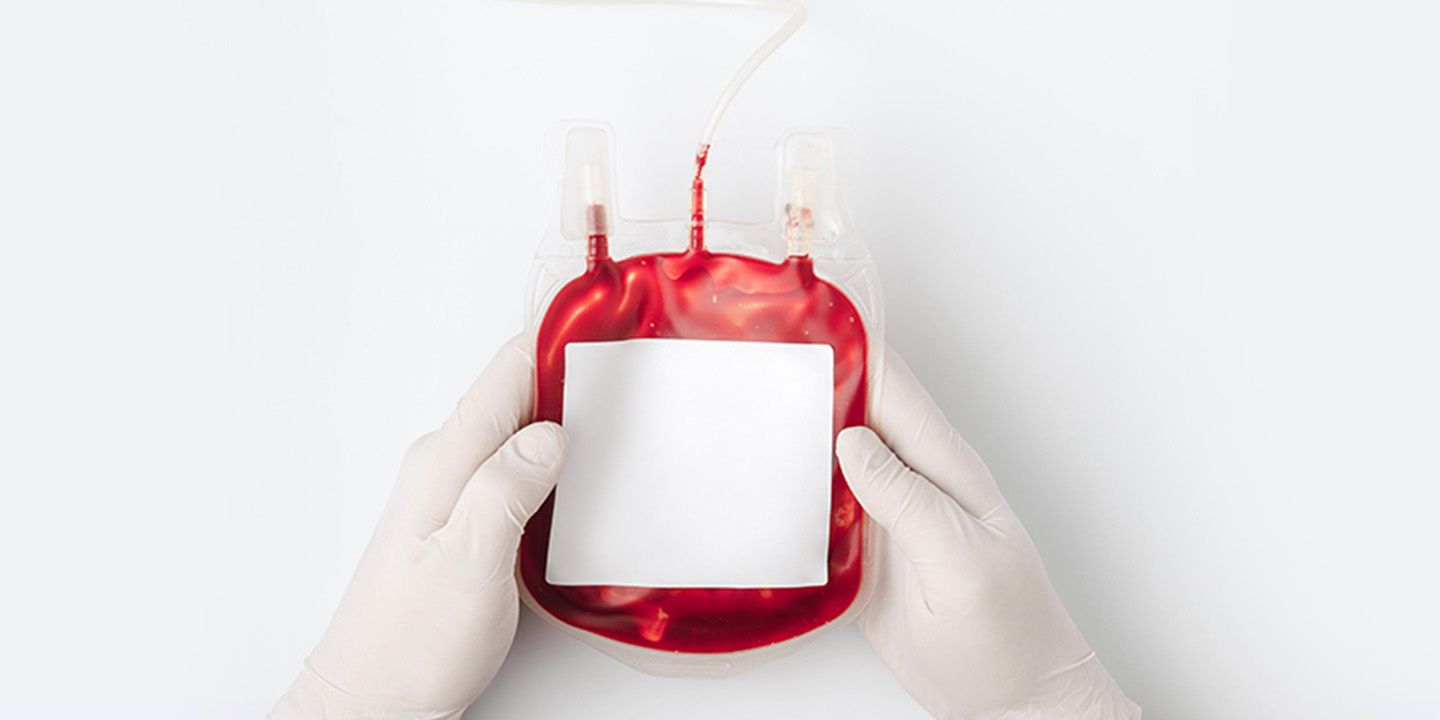
The human body works through a delicate balance of constantly renewing cells. When this balance is disrupted, conditions like blood cancer can arise, changing life suddenly for patients and their families. While the diagnosis can feel overwhelming, understanding the condition helps reduce uncertainty. Thanks to advances in modern medicine, many people today are able to manage blood cancer and continue to live meaningful lives.
In this blog, we will explore the different forms of the disease and how they affect the body. We will look at the signs that might indicate a problem. We will also discuss the latest treatment options and ways to manage life during this time.
What Is Blood Cancer?
This condition begins when abnormal blood cells start growing out of control. Most of these cancers start in the bone marrow, where blood is produced. The bone marrow is the soft tissue inside your bones. It acts like a factory for red blood cells, white blood cells, and platelets. Red blood cells carry oxygen. White blood cells fight off infections. Platelets help your blood to clot when you get a cut. When someone has this disease, the production of these cells becomes flawed. The abnormal cells crowd out the healthy ones and stop the blood from doing its job. This can lead to issues like frequent infections or severe fatigue.
Types of Blood Cancers
There are several different categories of this disease. Each one behaves differently and requires a specific approach to care. Doctors use tests to figure out which specific blood cancer types a patient is dealing with. This classification is vital for deciding on the best treatment plan.
Leukemia
Leukaemia is a cancer that starts in the blood-forming tissue of the bone marrow. It usually involves the white blood cells. These cells are meant to be the body's primary defence against infection. In people with leukaemia, the bone marrow produces a large number of abnormal white blood cells. These cells do not work correctly, and they do not stop growing.
Leukaemia is often divided into four main types. Acute Myeloid Leukaemia and Acute Lymphocytic Leukaemia grow very quickly. They need aggressive treatment right away. Chronic Myeloid Leukaemia and Chronic Lymphocytic Leukaemia grow much more slowly. A person might have a chronic form for years without realising it. The slow progression allows for different management strategies over a long period.
Lymphoma
Lymphoma affects the lymphatic system. This system is a part of the immune system that helps filter out waste and fight germs. It includes the lymph nodes, spleen, and thymus gland. In this case, cells called lymphocytes turn into cancer cells. These cells multiply and collect in the lymph nodes.
There are two primary forms of lymphoma. Hodgkin lymphoma is characterised by the presence of a specific type of abnormal cell called a Reed-Sternberg cell. Non-Hodgkin lymphoma is much more common and includes many different subtypes. Some grow slowly while others are very aggressive. Treatment depends entirely on the specific subtype and how far it has spread through the lymphatic network.
Myeloma
Myeloma is a cancer of the plasma cells. These are a specific type of white blood cell that makes antibodies to protect you from infections. When you have myeloma, the body produces too many abnormal plasma cells. These cells produce a protein that does not help the body and can actually cause damage to the kidneys.
These cancerous cells also crowd out healthy cells in the bone marrow. This often leads to weakened bones and a higher risk of fractures. Because the cancer is usually found in multiple places in the bone marrow, it is often called multiple myeloma. It can cause significant bone pain and high levels of calcium in the blood.
Myeloproliferative neoplasms
These are a group of rare blood cancers where the bone marrow produces too many of one or more types of blood cells. The word neoplasm means an abnormal growth of tissue. In these cases, the bone marrow becomes overactive. This can lead to blood that is too thick.
There are several types of myeloproliferative neoplasms. Polycythemia vera involves an overproduction of red blood cells. Essential thrombocythemia happens when the body makes too many platelets. Primary myelofibrosis occurs when scar tissue builds up in the bone marrow. These conditions can sometimes progress into more aggressive forms of leukaemia if they are not monitored closely.
Myelodysplastic syndromes
Myelodysplastic syndromes are a group of conditions where the bone marrow does not produce enough healthy blood cells. The cells that are produced often misshapen or do not mature properly. These are sometimes referred to as bone marrow failure disorders.
People with these syndromes often have low blood counts. This can lead to anaemia or a high risk of bleeding. In some cases, these syndromes can turn into acute myeloid leukaemia over time. Doctors monitor these patients carefully to manage symptoms and prevent the condition from becoming more severe.
What Are The Symptoms of Blood Cancer?
The symptoms can vary quite a bit depending on the specific type of the disease. In the early stages, the signs might be very subtle. Many people mistake them for the flu or general tiredness. It is important to watch for symptoms that do not go away after a few weeks. The following list outlines the most common indicators of the disease.
- Feeling exhausted even after a full night of sleep.
- Losing weight without trying to diet or exercise more.
- Having a fever or chills that keep coming back.
- Drenching night sweats that soak your clothes or bedding.
- Frequent infections that are hard to shake off.
- Bruising easily or seeing tiny red spots on your skin.
- Persistent pain in your bones or joints.
- Swollen lymph nodes in the neck or armpits that do not hurt.
- Shortness of breath during normal daily activities.
What are the causes and risk factors of blood cancer?
Scientists are still working to understand exactly why these cancers develop. Most of the time, it happens because of a change in the DNA of a blood cell. These changes tell the cell to grow when it should stop. While we do not always know the exact cause, we do know that certain things can increase the chance of getting sick. Some factors are related to our environment, and others are related to our biology. It is usually a combination of factors rather than just one single thing.
Key factors
- Your age can be a factor, as some types are more common in children and others in older adults.
- Men are slightly more likely to develop certain blood cancer types than women.
- Smoking increases the risk of developing certain forms of leukaemia.
- Exposure to toxic chemicals like benzene can damage the DNA in your cells.
- Previous cancer treatment, including radiation or certain chemotherapy drugs, can raise your risk.
- Biological family history can play a role if close relatives have had the disease.
- Certain conditions, like Down syndrome or other genetic disorders, are linked to a higher risk.
How Is Blood Cancer Diagnosed?
Blood cancer is usually diagnosed after persistent symptoms lead you to a doctor, who may refer you to a haematologist for further evaluation. The goal is to identify the exact blood cancer type so the right treatment plan can be created. Doctors rely on a combination of examinations and tests to understand what is happening in the body.
Physical examination
The doctor checks for swollen lymph nodes, an enlarged liver or spleen, pale skin, unusual bruising, or small red spots, which can be early signs of blood-related disorders.
Complete blood count (CBC)
A blood sample is tested to measure red cells, white cells, and platelets. Abnormal counts or the presence of immature cells can strongly suggest conditions like leukaemia.
Bone marrow biopsy
This is often the most definitive test. A small sample of bone marrow, usually from the hip, is examined under a microscope to see how blood cells are forming and whether they are growing abnormally.
Imaging tests
X-rays, CT scans, or PET scans help detect enlarged lymph nodes or organs and determine how far the disease may have spread.
Flow cytometry
This test identifies specific markers on blood or marrow cells, helping doctors distinguish between different blood cancer types that may look similar.
Genetic and molecular tests
These tests look for DNA or chromosomal changes in cancer cells. The results help predict disease behaviour and guide targeted, personalised treatment options.
How Are Blood Cancers Treated?
The treatment plan is tailored to the individual. Factors like your age and the specific type of cancer play a large role in the decision. The goal of treatment is usually to put the cancer into remission. This means there are no signs of the disease left in the body.
Chemotherapy
Uses strong drugs to kill fast-growing cancer cells. It is one of the most common treatments and can be given as pills or through an IV.
Radiation therapy
Uses high-energy beams to destroy cancer cells in specific areas, such as swollen lymph nodes or the spleen.
Immunotherapy
Helps the immune system recognise and attack cancer cells that normally hide from the body’s defences.
Targeted therapy
Attacks specific genes or proteins in cancer cells, helping spare healthy cells and often causing fewer side effects.
Autologous stem cell transplant
Uses the patient’s own stem cells, which are stored, followed by high-dose chemotherapy and then returned to rebuild bone marrow.
Allogeneic stem cell transplant
Uses stem cells from a donor to replace damaged marrow and create a new immune system that can fight remaining cancer.
Living With Blood Cancers
Living with this diagnosis requires a lot of adjustments. It is not just a physical battle but a mental one as well. Taking care of your overall well-being is just as important as the medical treatments. Small changes in your daily routine can make a big difference in how you feel.
- Eat a balanced diet to keep your energy levels up during treatment.
- Try to stay active with light walks if your doctor says it is okay.
- Wash your hands often to avoid infections while your immune system is weak.
- Keep a journal of your symptoms to share with your medical team.
- Join a support group to talk with others who understand your experience.
- Prioritise rest and do not be afraid to ask friends for help with chores.
- Stay hydrated to help your kidneys process the medications.
Wrapping Up
A diagnosis of blood cancer is a major life event that requires strength, awareness, and a strong support system. Understanding the different blood cancer types helps you stay informed and actively involved in your care. While the journey can be challenging, advances in medical science have brought new hope, especially with early detection and the right treatment plan.
Another important factor for many families is the rising cost of medical care. With medical inflation increasing year after year, cancer treatment can place a heavy financial burden on households, even in India. While quality treatment is available, managing long-term expenses can be challenging without proper planning. Having the support of Niva Bupa Health Insurance helps families stay financially prepared and focus on treatment, recovery, and peace of mind.
Frequently Asked Questions
Is blood cancer contagious?
No. Blood cancer is not an infectious disease. You cannot catch blood cancer from another person through touch or by breathing the same air.
Is blood cancer always hereditary?
No. Most cases of blood cancer are not passed down from parents to children. Blood cancer is usually caused by genetic mutations that happen randomly during your life.
Does stress directly cause blood cancer?
No. Stress can affect your overall health, but stress does not cause the DNA changes that lead to blood cancer.
Can children develop blood cancer?
Yes. Certain forms, like leukemia are the most common cancers found in children. Many pediatric blood cancer cases respond very well to modern treatment.
Does insurance cover the cost of all blood cancer treatments?
Most comprehensive health plans cover the major costs like hospital stays and chemotherapy. You should review your specific policy to understand the limits and benefits for blood cancer.
Get right coverage, right premium and the right protection instantly.
 By clicking, I agree to Niva Bupa
 You may also like



Health Insurance - Health Insurance | Best Family Health Insurance | Best Health Insurance For Senior Citizens In India | Health Insurance With Opd Cover | Mediclaim Insurance | Critical Illness Insurance | Personal Accident Insurance | Mediclaim Policy | Individual Health Insurance | Maternity Insurance | Best Health Insurance company | NRI Health Insurance
Health Insurance Schemes - PMMVY Login | PMJJBY Policy Status | Swasthya Sathi Card | PMSBY | PMJJBY | Ayushman Card | PMMVY 2.0 | Ayushman Vay Vandana Card | PMMVY NIC IN रजिस्ट्रेशन | PMMVY 2.0 लॉगिन
Travel Insurance Plans - Travel Insurance | International Travel Insurance | Student Travel Insurance | Travel Insurance USA | Travel Insurance Canada | Travel Insurance Thailand | Travel Insurance Germany | Travel Insurance Dubai | Travel Insurance Bali | Travel Insurance Australia | Travel Insurance Schengen | Travel Insurance Singapore | Travel Insurance UK | Travel Insurance Vietnam | Travel Insurance Japan | Travel Insurance Spain | Travel Insurance Asia | Travel Insurance Netherlands | Travel Insurance Turkey | Travel Insurance Ireland | Travel Insurance Philippines | Travel Insurance Italy | Travel Insurance France | Travel Insurance China | Travel Insurance Georgia | Travel Insurance South Africa | Travel Insurance Maldives | Travel Insurance Portugal | Travel Insurance Malaysia | Travel Insurance Qatar | Travel Insurance Poland | Travel Insurance Greece | Travel Insurance New zealand | Travel Insurance Saudi Arabia | Travel Insurance Sri Lanka
Become an Agent - Insurance Agent
Top Hospitals - Best Hospitals in Gurgaon
Others - Ayushman Bharat | Gst Refund for NRI on Health Insurance Premium
Health & Wellness - शिलाजीत के फायदे हिंदी | Weight Gain Diet in Hindi | Sat Isabgol Uses In Hindi | Aloe Vera Juice Benefits in Hindi | Dragon Fruit Benefits in Hindi | Akal Daad in Hindi | Acidity Home Remedies in Hindi | Nikat Drishti Dosh in Hindi | Yoga Benefits in Hindi | Laung Khane ke Fayde in Hindi | Leukoplakia in Hindi | Protein in 100g Paneer | Benefits of Rice Water For Skin | B12 Deficiency Symptoms in Hindi | Fibre Foods in Hindi | Chronic Disease Meaning in Hindi | Vitamin D Foods in Hindi | Blood Urea in Hindi | Beetroot Uses Good for Health
Calculator - BMI Calculator | Pregnancy Calculator | Pregnancy Calendar Based on Conception Date | Pregnancy Conception Date Calculator | Last Menstrual Period Calculator | BMR Calculator | GFR Calculator | Ovulation Calculator



www.nivabupa.com

+91 11 30902010

1860-500-8888

CIN: L66000DL2008PLC182918
IRDAI Registration No. 145

Corporate Office: 3rd Floor, Capital Cyberscape, Sector 59, Gurgaon
Registered Office: C-98, First Floor, Lajpat Nagar, Part 1, Delhi-110024, India


