

World Malaria Day: Important Facts You Should Know
24 May, 2023
10 Shares
1036 Reads
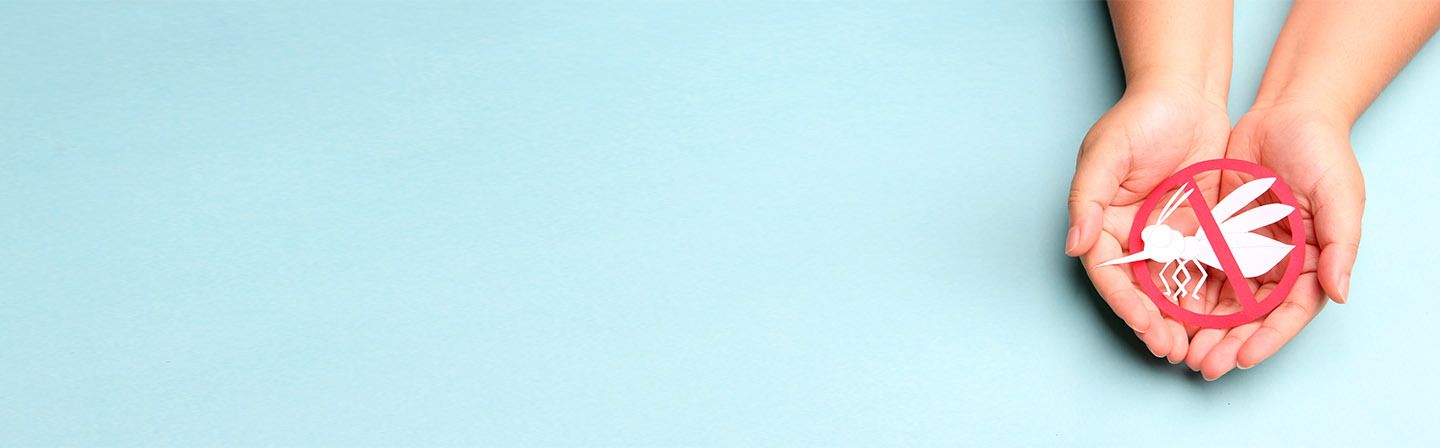
Malaria is a deadly disease spread by a mosquito that has been infected. It can cause a person to develop a fever and chills, and if not treated swiftly, the symptoms can be fatal. Malaria affects around 200 million people each year, and approximately half a million people die prematurely.
Even in modern times, half of the globe is still in danger of contracting this wholly preventable and treatable disease. While significant progress against malaria has been made in recent decades, there has been a current plateau. The globe still has a long way to go to eradicate this fatal disease.
World Malaria Day was established to reflect on the progress made by the global community in controlling and eradicating the spread of this challenging illness. The day also provides an opportunity for the Global Community, which has had significant success in combating Malaria, to re-group and assist in the battle against the control of other infectious illnesses widespread in today's society.
World Malaria Day is a gathering of individuals who participate in events and pledge to continue investing in the fight against malaria in the future. This day is a worldwide commemoration that began in 2007 when the World Health Assembly, part of the World Health Organisation, decided on it (WHO).
Several diverse organisations, including private sector companies, international organisations like “Malaria No More” or “Spread the Net,” and grassroots organisations like the “Mosquitoes Suck Tour,” have collaborated to promote this day.
One of the most important aspects of World Malaria Day is the endeavour to engage African political and government leaders, communities, and the commercial sector (where malaria cases are most prevalent). Then, please encourage them to take steps that will benefit the citizens of these countries. The movement's slogan is “Zero Malaria Starts with Me.”
When World Malaria Day had to go virtual in 2020, the day’s significance was recognised through a “virtual applause” that brought people from worldwide together via social media. The applause was intended to congratulate health professionals who fight malaria, Covid-19, and various other diseases on the front lines.
Because malaria infections and deaths are still far too high, it is critical to disseminate the facts for the disease to continue on its path to eradication. World Malaria Day increases in popularity to eradicate malaria within the next generation.
World Malaria Day is celebrated by a diverse group of individuals worldwide. As a result, this powerful group of people may undoubtedly make a difference in the future!
Highlight
- The goal of World Malaria Day is to promote awareness about the importance of malaria prevention, control, and elimination.
- This day also commemorates the ongoing progress in the fight against malaria.
- It is also necessary to educate people so that they have a better awareness of the disease malaria and how to treat it.
Here are Ten Facts About the Disease
1. Malaria is a life-threatening disease caused by parasites transmitted to humans through bites from infected female Anopheles mosquitoes. Malaria is curable and preventable.
2. Malaria control received $2.7 billion in funding in 2016. Governments of endemic countries donated almost US$800 million, accounting for about 31% of total financing for malaria control and prevention.
3. Malaria-related deaths were predicted to be over 4,45,000 in 2016. The number was 4,46,000 in 2015, which is almost similar to the statistics in 2016.
4. There were 216 million malaria cases reported in 2016, according to the World Health Organisation. There were 91 nations where these cases were documented. In 2016, there was a 5 million rises in cases compared to 2015.
5. The WHO African area has a disproportionately large percentage of the worldwide malaria burden. In 2016, the WHO African region reported 90% of malaria infections and 91% malaria deaths.
6. According to the recent World Malaria Report, the number of malaria-related fatalities among children under five decreased to 2,85,000 in 2016 from 4,40,000 in 2010.
7. In 2016, malaria was reported to pose a threat to nearly half of the world's population, with most cases occurring in Sub-Saharan Africa. Malaria has also been documented in the WHO regions of South-East Asia, Western Pacific, Eastern Mediterranean, and Americas.
8. Malaria was being transmitted in 91 countries and territories in 2016.
9. Malaria is more likely to affect children under five, infants, HIV/AIDS patients, pregnant women, mobile populations, and travellers.
10. Malaria is particularly dangerous to pregnant women. If the condition is contracted while pregnant, it can be passed on to the baby or cause low birth weight, lowering the baby's chances of survival.
Conclusion
Malaria is a sickness that can be fully prevented. It is entirely curable and cannot be spread from one person to another without using a vector (mosquito). To completely eradicate malaria, all we need to do is receive the right medicine and follow the proper measures.
FAQs
- What is World Malaria Day, and when is it observed?
World Malaria Day is observed on April 25 every year. It aims to raise global awareness about malaria, recognise progress in its control, and promote efforts toward its prevention and eventual elimination.
- What causes malaria, and how is it transmitted?
Malaria is caused by Plasmodium parasites, transmitted to humans through the bite of an infected female Anopheles mosquito. It is not spread from person to person like a cold or flu.
- What are the symptoms of malaria?
Common symptoms include fever, chills, sweating, headache, nausea, and fatigue. If not treated promptly, malaria can become severe and lead to complications like organ failure or death.
- Who is most at risk of malaria?
Children under 5, pregnant women, travellers to endemic areas, and people with weakened immune systems are at the highest risk. Malaria is most prevalent in parts of Africa, Asia, and South America.
- How can malaria be prevented?
Prevention includes using mosquito nets, repellents, wearing protective clothing, and taking antimalarial medication if travelling to high-risk areas. Eradicating mosquito breeding grounds also plays a crucial role.
- Is malaria treatable and curable?
Yes, malaria is both treatable and curable with antimalarial medications, especially if diagnosed early. However, drug resistance in some regions is a growing concern, highlighting the need for prevention and timely treatment.
Get right coverage, right premium and the right protection instantly.
 By clicking, I agree to Niva Bupa
 You may also like



Health Insurance - Health Insurance | Best Family Health Insurance | Best Health Insurance For Senior Citizens In India | Health Insurance With Opd Cover | Mediclaim Insurance | Critical Illness Insurance | Personal Accident Insurance | Mediclaim Policy | Individual Health Insurance | Maternity Insurance | Best Health Insurance company | NRI Health Insurance
Health Insurance Schemes - PMMVY Login | PMJJBY Policy Status | Swasthya Sathi Card | PMSBY | PMJJBY | Ayushman Card | PMMVY 2.0 | Ayushman Vay Vandana Card | PMMVY NIC IN रजिस्ट्रेशन | PMMVY 2.0 लॉगिन
Travel Insurance Plans - Travel Insurance | International Travel Insurance | Student Travel Insurance | Travel Insurance USA | Travel Insurance Canada | Travel Insurance Thailand | Travel Insurance Germany | Travel Insurance Dubai | Travel Insurance Bali | Travel Insurance Australia | Travel Insurance Schengen | Travel Insurance Singapore | Travel Insurance UK | Travel Insurance Vietnam | Travel Insurance Japan | Travel Insurance Spain | Travel Insurance Asia | Travel Insurance Netherlands | Travel Insurance Turkey | Travel Insurance Ireland | Travel Insurance Philippines | Travel Insurance Italy | Travel Insurance France | Travel Insurance China | Travel Insurance Georgia | Travel Insurance South Africa | Travel Insurance Maldives | Travel Insurance Portugal | Travel Insurance Malaysia | Travel Insurance Qatar | Travel Insurance Poland | Travel Insurance Greece | Travel Insurance New zealand | Travel Insurance Saudi Arabia | Travel Insurance Sri Lanka
Become an Agent - Insurance Agent
Top Hospitals - Best Hospitals in Gurgaon
Others - Ayushman Bharat | Gst Refund for NRI on Health Insurance Premium
Health & Wellness - शिलाजीत के फायदे हिंदी | Weight Gain Diet in Hindi | Sat Isabgol Uses In Hindi | Aloe Vera Juice Benefits in Hindi | Dragon Fruit Benefits in Hindi | Akal Daad in Hindi | Acidity Home Remedies in Hindi | Nikat Drishti Dosh in Hindi | Yoga Benefits in Hindi | Laung Khane ke Fayde in Hindi | Leukoplakia in Hindi | Protein in 100g Paneer | Benefits of Rice Water For Skin | B12 Deficiency Symptoms in Hindi | Fibre Foods in Hindi | Chronic Disease Meaning in Hindi | Vitamin D Foods in Hindi | Blood Urea in Hindi | Beetroot Uses Good for Health
Calculator - BMI Calculator | Pregnancy Calculator | Pregnancy Calendar Based on Conception Date | Pregnancy Conception Date Calculator | Last Menstrual Period Calculator | BMR Calculator | GFR Calculator | Ovulation Calculator



www.nivabupa.com

+91 11 30902010

1860-500-8888

CIN: L66000DL2008PLC182918
IRDAI Registration No. 145

Corporate Office: 3rd Floor, Capital Cyberscape, Sector 59, Gurgaon
Registered Office: C-98, First Floor, Lajpat Nagar, Part 1, Delhi-110024, India


