

Understanding HMPV Virus: Symptoms, Contagious Period, Treatment, and Recovery Time
8 January, 2025
6 Shares
658 Reads
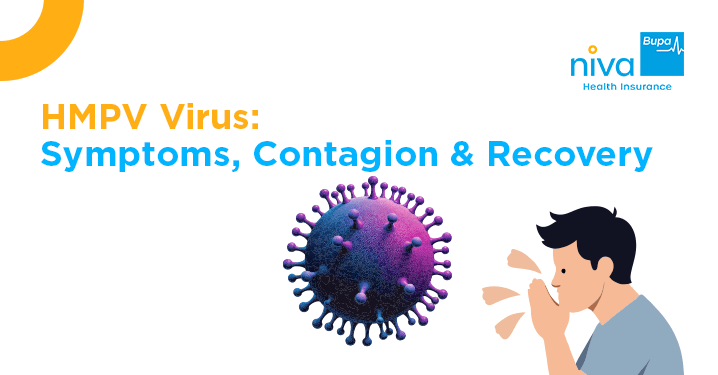
Human Metapneumovirus (HMPV) might not make the daily headlines like the flu or COVID-19, but it’s a respiratory virus that still deserves our attention. As the global healthcare group continues to study and understand various viral infections, HMPV is gradually becoming more concerning. While it may not be as well-known, it can still have a significant impact, especially on vulnerable groups such as young children, the elderly, and individuals with weakened immune systems.
Though HMPV might not stir the same level of concern as other viruses, it’s certainly not harmless. It has the potential to cause anything from mild cold-like symptoms to more severe respiratory issues like pneumonia or bronchiolitis. In some cases, it can even lead to hospital stays for those most at risk, including infants and older adults with underlying health conditions. Understanding the virus, how it spreads, and what steps to take if it affects you or your loved ones is important.
Related Article: बार-बार सर्दी-जुकाम के कारण और आसान घरेलू इलाज
What Is HMPV Virus?
HMPV primarily targets the lungs and airways, leading to respiratory tract infections that can range from mild cold-like symptoms to severe complications. It is a single-stranded RNA virus and spreads through respiratory droplets, much like the flu or common cold viruses. While anyone can contract HMPV, certain groups are at a higher risk of developing serious illness:
- Infants and Young Children: Their developing immune systems make them especially susceptible.
- Elderly Adults: Age-related immunity decline increases the risk.
- Immunocompromised Individuals: Conditions like cancer, HIV, or immunosuppressive therapy heighten vulnerability.
History of HMPV Virus
Here is a timeline of key events in the history of HMPV:
HMPV Virus Symptoms
Now that we know what is the virus about, a question may arise that what is HMPV virus symptoms and how they can vary, but they typically mimic those of other respiratory illnesses like the flu, the common cold, or COVID-19. The most common HMPV virus symptoms include:
- Cough: A persistent cough is a hallmark symptom of HMPV, especially if it leads to inflammation of the airways.
- Fever: Many individuals experience mild to moderate fever as their body fights off the virus.
- Nasal Congestion: Stuffy nose and difficulty breathing through the nose are frequent symptoms.
- Sore Throat: Like many respiratory infections, HMPV can irritate the throat, leading to soreness.
- Shortness of Breath: In more severe cases, individuals may experience difficulty breathing due to airway inflammation.
Related Article: Is Coronavirus Covered by Your Existing Health Insurance Policy?
Severe HMPV Virus Symptoms
While most cases of HMPV are mild and resolve on their own, some individuals may develop more serious complications, including:
- Bronchiolitis: This is inflammation of the small airways, typically affecting young children and infants.
- Pneumonia: This can be a more severe manifestation of HMPV, involving inflammation and infection of lung tissue.
- Exacerbation of Existing Respiratory Conditions: People with conditions like asthma or COPD may see a flare-up of symptoms.
- Ear Infections: Secondary bacterial infections of the middle ear can occur, especially in young children.
What Is HMPV Virus Contagious Period?
The HMPV virus how long contagious is a critical question for controlling its spread. Like many respiratory viruses, HMPV is spread through respiratory droplets when an infected person coughs or sneezes. The virus can also linger on surfaces for short periods, making it possible for people to contract it through touching contaminated surfaces.
The HMPV incubation period (the time from exposure to the appearance of symptoms) is generally between 3 to 6 days. Importantly, individuals can be contagious before showing symptoms, which makes containment and prevention challenging. Infected individuals can continue spreading the virus for several days, particularly while they are symptomatic. The virus is most contagious during the first few days of illness, but people can remain contagious for up to 10 days.
How to Treat HMPV Virus?
Currently, there is no specific antiviral treatment for HMPV. HMPV virus Treatment primarily focuses on symptom management and providing supportive care to the patient. The approach to treating HMPV virus typically includes:
- Rest and Hydration: Resting and staying well-hydrated allows the body to heal itself.
- Pain and Fever Relievers: Medications such as acetaminophen or ibuprofen can help manage fever and discomfort.
- Nasal Decongestants: These can alleviate nasal congestion and make breathing easier.
- Humidifiers: Adding moisture to the air can help soothe irritated airways and reduce coughing.
- Bronchodilators: For individuals who experience wheezing or shortness of breath, bronchodilators may be used to open up the airways.
- Oxygen Therapy: In severe cases where breathing becomes difficult, supplemental oxygen may be needed.
It is important to note that antibiotics are not effective against viruses like HMPV unless a secondary bacterial infection, such as an ear infection, develops.
How Long Does HMPV Virus Last?
The duration of an HMPV virus infection can vary from person to person, depending on factors such as the individual's immune system and age. In general, HMPV virus lasts from a few days to two weeks. Most individuals with a mild infection will recover within a week, though symptoms like coughing may persist for longer. In more severe cases, particularly in vulnerable individuals, recovery may take longer, and medical intervention may be necessary.
Recovery from HMPV Virus
For the majority of people, recovery from HMPV involves rest and managing symptoms until the virus runs its course. However, for high-risk populations, such as young children, older adults, and those with compromised immune systems, the recovery process can be more complicated. These individuals should be monitored closely for any signs of worsening symptoms, and early intervention can make a significant difference in preventing complications.
Related Article: All you need to know about Health Insurance plans for children
HMPV Virus Prevention
Preventing HMPV involves many of the same practices that help control the spread of other respiratory viruses, such as influenza and the common cold. Key prevention strategies include:
Bottom Line
While the HMPV virus may not be as widely known as other respiratory viruses, its potential to cause serious illness, especially in vulnerable populations, is significant. Recognising the symptoms, understanding how it spreads, and knowing how to treat and prevent the virus are crucial for safeguarding yourself and those around you. With ongoing vigilance, proper hygiene, and timely medical care, the impact of HMPV can be managed effectively, reducing the risk of complications and ensuring quicker recovery times.
FAQs
What is HMPV and how does it affect people?
Human Metapneumovirus (HMPV) is a respiratory virus that affects the lungs and airways, leading to symptoms such as cough, fever, sore throat, and shortness of breath. It can range from mild symptoms to severe respiratory distress.
How does HMPV spread, and who is at risk?
HMPV spreads primarily through respiratory droplets and aerosols from coughing or sneezing. Those at higher risk include young children, older adults, and individuals with weakened immune systems.
What are the common symptoms of HMPV virus, and how can they be recognised?
Symptoms of HMPV include cough, fever, sore throat, nasal congestion, and shortness of breath. Severe cases can lead to bronchiolitis, pneumonia, or asthma flare-ups.
Are there any treatments available for HMPV?
While there is no specific antiviral treatment, symptoms can be managed with rest, hydration, fever reducers, nasal decongestants, and bronchodilators. Severe cases may require additional medical support like oxygen therapy.
How can I protect myself from HMPV?
Preventive measures include good hand hygiene, covering your mouth and nose when coughing, wearing masks in crowded areas, and avoiding close contact with infected individuals.
How is HMPV different from the flu or COVID-19?
HMPV shares similar symptoms with the flu and COVID-19 but generally has a lower mortality rate. Unlike the flu and COVID-19, there is no vaccine for HMPV, making hygiene and health practices critical.
Is there a specific season when HMPV is more common?
HMPV infections are more common during the winter and early spring, similar to other respiratory viruses like the flu.
Get right coverage, right premium and the right protection instantly.
 By clicking, I agree to Niva Bupa
 You may also like


Health Insurance - Health Insurance | Best Family Health Insurance | Best Health Insurance For Senior Citizens In India | Health Insurance With Opd Cover | Mediclaim Insurance | Critical Illness Insurance | Personal Accident Insurance | Mediclaim Policy | Individual Health Insurance | Maternity Insurance | Best Health Insurance company | NRI Health Insurance
Health Insurance Schemes - PMMVY Login | PMJJBY Policy Status | Swasthya Sathi Card | PMSBY | PMJJBY | Ayushman Card | PMMVY 2.0 | Ayushman Vay Vandana Card | PMMVY NIC IN रजिस्ट्रेशन | PMMVY 2.0 लॉगिन
Travel Insurance Plans - Travel Insurance | International Travel Insurance | Student Travel Insurance | Travel Insurance USA | Travel Insurance Canada | Travel Insurance Thailand | Travel Insurance Germany | Travel Insurance Dubai | Travel Insurance Bali | Travel Insurance Australia | Travel Insurance Schengen | Travel Insurance Singapore | Travel Insurance UK | Travel Insurance Vietnam | Travel Insurance Japan | Travel Insurance Spain | Travel Insurance Asia | Travel Insurance Netherlands | Travel Insurance Turkey | Travel Insurance Ireland | Travel Insurance Philippines | Travel Insurance Italy | Travel Insurance France | Travel Insurance China | Travel Insurance Georgia | Travel Insurance South Africa | Travel Insurance Maldives | Travel Insurance Portugal | Travel Insurance Malaysia | Travel Insurance Qatar | Travel Insurance Poland | Travel Insurance Greece | Travel Insurance New zealand | Travel Insurance Saudi Arabia | Travel Insurance Sri Lanka
Become an Agent - Insurance Agent
Top Hospitals - Best Hospitals in Gurgaon
Others - Ayushman Bharat | Gst Refund for NRI on Health Insurance Premium
Health & Wellness - शिलाजीत के फायदे हिंदी | Weight Gain Diet in Hindi | Sat Isabgol Uses In Hindi | Aloe Vera Juice Benefits in Hindi | Dragon Fruit Benefits in Hindi | Akal Daad in Hindi | Acidity Home Remedies in Hindi | Nikat Drishti Dosh in Hindi | Yoga Benefits in Hindi | Laung Khane ke Fayde in Hindi | Leukoplakia in Hindi | Protein in 100g Paneer | Benefits of Rice Water For Skin | B12 Deficiency Symptoms in Hindi | Fibre Foods in Hindi | Chronic Disease Meaning in Hindi | Vitamin D Foods in Hindi | Blood Urea in Hindi | Beetroot Uses Good for Health
Calculator - BMI Calculator | Pregnancy Calculator | Pregnancy Calendar Based on Conception Date | Pregnancy Conception Date Calculator | Last Menstrual Period Calculator | BMR Calculator | GFR Calculator | Ovulation Calculator



www.nivabupa.com

+91 11 30902010

1860-500-8888

CIN: L66000DL2008PLC182918
IRDAI Registration No. 145

Corporate Office: 3rd Floor, Capital Cyberscape, Sector 59, Gurgaon
Registered Office: C-98, First Floor, Lajpat Nagar, Part 1, Delhi-110024, India


