

Breaking the Silence: The Need for Better Menstrual Health Awareness
5 May, 2025
2 Shares
453 Reads
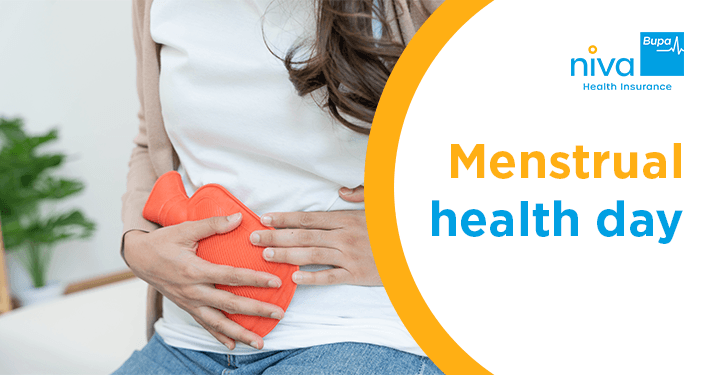
Menstruation is a vital and integral part of every woman's life, yet it is tabooed in most countries and societies of the world, even in India, with no one discussing or talking about periods. The unhygienic habits and lack of proper information because of these taboos lead to not only physical complications but also affect the mental health, education, and work efficiency of millions of women.
Safe and proper access to sanitary facilities, clean products, safe spaces, information, and rights remains an issue in rural regions as well as parts of the urban sector. Stigma about periods and a lack of infrastructure and understanding are primarily to blame for such misinformation and forgetfulness cycles. These causes infections and loss of school or work hours among girls and women, mostly those from poor regions.
Why Menstrual Hygiene Matters?
Menstrual hygiene is not only a women's matter—it's a public health and human rights matter. Maintaining good menstrual hygiene can prevent urinary tract infections, reproductive tract infections, and even cervical cancer. Educating young girls about their bodies early and empowering them to manage their periods themselves with dignity leads to healthier, more confident women in the long run.
Good menstrual hygiene includes:
- Utilising clean, safe, and proper sanitary materials
- Changing sanitary materials regularly
- Cleaning the genital area with clean water
- Proper disposal of menstrual waste
- Having access to privacy and hygiene facilities at home, in schools, or in the workplace
Tackling the Taboos and Myths
Secrecy around menstruation leads to myths like: women must not enter kitchens, temples, or even touch pickles during menstruation. All these presumptions have been in practice for centuries and must be addressed by open conversations and detailed education.
The cycle should be broken within homes and in schools. Parents, teachers, and health professionals should create safe spaces where girls can ask questions and be spoken to the truth. Boys must also be taught about menstruation to foster tolerance, understanding, and respect.
The Role of Education and Community Support
Menstrual hygiene education must be made a part of school curriculums at a very young age. Workshops, campaigns, and group discussions can perform miracles. Nonprofits local to the areas and health departments are taking impressive steps by donating sanitary products, building clean toilets in schools, and teaching girls how to use them and dispose of pads/menstrual cups. Such community-level initiatives are urgently needed:
- Giving girls and women in challenging situations free or heavily discounted sanitary products
- Enabling healthcare providers to discuss menstruation openly and respectfully
- Organising public campaigns to normalise discussing periods
These not only promote physical health but also help overcome negative social norms.
How Health Insurance Plans Can Support Menstrual Health?
Although hygiene facilities and sanitary products form the initial basis for menstrual health. Irregular menstruation, PCOS, fibroids, endometriosis, and excessive cramps are just a few of the menstrual health issues that require medical care. Consultations, diagnostic testing, and treatment can be an expense for most families when needed.
This is where health insurance policies enter the scene. The majority of comprehensive plans cover gynaecological consultations, tests, and treatments related to menstrual health issues. Such plans also provide:
- Annual health check-ups
- Specialist consultations
- Daycare procedures
- Hospitalisation in the event of menstrual health issues
Having the financial backing of a good insurance policy ensures that women do not shy away from or delay treatment due to costs.
A Timely Reminder: Menstrual Hygiene Day
Each year, May 28 marks Menstrual Hygiene Day, which remembers the highest priority of menstrual health and hygiene. Menstrual Hygiene Day, which is observed worldwide, acknowledges the plight of menstruators and appeals to individuals, communities, and governments to take action to make menstruation more inclusive.
Menstrual Hygiene Day promotes health care for everyone and respectful menstrual management. It is a reminder that health is more than eradicating illness—it begins with empowering individuals through knowledge and access.
Final Thoughts
Menstrual hygiene is not a daily problem—it's a monthly problem—it's a lifetime problem of health and dignity. By making period talk mainstream, increasing access to hygiene products, and reducing the cost of care, we can create a world where no girl or woman is held back by her period.
On this Menstrual Hygiene Day, let us vow to shatter the silence, support education, and invest in the health of half our country. And along the way, with the right health partner—like Niva Bupa—making every difference.
People Also Ask
1. What is the awareness of menstrual health?
Awareness of menstrual health includes understanding the biological process of menstruation, recognising the importance of menstrual hygiene, and dispelling myths and taboos surrounding periods. It also involves educating both girls and boys to foster a culture of openness and support.
2. What is the slogan of menstrual awareness?
A widely recognised slogan for menstrual awareness is "It’s Time for Action!", which emphasises the urgency of breaking stigma, improving access to hygiene products, and ensuring menstrual equity.
3. How do you spread awareness about your period?
You can spread awareness by having open conversations, participating in or organising menstrual health workshops, supporting NGOs that work in this space, and using social media to share facts and personal experiences without shame.
4. How to create menstrual hygiene awareness?
Creating awareness involves a combination of school-based education programs, community outreach, distribution of menstrual products, and training healthcare professionals to speak about menstruation sensitively. Engaging parents and teachers is also vital.
5. Why is menstrual health important?
Menstrual health is crucial for a woman’s overall physical, mental, and emotional well-being. It affects everything from reproductive health and infection risk to educational outcomes and workplace participation. Ensuring menstrual health means empowering women and girls to live with dignity and confidence.
Get right coverage, right premium and the right protection instantly.
 By clicking, I agree to Niva Bupa
 You may also like



Popular Searches
Health Insurance - Health Insurance | Best Family Health Insurance | Best Health Insurance For Senior Citizens In India | Health Insurance With Opd Cover | Mediclaim Insurance | Critical Illness Insurance | Personal Accident Insurance | Mediclaim Policy | Individual Health Insurance | Maternity Insurance | Best Health Insurance company | NRI Health Insurance
Health Insurance Schemes - PMMVY Login | PMJJBY Policy Status | Swasthya Sathi Card | PMSBY | PMJJBY | Ayushman Card | PMMVY 2.0 | Ayushman Vay Vandana Card | PMMVY NIC IN रजिस्ट्रेशन | PMMVY 2.0 लॉगिन
Travel Insurance Plans - Travel Insurance | International Travel Insurance | Student Travel Insurance | Travel Insurance USA | Travel Insurance Canada | Travel Insurance Thailand | Travel Insurance Germany | Travel Insurance Dubai | Travel Insurance Bali | Travel Insurance Australia | Travel Insurance Schengen | Travel Insurance Singapore | Travel Insurance UK | Travel Insurance Vietnam | Travel Insurance Japan | Travel Insurance Spain | Travel Insurance Asia | Travel Insurance Netherlands | Travel Insurance Turkey | Travel Insurance Ireland | Travel Insurance Phillipines | Travel Insurace Italy | Travel Insurance France | Travel Insurance China | Travel Insurance Georgia | Travel Insurance South Africa | Travel Insurance Maldives | Travel Insurance Portugal | Travel Insurance Malaysia | Travel Insurance Qatar | Travel Insurance Poland | Travel Insurance Greece | Travel Insurance New zealand | Travel Insurance Saudi Arabia | Travel Insurance Sri Lanka
Become an Agent - Insurance Agent | IRDA Certificate Download | IRDA Exam Syllabus | IRDA exam fee | Paise Kaise Kamaye | Ghar Baithe Paise Kaise Kamaye
Top Hospitals - Best Hospitals in Gurgaon
Others - Ayushman Bharat | Gst Refund for NRI on Health Insurance Premium
Health & Wellness - शिलाजीत के फायदे हिंदी | Weight Gain Diet in Hindi | Sat Isabgol Uses In Hindi | Aloe Vera Juice Benefits in Hindi | Dragon Fruit Benefits in Hindi | Akal Daad in Hindi | Acidity Home Remedies in Hindi | Nikat Drishti Dosh in Hindi | Yoga Benefits in Hindi | Laung Khane ke Fayde in Hindi | Leukoplakia in Hindi | Protien in 100g Paneer | Benefits of Rice Water For Skin | B12 Deficiency Symptoms in Hindi | Fibre Foods in Hindi | Chronic Disease Meaning in Hindi | Vitamin D Foods in Hindi | Blood Urea in Hindi | Beetroot Uses Good for Health
Calculator - BMI Calculator | Pregnancy Calculator | Pregnancy Calendar Based on Conception Date | Pregnancy Conception Date Calculator | Last Menstrual Period Calculator | BMR Calculator | GFR Calculator | Ovulation Calculator



www.nivabupa.com

+91 11 30902010

1860-500-8888

CIN: L66000DL2008PLC182918
IRDAI Registration No. 145

Corporate Office: 3rd Floor, Capital Cyberscape, Sector 59, Gurgaon
Registered Office: C-98, First Floor, Lajpat Nagar, Part 1, Delhi-110024, India


