

What is Hypertension? Understanding Signs and Symptoms of Hypertension
19 September, 2024
11 Shares
2176 Reads
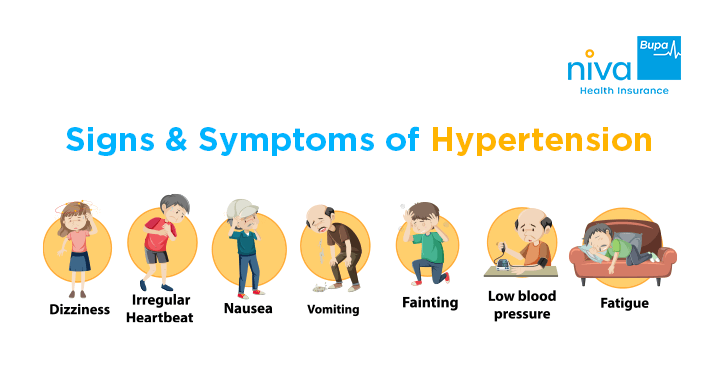
Hypertension, commonly known as high blood pressure, is often dubbed the "silent killer" due to its insidious nature. Many people with hypertension might not even realise they have it until it manifests in severe health complications. Recognising the signs and symptoms of hypertension is crucial for early intervention and management.
This blog will delve into hypertension's critical signs and symptoms, distinguish between primary and secondary hypertension, and offer guidance on when to seek medical attention.
What is Hypertension
Hypertension is a condition in which the blood pressure in the arteries is persistently elevated. Blood pressure is measured in millimetres of mercury (mmHg) and recorded as two numbers: systolic pressure (the pressure when the heart beats) over diastolic pressure (the pressure when the heart is at rest between beats). Normal blood pressure is typically around 120/80 mmHg.
Primary vs. Secondary Hypertension
- Primary Hypertension: Also known as essential hypertension, this is the most common type, affecting about 90-95% of people with high blood pressure. The exact cause of primary hypertension is unknown, but it is linked to genetic factors, poor diet, lack of physical activity, and obesity.
- Secondary Hypertension: This type accounts for about 5-10% of hypertension cases and is caused by underlying conditions such as kidney disease, adrenal gland disorders, or certain medications. Secondary hypertension tends to appear suddenly and causes higher blood pressure than primary hypertension.
Signs and Symptoms of Hypertension
Despite its reputation as a silent condition, hypertension can present various signs and symptoms that should never be ignored.
Headaches
Persistent headaches, especially in the morning, can be an early sign of elevated blood pressure. These headaches are often described as throbbing or pulsating and can be accompanied by dizziness or visual disturbances. If you experience frequent headaches, checking your blood pressure regularly is crucial.
Shortness of Breath
Hypertension can lead to shortness of breath, particularly during physical activities. This occurs because high blood pressure can strain the heart and lungs, making it harder to breathe. If you notice unexplained breathlessness, especially when performing routine tasks, consult a healthcare professional.
Chest Pain
Chest pain, also known as angina, can be a symptom of high blood pressure. This pain is usually a sign that the heart is struggling to pump blood efficiently. While chest pain can indicate various conditions, it's essential to rule out hypertension as a potential cause.
Nosebleeds
Frequent nosebleeds are another potential sign of uncontrolled hypertension. High blood pressure can cause the delicate blood vessels in the nose to rupture more easily, leading to nosebleeds. If you experience recurrent nosebleeds, monitoring your blood pressure levels is advisable.
Vision Problems
Blurred or double vision can occur when hypertension damages the blood vessels in the eyes. This condition, known as hypertensive retinopathy, can lead to severe vision problems if left untreated. Regular eye check-ups can help detect any changes related to high blood pressure.
Fatigue
Chronic fatigue and general tiredness can be related to high blood pressure. Hypertension forces the heart to work harder, leading to decreased energy levels. If you feel unusually fatigued despite adequate rest, it might be time to check your blood pressure.
Irregular Heartbeat
An irregular heartbeat, or arrhythmia, can be a sign of hypertension. High blood pressure can affect the heart's electrical system, leading to abnormal heart rhythms. If you notice palpitations or an irregular heartbeat, seek medical advice promptly.
Blood in Urine
The presence of blood in the urine can be indicative of secondary hypertension caused by kidney disease. Hypertension can damage the kidneys over time, leading to complications that manifest as blood in the urine. Regular urine tests can help in early detection and management.
When to Seek Medical Attention
Recognising the signs and symptoms of hypertension is the first step in managing the condition. If you experience any of the symptoms mentioned above, it's essential to consult a healthcare professional. Regular blood pressure screenings are crucial, especially if you have risk factors such as a family history of hypertension, obesity, a sedentary lifestyle, or a high-sodium diet.
Prevention and Management
While primary hypertension cannot be cured, it can be effectively managed through lifestyle changes and medication. Here are some tips to help prevent and manage hypertension:
- Maintain a Healthy Diet: Reduce salt intake and eat plenty of fruits, vegetables, whole grains, and lean proteins.
- Exercise Regularly: Aim for at least 150 minutes of moderate-intensity exercise per week.
- Maintain a Healthy Weight: Losing excess weight can significantly lower blood pressure.
- Limit Alcohol and Quit Smoking: Both can raise blood pressure and contribute to cardiovascular disease.
- Monitor Your Blood Pressure: Regular monitoring can help you and your healthcare provider adjust your treatment plan.
Final Thoughts
Hypertension is a serious condition that can lead to severe health complications if left unchecked. By understanding the signs and symptoms of hypertension and seeking timely medical intervention, you can effectively manage and reduce the risk of associated health issues.
If you or a loved one are concerned about hypertension, consider the comprehensive health plans offered by Niva Bupa. With tailored coverage options and a commitment to your well-being, Niva Bupa can provide the support you need to manage your health effectively. Visit Niva Bupa today to learn more about how their plans can help you lead a healthier life.
FAQ
What is hypertension?
Hypertension, or high blood pressure, is a chronic condition where the force of blood against the artery walls is consistently too high. This increases the risk of heart disease, stroke, and kidney failure. Blood pressure is measured in millimetres of mercury (mmHg) and is considered high when it exceeds 130/80 mmHg. Since hypertension often has no noticeable symptoms, it is known as the “silent killer,” making regular monitoring and a healthy lifestyle crucial for prevention and management.
What are the common symptoms of hypertension?
Most people with hypertension experience no symptoms, even when their blood pressure is dangerously high. However, in some cases, individuals may experience headaches, dizziness, blurred vision, chest pain, or shortness of breath. Severe hypertension can also lead to nosebleeds and confusion. Since symptoms are not always apparent, regular blood pressure checks are essential to detect and manage hypertension early, preventing complications such as heart attacks and strokes.
What causes hypertension?
Hypertension can result from a combination of lifestyle, genetic, and medical factors. Common causes include excessive salt intake, obesity, lack of physical activity, chronic stress, smoking, and excessive alcohol consumption. Underlying health conditions like kidney disease, hormonal imbalances, and sleep apnea can also contribute to high blood pressure. In some cases, hypertension runs in families, making regular monitoring important for those with a genetic predisposition to high blood pressure.
How is hypertension diagnosed?
Hypertension is diagnosed through regular blood pressure measurements using a sphygmomanometer. A reading of 130/80 mmHg or higher on multiple occasions indicates high blood pressure. Doctors may also recommend additional tests such as blood tests, urine analysis, and ECGs to determine any underlying causes or complications. Since blood pressure fluctuates throughout the day, monitoring it consistently and in different settings helps ensure an accurate diagnosis.
Can hypertension be prevented?
Yes, hypertension can often be prevented with a healthy lifestyle. Maintaining a balanced diet rich in fruits, vegetables, and low-sodium foods, staying physically active, managing stress, limiting alcohol consumption, and avoiding smoking can help regulate blood pressure. Regular health checkups and monitoring blood pressure at home can also help in early detection and management. For individuals with a family history of hypertension, adopting these preventive measures is even more critical.
What are the complications of untreated hypertension?
If left untreated, hypertension can lead to severe health complications, including heart disease, stroke, kidney damage, and vision loss. It increases the risk of aneurysms, cognitive decline, and heart failure. Persistent high blood pressure can also affect blood vessels, leading to reduced oxygen supply to vital organs. Managing hypertension through lifestyle changes and, if necessary, medications can significantly reduce the risk of these life-threatening complications.
Get right coverage, right premium and the right protection instantly.
 By clicking, I agree to Niva Bupa
 You may also like

Health Insurance - Health Insurance | Best Family Health Insurance | Best Health Insurance For Senior Citizens In India | Health Insurance With Opd Cover | Mediclaim Insurance | Critical Illness Insurance | Personal Accident Insurance | Mediclaim Policy | Individual Health Insurance | Maternity Insurance | Best Health Insurance company | NRI Health Insurance
Health Insurance Schemes - PMMVY Login | PMJJBY Policy Status | Swasthya Sathi Card | PMSBY | PMJJBY | Ayushman Card | PMMVY 2.0 | Ayushman Vay Vandana Card | PMMVY NIC IN रजिस्ट्रेशन | PMMVY 2.0 लॉगिन
Travel Insurance Plans - Travel Insurance | International Travel Insurance | Student Travel Insurance | Travel Insurance USA | Travel Insurance Canada | Travel Insurance Thailand | Travel Insurance Germany | Travel Insurance Dubai | Travel Insurance Bali | Travel Insurance Australia | Travel Insurance Schengen | Travel Insurance Singapore | Travel Insurance UK | Travel Insurance Vietnam | Travel Insurance Japan | Travel Insurance Spain | Travel Insurance Asia | Travel Insurance Netherlands | Travel Insurance Turkey | Travel Insurance Ireland | Travel Insurance Philippines | Travel Insurance Italy | Travel Insurance France | Travel Insurance China | Travel Insurance Georgia | Travel Insurance South Africa | Travel Insurance Maldives | Travel Insurance Portugal | Travel Insurance Malaysia | Travel Insurance Qatar | Travel Insurance Poland | Travel Insurance Greece | Travel Insurance New zealand | Travel Insurance Saudi Arabia | Travel Insurance Sri Lanka
Become an Agent - Insurance Agent
Top Hospitals - Best Hospitals in Gurgaon
Others - Ayushman Bharat | Gst Refund for NRI on Health Insurance Premium
Health & Wellness - शिलाजीत के फायदे हिंदी | Weight Gain Diet in Hindi | Sat Isabgol Uses In Hindi | Aloe Vera Juice Benefits in Hindi | Dragon Fruit Benefits in Hindi | Akal Daad in Hindi | Acidity Home Remedies in Hindi | Nikat Drishti Dosh in Hindi | Yoga Benefits in Hindi | Laung Khane ke Fayde in Hindi | Leukoplakia in Hindi | Protein in 100g Paneer | Benefits of Rice Water For Skin | B12 Deficiency Symptoms in Hindi | Fibre Foods in Hindi | Chronic Disease Meaning in Hindi | Vitamin D Foods in Hindi | Blood Urea in Hindi | Beetroot Uses Good for Health
Calculator - BMI Calculator | Pregnancy Calculator | Pregnancy Calendar Based on Conception Date | Pregnancy Conception Date Calculator | Last Menstrual Period Calculator | BMR Calculator | GFR Calculator | Ovulation Calculator



www.nivabupa.com

+91 11 30902010

1860-500-8888

CIN: L66000DL2008PLC182918
IRDAI Registration No. 145

Corporate Office: 3rd Floor, Capital Cyberscape, Sector 59, Gurgaon
Registered Office: C-98, First Floor, Lajpat Nagar, Part 1, Delhi-110024, India


