

Blood Test to Check Kidney Function: What It Involves
19 December, 2024
12 Shares
683 Reads
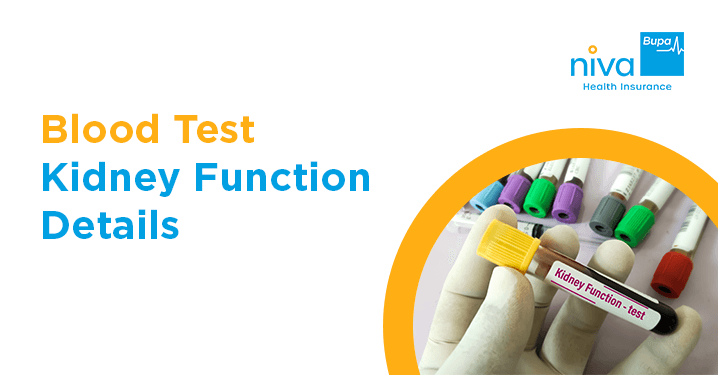
Kidney function is a crucial indicator of overall health. The kidneys filter waste, balance electrolytes, regulate blood pressure, and produce hormones necessary for other vital bodily functions. When the kidneys are not working properly, it can lead to various complications, some of which can be life-threatening. Therefore, it is essential to monitor kidney health, especially if there are risk factors such as diabetes, hypertension, or a family history of kidney disease. One of the most effective ways to assess kidney function is through a blood test to check kidney function.
Why is it Important to Check Kidney Function?
Kidney disease often progresses silently, with few symptoms until significant damage has already occurred. Regular monitoring through kidney diagnostic tests can help detect any issues early, enabling timely treatment. Blood tests are among the primary diagnostic tools healthcare professionals use to assess how well the kidneys are functioning.
People with chronic conditions such as high blood pressure, diabetes, or heart disease are particularly at risk for developing kidney problems. Anyone taking medications that might affect kidney health should also consider routine testing.
Blood Test to Check Kidney Function: Key Components
A blood test to check kidney function typically focuses on specific markers that reflect how well the kidneys filter waste and maintain balance within the body. The most common blood tests to assess kidney function are the serum creatinine test and the Blood Urea Nitrogen (BUN) test. These tests are often part of a larger panel that may include electrolyte levels and a glomerular filtration rate (GFR) estimate.
Serum Creatinine Test
Creatinine is a waste product produced by muscles during normal wear and tear. The kidneys filter creatinine out of the blood and excrete it through urine. When the kidney does not function properly, creatinine levels in the blood rise.
A serum creatinine test determines the amount of creatinine in your blood. Elevated levels can indicate impaired kidney function, but the results are often compared to the person’s age, sex, and muscle mass to give a clearer picture.
Blood Urea Nitrogen (BUN) Test
Urea is a byproduct of protein metabolism, and like creatinine, it is filtered out of the blood by the kidneys. The Blood Urea Nitrogen (BUN) test measures the amount of urea nitrogen in the blood. High urea levels may suggest that the kidneys are not effectively filtering waste.
Glomerular Filtration Rate (GFR)
The GFR is not measured directly but is estimated using a formula that factors in the serum creatinine test result, along with the individual’s age, sex, and ethnicity. It gives a more accurate picture of kidney function by estimating how well the kidneys filter blood per minute. A GFR value of 90 or above is considered normal, while a GFR of 60-89 indicates mild kidney damage. A GFR below 60 suggests moderate to severe kidney damage, and a GFR below 15 may indicate kidney failure.
Electrolytes
Kidneys play a critical role in maintaining the balance of the blood's electrolytes, such as sodium, potassium, and bicarbonate. Abnormal levels of these electrolytes could indicate impaired kidney function. Electrolyte imbalances can lead to various health problems, such as irregular heartbeats, muscle weakness, and fluid retention.
What to Expect During a Kidney Function Blood Test?
A kidney function blood test is a simple procedure. Here’s what you can expect:
Preparation
Depending on the test or if it's part of a broader health panel, your healthcare provider may ask you to fast for several hours before the blood draw. You must inform your doctor about your medications, as some drugs may affect the test results.
Blood Draw
A healthcare professional draws blood from a vein, usually in your arm. The entire process typically takes only a few minutes, and the discomfort is minimal. After the sample is collected, it is sent to a laboratory for analysis.
Results
Your doctor will receive the results, usually within a few days, and discuss them with you. Further tests may be recommended if any abnormalities are found, including additional kidney diagnostic tests such as urine tests or imaging scans.
Additional Kidney Diagnostic Tests
While blood tests are essential for checking kidney function, they are often accompanied by other diagnostic tests to better understand kidney health. These may include:
- Urine Tests: A urinalysis can detect protein, blood, or other substances in the urine, which may indicate kidney damage.
- Imaging Tests: Ultrasounds or CT scans provide visual images of the kidneys and can help detect blockages, tumours, or structural abnormalities.
- Kidney Biopsy: In some cases, a small tissue sample may be taken from the kidney for further examination, particularly if a more specific diagnosis is needed.
To Sum Up
A kidney function blood test is a simple yet powerful tool for assessing kidney function. Regular testing, especially for individuals at risk of kidney disease, is essential for early detection and management. In conjunction with other kidney diagnostic tests, these blood tests provide valuable insights into kidney health, allowing you and your healthcare provider to take the necessary steps to protect this vital organ system.
If you're concerned about your kidney function or fall into a high-risk category, speak to your healthcare provider about getting a blood test to check kidney function. Niva Bupa offers that early detection can make all the difference in maintaining long-term health.
FAQ
What is a kidney function blood test, and why is it important?
A kidney function blood test measures how effectively the kidneys filter waste and balance fluids in the body. It is crucial for detecting early signs of kidney disease, especially in individuals with high blood pressure, diabetes, or other risk factors. These tests can help prevent complications and guide necessary treatments by assessing kidney health early.
What markers are measured in a kidney function blood test?
Key markers include creatinine, a waste product filtered by the kidneys, and Blood Urea Nitrogen (BUN), which indicates protein breakdown. The Glomerular Filtration Rate (GFR) is also calculated to assess how efficiently the kidneys are functioning. Elevated creatinine or BUN levels may indicate reduced kidney function, dehydration, or other concerns.
When should someone have a kidney function test?
Doctors may recommend a kidney function test if someone shows signs of kidney problems, such as swelling in the legs, reduced urine output, or persistent fatigue. Individuals with conditions like diabetes or heart disease are also advised to undergo routine kidney function checks. Early testing is especially important if there’s a family history of kidney issues.
How is a kidney function blood test performed?
The test involves drawing a small blood sample, typically from the arm. The procedure is quick and minimally uncomfortable, and most people can resume normal activities immediately afterward. The sample is sent to a lab, where kidney function markers are carefully analysed to provide an accurate assessment.
What can cause abnormal kidney function test results?
Abnormal results may point to dehydration, infection, or impaired kidney function. Conditions like diabetes, high blood pressure, and certain medications can also affect kidney health. Doctors may recommend lifestyle changes, medication adjustments, or further tests to identify the cause. In some cases, dietary modifications and improved hydration can significantly improve kidney function.
How can someone improve their kidney health?
A balanced diet low in salt and processed foods supports kidney function. Staying hydrated, maintaining healthy blood pressure, and controlling blood sugar levels are also vital. Avoiding excessive painkiller use and following prescribed treatments can further protect kidney health. Regular check-ups ensure early detection of potential concerns, giving individuals the best chance to manage their kidney health effectively.
Get right coverage, right premium and the right protection instantly.
 By clicking, I agree to Niva Bupa
 You may also like



Health Insurance - Health Insurance | Best Family Health Insurance | Best Health Insurance For Senior Citizens In India | Health Insurance With Opd Cover | Mediclaim Insurance | Critical Illness Insurance | Personal Accident Insurance | Mediclaim Policy | Individual Health Insurance | Maternity Insurance | Best Health Insurance company | NRI Health Insurance
Health Insurance Schemes - PMMVY Login | PMJJBY Policy Status | Swasthya Sathi Card | PMSBY | PMJJBY | Ayushman Card | PMMVY 2.0 | Ayushman Vay Vandana Card | PMMVY NIC IN रजिस्ट्रेशन | PMMVY 2.0 लॉगिन
Travel Insurance Plans - Travel Insurance | International Travel Insurance | Student Travel Insurance | Travel Insurance USA | Travel Insurance Canada | Travel Insurance Thailand | Travel Insurance Germany | Travel Insurance Dubai | Travel Insurance Bali | Travel Insurance Australia | Travel Insurance Schengen | Travel Insurance Singapore | Travel Insurance UK | Travel Insurance Vietnam | Travel Insurance Japan | Travel Insurance Spain | Travel Insurance Asia | Travel Insurance Netherlands | Travel Insurance Turkey | Travel Insurance Ireland | Travel Insurance Philippines | Travel Insurance Italy | Travel Insurance France | Travel Insurance China | Travel Insurance Georgia | Travel Insurance South Africa | Travel Insurance Maldives | Travel Insurance Portugal | Travel Insurance Malaysia | Travel Insurance Qatar | Travel Insurance Poland | Travel Insurance Greece | Travel Insurance New zealand | Travel Insurance Saudi Arabia | Travel Insurance Sri Lanka
Become an Agent - Insurance Agent
Top Hospitals - Best Hospitals in Gurgaon
Others - Ayushman Bharat | Gst Refund for NRI on Health Insurance Premium
Health & Wellness - शिलाजीत के फायदे हिंदी | Weight Gain Diet in Hindi | Sat Isabgol Uses In Hindi | Aloe Vera Juice Benefits in Hindi | Dragon Fruit Benefits in Hindi | Akal Daad in Hindi | Acidity Home Remedies in Hindi | Nikat Drishti Dosh in Hindi | Yoga Benefits in Hindi | Laung Khane ke Fayde in Hindi | Leukoplakia in Hindi | Protein in 100g Paneer | Benefits of Rice Water For Skin | B12 Deficiency Symptoms in Hindi | Fibre Foods in Hindi | Chronic Disease Meaning in Hindi | Vitamin D Foods in Hindi | Blood Urea in Hindi | Beetroot Uses Good for Health
Calculator - BMI Calculator | Pregnancy Calculator | Pregnancy Calendar Based on Conception Date | Pregnancy Conception Date Calculator | Last Menstrual Period Calculator | BMR Calculator | GFR Calculator | Ovulation Calculator



www.nivabupa.com

+91 11 30902010

1860-500-8888

CIN: L66000DL2008PLC182918
IRDAI Registration No. 145

Corporate Office: 3rd Floor, Capital Cyberscape, Sector 59, Gurgaon
Registered Office: C-98, First Floor, Lajpat Nagar, Part 1, Delhi-110024, India


