

Lung Cancer Diagnosis Test: Essential Screenings
19 December, 2024
10 Shares
478 Reads
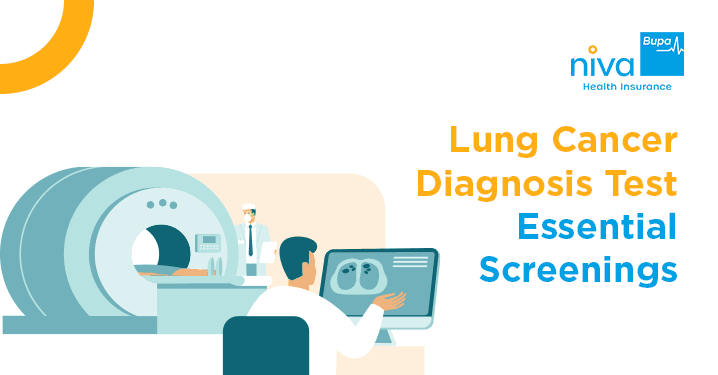
Lung cancer is one of the most commonly diagnosed cancers worldwide, often discovered at an advanced stage when treatment options may be limited. Early detection through proper screening can significantly improve outcomes. If caught in the early stages, lung cancer can be treated more effectively, which is why it is vital to undergo regular Lung Cancer Diagnosis Tests (LCDT), particularly if you are at high risk.
Understanding the Risk Factors
Before delving into the various LCDTs, it is important to understand the risk factors that increase the likelihood of developing lung cancer. Individuals who have a history of smoking or exposure to second-hand smoke are at the greatest risk. Additionally, exposure to environmental toxins such as asbestos, radon, and other hazardous chemicals can also elevate the risk of lung cancer. Genetics may play a role as well, particularly if there is a family history of cancer. Lastly, age is another factor, with most lung cancer diagnoses occurring in individuals over the age of 55.
If you fall into any of these categories, routine screening is critical for catching potential abnormalities before they progress into more serious conditions.
Types of Lung Cancer Diagnosis Tests
Several LCDTs are available to detect the disease at its earliest stages. Here are the most commonly used screening methods:
Low-Dose Computed Tomography (LDCT)
LDCT is one of the most effective screening tools for lung cancer. It is a type of CT scan that uses lower doses of radiation than traditional methods, making it a safer option, especially for routine checks. This scan creates detailed cross-sectional images of the lungs, enabling doctors to detect any abnormalities or suspicious growths that may indicate lung cancer.
Studies have shown that LDCT can reduce the mortality rate from lung cancer, particularly in high-risk individuals, by detecting cancerous nodules when they are small and still treatable.
Chest X-rays
Although less sensitive than LDCT, chest X-rays are still widely used for initial lung cancer screenings. In a chest X-ray, images of the lungs are captured to identify any visible abnormalities such as tumours, unusual masses, or fluid accumulation. However, chest X-rays may not always pick up smaller nodules, leading to a risk of false negatives.
Due to its limitations, chest X-rays are typically used alongside other, more advanced LCDTs.
Sputum Cytology
A sputum cytology test may be recommended for individuals exhibiting symptoms like persistent coughing or blood-tinged sputum. In this test, sputum (mucus from the lungs) is examined under a microscope to check for the presence of cancer cells. This test is particularly useful for diagnosing lung cancers originating in the airways, such as squamous cell carcinoma.
While sputum cytology can help detect lung cancer, it may not identify all types of cancer, so it is often used with imaging techniques for a more comprehensive evaluation.
Biopsy
If an abnormality is found during imaging, a biopsy may be performed to confirm whether it is cancerous. A biopsy involves removing a small tissue sample from the lung or surrounding area, which is then analysed in a laboratory. There are several methods of performing a biopsy, including:
- Needle Biopsy: A needle is inserted through the chest wall to extract tissue.
- Bronchoscopy: A flexible tube with a camera is inserted through the nose or mouth to reach the lungs and collect a tissue sample.
- Surgical Biopsy: In some cases, surgery may be required to remove a larger portion of tissue for testing.
Positron Emission Tomography (PET) Scan
PET scans are often used with CT scans to provide detailed information about lung abnormalities. In a PET scan, a radioactive substance is injected into the bloodstream. Cancer cells absorb the substance more quickly than normal cells, making it easier to identify cancerous growths. This test helps determine if the cancer has spread to other body areas.
Importance of Early Detection
Early detection is key to treating lung cancer. Regular LCDTs can detect the disease before symptoms appear, providing a better chance of successful treatment. Research indicates that individuals who undergo routine screenings have a much higher survival rate than those diagnosed after the onset of symptoms.
For high-risk individuals, particularly long-term smokers and those exposed to other risk factors, annual lung cancer screenings can be a life-saving measure. If diagnosed early, lung cancer treatment options such as surgery, radiation therapy, and chemotherapy are more effective, with less aggressive intervention needed.
Conclusion: When to Seek a Lung Cancer Diagnosis Test
If you are in a high-risk group or have noticed potential symptoms of lung cancer, it is crucial to consult with a healthcare provider about scheduling a lung cancer diagnosis test. Early screening can make all the difference in treatment success and survival rates. Whether through LDCT, X-rays or more invasive techniques like biopsies, these tests offer a comprehensive approach to identifying lung cancer at its earliest and most treatable stages.
Take control of your lung health today—schedule your lung cancer screening early for the best chance at timely treatment and improved outcomes. Visit Niva Bupa to explore health insurance plans that cover essential diagnostic tests and secure your future well-being.
FAQ
What tests are commonly used to diagnose lung cancer?
Lung cancer diagnosis often involves a combination of imaging tests and tissue sampling. Chest X-rays, CT scans, and PET scans help detect suspicious growths, while biopsy procedures such as bronchoscopy or needle biopsy confirm whether the tissue is cancerous. These tests provide crucial insights for determining the stage and type of lung cancer.
How effective are lung cancer screening tests?
Low-dose Computed Tomography (LDCT) is the most effective screening tool for detecting lung cancer early. It is especially recommended for individuals with a history of heavy smoking or other risk factors. Early detection through LDCT has been proven to improve survival rates by enabling timely treatment.
Who should consider lung cancer screening?
Lung cancer screening is recommended for adults aged 50 to 80 with a history of heavy smoking or those who have quit smoking in the past 15 years. People with a strong family history of lung cancer or prolonged exposure to carcinogens like asbestos may also benefit from regular screening.
What does a lung biopsy involve?
A lung biopsy involves extracting a small tissue sample for examination. This can be done using a thin needle, a bronchoscope, or surgical methods. The sample is analysed to determine if cancer cells are present and identify the type of lung cancer, aiding doctors in developing a tailored treatment plan.
Are lung cancer diagnostic tests risky?
While imaging tests like CT scans involve minimal radiation exposure, the risks are generally outweighed by the benefits of early detection. Biopsy procedures may carry minor risks such as infection or bleeding, but these complications are uncommon. Healthcare providers assess each patient's condition before recommending suitable tests.
How can someone prepare for lung cancer diagnostic tests?
Preparation depends on the specific test. For imaging scans, patients may need to avoid food or drink for several hours. For biopsies, patients may receive instructions about adjusting medications or fasting before the procedure. Following the doctor’s guidance closely ensures accurate results and a smooth process.
Get right coverage, right premium and the right protection instantly.
 By clicking, I agree to Niva Bupa
 You may also like



Health Insurance - Health Insurance | Best Family Health Insurance | Best Health Insurance For Senior Citizens In India | Health Insurance With Opd Cover | Mediclaim Insurance | Critical Illness Insurance | Personal Accident Insurance | Mediclaim Policy | Individual Health Insurance | Maternity Insurance | Best Health Insurance company | NRI Health Insurance
Health Insurance Schemes - PMMVY Login | PMJJBY Policy Status | Swasthya Sathi Card | PMSBY | PMJJBY | Ayushman Card | PMMVY 2.0 | Ayushman Vay Vandana Card | PMMVY NIC IN रजिस्ट्रेशन | PMMVY 2.0 लॉगिन
Travel Insurance Plans - Travel Insurance | International Travel Insurance | Student Travel Insurance | Travel Insurance USA | Travel Insurance Canada | Travel Insurance Thailand | Travel Insurance Germany | Travel Insurance Dubai | Travel Insurance Bali | Travel Insurance Australia | Travel Insurance Schengen | Travel Insurance Singapore | Travel Insurance UK | Travel Insurance Vietnam | Travel Insurance Japan | Travel Insurance Spain | Travel Insurance Asia | Travel Insurance Netherlands | Travel Insurance Turkey | Travel Insurance Ireland | Travel Insurance Philippines | Travel Insurance Italy | Travel Insurance France | Travel Insurance China | Travel Insurance Georgia | Travel Insurance South Africa | Travel Insurance Maldives | Travel Insurance Portugal | Travel Insurance Malaysia | Travel Insurance Qatar | Travel Insurance Poland | Travel Insurance Greece | Travel Insurance New zealand | Travel Insurance Saudi Arabia | Travel Insurance Sri Lanka
Become an Agent - Insurance Agent
Top Hospitals - Best Hospitals in Gurgaon
Others - Ayushman Bharat | Gst Refund for NRI on Health Insurance Premium
Health & Wellness - शिलाजीत के फायदे हिंदी | Weight Gain Diet in Hindi | Sat Isabgol Uses In Hindi | Aloe Vera Juice Benefits in Hindi | Dragon Fruit Benefits in Hindi | Akal Daad in Hindi | Acidity Home Remedies in Hindi | Nikat Drishti Dosh in Hindi | Yoga Benefits in Hindi | Laung Khane ke Fayde in Hindi | Leukoplakia in Hindi | Protein in 100g Paneer | Benefits of Rice Water For Skin | B12 Deficiency Symptoms in Hindi | Fibre Foods in Hindi | Chronic Disease Meaning in Hindi | Vitamin D Foods in Hindi | Blood Urea in Hindi | Beetroot Uses Good for Health
Calculator - BMI Calculator | Pregnancy Calculator | Pregnancy Calendar Based on Conception Date | Pregnancy Conception Date Calculator | Last Menstrual Period Calculator | BMR Calculator | GFR Calculator | Ovulation Calculator



www.nivabupa.com

+91 11 30902010

1860-500-8888

CIN: L66000DL2008PLC182918
IRDAI Registration No. 145

Corporate Office: 3rd Floor, Capital Cyberscape, Sector 59, Gurgaon
Registered Office: C-98, First Floor, Lajpat Nagar, Part 1, Delhi-110024, India


