

Atelectasis Disease: Causes, Symptoms & Treatment
28 July, 2026
9 Shares
69 Reads
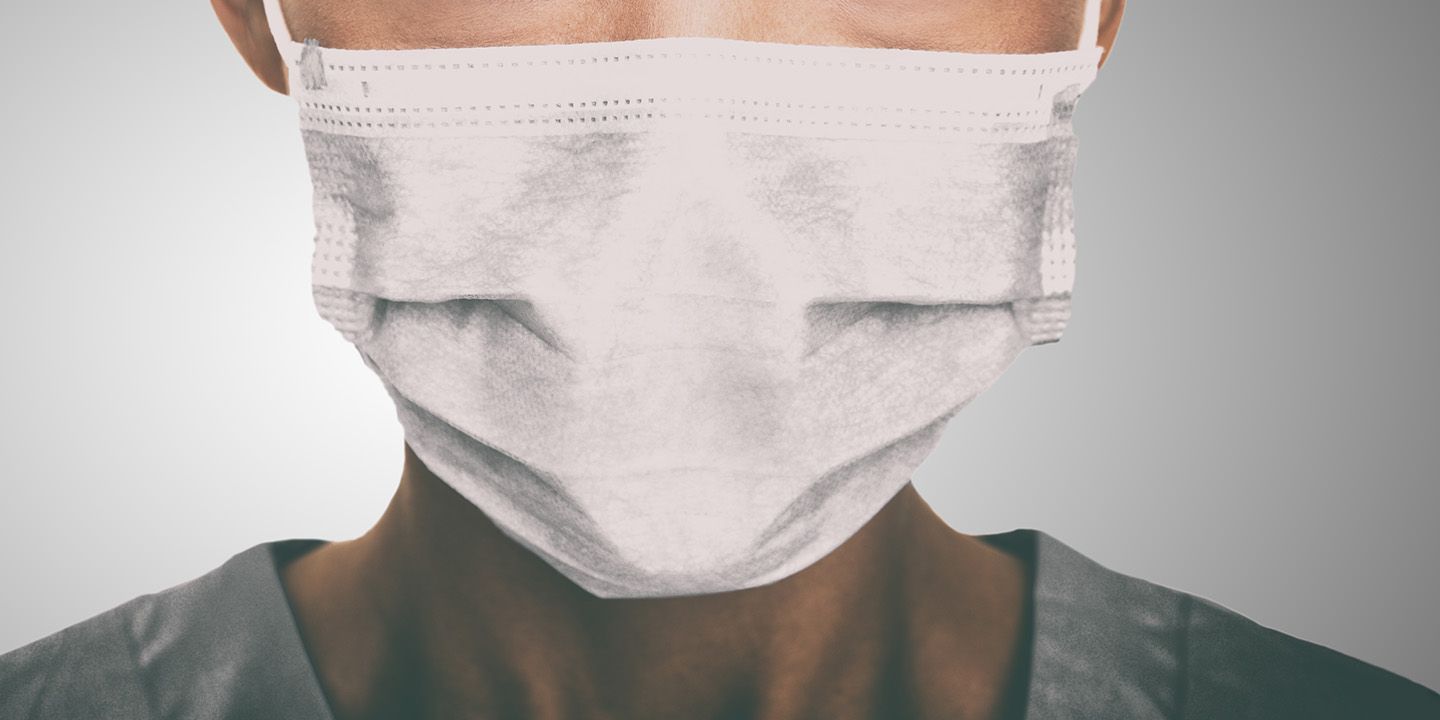
It is very important for the body to receive proper oxygen. And for this healthy lungs must fully expand with each breath. You might face difficulty in breathing when a part of the lung does not expand correctly. Atelectasis is a common respiratory issue which is often disregarded. Early detection of atelectasis symptoms can significantly impact recovery and prevent complications.
What is Atelectasis?
Atelectasis disease is a condition in which one part or all of a lung collapses. In this situation, the tiny air sacs within the lungs, called alveoli, are unable to expand properly. These air sacs are really important for the proper functioning of your lungs. They allow oxygen to enter the bloodstream and carbon dioxide to leave the body.
If they don’t function properly, it reduces the amount of oxygen available to the body. Atelectasis is one of the most common breathing complications after a surgery. The treatment for the same depends on what’s causing the collapse and the severity of the same.
How Does Atelectasis Affect Oxygen Exchange?
Healthy lungs contain lakhs of tiny air sacs called alveoli, this is the place from where oxygen enters the bloodstream and carbon dioxide is also removed from the body. The whole process is known as gas exchange.
If you have atelectasis disease, some alveoli collapse or are unable to inflate properly, preventing the exchange of gases. As a result of this less oxygen reaches the bloodstream, which may cause symptoms like shortness of breath and low oxygen levels.
What are the Common Symptoms of Atelectasis?
The symptoms of atelectasis depends on the size of the affected area and the reasons behind the same. In some cases, when only a small area is affected there might not be any clear signs or symptoms. But common symptoms of atelectasis disease may include:
- Shortness of breath
- Rapid or shallow breathing
- Persistent cough
- Wheezing
- Chest pain or discomfort
- Difficulty taking deep breaths
- Low blood oxygen levels
- Increased heart rate
When Should You Consult a Doctor?
Seek medical attention if you have constant breathing problems, chest pain or if you have had a cough for a really long time now. Mild cases may not have any immediate symptoms but if you notice any worsening of breathing problems then you should see your doctor immediately.
How Does Atelectasis Occur?
Atelectasis disease occurs when the air sacs within your lungs, called alveoli collapse or are unable to expand completely, affecting the gas exchange process. This reduces the amount of oxygen available to the body. This may occur for a number of reasons:
- Airway Obstruction: Lung collapse can result from blockages due to mucus plugs, or if by chance you have inhaled some foreign object into the lungs.
- Pressure from Outside the Lungs: Many conditions such as fluid buildup around the lungs (pleural effusion), air in the chest cavity (pneumothorax), or enlarged organs like liver can also compress lung tissue among others.
- After Surgery Complication: Atelectasis disease is common after surgery complication. Pain, anesthesia, and less movement can make it difficult for you to take deep breaths.
Who is At the Risk of Developing Atelectasis Disease?
While anyone can develop atelectasis, but there are factors that can increase the risk of the condition:
- If you are recovering from a recent surgery, especially a chest or abdominal procedure.
- If you smoke, it can damage the airways and lungs.
- If you are an older adult with reduced lung function and mobility.
- If you have any chronic lung disease such as asthma, COPD, or cystic fibrosis.
- If you have weakened respiratory muscles, due to neuromuscular disorders or certain medical conditions.
Types of Atelectasis
There are different types of atelectasis depending on the size and underlying causes:
- Obstructive Atelectasis: This is the most common type. It can occur when an airway gets blocked. Because of that, air may not reach the lungs properly. It is caused by mucus plugs, tumors, blood clots, or inhaled foreign objects.
- Non-Obstructive Atelectasis: This occurs for reasons other than the blocked airways. Instead it is caused by factors such as injury, lung scarring, chest trauma, or pressure on the lungs.
- Adhesive Atelectasis: This type develops from a lack of surfactant, a substance that keeps alveoli open. The air sacs might collapse in the absence of surfactant, making it difficult to breathe.
- Compression Atelectasis: This happens when the lung collapses due to external pressure. The main causes are air in the chest cavity, fluid accumulation around the lungs, or masses that compress lung tissue.
- Rounded Atelectasis: This is a less common type of atelectasis disease. In rounded atelectasis, a section of the lung folds onto itself, giving imaging scans a rounded appearance. It happens due to lung scarring or chronic pleural disease.
Atelectasis vs Pneumonia: What's the Difference?
Both pneumonia and atelectasis are lung diseases that can make breathing difficult. But people often get confused and do not understand that they are not the same. Pneumonia is an infection that causes inflammation in the lungs' air sacs, whereas atelectasis happens when a portion of the lung collapses.
How is Atelectasis Diagnosed?
To diagnose atelectasis, you should visit your doctor, he will review your symptoms, medical history, and do a physical examination. He may suggest additional tests to confirm the issue and to figure out the reasons for the same. Common methods include:
- Physical Examination: It includes listening to the lungs for reduced breath sounds.
- Chest X-ray: This is the first imaging test which is used to identify the areas of lung collapse.
- CT Scan: This provides a detailed image of the lungs and helps detect blockages.
- Pulse Oximetry: It measures the oxygen level in the blood to check how well are the lungs performing.
- Bronchoscopy: This involves a thin, flexible tube with a camera which is inserted into the airways to look for obstruction and, in some cases, remove them.
Treatment for Atelectasis
The treatment depends on the severity, type and underlying causes of the atelectasis disease. The main objective of the treatment is to reopen the collapsed area of the lung and improve breathing. Common treatment options include:
- Deep Breathing Exercises: Breathing exercises help in expanding the lungs and improve the airflow.
- Incentive Spirometry: This is a breathing device that encourages slow, deep breaths to keep the lungs inflated.
- Chest Physiotherapy: There are various techniques such as postural drainage and chest percussion which help in cleaning the mucus from the airways.
- Bronchoscopy: This method is used to remove mucus plugs, foreign objects, or other blockages.
- Medications: Depending on the type and causes, medications may be given by your doctor to reduce inflammation, treat infections, or help clear mucus.
- Oxygen Therapy: Supplemental oxygen may be provided if blood oxygen levels are low.
- Treating the underlying cause: Managing conditions such as pleural effusion, pneumothorax, or lung disease is essential for preventing recurrence and promoting recovery.
Conclusion
Atelectasis disease is a common condition related to the lungs that can affect breathing by preventing the tiny air sacs, called alveoli from fully expanding. It can be treated through early diagnosis and proper care to avoid further complications. It is important to understand its symptoms, causes, and factors that put you at risk. The right health insurance plans can help you protect your lungs.
Frequently Asked Questions (FAQs)
1. Can atelectasis go away on its own?
In some cases, yes. If only a small part of the lung is affected, the condition may improve on its own as normal breathing returns. However, if symptoms persist or the collapse is more severe, medical treatment may be needed.
2. How long does it take to recover from atelectasis?
Recovery can vary from person to person. Some people start feeling better within a few days, while others may take longer depending on the cause of the condition and their overall health. Following your doctor's advice can help speed up recovery.
3. Is atelectasis a serious condition?
Not always. Small areas of lung collapse may cause little to no symptoms and can often be treated successfully. However, if a large portion of the lung is affected or treatment is delayed, it can lead to complications and should be taken seriously.
4. Can atelectasis be prevented after surgery?
In many cases, yes. Simple measures such as taking deep breaths, using an incentive spirometer, coughing regularly, and getting out of bed as soon as your doctor allows can help lower the risk of atelectasis after surgery.
Get right coverage, right premium and the right protection instantly.
 By clicking, I agree to Niva Bupa
 You may also like


Popular Searches
Health Insurance - Health Insurance | Best Family Health Insurance | Best Health Insurance For Senior Citizens In India | Health Insurance With Opd Cover | Mediclaim Insurance | Critical Illness Insurance | Personal Accident Insurance | Mediclaim Policy | Individual Health Insurance | Maternity Insurance | Best Health Insurance company | NRI Health Insurance
Health Insurance Schemes - PMMVY Login | PMJJBY Policy Status | Swasthya Sathi Card | PMSBY | ABHA Card Download | PMJJBY | Ayushman Card | PMMVY 2.0 | Ayushman Vay Vandana Card | PMMVY NIC IN रजिस्ट्रेशन | PMMVY 2.0 लॉगिन
Travel Insurance Plans - Travel Insurance | International Travel Insurance | Student Travel Insurance | Travel Insurance USA | Travel Insurance Canada | Travel Insurance Thailand | Travel Insurance Germany | Travel Insurance Dubai | Travel Insurance Bali | Travel Insurance Australia | Travel Insurance Schengen | Travel Insurance Singapore | Travel Insurance UK | Travel Insurance Vietnam | Travel Insurance Japan | Travel Insurance Spain | Travel Insurance Asia | Travel Insurance Netherlands | Travel Insurance Turkey | Travel Insurance Ireland | Travel Insurance Phillipines | Travel Insurace Italy | Travel Insurance France | Travel Insurance China | Travel Insurance Georgia | Travel Insurance South Africa | Travel Insurance Maldives | Travel Insurance Portugal | Travel Insurance Malaysia | Travel Insurance Qatar | Travel Insurance Poland | Travel Insurance Greece | Travel Insurance New zealand | Travel Insurance Saudi Arabia | Travel Insurance Sri Lanka
Become an Agent - Insurance Agent | Insurance Advisor | Licensed Insurance Agent | Health Insurance Consultant | POSP Insurance Agent | IRDA Certificate Download | IC 38 Exam | Insurance Agent vs POSP | IRDA Exam Syllabus | IRDAI Agent Locator | IRDA exam fee | Paise Kaise Kamaye | Ghar Baithe Paise Kaise Kamaye
Top Hospitals - Best Hospitals in Chennai | Top Hospitals in Delhi | Best Hospitals in Gurgaon | Best Hospitals in India | Top 10 Hospitals in India | Best Hospitals in Hyderabad | Best Hospitals in Kolkata | Best cancer hospitals in Bangalore | Best cancer hospitals in Hyderabad | Best cancer hospitals in Mumbai | Best cancer hospitals in India | Top 10 cancer hospitals in India
Others - Ayushman Bharat | Gst Refund for NRI on Health Insurance Premium | Health Insurance Tax Deductible
Health & Wellness - शिलाजीत के फायदे हिंदी | Weight Gain Diet in Hindi | Sat Isabgol Uses In Hindi | Aloe Vera Juice Benefits in Hindi | Dragon Fruit Benefits in Hindi | Akal Daad in Hindi | Acidity Home Remedies in Hindi | Nikat Drishti Dosh in Hindi | Yoga Benefits in Hindi | Laung Khane ke Fayde in Hindi | Leukoplakia in Hindi | Protien in 100g Paneer | Benefits of Rice Water For Skin | B12 Deficiency Symptoms in Hindi | Fibre Foods in Hindi | Chronic Disease Meaning in Hindi | Vitamin D Foods in Hindi | Blood Urea in Hindi | Beetroot Uses Good for Health
Calculator - BMI Calculator | Pregnancy Calculator | Pregnancy Calendar Based on Conception Date | Pregnancy Conception Date Calculator | Last Menstrual Period Calculator | BMR Calculator | GFR Calculator | Ovulation Calculator



www.nivabupa.com

+91 11 30902010

1860-500-8888

CIN: L66000DL2008PLC182918
IRDAI Registration No. 145

Corporate Office: 3rd Floor, Capital Cyberscape, Sector 59, Gurgaon
Registered Office: C-98, First Floor, Lajpat Nagar, Part 1, Delhi-110024, India


