

Brain Haemorrhage Symptoms: Types, Early Signs and Treatment
29 May, 2025
40 Shares
559 Reads
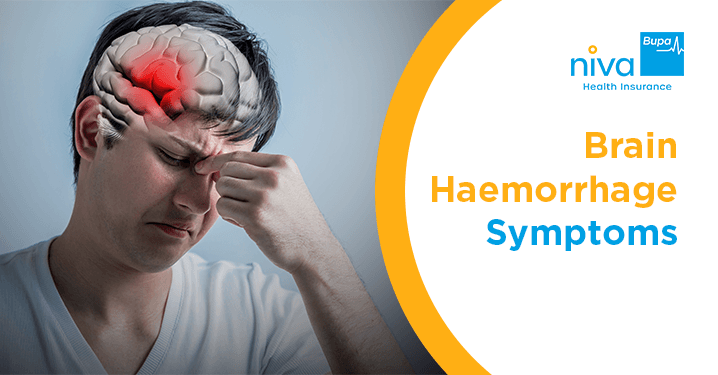
Suppose you met with an accident, while you don’t see any major external injuries, you are experiencing a severe headache. Unlike your usual headaches, this one is more intense. You are feeling dizzy, confused, and even lose consciousness for a moment. These symptoms can be alarming; while they may indicate a less serious issue, they could also be a sign of a brain haemorrhage.
You must possess a basic knowledge of medical conditions that might occur during an accident. This basic knowledge can help you save someone’s life. In this blog, we will explain a type of brain bleeding that can pose serious threats to your life.
What is a Brain Haemorrhage?
Any type of bleeding is known as haemorrhage. A brain haemorrhage is a type of internal bleeding in the brain. This occurs when blood vessels in the brain burst, causing blood to leak into the surrounding tissues. This leak prevents brain cells from getting enough oxygen, severely damaging them. Whether it’s a minor bleed or a major one, brain haemorrhages are a medical emergency that requires immediate attention.
Types of Brain Bleeding
Brain bleeding can occur internally or externally. Mentioned below are the various types of brain haemorrhage:
- Epidural Bleed: Blood accumulation between the skull and the dura mater, the thick outer membrane, is called an epidural bleed. This condition typically arises from an injury that causes a tear in a blood vessel beneath the surface.
- Subdural Bleed: Subdural haemorrhage occurs when blood escapes into the space between the dura mater and the underlying arachnoid mater, resulting in this specific form of brain bleeding.
- Intracerebral haemorrhage: This is a type of brain haemorrhage in which blood accumulates within the brain tissue. This condition ranks as the second most prevalent cause of stroke, and the recovery process can be quite difficult.
- Intraventricular haemorrhage: refers to the occurrence of bleeding within the brain's ventricles, which are the small chambers that usually hold cerebrospinal fluid, damaging your nerve cells.
Brain Haemorrhage Symptoms: How to Spot the Warning Signs
Recognising the symptoms can potentially save your life. Here’s a list of the common brain haemorrhage symptoms.
- Severe Headache: The most intense type of headache, severe headaches accompanied by a sensation that your nerves are about to burst, are the most common symptom of a brain haemorrhage.
- Nausea: Internal bleeding in the brain can pressure certain brain parts, leading to nausea, vomiting, or both.
- Numbness: If one side of your body suddenly feels weak or numb, it could be a sign of a stroke or internal brain bleeding.
- Vision Problems: If you experience blurred vision or see everything double around you, this could be a sign of internal brain bleeding. It occurs because the brain's ability to process visual information is impaired.
- Changes in Mental State: Confusion, trouble speaking, or difficulty understanding speech could all be signs of a brain haemorrhage.
Brain Haemorrhage Causes: What Leads to Bleeding in the Brain?
Understanding the causes of brain haemorrhages can help in prevention and early detection. Let’s explore the causes.
- Head Injury or Trauma: Accidents, falls, or blows to the head can rupture blood vessels in the brain, leading to internal bleeding the brain.
- Hypertension: Chronic high blood pressure weakens the walls of blood vessels, making them more likely to rupture.
- Aneurysms: An aneurysm refers to a weak section of a blood vessel. If this area bursts, it can lead to internal bleeding.
- Tumours: A tumour in the brain can cause blood vessels to rupture, resulting in a brain bleed.
What to Do in an Urgent Situation?
Internal bleeding in the brain can pose serious risks to your health if not treated promptly. If you have suspected this medical condition, here’s how to respond.
- If you notice any symptoms that indicate brain haemorrhage, such as intense headaches, breathlessness, or double vision, you should call an ambulance or visit the hospital as soon as possible.
- Keep calm and avoid any motion. Any unnecessary motion can worsen the condition.
- If the person loses consciousness and stops breathing, begin CPR while waiting for medical help to arrive.
- Keep an eye on breathing and heart rate. If the patient has difficulty breathing, keep their head elevated and open their airways.
Brain Haemorrhage Recovery: A Long Road to Healing
The road to full recovery can be slow, and while some people may recover completely, others may experience permanent changes in brain function. However, with proper care, you can deal with this medical condition. While it might take time, you should not lose hope!
- During the first stage of brain bleeding, the healthcare professional's main goal is stabilising your condition. They usually monitor your brain functions and blood pressure to prevent further complications.
- Once established, you are sent to rehabilitation to regain your motor skills, like speech and cognitive abilities. This may involve physical, occupational, and speech therapies.
- Brain haemorrhage recovery can sometimes take months or even years. Regular check-ups and a healthy lifestyle, including managing blood pressure, eating well, and exercising, are crucial for long-term recovery.
Wrapping Up
Brain bleeding is serious and can be life-threatening, but with quick action and proper treatment, many people survive and recover. Recognising the symptoms early and understanding the causes can save lives. However, having the best health coverage can help you deal with financial strain during medical emergencies.
We at Niva Bupa can help you stay covered in such unforeseen events. We have a wide network of hospitals pan India offering access to quality healthcare services. We ensure that you get the necessary treatments timely, improving the overall quality of your life.
Contact us today to know more about our insurance products.
People Also Ask
What is the main cause of brain haemorrhage?
Brain bleeding is caused by a ruptured blood vessel.
How to check for a brain bleed?
A CT scan is required to check for brain bleeding.
Which is better, an MRI or a CT scan for the brain?
An MRI scan shows very high-resolution images that can easily show different structures like a brain tumour.
Get right coverage, right premium and the right protection instantly.
 By clicking, I agree to Niva Bupa
 You may also like



Health Insurance - Health Insurance | Best Family Health Insurance | Best Health Insurance For Senior Citizens In India | Health Insurance With Opd Cover | Mediclaim Insurance | Critical Illness Insurance | Personal Accident Insurance | Mediclaim Policy | Individual Health Insurance | Maternity Insurance | Best Health Insurance company | NRI Health Insurance
Health Insurance Schemes - PMMVY Login | PMJJBY Policy Status | Swasthya Sathi Card | PMSBY | PMJJBY | Ayushman Card | PMMVY 2.0 | Ayushman Vay Vandana Card | PMMVY NIC IN रजिस्ट्रेशन | PMMVY 2.0 लॉगिन
Travel Insurance Plans - Travel Insurance | International Travel Insurance | Student Travel Insurance | Travel Insurance USA | Travel Insurance Canada | Travel Insurance Thailand | Travel Insurance Germany | Travel Insurance Dubai | Travel Insurance Bali | Travel Insurance Australia | Travel Insurance Schengen | Travel Insurance Singapore | Travel Insurance UK | Travel Insurance Vietnam | Travel Insurance Japan | Travel Insurance Spain | Travel Insurance Asia | Travel Insurance Netherlands | Travel Insurance Turkey | Travel Insurance Ireland | Travel Insurance Philippines | Travel Insurance Italy | Travel Insurance France | Travel Insurance China | Travel Insurance Georgia | Travel Insurance South Africa | Travel Insurance Maldives | Travel Insurance Portugal | Travel Insurance Malaysia | Travel Insurance Qatar | Travel Insurance Poland | Travel Insurance Greece | Travel Insurance New zealand | Travel Insurance Saudi Arabia | Travel Insurance Sri Lanka
Become an Agent - Insurance Agent
Top Hospitals - Best Hospitals in Gurgaon
Others - Ayushman Bharat | Gst Refund for NRI on Health Insurance Premium
Health & Wellness - शिलाजीत के फायदे हिंदी | Weight Gain Diet in Hindi | Sat Isabgol Uses In Hindi | Aloe Vera Juice Benefits in Hindi | Dragon Fruit Benefits in Hindi | Akal Daad in Hindi | Acidity Home Remedies in Hindi | Nikat Drishti Dosh in Hindi | Yoga Benefits in Hindi | Laung Khane ke Fayde in Hindi | Leukoplakia in Hindi | Protein in 100g Paneer | Benefits of Rice Water For Skin | B12 Deficiency Symptoms in Hindi | Fibre Foods in Hindi | Chronic Disease Meaning in Hindi | Vitamin D Foods in Hindi | Blood Urea in Hindi | Beetroot Uses Good for Health
Calculator - BMI Calculator | Pregnancy Calculator | Pregnancy Calendar Based on Conception Date | Pregnancy Conception Date Calculator | Last Menstrual Period Calculator | BMR Calculator | GFR Calculator | Ovulation Calculator



www.nivabupa.com

+91 11 30902010

1860-500-8888

CIN: L66000DL2008PLC182918
IRDAI Registration No. 145

Corporate Office: 3rd Floor, Capital Cyberscape, Sector 59, Gurgaon
Registered Office: C-98, First Floor, Lajpat Nagar, Part 1, Delhi-110024, India


