

Ceramic Braces: Benefits, Process & Care Tips
30 December, 2025
7 Shares
284 Reads
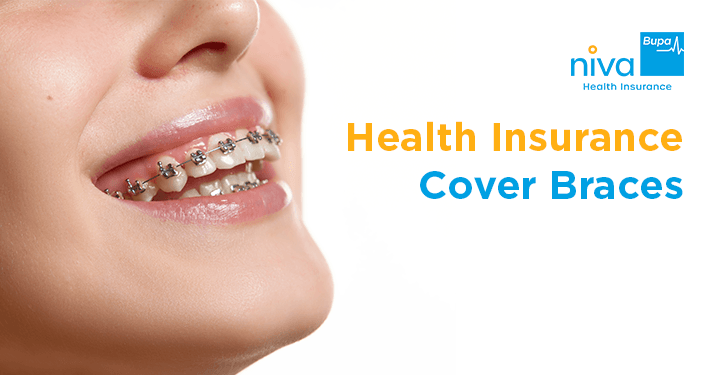
Orthodontics is not often a short-term option, and in fact, it is a means of commitment for a period of time measured in months and even years for many individuals. It is for this reason that the choice of braces becomes not merely a matter of aligning the teeth but also a source of confidence and comfort levels in relation to the manner in which the individual fits into the everyday process. One of the more recent developments in the area of orthodontics is the use of ceramic braces or aligners.
For people who prefer orthodontic solutions to be more nuanced yet still want to have fixed treatment, ceramic orthodontic braces provide just that. Noting just how they work, what they can provide to orthodontic patients, and what they entail in terms of responsibility can go a long way in managing expectations when they undergo treatment.
What are Ceramic Braces, and How Do They Differ?
The working of these braces is the same as that of traditional metal braces, based on the principle of orthodontic movement, with the brackets being bonded to the teeth and the usage of archwires to produce a controlled and continuous force for proper positioning of the teeth. The only differing aspect is the fact that instead of metal, there is the usage of ceramic, which is tooth-colored and translucent.
Such a material used in braces alters the aesthetic impression, particularly in a social setting where metal braces are known to create an immediate focal point. Although these braces are not so obvious, they are fixed braces; therefore, they are in action at all times without relying on patient cooperation to remove or replace them. Such appliances are vastly different from aligners in that improvements are made at all times without relying on patient behaviour.
In terms of functionality, they are offered by orthodontists and can be used to treat different alignment and bite problems and thus represent a reliable option when it comes to the need for constant force and precise control. The effect, however, for the wearer can be one of relative discretion, which impacts the matter of confidence, considering the longer periods involved.
Who Typically Chooses Ceramic Braces?
They are commonly chosen by adults who seek orthodontic correction later in life and prefer a treatment option that integrates quietly into their daily interactions. Professionals working in client-facing roles, individuals returning to education, and those who simply wish to avoid the highly visible appearance of metal braces often gravitate toward this option.
Older teenagers may also prefer these braces, particularly when appearance plays a role in social confidence, yet they require a fixed system capable of addressing complex alignment issues. They are especially suitable for individuals who may not be ideal candidates for removable aligners due to bite complexity, tooth rotation, or the need for precise vertical movement.
For patients who value predictability and consistency, they provide reassurance by maintaining steady progress without relying on daily discipline, which can be challenging to sustain over long periods.
What Benefits Do Ceramic Braces Offer?
The benefits of these braces extend beyond appearance, contributing to both treatment effectiveness and patient comfort when selected appropriately and maintained properly.
Some of the key advantages include:
- Reduced visual prominence during treatment: The tooth-coloured brackets blend more naturally with enamel, making braces less noticeable in everyday conversation, photographs, and professional settings.
- Reliable correction for moderate to complex cases: As these braces are fixed appliances, orthodontists can apply consistent force to guide movement accurately, addressing crowding, spacing, and bite alignment.
- Continuous treatment without reliance on compliance: Since the braces remain in place, progress does not depend on remembering to wear or remove appliances, which reduces the risk of delays.
- Greater confidence throughout the treatment period: Many individuals report feeling less self-conscious, particularly during long treatment durations, which can positively influence overall experience.
How Does the Treatment Process Typically Work?
The treatment process begins with a comprehensive orthodontic assessment that includes dental impressions, imaging, photographs, and bite analysis. This evaluation allows the orthodontist to determine whether they are appropriate and to design a treatment plan tailored to the individual’s alignment and functional needs.
Once the plan is finalised, ceramic brackets are bonded carefully to each tooth, followed by the placement of an archwire that initiates gradual movement. Adjustments are scheduled at regular intervals, during which wires may be changed or tension modified to guide teeth into their intended positions.
Treatment duration varies depending on the complexity of correction required but typically aligns with conventional braces, often ranging between 18 and 24 months. Throughout this period, progress occurs incrementally rather than abruptly, allowing supporting bone and tissues to adapt safely.
Regular appointments ensure that movement remains controlled and predictable, reducing the likelihood of complications or setbacks.
Are There Any Limitations to Be Aware Of?
While these braces offer aesthetic advantages, they also require awareness of certain limitations that may influence suitability. Ceramic brackets are generally more brittle than metal ones, making them slightly more prone to chipping if exposed to excessive force. As a result, dietary adjustments are often recommended to avoid hard, crunchy, or sticky foods that could damage brackets.
Additionally, these may feel marginally bulkier at first, particularly for individuals sensitive to oral appliances. Oral hygiene plays a critical role, as plaque accumulation around brackets can lead to discolouration of the surrounding enamel if not addressed consistently.
These considerations do not diminish the effectiveness of these braces, but understanding them in advance helps patients approach treatment with realistic expectations and appropriate care habits.
What Care Tips Help Maintain Ceramic Braces?
Daily care plays a crucial role in how well ceramic aligners perform and how discreet they continue to look throughout treatment. As ceramic aligners are designed to blend with natural tooth colour, even small lapses in hygiene can make plaque or stains more noticeable. Consistent, mindful care not only supports steady orthodontic progress but also protects enamel health and preserves the aesthetic advantage of ceramic braces. Key care practices to follow include:
- Thorough brushing after every meal: Food particles can easily collect around brackets and wires, increasing the risk of plaque buildup and surface staining. Brushing after meals, using a soft-bristled toothbrush and fluoride toothpaste, helps keep both teeth and brackets clean. Paying special attention to the areas around the brackets and along the gum line is essential for maintaining a uniform appearance.
- Using specialised cleaning tools for better access: Standard flossing can be difficult with braces, which is why floss threaders or interdental brushes are highly recommended. These tools allow you to clean effectively between wires, brackets, and tight spaces, reducing the chances of plaque accumulation and supporting overall gum health.
- Being mindful of highly pigmented foods and drinks: While ceramic brackets themselves are stain-resistant, the surrounding enamel and elastic ties can discolour over time. Limiting frequent consumption of strongly coloured items such as coffee, tea, red sauces, berries, and dark sodas can help preserve the clean, subtle look of ceramic braces.
- Avoiding foods that can damage brackets: Hard, sticky, or chewy foods place unnecessary pressure on ceramic brackets, which can lead to chipping, loosening, or breakage. Steering clear of items like hard nuts, ice, caramel, chewing gum, and crunchy snacks helps prevent damage that could delay treatment or require additional repairs.
- Keeping up with professional cleanings and orthodontic check-ups: Routine dental cleanings complement daily home care by removing plaque from areas that are harder to reach. Regular orthodontic appointments also ensure that brackets remain secure, adjustments stay on track, and any issues are addressed early before they affect treatment progress.
How Comfortable Are Ceramic Braces Over Time?
Initial discomfort is common with all fixed orthodontic systems, typically presenting as pressure or soreness during the first few days after placement or adjustments. This sensation reflects active tooth movement rather than irritation and usually subsides as the mouth adapts.
Over time, most individuals report improved comfort as soft tissues adjust to the brackets and wires. Orthodontic wax, soft foods, and hydration help manage early sensitivity, allowing the experience to become routine rather than disruptive.
As weeks pass, these braces often feel like a normal part of daily life rather than a constant source of awareness.
Do Ceramic Braces Affect Daily Life?
After the initial adjustment period, most individuals resume daily routines with minimal disruption. Speech changes, if present, tend to resolve quickly, and dietary modifications become habitual rather than restrictive.
Social interactions often feel more comfortable compared to metal braces due to their reduced visibility, which can positively influence confidence. Over time, attention shifts away from the appliance itself and toward gradual progress, making treatment feel purposeful rather than intrusive.
Concluding Thoughts
Orthodontic care is not just about aligning teeth; it is about choosing a treatment that fits comfortably into your life over time. They strike a refined balance between visible results and everyday confidence, offering effective correction without drawing unnecessary attention during the journey. When approached with realistic expectations and supported by regular care, they deliver dependable, long-lasting outcomes while blending seamlessly into daily routines.
For individuals and families living abroad, access to consistent dental and medical support can be an added consideration. Niva Bupa health insurance for NRIs helps bridge this gap by offering reliable coverage, smooth claims support, and continuity of care during treatment in India. With the right orthodontic choice and dependable health insurance coverage in place, you can focus on progress and results without distractions or uncertainty.
FAQs
1. Are ceramic aligners as effective as metal braces?
Yes, when planned and monitored correctly, these braces work on the same orthodontic principles and can achieve similar results. Effectiveness depends more on treatment planning and case complexity than on the bracket material itself.
2. Do ceramic aligners stain easily?
The brackets are stain resistant, but the areas around them can discolour if oral hygiene is inconsistent. Regular brushing and professional cleanings help maintain an even appearance throughout treatment.
3. Are ceramic aligners suitable for complex orthodontic cases?
They work well for many moderate to complex cases, though certain situations may still benefit from metal braces for added durability and control.
4. Is treatment time longer with ceramic aligners?
Treatment duration is usually similar to metal braces and depends mainly on the individual’s alignment needs rather than the type of braces used.
5. Do ceramic aligners require special care?
They do not require complex routines, but careful hygiene and dietary awareness help protect the brackets and maintain results.
Get right coverage, right premium and the right protection instantly.
 By clicking, I agree to Niva Bupa
 You may also like



Popular Searches
Health Insurance - Health Insurance | Best Family Health Insurance | Best Health Insurance For Senior Citizens In India | Health Insurance With Opd Cover | Mediclaim Insurance | Critical Illness Insurance | Personal Accident Insurance | Mediclaim Policy | Individual Health Insurance | Maternity Insurance | Best Health Insurance company | NRI Health Insurance
Health Insurance Schemes - PMMVY Login | PMJJBY Policy Status | Swasthya Sathi Card | PMSBY | PMJJBY | Ayushman Card | PMMVY 2.0 | Ayushman Vay Vandana Card | PMMVY NIC IN रजिस्ट्रेशन | PMMVY 2.0 लॉगिन
Travel Insurance Plans - Travel Insurance | International Travel Insurance | Student Travel Insurance | Travel Insurance USA | Travel Insurance Canada | Travel Insurance Thailand | Travel Insurance Germany | Travel Insurance Dubai | Travel Insurance Bali | Travel Insurance Australia | Travel Insurance Schengen | Travel Insurance Singapore | Travel Insurance UK | Travel Insurance Vietnam | Travel Insurance Japan | Travel Insurance Spain | Travel Insurance Asia | Travel Insurance Netherlands | Travel Insurance Turkey | Travel Insurance Ireland | Travel Insurance Phillipines | Travel Insurace Italy | Travel Insurance France | Travel Insurance China | Travel Insurance Georgia | Travel Insurance South Africa | Travel Insurance Maldives | Travel Insurance Portugal | Travel Insurance Malaysia | Travel Insurance Qatar | Travel Insurance Poland | Travel Insurance Greece | Travel Insurance New zealand | Travel Insurance Saudi Arabia | Travel Insurance Sri Lanka
Become an Agent - Insurance Agent | IRDA Certificate Download | IRDA Exam Syllabus | IRDA exam fee | Paise Kaise Kamaye | Ghar Baithe Paise Kaise Kamaye
Top Hospitals - Best Hospitals in Gurgaon
Others - Ayushman Bharat | Gst Refund for NRI on Health Insurance Premium
Health & Wellness - शिलाजीत के फायदे हिंदी | Weight Gain Diet in Hindi | Sat Isabgol Uses In Hindi | Aloe Vera Juice Benefits in Hindi | Dragon Fruit Benefits in Hindi | Akal Daad in Hindi | Acidity Home Remedies in Hindi | Nikat Drishti Dosh in Hindi | Yoga Benefits in Hindi | Laung Khane ke Fayde in Hindi | Leukoplakia in Hindi | Protien in 100g Paneer | Benefits of Rice Water For Skin | B12 Deficiency Symptoms in Hindi | Fibre Foods in Hindi | Chronic Disease Meaning in Hindi | Vitamin D Foods in Hindi | Blood Urea in Hindi | Beetroot Uses Good for Health
Calculator - BMI Calculator | Pregnancy Calculator | Pregnancy Calendar Based on Conception Date | Pregnancy Conception Date Calculator | Last Menstrual Period Calculator | BMR Calculator | GFR Calculator | Ovulation Calculator



www.nivabupa.com

+91 11 30902010

1860-500-8888

CIN: L66000DL2008PLC182918
IRDAI Registration No. 145

Corporate Office: 3rd Floor, Capital Cyberscape, Sector 59, Gurgaon
Registered Office: C-98, First Floor, Lajpat Nagar, Part 1, Delhi-110024, India


