

Lower Back Pain: Common Causes & Proven Treatments
30 December, 2025
7 Shares
285 Reads
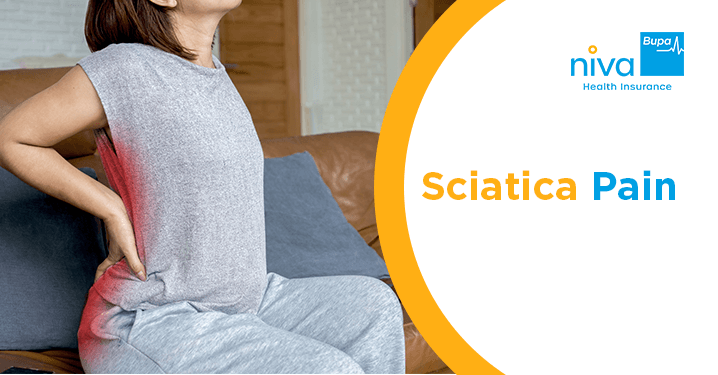
Back pain is a common experience that spans all ages, all occupation groups, and all levels of physical activity.” Back pain is something that anyone might experience, whether you’re moving boxes into your new apartment or sitting at your office desk all day long. It might mean that you experience nagging discomfort that goes away after a week or so, but sometimes back pain means that you can’t get out of bed or at least that you don’t want to. Because the lower back is involved in almost all muscular movement, sometimes even the tiniest issues become impossible to ignore.
Most times, back pain develops in a gradual manner over time due to habits, as opposed to a traumatic event. Slouching, prolonged sitting, a sedentary lifestyle, and repeated movements cause chronic strain on the lower back region. Accordingly, by being informed about what is behind back pain and what can be done about it, you can face solutions and your entire life with confidence.
What Are the Common Reasons for Lower Back Pain?
Lower back pain refers to the discomfort or ache that occurs in the lumbar region of the spine. The vertebrae, disks, muscles, ligaments, and nerves present in the lumbar region of the spine combine to make the complex system that holds the entire body stable and movable. The lumbar region primarily has to deal with the stress of the entire upper body, bend, turn, and withstand the pressure of just moving, as in walking, lifting, or sitting.
Here are some of the most common lower back pain reasons:
- Muscle or ligament strain: Sudden movements, heavy lifting, or poor posture can strain the lower back muscles, making this one of the most common back pain reason.
- Poor posture: Sitting for long hours, especially with incorrect posture, puts pressure on the spine and leads to discomfort over time.
- Herniated or slipped disc: When the cushioning discs between vertebrae slip or rupture, they can press on nerves, causing pain and stiffness.
- Lack of physical activity: Weak core muscles fail to support the spine properly, contributing to various lower back pain causes.
- Injuries or accidents: Falls, sports injuries, or sudden impact can damage muscles, ligaments, or the spine.
- Age-related changes: Conditions like osteoarthritis or degenerative disc disease become more common with age and are key lower back pain reasons.
- Medical conditions: Issues like kidney problems, infections, or spinal disorders can also be an underlying back pain reason.
- Stress and lifestyle factors: Mental stress can lead to muscle tension, which may result in persistent lower back discomfort.
Identifying the exact cause is essential for effective back pain relief, whether through lifestyle changes, exercise, or medical treatment.
Types Of Lower Back Pain
Lower Back Pain is classified into the following categories :-
Acute Back Pain
- Occurs suddenly and usually lasts for a short period.
- Commonly caused by muscle strain or sprain due to a minor injury.
- Often improves with rest, basic care, and simple pain-relief methods.
Subacute Back Pain
- Persists for a few weeks after the initial onset.
- May not resolve completely on its own.
- Often requires more structured treatment and monitoring.
Chronic Back Pain
- Lasts for a longer duration and may recur frequently.
- Requires professional evaluation and targeted treatment.
- Management may include specific exercises and lifestyle changes.
Treatment Approach
- Each type of lower back pain needs a different treatment method.
- Acute pain can usually be managed with basic measures.
- Chronic pain often needs medical guidance based on proper diagnosis.
How To Relieve Back Pain During a Sore Back
Incorrect posture is another big contributing factor, as the pressure of slouching for countless hours or having an unsupported back can put pressure on the spine.
Problems with the disks are also involved. Spinal disks are shock-absorbing tissues that cushion the joints between the vertebrae. With time, these disks can become protruded or worn away, often pressing on a nerve. This can cause pain, tingling, or numbness that radiates down the leg.
Sciatic nerve irritation is well known to radiate pain. If the sciatic nerve becomes compressed, pain can radiate from the lower back down into one leg. Pain that radiates into the leg is typically sharp and becomes aggravated from sitting or bending.
With time, the joints in the spine may develop conditions such as osteoarthritis, leading to stiffness and lack of flexibility. Sometimes, the lower back may get strained due to falls, sporting accidents, or other accidents, and the pain may develop immediately or take time to appear.
Lifestyle habits increase the risk. Being overweight puts additional pressure on the spine, while lack of exercise causes weakness of muscles supporting the spine. Smoking reduces blood flow to spinal tissues, slowing healing processes while increasing spinal muscles’ tension, hence increasing pain.
Symptoms Which Require Attention
The vast majority of cases can be improved by simple care for GERD, but certain symptoms mustn’t be neglected. Pain that has lasted for weeks or has worsened and extended into the legs could mean nerve damage. Numbness, weakness, or problems walking could mean an underlying condition requires professional care. Pain due to a fall or an accident must always be checked out to ensure there hasn’t been an injury.
Effective Treatment Options for Lower Back Pain
Pain requires specific care depending on the cause. In some instances, simple methods offer immense relief.
Balance rest and activity. Taking short breaks during flare-ups is okay, but inactivity will make you weaker. Engage in gentle exercise to improve circulation and loosen up stiff joints. Get back to regular activities to regain confidence in your movement.
Physiotherapy plays an important role for many individuals. A structured exercise program involving core stability exercises, stretching, and posture correction provides the foundation for self-management and prevention of recurrence. Supervised exercises will improve movement patterns and spine function.
Pain and inflammation can be managed through medications. Expectorants and pain relievers and anti-inflammatory medications can be used. Muscle relaxers can be used if the pain is stiff. Medications can be effective if taken along with physical therapy and change in lifestyles.
Applying heat or cold is a simple effective technique for relief from pain. Applying cold helps to reduce swelling in the initial stages, while applying heat helps to relieve sore muscles and improve circulation.
Posture
Correcting posture can be very instrumental for long-term pain relief. When one sits or stands in the correct posture, it eliminates pressure on the spine. Even minor adjustments to daily life routines can be very instrumental, such as using ergonomic chairs for sitting or setting monitors correctly.
Supportive devices: There are supportive devices that can be very helpful temporarily. Belts and/or mattresses can be helpful during recovery periods, though they do not help replace exercises for strengthening. Weight control, regular exercise, and quitting smoking help in recovery from sciatica and also help in its prevention.
If there is no relief from pain, further evaluation may be required. Radiographs may help in assessing structural problems, and surgery may be necessary in certain cases.
Regular and gentle exercises help maintain a strong and supple lower spine. Pelvic tilts, stretches for the knees to chest, spinal movements, and bridge exercises can help. Practice good posture techniques and flexibility exercises to avoid stiffness.
Impact on Total Well-being
Back pain can impact not only physical health but also emotional well-being. It can affect an individual's capacity for good sleep, freedom of movement, and stress levels. It is vital for an individual to seek professional care early. Every person experiences back pain differently. Professional treatment ensures an assessment of all possible causes of back pain and helps an individual treat back pain effectively. It can prevent an individual from experiencing chronic back pain.
Conclusion
Back pain, or more specifically, lower back pain, is prevalent, but with proper knowledge, care, and proper habits, such pain can be kept at bay or reduced to a great extent. An approximate diagnosis of the reason for the pain, sticking to scientific methods, and taking proper care are all that are needed to make the life of a patient with a sore back easier and more comfortable. Health insurance will make access to proper healthcare easier for locals, as well as Non-Resident Indians with NRI Health Insurance Plans, in India.We at Niva Bupa are a popular choice that will enable a patient to concentrate on his or her recovery with newfound confidence.
People Also Ask
1. What is the most common cause of lower back pain?
The most common cause of lower back pain is muscle or ligament strain. This often happens due to poor posture, incorrect lifting techniques, prolonged sitting, or repetitive movements that place stress on the lower spine over time.
2. Can lower back pain go away on its own?
Yes, in many cases, lower back pain improves on its own with rest, gentle movement, and basic care. However, pain that lasts for several weeks or worsens over time may require professional evaluation and treatment.
3. When should medical help be sought for lower back pain?
Medical help should be sought if lower back pain persists for more than a few weeks, spreads to the legs, causes numbness or weakness, or occurs after a fall or accident. These symptoms may indicate an underlying condition.
4. Are exercises safe for lower back pain?
Yes, gentle and guided exercises are generally safe and beneficial for lower back pain. Exercises that improve flexibility, strengthen core muscles, and support posture can help reduce pain and prevent recurrence when performed correctly.
5. Does sitting for long hours worsen lower back pain?
Prolonged sitting, especially with poor posture, can increase pressure on the lower spine and worsen lower back pain. Taking regular breaks, using supportive seating, and maintaining correct posture can help reduce strain.
6. Can lifestyle changes help prevent lower back pain?
Lifestyle changes such as maintaining a healthy weight, staying physically active, practising good posture, and avoiding smoking can significantly reduce the risk of developing lower back pain and support long-term spinal health.
7. Is physiotherapy effective for chronic lower back pain?
Physiotherapy is often effective for chronic lower back pain as it focuses on improving strength, flexibility, and movement patterns. A structured physiotherapy programme can help manage pain and reduce the chances of future episodes.
8. How can I get back pain relief at home?
For back pain relief, you can try simple remedies like applying hot or cold packs, doing light stretching exercises, maintaining good posture, and avoiding prolonged sitting. Regular movement and proper rest can also help reduce discomfort.
9. What are the most common lower back pain reasons in young adults?
Common lower back pain reasons in young adults include poor posture, long hours of sitting, lack of exercise, and muscle strain due to improper lifting or workouts.
10. When should I worry about lower back pain causes?
You should consult a doctor if lower back pain causes severe pain, lasts for more than a few weeks, or is accompanied by symptoms like numbness, weakness, or difficulty in movement.
Get right coverage, right premium and the right protection instantly.
 By clicking, I agree to Niva Bupa
 You may also like

Popular Searches
Health Insurance - Health Insurance | Best Family Health Insurance | Best Health Insurance For Senior Citizens In India | Health Insurance With Opd Cover | Mediclaim Insurance | Critical Illness Insurance | Personal Accident Insurance | Mediclaim Policy | Individual Health Insurance | Maternity Insurance | Best Health Insurance company | NRI Health Insurance
Health Insurance Schemes - PMMVY Login | PMJJBY Policy Status | Swasthya Sathi Card | PMSBY | PMJJBY | Ayushman Card | PMMVY 2.0 | Ayushman Vay Vandana Card | PMMVY NIC IN रजिस्ट्रेशन | PMMVY 2.0 लॉगिन
Travel Insurance Plans - Travel Insurance | International Travel Insurance | Student Travel Insurance | Travel Insurance USA | Travel Insurance Canada | Travel Insurance Thailand | Travel Insurance Germany | Travel Insurance Dubai | Travel Insurance Bali | Travel Insurance Australia | Travel Insurance Schengen | Travel Insurance Singapore | Travel Insurance UK | Travel Insurance Vietnam | Travel Insurance Japan | Travel Insurance Spain | Travel Insurance Asia | Travel Insurance Netherlands | Travel Insurance Turkey | Travel Insurance Ireland | Travel Insurance Phillipines | Travel Insurace Italy | Travel Insurance France | Travel Insurance China | Travel Insurance Georgia | Travel Insurance South Africa | Travel Insurance Maldives | Travel Insurance Portugal | Travel Insurance Malaysia | Travel Insurance Qatar | Travel Insurance Poland | Travel Insurance Greece | Travel Insurance New zealand | Travel Insurance Saudi Arabia | Travel Insurance Sri Lanka
Become an Agent - Insurance Agent | IRDA Certificate Download | IRDA Exam Syllabus | IRDA exam fee | Paise Kaise Kamaye | Ghar Baithe Paise Kaise Kamaye
Top Hospitals - Best Hospitals in Gurgaon
Others - Ayushman Bharat | Gst Refund for NRI on Health Insurance Premium
Health & Wellness - शिलाजीत के फायदे हिंदी | Weight Gain Diet in Hindi | Sat Isabgol Uses In Hindi | Aloe Vera Juice Benefits in Hindi | Dragon Fruit Benefits in Hindi | Akal Daad in Hindi | Acidity Home Remedies in Hindi | Nikat Drishti Dosh in Hindi | Yoga Benefits in Hindi | Laung Khane ke Fayde in Hindi | Leukoplakia in Hindi | Protien in 100g Paneer | Benefits of Rice Water For Skin | B12 Deficiency Symptoms in Hindi | Fibre Foods in Hindi | Chronic Disease Meaning in Hindi | Vitamin D Foods in Hindi | Blood Urea in Hindi | Beetroot Uses Good for Health
Calculator - BMI Calculator | Pregnancy Calculator | Pregnancy Calendar Based on Conception Date | Pregnancy Conception Date Calculator | Last Menstrual Period Calculator | BMR Calculator | GFR Calculator | Ovulation Calculator



www.nivabupa.com

+91 11 30902010

1860-500-8888

CIN: L66000DL2008PLC182918
IRDAI Registration No. 145

Corporate Office: 3rd Floor, Capital Cyberscape, Sector 59, Gurgaon
Registered Office: C-98, First Floor, Lajpat Nagar, Part 1, Delhi-110024, India


