




Health Insurance in Delhi
Health insurance in Delhi offers vital protection against rising medical costs, ensuring timely access to quality healthcare. With a wide network of hospitals and cashless treatment options, residents can receive care without financial stress. Whether you're an individual or a family, customisable plans are available to suit diverse healthcare needs. Investing in the right health insurance ensures peace of mind and long-term well-being.
19,000+ Network health Eco-System
30 Mins Cashless Claim Policy
2.5 Crore+ Happy customers
95.6% Claim Settlement ratio
Start your Health cover
With Niva Bupa Today!
Rated by mint as India's Best Health Insurer 2024
Delhi gives you access to excellent healthcare, and a personal health insurance policy helps you use it with confidence. It covers the cost of treatment, supports your choice of hospital, and works alongside your employer cover to keep you and your savings protected. With a wide network of leading hospitals and specialists across the city, you can pick the care that suits you best. Your own policy stays with you through every stage of life, even if you change jobs. It means you can focus on getting well while your plan takes care of the rest.
Why Do You Need Health Insurance in Delhi?
You need health insurance in Delhi because private hospitals deliver much of the city's speciality care, and treatment costs keep climbing. A single serious hospitalisation can also drain savings that took years to build.
- Delhi's private hospitals offer wide access to speciality care. Over 200,000 respiratory cases reached six state-run hospitals between 2022 and 2024. Insurance pays for admission when illness turns serious, keeping private care within reach.
- Treatment costs rise yearly, and Delhi sits at the higher end. Its average health insurance claim reached ₹1,00,600 in 2024-25, against ₹81,025 across states. Insurance absorbs that rise instead of your savings.
- A major hospitalisation can use up savings quickly, especially with surgery, ICU care, or long stays. Insurance pays the network health eco-system directly through cashless claims, so families avoid borrowing or selling assets.
- Employer cover helps, but a personal policy stays with you across jobs and lets you set the sum insured. In a 2026 survey of corporate employees across eight cities, including Delhi, 45% relied only on company cover.
- Delhi offers tertiary care in cardiac, cancer, and neuro treatment, but major government hospitals stay crowded. A health policy gives cashless access to a network health eco-system, so treatment starts without big upfront payments.
What Health Insurance Cover Is Enough for Delhi Residents?
For Delhi residents, ₹10 lakh can work as a starting point for an individual, while families may need ₹25 lakh or more. Higher cover becomes relevant when you have dependants, existing health risks or want protection against expensive treatments and rising medical costs.
Choosing the Sum Insured Based on Your Needs
The right cover depends on your age, family size, health history and ability to pay for treatment from savings. A base policy can also be combined with a super top-up for higher protection.
These cover levels are indicative and should be assessed based on individual healthcare needs, policy terms and affordability.
How Different Cover Amounts Can Work in Delhi
The sum insured you choose determines how much financial protection you have against eligible hospitalisation expenses. A higher cover can be particularly relevant for major procedures or multiple hospitalisations.
₹10 Lakh Health Insurance
A ₹10 lakh policy can be a reasonable starting point for a healthy individual. It may cover many single hospitalisation events, but a major surgery or prolonged treatment could use a substantial portion of the sum insured.
₹25 Lakh Health Insurance
₹25 lakh provides a larger cushion for families and individuals with higher healthcare needs. It can help absorb a costly hospitalisation while leaving more cover available for another eligible claim during the policy year, subject to policy terms.
₹50 Lakh Health Insurance
₹50 lakh may suit families looking for stronger protection against expensive cardiac, cancer or other major treatments. It can also provide a larger buffer as treatment costs increase over time.
₹1 Crore Health Insurance
A ₹1 crore sum insured is generally relevant for people seeking a substantial long-term health cover. It can provide a larger financial buffer against high-cost treatment, repeated hospitalisations and rising medical expenses.
What Do Delhi’s Latest Health Indicators Tell Us?
Delhi’s latest health survey data highlights a rise in elevated blood sugar levels among adults, while the share of men who are overweight or obese has declined. These trends underline the importance of considering long-term healthcare needs when deciding how much health insurance cover to buy.
Delhi’s Health Indicators: NFHS-5 vs NFHS-6
The National Family Health Survey compares health indicators recorded in 2019-21 and 2023-24. The figures below show how selected indicators have changed among adults in Delhi.
Ministry of Health and Family Welfare, NFHS-5 and NFHS-6 fact sheets for Delhi. NFHS-6 data was collected in 2023–24 and released in May 2026.
How a ₹6 Lakh Treatment Cost May Rise Over 5 and 10 Years
A ₹6 lakh treatment today could cost about ₹10.3 lakh in 5 years. In 10 years, it could reach ₹17.8 lakh at 11.5% annual growth. The rows below compound ₹6 lakh at each rate and are illustrative, not forecasts.
Cost of Major Treatments in Delhi
Costs in Delhi swing widely by procedure, hospital, and room. Angioplasty alone ranges from ₹70,000 to ₹4.5 lakh, so plan your cover around the upper end. The ranges below come from health-platform listings for Delhi NCR and are planning ranges, not quotes.
Disclaimer: All costs are approximations and real costs may vary depending on complications and hospitals.
Dialysis is a recurring cost, so sessions add up fast. Delhi NCR also reported the highest share of kidney-related health insurance claims in India.
What Influences the Cost of the Same Treatment?
The same procedure can cost several times more depending on three things: the hospital, the room you choose, and the drug or implant used. Knowing these levers helps you size cover and plan cashless admissions.
Hospital Category
Hospital choice moves the bill sharply. Angioplasty in Delhi runs from ₹70,000 to ₹4.5 lakh, a gap of about ₹3.8 lakh for the same procedure. ICU days add to it. One Delhi private hospital's tariff lists an ICU bed at ₹13,800 a day, plus ₹7,500 for ICU nursing. Ventilation adds ₹13,300 to ₹18,600 a day.
Room Type
Daily charges rise with every room upgrade. Check whether your plan caps room rent, because a cap can trigger proportionate deductions on the whole bill.
Disclaimer: All costs are approximations and real costs may vary depending on complications and hospitals.
Drug or Implant Choice
Stent type and knee implant grade shift the final bill. Cancer drugs show the widest gap.
Disclaimer: All costs are approximations and real costs may vary depending on complications and hospitals.
Acute vs Chronic Illness in Delhi: Which Cover Fits Which?
Acute illness strikes once and ends, so a mid-sized base plan usually handles it. Chronic illness keeps returning, so it needs a higher sum insured, a short waiting period, and restoration.
Acute: one episode, one bill
Dengue after the monsoon, typhoid, a fracture, or a gallbladder removal are typical acute events. They start suddenly and end once treatment is done. A base plan of ₹10 lakh to ₹20 lakh usually covers the bill. New policyholders should remember the 30-day waiting period, which blocks illness claims in the first month. Accidents are not subject to it.
Chronic: a condition that keeps coming back
Diabetes, hypertension, heart disease, asthma, and COPD need regular care and often lead to repeat admissions. In Delhi, polluted winter air can also flare up respiratory conditions. Insurers treat these as pre-existing diseases, and cover begins only after a waiting period that IRDAI caps at 36 months. Choose a plan with a shorter wait and a sum insured of ₹25 lakh or more.
Health Insurance Plans for Every Stage of Life in Delhi: Four Real Cases
Your age, income pattern, and health history decide the right cover. A first-time buyer in their twenties can start with a ₹10 lakh plan, a self-employed parent needs a larger family floater, a person with hypertension should pick a plan with a short waiting period, and retired couples need a senior-specific policy. The four cases below show the profile, risk, suggested cover, plan, and indicative premium for each.
25, Single, First Job in Delhi NCR
A 25-year-old with a first salary should buy a ₹10 lakh individual plan right away, because premiums are lowest at this age and waiting periods start counting from day one. Delhi's dengue season and pollution-linked chest infections make a hospital stay more likely than most young buyers expect.
- Profile: Single, salaried, living in a rented flat, with employer cover limited to a small group policy.
- Risk: A dengue or typhoid admission of about ₹50,000 to ₹1.5 lakh at a private hospital, plus accident or respiratory care.
- Suggested cover: ₹10 lakh individual cover.
- Plan: Health Companion, which you can later convert into a family floater after marriage.
- Premium: Indicative ₹950–₹1,100 a month for ₹10 lakh cover at age 25.
38, Self-Employed Shop Owner With Spouse and One Child (Aspire)
A 38-year-old business owner has no employer cover, so the family needs its own floater of ₹20 to 30 lakh. One long hospital stay can stall cash flow in a business with irregular income, so higher cover with unused-cover carry-forward is the practical choice.
- Profile: Owns a shop in a Delhi market, income varies by season, family of three.
- Risk: A cardiac or orthopaedic procedure of ₹4 to ₹8 lakh that arrives while stock and rent payments continue.
- Suggested cover: ₹20 to 30 lakh family floater.
- Plan: Aspire, where unused cover carries forward to the next year.
- Premium: Indicative ₹2,000–₹3,000 a month for a three-member family in this age group and cover range.
45, Working in a Corporate Role With Hypertension (ReAssure 3.0)
A 45-year-old with hypertension should disclose the condition at the proposal stage and pick a plan that lets you shorten the waiting period for pre-existing conditions. Cover of ₹20 lakh or more keeps room for heart-related treatment in a metro hospital.
- Profile: Salaried manager, on daily medication for blood pressure for 6 years, long commute and sedentary work.
- Risk: Cardiac and stroke-related admissions, which cost more in Delhi NCR's large private hospitals.
- Suggested cover: ₹20 lakh or more.
- Plan: ReAssure 3.0, with the option to reduce the pre-existing condition waiting period.
- Premium: Indicative ₹2,500–₹3,500 a month for ₹20 lakh cover at age 45, before any applicable loading.
Retired Couple in Their Early 60s (Senior First)
A retired couple whose employer cover has ended should move to a senior-specific plan with ₹10 to 25 lakh of cover before any major illness appears. Buying at the start of retirement gives the longest period to complete waiting periods.
- Profile: Two retirees living in South or West Delhi, no group cover, regular check-ups.
- Risk: Frequent admissions and procedures such as cataract surgery, knee replacement, or angioplasty.
- Suggested cover: ₹10 to 25 lakh.
- Plan: Senior First. Check the co-payment options before buying.
- Premium: Indicative ₹1,600–₹3,300 a month for two adults aged 61–65, depending on the sum insured and selected variant.
Premiums are indicative and may vary based on age, location, sum insured, policy variant, family composition, medical history, and other applicable factors.
Who Needs Health Insurance in Delhi, and When to Buy
Anyone with dependents, a loan, or employer cover that will end should hold a personal health plan. Buy while you are healthy, because waiting periods begin only on the day your policy starts. The tables below show how cover and premium change with your age and your city.
Age-Wise Guide
Premiums are lowest in your twenties, and every year of waiting also delays the end of your waiting periods. An indicative premium for ₹10 lakh individual cover moves from ₹350 to ₹600 a month at 25 to ₹2,800 to ₹4,800 a month at 55.
City-Wise Guide
Treatment costs and premiums both rise with the city tier. Delhi sits in the top tier, so insurers charge more here than in smaller towns.
Why Delhi Falls in the High-Cost Zone
Delhi NCR has many large private hospitals and specialist centres, and treatment here costs more than in most Indian cities. Insurers group cities into pricing zones based on local healthcare costs, so a Delhi address places you in a higher-cost zone and raises your premium compared with a smaller city.
If Your Parents Live Outside Delhi
Families in smaller towns across Uttar Pradesh, Haryana, Punjab, and Uttarakhand often travel to Delhi for heart, cancer, or kidney treatment. Pick cover for them based on Delhi prices, not local ones. You can also insure parents under a separate policy, which keeps their age from pushing up the premium on your own family's plan.
Is Your Employer's Health Cover Enough for Life in Delhi?
Employer cover helps, but it rarely covers everything you need. It ends when you leave the job, the sum insured is shared and often small, and parents or a growing family may not be included. A personal plan stays with you through job changes, so most working people in Delhi NCR should hold both.
Corporate Cover vs Personal Health Insurance
Niva Bupa Health Insurance Plans for Delhi Residents
Niva Bupa offers health insurance plans for individuals, families, senior citizens, and those looking to supplement an existing health insurance policy. Options also include critical illness and hospital cash covers. Depending on the plan, the sum insured can range from ₹5 lakh to unlimited cover.
Plans Based on Different Healthcare Needs
Individual Health Insurance or Family Floater
An individual health insurance plan provides a separate sum insured for each insured person, while a family floater offers one shared sum insured for all covered members. A family floater may suit young and healthy families, while individual plans can be considered for parents or members with specific healthcare needs.
Services That Support Policyholders During Claims
- Cashless treatment: Eligible treatment at the network health eco-system can be settled directly with the hospital. Pre-authorisation requests on active policies are targeted for a response within 30 minutes once the required documents are complete, subject to applicable exclusions.
- Niva Bupa Health App: Policyholders can access policy details, track claims, and use available health services through the app.
- Health check-ups: Several plans include health check-up benefits, while ReAssure 3.0 also offers wellness rewards.
- 24/7 claim support: Claim assistance is available through InstaAssist and the helpline 1860-500-8888. The claim settlement ratio was 95.6% for Q1 FY 2026-27.
- Claim promise: Selected plans with a sum insured of ₹10 lakh or more may offer the Safeguard+ add-on, which can provide zero deductions, subject to the applicable terms and conditions.
Pre-Existing Diseases and Medical History: What Delhi Buyers Should Know
IRDAI limits the pre-existing disease waiting period to 36 months. After 60 months of continuous cover, a claim cannot be rejected for non-disclosure unless fraud is involved. The sections below explain how these rules apply when buying a health insurance policy.
What Counts as a Pre-Existing Disease
Under the IRDAI (Insurance Products) Regulations, 2024, a pre-existing disease is a condition, ailment, injury or disease that was diagnosed by a physician within 36 months before the policy commencement date. It also includes a condition for which medical advice or treatment was recommended by or received from a physician within the same 36-month period.
How Long You Wait Before a Condition Is Covered
Health insurance policies have different waiting periods, with the pre-existing disease waiting period capped at 36 months under IRDAI regulations. The table below shows how these waiting periods apply to selected plans.
What to Disclose Before Buying a Policy
Medical and lifestyle details should be disclosed accurately at the proposal stage, even when a condition appears minor.
- Any diagnosis, medication or surgery in the last 36 months
- Long-term conditions such as diabetes, high blood pressure, thyroid, heart, kidney or liver problems, even if diagnosed more than 36 months ago
- Recent tests, scans and hospitalisations
- Smoking, alcohol use and occupation
- Family medical history, where requested in the proposal form
What Happens If a Medical Condition Is Not Disclosed
Failure to disclose a relevant medical condition can affect claim eligibility or the continuation of the policy, depending on the circumstances and applicable policy terms. Declaring a condition may result in an additional premium loading based on underwriting.
The 60-Month Protection
After 60 continuous months of coverage, a claim cannot be contested for non-disclosure of a pre-existing disease, except in cases involving established fraud, subject to applicable regulations. The moratorium period was reduced from 96 months to 60 months under the changes effective from April 2024. Maintaining continuous coverage through timely renewal is important, as starting a fresh policy may not preserve the completed moratorium period.
A Simple Example: Rohit, 42, from Dwarka
Rohit takes a ₹15 lakh health insurance plan and discloses that he has had high blood pressure for five years. An additional premium loading may apply based on underwriting. His first few years of coverage could look like this:
Declaring a medical condition at the proposal stage helps ensure that the insurer can assess the risk accurately and apply the relevant terms before the policy begins.
Why Choose Niva Bupa?
Niva Bupa offers health insurance options for individuals and families in Delhi, supported by a wide network of hospitals, digital services and claim assistance. The insurer has 2.5 crore+ customers, a 19,000+ network health eco-system and reported a 95.6% claim settlement ratio in Q1 FY 2026-27.
Key Numbers at a Glance
The following figures highlight Niva Bupa's customer base, healthcare network, claim support, plan range and digital services.
Section 126 Tax Benefit on Health Insurance Premiums
Under the reorganised Income-tax Act, 2025, provisions covering tax deductions on medical insurance premiums and health-related expenditures are governed by Section 126 (which replaces the former Section 80D). Taxpayers filing under the Old Tax Regime can reduce their taxable income by leveraging these statutory exemptions.
Deduction Caps by Coverage Profile
The total amount you can claim depends on who is covered under the policy and their age at the time of coverage:
Practical Tax Savings Example
If a 40-year-old individual pays ₹25,000 for their immediate family's policy and ₹50,000 for their senior-citizen parents' health insurance, their total deduction equals ₹75,000.
For someone in the 30% tax slab (plus a 4% health and education cess, making the effective rate 31.2%), this translates to direct annual tax savings of ₹23,400.
How to Buy Health Insurance in Delhi
Acquiring medical coverage in Delhi can be completed digitally within minutes, or through offline channels like an advisor, customer care centre, or nearby walk-in branch. Begin by identifying your required sum insured, evaluate suitable policies, and ensure complete transparency regarding your health history. Individual and floater plans are exempt from GST (0% rate).
Assess Your Needs
Select an appropriate coverage amount, product, and optional benefits tailored to your lifestyle before finalising your purchase. The table below offers recommended starting options.
Steps to Buy Online
Purchasing your policy online involves seven simple steps, with instant digital policy issuance sent straight to your inbox:
- Determine your specific healthcare needs: Evaluate applicant ages, dependent count, financial budget, and medical background.
- Search and analyse plans: Explore various policy options on the official Niva Bupa website or mobile app.
- Select your policy structure: Pick the specific plan that aligns best with your long-term protection goals.
- Complete the proposal form: Fill in personal info, medical history, and nominee selection with complete accuracy.
- Carefully review terms: Check policy features, optional riders, waiting period clauses, and total payable premium.
- Pay securely: Make your payment via UPI, credit/debit card, or net banking.
- Receive policy documents: Download your policy contract via email and review the terms during the 30-day free-look period.
Buy via Agent, Branch or Phone
You can also purchase offline by calling the toll-free line on 1800-309-3333 (for new policy requests), visiting an official Delhi branch, or consulting a certified insurance advisor.
What Affects Your Premium
Five key parameters determine your policy premium: age, total sum insured, location zone, health conditions, and chosen riders. Age remains the primary driver; a 45-year-old applicant can expect to pay 3 to 4 times more than a 25-year-old for the same protection.
- Age: Premium rates scale upward as applicants get older.
- Sum insured: Higher protection limits naturally result in a higher annual premium.
- City zone: Tier-1 metro regions like Delhi fall into higher pricing bands due to local healthcare costs.
- Pre-existing conditions: Declared ailments may incur a premium loading between 10% and 100%.
- Add-ons: Incorporating optional riders adds to the total cost, though choosing multi-year tenures can unlock 7% to 15% discounts.
Eligibility Criteria
Adults aged 18 and above can secure policy coverage with no upper age limit for entry, while newborn children can be added from 16 days of age as dependents. Final enrollment depends on relationship eligibility, medical disclosures, and KYC validation.
Members, You Can Cover
Policies allow you to safeguard yourself, your spouse, dependent children, and parents. Standard family floater structures accommodate up to 6 adults and 4 children depending on the chosen variant. Dedicated senior plans are advisable when insuring parents.
Documents and KYC
Have your identity, address, and age verification documents accessible. Pre-policy medical screenings may be required for individuals over 45 or those reporting health conditions, whereas Senior First does not mandate compulsory pre-issuance check-ups.
- Identity proof (Aadhaar, PAN, or Passport)
- Residential address proof
- Age verification proof
- Recent passport-sized photograph
- Prior medical check-up reports (if requested during underwriting)
How Does the Claim Process Work?
Niva Bupa offers two primary ways to settle medical claims: Cashless Claims and Reimbursement Claims.
Cashless Claims Process
Cashless claims allow you to receive treatment at a network health eco-system without paying the bill out of pocket (except for non-payable items like admission fees or personal expenses).
- Intimation: Show your Health Card/Policy ID and photo ID at the hospital's insurance desk. For planned treatment, notify Niva Bupa 48 hours in advance; for emergencies, inform within 24 hours of admission.
- Pre-Authorisation: The hospital submits a pre-authorisation form with estimated costs directly to Niva Bupa.
- Approval & Settlement: Niva Bupa reviews and approves the request, settling the eligible bill directly with the hospital upon discharge.
Reimbursement Claims Process
If you receive treatment at a non-network health eco-system or choose not to use cashless settlement, you can pay the bills yourself and claim a refund afterwards.
- Admission & Treatment: Notify Niva Bupa within 48 hours of admission and pay the hospital bills directly upon discharge.
- Document Submission: Collect all original bills, payment receipts, diagnostic reports, and the discharge summary. Upload these via the Niva Bupa app/website or submit them at a local branch.
- Verification & Payout: The claims team verifies your documents and transfers the approved amount directly to your bank account.
Cashless vs Reimbursement at a Glance
Top Hospitals in Delhi
Delhi features world-class multi-speciality healthcare networks and specialised medical institutes. Niva Bupa maintains an extensive network health eco-system of 19,000+ cashless healthcare providers across India, including top-tier facilities in the Delhi-NCR region. You can verify the real-time cashless status of any facility on the official Niva Bupa locator before admission.
Leading Hospitals by Area & Speciality
The table below highlights major hospitals within the Niva Bupa network health eco-system across key zones in Delhi. Always confirm current cashless acceptance for your specific policy variant before visiting.
How to Find a Cashless Hospital Near You
You can locate an empanelled provider in the Niva Bupa network health eco-system in five simple steps using the locator:
- Open the Niva Bupa locator on the website or mobile app.
- Select Delhi as your state and enter your specific locality or PIN code.
- Filter search results by location or required speciality within the network health eco-system.
- Contact the hospital’s TPA/Insurance Desk directly to confirm cashless coverage for your plan.
- Carry your digital Niva Bupa Health Card and a valid photo ID (Aadhaar or PAN) at the time of admission.
Niva Bupa Offices in Delhi
Niva Bupa maintains several branch locations across Delhi, operating Monday to Saturday from 9:00 AM to 6:00 PM. For policy support, claims assistance, or general queries, you can contact the customer helpline at 1860-500-8888.


Frequently Asked Questions
Custom Health Insurance Plans designed for You

A plan that rewards you for starting young
Starts from
₹5,9241
Annual Premium
₹5,00,000
Sum Insured
- Lock the age, pay premiums as per entry age till you claim
- Don’t lose what you don’t use. Carry forward the balance sum insured
- Maternity coverage including IVF, Adoption and more
- Use and get back your base coverage. Unlimited times and forever

A Truly Unlimited health insurance plan.
Starts from
₹9,5132
Annual Premium
UNLIMITED
Sum Insured
- Go LIMITLESS. Now your sum insured has no Limits
- Get Day 1 coverage for Pre-Existing Disease
- NivaBupaOne gives you access to Executive Health Assessment, Priority Claims, and Dedicated Support Services
- Go Borderless and get treatment anywhere in the world.

A Health Insurance Plan that works your way
Starts from
₹4,2843
Annual Premium
₹5,00,000
Sum Insured
- Pay Apne Hisaab se! Flexible or One Time. Sooner the payment, higher the discount
- Get 50% of your premium back, accumulate it, and even get 10% bonus for life. No waiting periods or exclusions on this amount.
- Get ₹5,000, if treatment taken in any Govt. hospital and claim not paid under this policy
- Access unlimited digital consultations with general physicians through our mobile app.

A comprehensive health insurance plan,with coverage for you and your family according to your needs and lifestyle.
Starts from
₹7,1114
Annual Premium
₹5,00,000
Sum Insured
- Comprehensive coverage up to ₹3 Cr
- In-built travel insurance coverage for multiple trips in a year
- Modern Treatments coverage
- Maternity (worldwide) and new born baby cover

The Smart Health Insurance Plan with Smart Feature to keep your family protected
Starts from
₹8,2075
Annual Premium
₹5,00,000
Sum Insured
- No Room Rent Capping
- Modern Treatments Covered up to Sum Insured
- Hospitalisations of 2 hours or more covered
- One time refill of Base Sum Insured, even for same illness.







Our Satisfied
Customers
Watch what our customers are saying. REAL STORIES with REAL IMPACT!

Vippan Kapur
It is unbelievable how Niva Bupa claim team came to my aid, Monday to Sunday no day off.

Meenakshi Khanna
Within few hours we got the claim number and in the next three days the amount was reflected in our bank account.

Vijay Kapoor
With the help of Niva Bupa Health Insurance, I was able to get my son treated without worrying about the high medical cost.

Diviay Chadha
Whenever we have filed for a claim with Niva Bupa, the process was very smooth and people were very helpful.
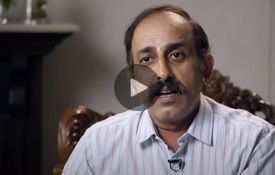
Parveen Singh
The Niva Bupa team was extremely helpful, be it day or night, someone was always available.


www.nivabupa.com

+91 11 30902010

1860-500-8888

CIN: L66000DL2008PLC182918
IRDAI Registration No. 145

Corporate Office: 3rd Floor, Capital Cyberscape, Sector 59, Gurgaon
Registered Office: C-98, First Floor, Lajpat Nagar, Part 1, Delhi-110024, India


