

Understanding PCOD Problems: Symptoms, Causes, and Treatments
18 September, 2024
19 Shares
3361 Reads
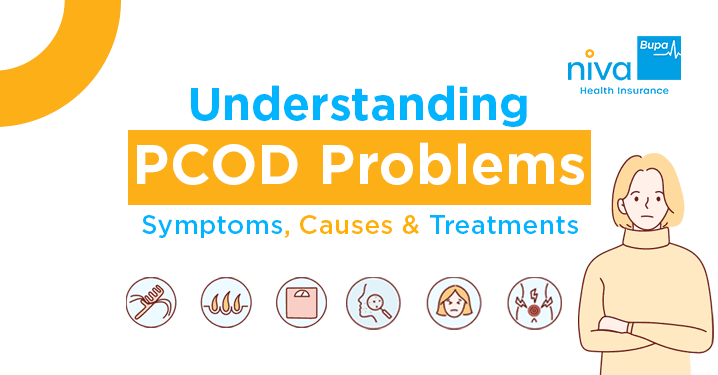
Polycystic Ovarian Disease (PCOD) is a common hormonal disorder affecting women of reproductive age. Despite its prevalence, many women remain unaware of its symptoms, causes, and treatment options. This article aims to provide a comprehensive understanding of PCOD, covering key aspects such as what PCOD is, its symptoms, underlying causes, and available treatments.
What is PCOD?
Polycystic Ovarian Disease, commonly referred to as PCOD, is a condition in which a woman's ovaries produce an excessive amount of androgens, male hormones that are usually present in women in small amounts. This hormonal imbalance leads to small, fluid-filled sacs or cysts in the ovaries. These ovarian cysts are not harmful but can lead to hormonal imbalances and various symptoms that affect a woman's overall health and fertility.
At What Age Does PCOD Start?
PCOD generally begins during a woman’s reproductive years, often in the late teens or early 20s. However, it can start as early as puberty when hormonal changes become pronounced. Early signs, such as irregular periods and weight gain, may sometimes go unnoticed or be misattributed to other factors.
Can PCOD Occur in Menopause?
PCOD symptoms generally ease after menopause, as ovarian function declines and hormone levels stabilise. However, the metabolic effects of PCOD, such as insulin resistance or an increased risk of diabetes and heart disease, can persist. Therefore, it is important to continue managing health even post-menopause.
Is PCOD Common?
Yes, PCOD is a common hormonal disorder and is a leading cause of infertility. According to the World Health Organisation (WHO), it affects around 8-13% of women of reproductive age globally. However, 70% of women remain underdiagnosed due to its diverse and overlapping symptoms, such as acne, hair growth, and menstrual irregularities.
Is There Any Difference between PCOD and PCOS?
The meaning of PCOD and PCOS is often used interchangeably in common parlance because both involve the ovaries and share similar symptoms. However, they are medically distinct conditions, with PCOS being more severe and associated with higher long-term health risks.
PCOD Problem Symptoms
Recognising PCOD problem symptoms early can help in managing the condition effectively. The symptoms can vary from woman to woman but typically include:
- Irregular Menstrual Cycles: Women with PCOD often experience infrequent, irregular, or prolonged menstrual cycles. This is due to the disruption in ovulation caused by hormonal imbalances.
- Excessive Hair Growth: Also known as hirsutism, excessive hair growth on the face, chest, and back is a common symptom due to high levels of androgens.
- Acne and Oily Skin: Hormonal changes can cause skin issues such as acne and increased oiliness.
- Weight Gain: Many women with PCOD struggle with weight gain and difficulty losing weight.
- Thinning Hair: Hair thinning or hair loss from the scalp is another symptom resulting from elevated androgen levels.
- Infertility: PCOD can affect a woman's ability to conceive due to irregular ovulation.
- Mood Changes: Women with PCOD often report mood swings, depression, and anxiety.
Can PCOD Lead to Other Health Issues?
Most people assume that PCOD only has an adverse effect on the reproductive system. But that’s not the case. In fact, PCOD increases the risk of the following health conditions:
- Diabetes and insulin resistance
- Heart disease
- Endometrial cancer
- Mental health disorders
How is PCOD Diagnosed?
Are you worried about what will happen when you visit the doctor for a PCOD diagnosis? The following points will give you clarity and relieve some anxiety:
Causes of PCOD
The exact cause of PCOD is not well understood, but several factors contribute to its development:
- Genetics: PCOD often runs in families, indicating a genetic predisposition.
- Insulin Resistance: Many women with PCOD have insulin resistance, which means their bodies cannot use insulin effectively. This leads to higher levels of insulin, which can increase androgen production.
- Inflammation: Low-grade inflammation is common in women with PCOD. This can stimulate polycystic ovaries to produce androgens.
- Hormonal Imbalances: Excessive levels of androgens and luteinising hormone (LH), along with low levels of sex hormone-binding globulin (SHBG), contribute to the symptoms of PCOD.
Is it Possible to Get Pregnant if You have PCOD?
Yes, it is possible to get pregnant if you have PCOD, but it might take some extra care and medical help. PCOD can cause irregular ovulation or, in some cases, no ovulation at all, which makes it harder to conceive naturally. However, many women with PCOD can still become pregnant with the right approach.
To improve your chances of getting pregnant:
- Lifestyle Changes: Maintaining a healthy weight through diet and exercise can regulate hormones and improve ovulation. Losing even a small percentage of body weight can make a big difference.
- Medications: Doctors may prescribe medications to help stimulate ovulation. In some cases, insulin-sensitising drugs like metformin are used to address insulin resistance.
- Fertility Treatments: If medications don’t work, assisted reproductive techniques like Intrauterine Insemination (IUI) or In-Vitro Fertilisation (IVF) can help. These methods are effective for women with severe PCOD or additional fertility issues.
It’s also important to manage stress and monitor other health factors like blood sugar levels, as these can affect fertility. With early diagnosis, proper treatment, and patience, many women with PCOD can successfully conceive and have healthy pregnancies. Always consult a fertility specialist or gynaecologist for a personalised plan.
PCOD Problem Treatment
While there is no cure for PCOD, various treatment options can help manage its symptoms and improve quality of life. PCOD problem treatment typically involves a combination of lifestyle changes, medication, and sometimes surgical intervention.
Lifestyle Changes:
- Diet and Exercise: Maintaining a healthy diet and regular physical activity can help manage weight, reduce insulin resistance, and improve overall health.
- Weight Loss: Even a modest weight loss can help regulate menstrual cycles and reduce PCOD symptoms.
Medications:
- Hormonal Birth Control: Birth control pills can regulate menstrual cycles, reduce androgen levels, and help with acne and excessive hair growth.
- Anti-Androgen Medications: These can help reduce excessive hair growth and acne.
- Metformin: This medication, often used for diabetes, can improve insulin resistance and regulate menstrual cycles.
- Fertility Treatments: For women struggling with infertility, medications like clomiphene can stimulate ovulation.
Surgical Options:
- Ovarian Drilling: A laparoscopic surgery that can lower androgen levels and help with ovulation.
Alternative Treatments:
- Acupuncture: Some studies suggest that acupuncture can help with hormone regulation and improve menstrual regularity.
- Herbal Supplements: Certain herbal treatments may offer relief, but it's important to consult a healthcare provider before starting any new regimen.
Coping with PCOD
Managing PCOD requires a holistic approach that includes medical treatment, lifestyle changes, and emotional support. Women with PCOD should work closely with their healthcare providers to develop a personalised treatment plan. Regular check-ups and monitoring are crucial for managing symptoms and preventing complications such as diabetes and heart disease.
Summing Up
Understanding PCOD is the first step towards managing it effectively. Recognising the symptoms, understanding the causes, and exploring various treatment options can significantly improve the quality of life for women affected by this condition. Early diagnosis and a comprehensive treatment plan are key to managing PCOD effectively.
If you or someone you know is struggling with PCOD, it's important to seek professional medical advice. For comprehensive health coverage that supports your journey through PCOD and other health conditions, consider exploring the benefits of Niva Bupa health insurance. Niva Bupa offers tailored health insurance plans to ensure you can access the best medical care and support when needed.
Take control of your health with Niva Bupa. Visit our website to learn more about our health insurance plans and find the right coverage for you. Your health and well-being are our top priorities.
Frequently Asked Questions
What is the relationship between weight gain and PCOD?
PCOD often leads to hormonal imbalances that can make it harder to manage weight. Insulin resistance, a common issue in PCOD, can cause fat storage and hinder weight loss. This creates a cycle that worsens symptoms.
Can PCOD be cured permanently?
PCOD cannot be permanently cured, but its symptoms can be effectively managed with lifestyle changes, medications, and hormonal treatments. Early diagnosis and consistent care can significantly reduce its impact on overall health.
How can you prevent PCOD?
While you can’t completely prevent PCOD due to genetic and hormonal factors, maintaining a healthy weight, exercising regularly, and following a balanced diet can help lower your risk and manage symptoms effectively.
Is hypothyroidism related to PCOD?
PCOD and hypothyroidism are distinct conditions, but they can influence each other due to their impact on hormonal balance. PCOD can contribute to insulin resistance and metabolic disturbances, which may increase the risk of developing hypothyroidism. Conversely, hypothyroidism can exacerbate PCOD symptoms by affecting ovarian function, leading to menstrual irregularities and worsening hormonal imbalances. Managing one condition can often help mitigate the effects of the other.
When should you see a doctor in case of PCOD?
You should consult a doctor if you experience irregular periods, excessive hair growth, acne, or difficulty conceiving. Early intervention helps manage symptoms and prevent long-term complications like diabetes or infertility.
Can you have PCOD without any symptoms?
Yes, some women with PCOD may not show noticeable symptoms, especially in the early stages. Routine check-ups and hormonal tests can help detect it even if symptoms are absent.
Is there a difference between PCOD and endometriosis?
Yes, PCOD is a hormonal disorder affecting ovarian function, while endometriosis involves the growth of uterine lining tissue outside the uterus. Both can cause infertility, but their causes, symptoms, and treatments differ significantly.
What are the hormones that are affected by PCOD?
PCOD primarily affects hormones like androgens, insulin, and Luteinising Hormone (LH). It can also disrupt levels of estrogen and progesterone, leading to menstrual irregularities and other symptoms.
Get right coverage, right premium and the right protection instantly.
 By clicking, I agree to Niva Bupa
 You may also like


Popular Searches
Health Insurance - Health Insurance | Best Family Health Insurance | Best Health Insurance For Senior Citizens In India | Health Insurance With Opd Cover | Mediclaim Insurance | Critical Illness Insurance | Personal Accident Insurance | Mediclaim Policy | Individual Health Insurance | Maternity Insurance | Best Health Insurance company | NRI Health Insurance
Health Insurance Schemes - PMMVY Login | PMJJBY Policy Status | Swasthya Sathi Card | PMSBY | ABHA Card Download | PMJJBY | Ayushman Card | PMMVY 2.0 | Ayushman Vay Vandana Card | PMMVY NIC IN रजिस्ट्रेशन | PMMVY 2.0 लॉगिन
Travel Insurance Plans - Travel Insurance | International Travel Insurance | Student Travel Insurance | Travel Insurance USA | Travel Insurance Canada | Travel Insurance Thailand | Travel Insurance Germany | Travel Insurance Dubai | Travel Insurance Bali | Travel Insurance Australia | Travel Insurance Schengen | Travel Insurance Singapore | Travel Insurance UK | Travel Insurance Vietnam | Travel Insurance Japan | Travel Insurance Spain | Travel Insurance Asia | Travel Insurance Netherlands | Travel Insurance Turkey | Travel Insurance Ireland | Travel Insurance Phillipines | Travel Insurace Italy | Travel Insurance France | Travel Insurance China | Travel Insurance Georgia | Travel Insurance South Africa | Travel Insurance Maldives | Travel Insurance Portugal | Travel Insurance Malaysia | Travel Insurance Qatar | Travel Insurance Poland | Travel Insurance Greece | Travel Insurance New zealand | Travel Insurance Saudi Arabia | Travel Insurance Sri Lanka
Become an Agent - Insurance Agent | Insurance Advisor | Licensed Insurance Agent | Health Insurance Consultant | POSP Insurance Agent | IRDA Certificate Download | IC 38 Exam | Insurance Agent vs POSP | IRDA Exam Syllabus | IRDAI Agent Locator | IRDA exam fee | Paise Kaise Kamaye | Ghar Baithe Paise Kaise Kamaye
Top Hospitals - Best Hospitals in Chennai | Top Hospitals in Delhi | Best Hospitals in Gurgaon | Best Hospitals in India | Top 10 Hospitals in India | Best Hospitals in Hyderabad | Best Hospitals in Kolkata | Best cancer hospitals in Bangalore | Best cancer hospitals in Hyderabad | Best cancer hospitals in Mumbai | Best cancer hospitals in India | Top 10 cancer hospitals in India
Others - Ayushman Bharat | Gst Refund for NRI on Health Insurance Premium | Health Insurance Tax Deductible
Health & Wellness - शिलाजीत के फायदे हिंदी | Weight Gain Diet in Hindi | Sat Isabgol Uses In Hindi | Aloe Vera Juice Benefits in Hindi | Dragon Fruit Benefits in Hindi | Akal Daad in Hindi | Acidity Home Remedies in Hindi | Nikat Drishti Dosh in Hindi | Yoga Benefits in Hindi | Laung Khane ke Fayde in Hindi | Leukoplakia in Hindi | Protien in 100g Paneer | Benefits of Rice Water For Skin | B12 Deficiency Symptoms in Hindi | Fibre Foods in Hindi | Chronic Disease Meaning in Hindi | Vitamin D Foods in Hindi | Blood Urea in Hindi | Beetroot Uses Good for Health
Calculator - BMI Calculator | Pregnancy Calculator | Pregnancy Calendar Based on Conception Date | Pregnancy Conception Date Calculator | Last Menstrual Period Calculator | BMR Calculator | GFR Calculator | Ovulation Calculator



www.nivabupa.com

+91 11 30902010

1860-500-8888

CIN: L66000DL2008PLC182918
IRDAI Registration No. 145

Corporate Office: 3rd Floor, Capital Cyberscape, Sector 59, Gurgaon
Registered Office: C-98, First Floor, Lajpat Nagar, Part 1, Delhi-110024, India


