

Heart Failure vs Heart Attack: Key Differences
19 August, 2026
14 Shares
139 Reads
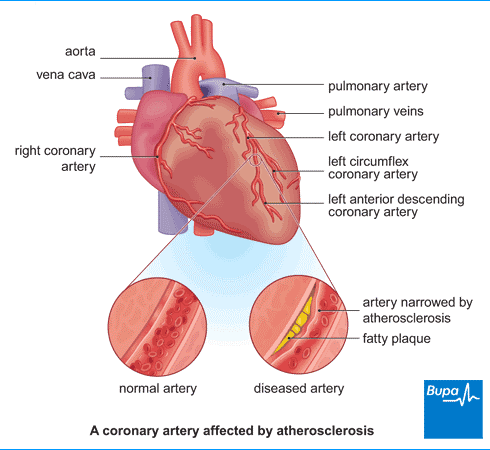
Heart attack and congestive heart failure are two of the most commonly confused terms in cardiac health, often used as though they describe the same problem. In reality, one is best understood as a plumbing issue, where blood flow through the heart's arteries is suddenly obstructed, while the other is a pumping issue, where the heart muscle itself gradually loses its efficiency over time. Each condition carries its own set of warning signs, diagnostic approach, and treatment path. Getting the heart failure vs heart attack distinction right can make all the difference in how quickly and appropriately someone responds. This becomes especially important for NRIs, who may need to navigate an unfamiliar healthcare system while making time-sensitive decisions about their heart health.
What Actually Happens During a Heart Attack?
A heart attack, medically known as a myocardial infarction, occurs when blood flow to a part of the heart muscle is abruptly blocked. Without oxygen-rich blood reaching that area, the affected tissue begins to die within minutes, making it a life-threatening emergency that requires immediate attention. Every moment that passes without treatment increases the risk of lasting damage.
Most heart attacks don't come out of nowhere; they stem from coronary artery disease. This happens when waxy plaque slowly piles up in the arteries responsible for delivering blood to your heart. When a piece of that plaque breaks off, a blood clot forms around it, completely blocking the artery . The result? Pain, damage, and a very serious situation.
What Are the Warning Signs?
Most people assume a heart attack hits with unmistakable chest pain; that gripping, crushing weight that leaves no room for doubt. But sometimes, it's far more subtle than that. The pain can also radiate to other places:
- One or both arms (especially the left)
- The back, neck, or jaw
- The upper stomach (sometimes mistaken for indigestion)
Other symptoms you need to know about:
- Shortness of breath, this can happen with or without chest pain
- Breaking out in a cold sweat
- Nausea or vomiting
- Lightheadedness or sudden dizziness
This is important: women and men don't always experience a heart attack in the same way. While chest pressure is still a possibility, women are more prone to crushing fatigue, upset stomach, or pain spreading to the jaw and back. The problem? These symptoms can be easy to overlook, as they don't always present as the classic signs of a heart attack, which often leads women to delay seeking medical attention. The best advice? Never second-guess a gut feeling. Call your local emergency services straight away, and let the professionals handle the transport. Driving yourself is never worth the gamble.
What Is Congestive Heart Failure?
Despite the word "failure," congestive heart failure (CHF) does not mean your heart has stopped working . It’s a chronic, progressive condition. It means the heart muscle has become too weak or too stiff to pump blood effectively . Over time, it can't keep up with the body’s demands. Blood and fluid may back up into the lungs, legs, ankles, and abdomen. That’s the "congestive" part .
It develops over months or even years. The heart tries to compensate by working harder, but eventually, it gives out.
What Does CHF Feel Like?
The symptoms of CHF are more about fluid buildup and fatigue than sudden, crushing pain. Here’s what to watch for:
- Shortness of breath: Especially when you're lying down or being active
- Swelling (oedema): In your feet, ankles, legs, or even your abdomen
- Persistent fatigue: Feeling wiped out even after resting
- A persistent cough or wheezing: Sometimes producing pink, frothy mucus
- Unexplained weight gain: This is often from fluid retention
What Is the Difference Between Heart Failure and Heart Attack?
This table breaks down the heart failure vs heart attack differences at a glance.
Here’s the simplest way to remember the difference. A heart attack is a plumbing problem. A pipe (artery) gets blocked, and the water (blood) can't get through. Congestive heart failure is a pumping problem. The pump (heart) is just too worn out or stiff to push the water (blood) where it needs to go. Different problems, different solutions.
How Do Onset and Urgency Differ?
When it comes to heart failure vs heart attack, timing is one of the clearest ways to tell them apart. A heart attack is an emergency situation. The blockage needs to be cleared within hours to prevent permanent damage. Don't wait to see if it passes. Congestive heart failure usually develops slowly. You might notice you're getting more out of breath over a few months. While it's not an immediate emergency like a heart attack, it does require urgent medical attention and lifelong management.
Can a Heart Attack Lead to Congestive Heart Failure?
A heart attack doesn't just damage your heart; it can set the stage for future problems. When heart muscle dies during a heart attack, the surviving tissue has to work harder to compensate. But scar tissue doesn’t pump. Over time, this extra strain can weaken the entire heart, eventually leading to CHF. In fact, a history of a heart attack is one of the most common causes of heart failure.
Which Type of Heart Failure Is Linked to Heart Attacks?
When a heart attack does lead to heart failure, it's usually a specific type called heart failure with reduced ejection fraction (HFrEF), also known as systolic heart failure. What that means in simple terms is that the left ventricle, which is the heart's main pumping chamber, loses its ability to squeeze properly. So it can't push out enough blood to meet the body's demands. There's another form you might come across too, heart failure with preserved ejection fraction, or HFpEF. This one's more common in women and in people dealing with high blood pressure. Here, the problem isn't a weak squeeze; it's that the heart muscle gets stiff and can't relax enough to fill up with blood the way it should.
What Are the Symptoms and How Can You Tell Them Apart?
Recognising the symptom patterns is often the fastest way to settle the heart failure vs heart attack question at the moment.
Emergency Warning Signs of a Heart Attack
Call your local emergency services immediately if you or someone else experiences:
- Chest discomfort that lasts more than a few minutes, or goes away and returns.
- Pain or discomfort radiating to the arms, back, neck, jaw, or upper stomach.
- Shortness of breath with or without chest discomfort.
- Breaking out in a cold sweat, nausea, or light-headedness .
Don't tough it out. Time is muscle.
Progressive Symptoms of Congestive Heart Failure
You should see a doctor if you notice these symptoms developing gradually:
- Shortness of breath during daily activities (like climbing stairs) or when lying flat
- Swelling in your feet, ankles, legs, or abdomen.
- Significant and unexplained fatigue or weakness.
- Rapid weight gain from fluid retention.
Do Symptoms Differ Between Men and Women?
Yes, and this is often overlooked. Men typically experience the classic "elephant on the chest" symptom during a heart attack. Women are more likely to have subtle symptoms like nausea, abdominal discomfort, and unusual fatigue. This can lead to misdiagnosis or delays in treatment. For CHF, while the disease symptomatology is similar, women tend to develop heart failure with preserved ejection fraction more often than men.
How Are Heart Attack and Heart Failure Diagnosed?
- Heart Attack Diagnosis: Doctors will look for tell-tale signs. An ECG (electrocardiogram) checks the heart's electrical activity. A blood test measures troponin levels, a protein released when heart muscle is damaged.
- CHF Diagnosis: Diagnosis usually involves an echocardiogram, an ultrasound of the heart that shows how well it's pumping. A BNP or NT-proBNP blood test is a key marker for heart failure. A chest X-ray can show fluid buildup in the lungs.
What Are the Treatment Approaches?
- Heart Attack Treatment: The focus is on rapid intervention. This includes clot-busting drugs and procedures like angioplasty and stenting to open the blocked artery. In severe cases, bypass surgery (CABG) might be needed.
- CHF Treatment: Managing CHF is a long-term commitment, and critical illness insurance may help provide financial support during prolonged treatment, depending on the policy terms. It involves a combination of medications (like ACE inhibitors, beta-blockers, and diuretics to remove excess fluid), lifestyle changes (low-salt diet, fluid monitoring), and possibly implanted devices like pacemakers or ICDs.
Conclusion
The key takeaway: a heart attack is a sudden plumbing emergency. Congestive heart failure is a slow, progressive pump failure. They’re related, but they’re not the same thing.
Understanding the distinction between a heart failure vs heart attack situation isn’t just medical trivia. It's about knowing when to call an ambulance and when to schedule a doctor's appointment. It’s about recognising subtle symptoms in yourself or a loved one, and acting before it's too late.
Your heart works tirelessly for you, every second of every day. Understanding these conditions is the first step in returning the favour. Listen to your body. Know your numbers, and ensure you have a family health insurance plan that supports timely access to medical care. And if you ever feel something is off, don't second-guess yourself. Seek help. And for NRIs, where a cardiac emergency abroad can mean navigating both unfamiliar hospitals and unexpected costs at the same time, having an NRI health insurance plan from Niva Bupa means one less thing to worry about when every minute counts.
Frequently Asked Questions
Is congestive heart failure the same as a heart attack?
No, they are distinct. A heart attack is an acute blockage of blood flow. Congestive heart failure is a chronic condition where the heart can't pump efficiently. One is a plumbing issue, the other is a pump issue.
Can congestive heart failure cause a heart attack?
CHF doesn't directly trigger a heart attack, but it significantly increases your risk. The conditions share risk factors and the strain of a failing heart can make a heart attack more likely.
Can you have both a heart attack and heart failure at the same time?
Absolutely. In fact, a heart attack is one of the leading causes of heart failure. The damage from a heart attack can weaken the heart muscle, leading to CHF later on .
Which is more dangerous: a heart attack or heart failure?
Both are serious, but in different ways. A heart attack is an immediate, life-threatening emergency that requires urgent care. Heart failure is a chronic, progressive condition that can become life-threatening if left untreated.
How soon after a heart attack can heart failure develop?
It can develop immediately after a large heart attack or gradually over years, depending on the extent of the damage and how well you manage your heart health. Prompt treatment of a heart attack is crucial to minimising the risk of future CHF.
Get right coverage, right premium and the right protection instantly.
 By clicking, I agree to Niva Bupa
 You may also like



Popular Searches
Health Insurance - Health Insurance | Best Family Health Insurance | Best Health Insurance For Senior Citizens In India | Health Insurance With Opd Cover | Mediclaim Insurance | Critical Illness Insurance | Personal Accident Insurance | Mediclaim Policy | Individual Health Insurance | Maternity Insurance | Best Health Insurance company | NRI Health Insurance
Health Insurance Schemes - PMMVY Login | PMJJBY Policy Status | Swasthya Sathi Card | PMSBY | PMJJBY | Ayushman Card | PMMVY 2.0 | Ayushman Vay Vandana Card | PMMVY NIC IN रजिस्ट्रेशन | PMMVY 2.0 लॉगिन
Travel Insurance Plans - Travel Insurance | International Travel Insurance | Student Travel Insurance | Travel Insurance USA | Travel Insurance Canada | Travel Insurance Thailand | Travel Insurance Germany | Travel Insurance Dubai | Travel Insurance Bali | Travel Insurance Australia | Travel Insurance Schengen | Travel Insurance Singapore | Travel Insurance UK | Travel Insurance Vietnam | Travel Insurance Japan | Travel Insurance Spain | Travel Insurance Asia | Travel Insurance Netherlands | Travel Insurance Turkey | Travel Insurance Ireland | Travel Insurance Phillipines | Travel Insurace Italy | Travel Insurance France | Travel Insurance China | Travel Insurance Georgia | Travel Insurance South Africa | Travel Insurance Maldives | Travel Insurance Portugal | Travel Insurance Malaysia | Travel Insurance Qatar | Travel Insurance Poland | Travel Insurance Greece | Travel Insurance New zealand | Travel Insurance Saudi Arabia | Travel Insurance Sri Lanka
Become an Agent - Insurance Agent | IRDA Certificate Download | IRDA Exam Syllabus | IRDA exam fee | Paise Kaise Kamaye | Ghar Baithe Paise Kaise Kamaye
Top Hospitals - Best Hospitals in Gurgaon
Others - Ayushman Bharat | Gst Refund for NRI on Health Insurance Premium
Health & Wellness - शिलाजीत के फायदे हिंदी | Weight Gain Diet in Hindi | Sat Isabgol Uses In Hindi | Aloe Vera Juice Benefits in Hindi | Dragon Fruit Benefits in Hindi | Akal Daad in Hindi | Acidity Home Remedies in Hindi | Nikat Drishti Dosh in Hindi | Yoga Benefits in Hindi | Laung Khane ke Fayde in Hindi | Leukoplakia in Hindi | Protien in 100g Paneer | Benefits of Rice Water For Skin | B12 Deficiency Symptoms in Hindi | Fibre Foods in Hindi | Chronic Disease Meaning in Hindi | Vitamin D Foods in Hindi | Blood Urea in Hindi | Beetroot Uses Good for Health
Calculator - BMI Calculator | Pregnancy Calculator | Pregnancy Calendar Based on Conception Date | Pregnancy Conception Date Calculator | Last Menstrual Period Calculator | BMR Calculator | GFR Calculator | Ovulation Calculator



www.nivabupa.com

+91 11 30902010

1860-500-8888

CIN: L66000DL2008PLC182918
IRDAI Registration No. 145

Corporate Office: 3rd Floor, Capital Cyberscape, Sector 59, Gurgaon
Registered Office: C-98, First Floor, Lajpat Nagar, Part 1, Delhi-110024, India


