

Understanding Hemoglobin Levels During Pregnancy: Causes, Diet, and Care
7 April, 2026
9 Shares
103 Reads
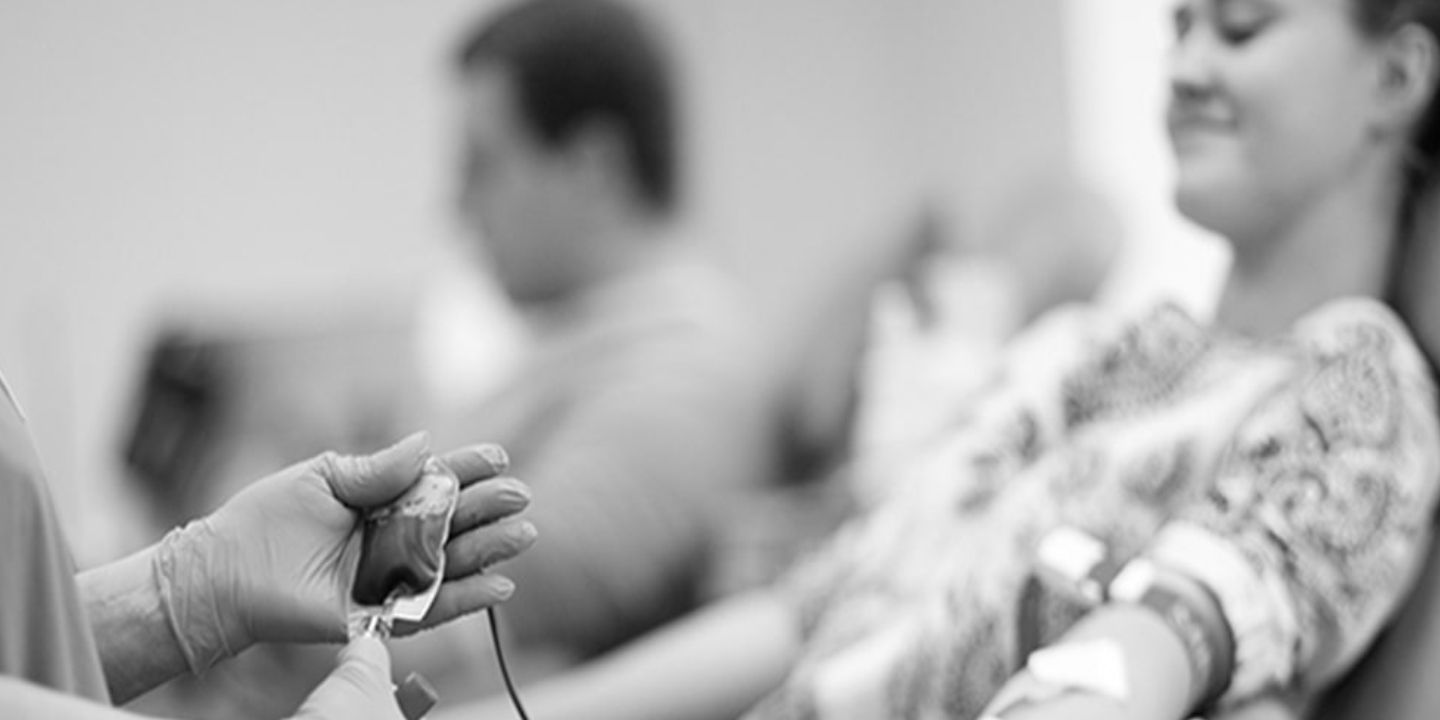
Pregnancy is a period of continuous change as the body adjusts to support both maternal health and foetal development. During this time, several health indicators are monitored to ensure that these changes remain within a healthy range. One such important parameter is hemoglobin, which plays a key role in transporting oxygen throughout the body. Maintaining balanced levels supports daily functioning and overall well-being during pregnancy.
Many individuals begin to look into how to increase hemoglobin during pregnancy when routine blood tests indicate a lower level than expected. While such variations can occur naturally due to physiological changes, understanding what influences haemoglobin levels can help manage them effectively. A clear understanding of causes, symptoms, and supportive measures allows individuals to respond more informedly and calmly.
Why Is Hemoglobin Important During Pregnancy?
Hemoglobin is a protein found in red blood cells that helps transport oxygen from the lungs to different parts of the body. During pregnancy, blood volume increases to support the developing foetus. This natural change increases the body’s need for hemoglobin to ensure an adequate oxygen supply. Maintaining balanced levels helps support overall well-being during this period.
If hemoglobin levels fall below the expected range, oxygen delivery may become less efficient. This can sometimes lead to symptoms such as tiredness or reduced physical stamina, although the experience may vary. These changes usually develop over time and may not be easily noticed at first. Understanding how to increase hemoglobin during pregnancy often begins with recognising its role in supporting both maternal health and the baby’s development.
What Causes Hemoglobin Levels to Drop?
A decrease in hemoglobin during pregnancy is often linked to physiological adjustments. As blood volume increases, the liquid component rises more rapidly than the number of red blood cells. This can create a temporary dilution effect, which may appear as lower hemoglobin levels in blood tests. Such changes are commonly observed as the body adapts to support the developing baby.
Nutritional factors may also contribute to this change. The body requires adequate iron, folic acid, and vitamin B12 to produce red blood cells efficiently. If the intake of these nutrients is insufficient, hemoglobin levels may not keep pace with increased demands. For individuals exploring how to increase hemoglobin in a week during pregnancy, it is important to understand that improvement usually occurs gradually rather than instantly.
What Symptoms May Indicate Low Hemoglobin Levels?
Low hemoglobin levels may present with mild, gradually developing symptoms. These symptoms may overlap with general pregnancy-related fatigue, which can make them less noticeable at first.
Common signs that may be observed include:
- Persistent tiredness or reduced energy levels
- Shortness of breath during routine activities
- Pale appearance of the skin or inner eyelids
- Occasional dizziness or light-headedness
These symptoms do not confirm low hemoglobin on their own. A proper diagnosis requires a blood test conducted during routine antenatal care. Observing these signs, however, can prompt a timely medical consultation.
How Does Diet Help Support Hemoglobin Levels?
Diet plays a central role in maintaining hemoglobin levels during pregnancy. Iron-rich foods directly support red blood cell production, while certain vitamins help improve iron absorption in the body.
Foods that may support hemoglobin levels include:
- Green leafy vegetables such as spinach
- Pulses like lentils and beans
- Whole grains and fortified cereals
- Nuts, seeds, and dried fruits
- Lean sources of protein
Vitamin C enhances iron absorption and can be included through fruits such as oranges, guava, and berries. When considering how to increase hemoglobin during pregnancy, maintaining a balanced, nutrient-rich diet is often one of the most effective steps.
Can Hemoglobin Levels Improve Within a Week?
It is common for individuals to look for quick improvements after receiving test results. However, hemoglobin production is a gradual process that depends on the body’s ability to form new red blood cells. This process takes time and cannot be accelerated instantly. Changes in levels usually reflect consistent efforts rather than immediate action.
Even with dietary changes or supplementation, it may take several days to weeks for measurable improvement to appear in blood test results. The body needs time to absorb nutrients and convert them into haemoglobin effectively. For those researching how to increase hemoglobin in a week during pregnancy, focusing on consistency in diet and treatment is generally more beneficial. Maintaining steady habits often supports more reliable outcomes.
What Medical Treatments May Be Recommended?
Healthcare providers may recommend treatment based on the severity of hemoglobin levels and individual health needs. These recommendations are designed to correct deficiencies while ensuring safety during pregnancy.
Common medical approaches include:
- Iron supplements are prescribed in appropriate doses
- Folic acid and vitamin B12 supplementation
- Adjustments to diet based on nutritional requirements
In certain cases, additional interventions may be considered if levels remain low. Understanding how to increase hemoglobin during pregnancy often involves combining medical advice with supportive dietary changes.
How Do Iron Supplements Support Recovery?
Iron supplements are often recommended when dietary intake alone may not meet the body’s increased requirements during pregnancy. They provide a concentrated source of iron, which helps support the production of red blood cells. This can help improve hemoglobin levels over time when taken as advised. The approach is usually tailored based on individual health needs and medical guidance.
The effectiveness of supplements depends on how well the body absorbs iron. Taking them with vitamin C-rich foods may support better absorption, while beverages such as tea or coffee may reduce it. Individuals seeking to increase hemoglobin in a week during pregnancy are generally advised to take supplements consistently. Maintaining realistic expectations is important, as improvement usually occurs gradually rather than immediately.
Do Lifestyle Habits Make a Difference?
Lifestyle factors can influence how effectively the body responds to dietary and medical interventions. While they may not directly increase hemoglobin levels, they can support overall health and nutrient utilisation.
Helpful habits may include:
- Eating meals at regular intervals
- Staying adequately hydrated
- Getting sufficient rest
- Limiting substances that may affect nutrient absorption
These practices support the body’s natural processes and complement efforts to increase hemoglobin during pregnancy.
When Should Medical Advice Be Sought?
Routine antenatal check-ups include blood tests to monitor hemoglobin levels. If levels are lower than expected, healthcare providers may suggest further evaluation or adjust the treatment plan. Regular monitoring helps identify changes early and supports timely care. This approach allows for better management throughout pregnancy.
Symptoms such as ongoing fatigue, dizziness, or breathlessness may also require attention. These signs can have different causes, so a professional assessment is important to determine the exact reason. Individuals seeking to increase hemoglobin levels within a week during pregnancy may benefit from a timely consultation. Medical guidance helps ensure that any approach followed is safe and appropriate.
What Are Some Common Misconceptions?
There is often a belief that hemoglobin levels can increase rapidly over a very short period. While certain measures may support improvement, the body requires time to produce new red blood cells. This process happens gradually and may not show immediate results in blood tests. Expecting quick changes may lead to confusion about progress.
Another misconception is that dietary changes alone are always sufficient to improve levels. In some cases, supplementation may be necessary to address deficiencies effectively and maintain stability. The approach usually depends on individual nutritional needs and medical advice. Understanding realistic expectations is important when considering how to increase hemoglobin during pregnancy, as gradual improvement is more common than immediate change.
How Does Monitoring Support Better Outcomes?
Regular monitoring allows healthcare providers to track hemoglobin levels over time and understand how the body responds to treatment. This process helps in making timely adjustments to dietary or medical plans based on individual needs. Blood tests offer measurable insights that support informed decisions. Such monitoring also brings reassurance as changes are observed gradually.
Consistent follow-ups help individuals stay aware of their progress and any required modifications in care. Observing patterns over time makes it easier to understand how the body is responding. For those looking to increase hemoglobin in a week during pregnancy, this approach provides clearer guidance. It also supports a more structured, steady approach to managing hemoglobin levels.
What Should Be Kept in Mind Throughout Pregnancy?
Each pregnancy is different, and hemoglobin levels may vary based on individual health, diet, and lifestyle. Personalised care is therefore essential for maintaining balanced levels. Paying attention to regular health check-ups helps track these changes over time. This approach supports a better understanding of the body’s needs during pregnancy.
Balanced nutrition, adherence to medical advice, and regular check-ups contribute to overall well-being during pregnancy. These steps focus on long-term health rather than immediate outcomes. Individuals exploring how to increase hemoglobin during pregnancy may benefit from maintaining consistent daily habits. Following guidance from healthcare professionals can help maintain stable, healthy levels.
Conclusion
Maintaining appropriate hemoglobin levels during pregnancy requires balanced nutrition, medical guidance, and consistent monitoring. While temporary reductions may occur due to increased demands on the body, steady and well-managed approaches can support gradual improvement over time. Understanding the body’s needs and responding with appropriate care helps in maintaining overall well-being.
Access to reliable healthcare support also plays an important role during this period. Being aware of available healthcare services, including options such as Niva Bupa Health Insurance, can help individuals stay prepared for routine check-ups, medical consultations, and pregnancy-related care needs across different stages.
People Also Ask
1. What is considered a normal hemoglobin level during pregnancy?
Hemoglobin levels can vary depending on the stage of pregnancy. Healthcare providers usually assess levels through routine blood tests and compare them with expected ranges for each trimester. These ranges help determine whether levels are within a healthy limit or require attention.
2. Can low hemoglobin affect daily activities during pregnancy?
Lower hemoglobin levels may cause symptoms such as fatigue or reduced energy. These changes can influence daily comfort, especially during physical activity. However, the impact varies between individuals and depends on overall health and nutritional status.
3. Which foods are commonly recommended to support hemoglobin levels?
Foods rich in iron, such as leafy green vegetables, pulses, whole grains, and dried fruits, are often included in daily meals. Vitamin C-rich foods, such as citrus fruits, may also support better iron absorption when consumed with meals.
4. How often should hemoglobin levels be checked during pregnancy?
Hemoglobin levels are typically monitored during routine antenatal visits. The frequency of testing may vary based on individual health conditions and previous test results. Regular monitoring helps track changes and guide any necessary adjustments.
5. Are supplements always required to maintain hemoglobin levels?
Supplements are not always necessary for everyone. Some individuals may maintain adequate levels through diet alone, while others may require additional support based on their nutritional needs. Healthcare providers usually recommend supplements only when needed after proper evaluation.
Get right coverage, right premium and the right protection instantly.
 By clicking, I agree to Niva Bupa
 You may also like



Popular Searches
Health Insurance - Health Insurance | Best Family Health Insurance | Best Health Insurance For Senior Citizens In India | Health Insurance With Opd Cover | Mediclaim Insurance | Critical Illness Insurance | Personal Accident Insurance | Mediclaim Policy | Individual Health Insurance | Maternity Insurance | Best Health Insurance company | NRI Health Insurance
Health Insurance Schemes - PMMVY Login | PMJJBY Policy Status | Swasthya Sathi Card | PMSBY | PMJJBY | Ayushman Card | PMMVY 2.0 | Ayushman Vay Vandana Card | PMMVY NIC IN रजिस्ट्रेशन | PMMVY 2.0 लॉगिन
Travel Insurance Plans - Travel Insurance | International Travel Insurance | Student Travel Insurance | Travel Insurance USA | Travel Insurance Canada | Travel Insurance Thailand | Travel Insurance Germany | Travel Insurance Dubai | Travel Insurance Bali | Travel Insurance Australia | Travel Insurance Schengen | Travel Insurance Singapore | Travel Insurance UK | Travel Insurance Vietnam | Travel Insurance Japan | Travel Insurance Spain | Travel Insurance Asia | Travel Insurance Netherlands | Travel Insurance Turkey | Travel Insurance Ireland | Travel Insurance Phillipines | Travel Insurace Italy | Travel Insurance France | Travel Insurance China | Travel Insurance Georgia | Travel Insurance South Africa | Travel Insurance Maldives | Travel Insurance Portugal | Travel Insurance Malaysia | Travel Insurance Qatar | Travel Insurance Poland | Travel Insurance Greece | Travel Insurance New zealand | Travel Insurance Saudi Arabia | Travel Insurance Sri Lanka
Become an Agent - Insurance Agent | IRDA Certificate Download | IRDA Exam Syllabus | IRDA exam fee | Paise Kaise Kamaye | Ghar Baithe Paise Kaise Kamaye
Top Hospitals - Best Hospitals in Gurgaon
Others - Ayushman Bharat | Gst Refund for NRI on Health Insurance Premium
Health & Wellness - शिलाजीत के फायदे हिंदी | Weight Gain Diet in Hindi | Sat Isabgol Uses In Hindi | Aloe Vera Juice Benefits in Hindi | Dragon Fruit Benefits in Hindi | Akal Daad in Hindi | Acidity Home Remedies in Hindi | Nikat Drishti Dosh in Hindi | Yoga Benefits in Hindi | Laung Khane ke Fayde in Hindi | Leukoplakia in Hindi | Protien in 100g Paneer | Benefits of Rice Water For Skin | B12 Deficiency Symptoms in Hindi | Fibre Foods in Hindi | Chronic Disease Meaning in Hindi | Vitamin D Foods in Hindi | Blood Urea in Hindi | Beetroot Uses Good for Health
Calculator - BMI Calculator | Pregnancy Calculator | Pregnancy Calendar Based on Conception Date | Pregnancy Conception Date Calculator | Last Menstrual Period Calculator | BMR Calculator | GFR Calculator | Ovulation Calculator



www.nivabupa.com

+91 11 30902010

1860-500-8888

CIN: L66000DL2008PLC182918
IRDAI Registration No. 145

Corporate Office: 3rd Floor, Capital Cyberscape, Sector 59, Gurgaon
Registered Office: C-98, First Floor, Lajpat Nagar, Part 1, Delhi-110024, India


