

Multiple Myeloma: Symptoms, Diagnosis & Treatment
11 March, 2026
7 Shares
230 Reads
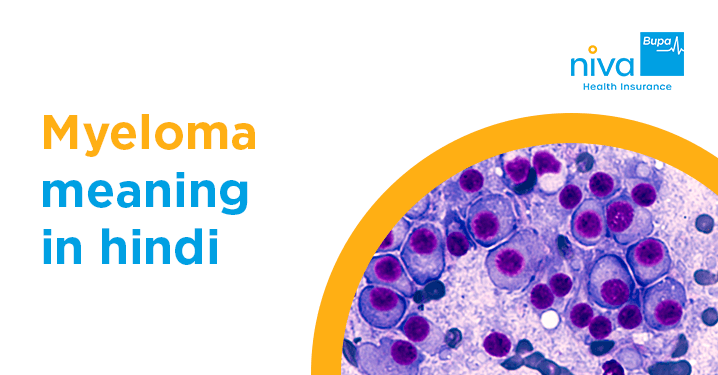
Sometimes health problems don’t show up in obvious ways. A person might feel more tired than usual, catch infections more often, or notice nagging pain in their bones. These signs can seem ordinary, yet they may be linked to something deeper.
That deeper issue could be multiple myeloma, a cancer of plasma cells in the blood. Plasma cells normally help the body fight infections, but in this condition, they grow uncontrollably and interfere with healthy blood function. Over time, this can affect bones, kidneys, and overall strength.
By looking at the symptoms, how doctors diagnose the disease, and the treatments available today, you can understand multiple myeloma in a clear and practical way.
What Is Multiple Myeloma?
Multiple myeloma (also called Kahler’s disease or plasma cell myeloma) is a kind of blood cancer that starts in plasma cells, which are a type of white blood cell found in the bone marrow. Bone marrow is the soft tissue inside our bones where new blood cells are made. In a healthy body, plasma cells create antibodies that help fight infections.
In Kahler’s disease, these plasma cells become abnormal and grow too quickly. They crowd out healthy blood‑forming cells, and instead of making useful antibodies, they produce large amounts of faulty proteins. These proteins can build up in the blood and urine, causing complications.
Since plasma cells live in the bone marrow, the disease often affects several bones at the same time. That is why it is called “multiple” myeloma.
How Multiple Myeloma Affects the Body
The effects of this disease are not limited to the blood. As abnormal plasma cells grow, they interfere with normal body functions in several ways:
Bone Damage
Plasma cells affected by cancer release substances that speed up bone loss. Over time, bones become weak and more likely to break. This often leads to ongoing pain in areas like the back, ribs, or hips. Regular movement or even small injuries can make the discomfort worse.
Anaemia
When the bone marrow is crowded with abnormal cells, it produces fewer red blood cells. This results in anaemia, which causes tiredness, shortness of breath, and weakness. Everyday tasks may start to feel more exhausting than before.
Increased Risk of Infections
Healthy plasma cells are reduced, leaving the immune system less effective. People may catch infections more often and take longer to recover. Even common illnesses like colds or flu can feel harder to fight off.
Kidney Problems
The abnormal proteins made by myeloma cells can damage the kidneys. High calcium levels from bone breakdown also put extra strain on kidney function. Over time, this can lead to reduced kidney performance and related health issues.
Common Symptoms of Multiple Myeloma
The symptoms of multiple myeloma often develop slowly and can be confused with other health problems. Some of the most common signs include:
- Ongoing bone pain that does not improve easily, often felt in the back, ribs, or hips. This pain can make daily movement more difficult over time.
- Unexplained fractures that occur even with minor strain. Weak bones are more likely to break without a clear injury.
- Persistent tiredness that does not go away with rest. This fatigue can affect concentration and energy levels throughout the day.
- Frequent infections that keep coming back. The body’s ability to fight illness becomes weaker, making recovery slower.
- Unexplained weight loss that happens without changes in diet or lifestyle. This can be a sign that the body is under stress from the disease.
- Nausea or constipation is linked to high calcium levels. These digestive issues may also be accompanied by loss of appetite.
- Increased thirst or urination that feels unusual. This can be related to kidney strain caused by abnormal proteins and high calcium.
Doctors often use the “CRAB” features to describe the main complications:
C- High Calcium,
R- Kidney (renal) problems,
A- Anaemia,
B- Bone damage.
Not everyone experiences all of these symptoms at once. In some cases, plasma cell myeloma is found during routine blood tests before severe signs appear.
How Is Multiple Myeloma Diagnosed?
Catching multiple myeloma early makes a big difference in how well it can be managed. Doctors usually use a mix of tests to confirm the disease and understand how far it has progressed.
Blood Tests
Blood tests are often the first step. They can show low red blood cell counts, high calcium levels, or signs of kidney problems. They also help detect abnormal proteins made by myeloma cells. Special blood tests can measure protein levels and highlight unusual antibodies.
Urine Tests
Urine tests can reveal abnormal proteins that pass through the kidneys. These proteins are often called light chains, and finding them can point to myeloma activity.
Bone Marrow Biopsy
A bone marrow biopsy is a key test for diagnosis. Doctors take a small sample of bone marrow, usually from the hip, and examine it under a microscope. This helps confirm the presence of abnormal plasma cells.
Imaging Tests
Scans such as X‑rays, MRI, CT, or PET are used to check for bone damage. They can show areas where the disease has spread and help assess the risk of fractures.
Treatment Options for Multiple Myeloma
Treatment for multiple myeloma depends on the stage of the disease, overall health, and the symptoms a person is experiencing. While it is usually considered treatable rather than curable, modern therapies can help control it for many years and improve quality of life.
Targeted Therapy
Targeted medicines are designed to attack specific weaknesses in cancer cells. By interfering with the way these cells grow and survive, they slow down the disease. This approach often causes fewer side effects compared to traditional treatments, making it easier for patients to continue daily activities.
Immunotherapy
Immunotherapy works by boosting the body’s own immune system so it can recognise and destroy abnormal plasma cells. This method has brought major improvements in outcomes in recent years. Many patients benefit from longer periods of remission and a stronger defence against the disease.
Chemotherapy
Chemotherapy uses powerful drugs to kill rapidly dividing cells, including myeloma cells. It can be given on its own or combined with other treatments. Although side effects are common, doctors carefully adjust doses to balance effectiveness with patient comfort.
Steroids
Steroids are often used alongside other therapies. They help reduce inflammation and can directly kill myeloma cells. In addition, they make other treatments more effective, which is why they are a regular part of many treatment plans.
Stem Cell Transplant
For patients who are suitable, a stem cell transplant may be recommended. This involves high‑dose chemotherapy followed by healthy stem cells to rebuild the bone marrow. The procedure can extend remission and give patients better long‑term control of the disease. Recovery takes time, but the benefits can be significant.
Radiation Therapy
Radiation is used to target specific areas of bone damage or relieve pain. It can strengthen weakened bones and reduce discomfort, helping patients maintain mobility and independence.
Living with Multiple Myeloma
A diagnosis of plasma cell myeloma often means regular monitoring and ongoing treatment. Doctors usually rely on blood tests and scans to keep track of how the disease is behaving and to adjust care when needed.
Fatigue is one of the most common challenges, so finding a balance between rest and gentle activity can make a big difference. Light exercise, when possible, helps maintain strength and energy. Eating a nutrient-rich diet supports the immune system and aids recovery, while staying hydrated is equally important.
Emotional well-being matters too. Counselling, support groups, or simply talking with loved ones can ease the stress of long‑term treatment. Since treatment plans may change over time, keeping open communication with healthcare providers ensures that adjustments are made quickly and appropriately.
Conclusion
Plasma cell myeloma is a complex condition that often develops quietly, with symptoms that can be easy to miss. Early diagnosis, timely treatment, and regular monitoring are essential for improving outcomes and maintaining quality of life. With medical progress bringing more effective therapies, long‑term control of the disease has become increasingly possible.
Many people living abroad are not fully aware that they can access treatment in India with relative ease. The country has advanced medical facilities and experienced specialists who regularly manage this condition, yet the journey can still feel demanding. The challenges are not only medical but also financial, especially when extended hospital stays are needed during visits.
Planning ahead with structured health insurance coverage becomes an important step. Choosing a policy such as Niva Bupa NRI Health Insurance can provide financial reassurance and ensure continuity of care whenever treatment is required.
Frequently Asked Questions
Q1. What exactly happens in multiple myeloma?
In this, abnormal plasma cells build up in the bone marrow and interfere with the production of healthy blood cells. These cancerous cells also produce harmful proteins that can damage organs such as the kidneys and weaken the bones.
Q2. What symptoms usually appear first?
Early symptoms are often subtle and may include ongoing fatigue, mild bone pain, or frequent infections. Because these signs can seem common, the condition is sometimes discovered through routine blood investigations rather than obvious complaints.
Q3. Which tests are used to confirm the diagnosis?
Doctors typically rely on blood tests, urine analysis, imaging scans, and a bone marrow biopsy. These tests help detect abnormal proteins, assess bone damage, and determine the number of affected plasma cells.
Q4. What treatment options are commonly recommended?
Treatment may include targeted therapy, immunotherapy, chemotherapy, steroids, or stem cell transplantation. The choice depends on age, overall health, disease stage, and how aggressively it is progressing.
Q5. Can lifestyle changes help during treatment?
While medical therapy is essential, supportive measures such as a balanced diet, adequate hydration, infection prevention, and gentle physical activity can help maintain strength and improve overall well-being during treatment.
Get right coverage, right premium and the right protection instantly.
 By clicking, I agree to Niva Bupa
 You may also like



Health Insurance - Health Insurance | Best Family Health Insurance | Best Health Insurance For Senior Citizens In India | Health Insurance With Opd Cover | Mediclaim Insurance | Critical Illness Insurance | Personal Accident Insurance | Mediclaim Policy | Individual Health Insurance | Maternity Insurance | Best Health Insurance company | NRI Health Insurance
Health Insurance Schemes - PMMVY Login | PMJJBY Policy Status | Swasthya Sathi Card | PMSBY | PMJJBY | Ayushman Card | PMMVY 2.0 | Ayushman Vay Vandana Card | PMMVY NIC IN रजिस्ट्रेशन | PMMVY 2.0 लॉगिन
Travel Insurance Plans - Travel Insurance | International Travel Insurance | Student Travel Insurance | Travel Insurance USA | Travel Insurance Canada | Travel Insurance Thailand | Travel Insurance Germany | Travel Insurance Dubai | Travel Insurance Bali | Travel Insurance Australia | Travel Insurance Schengen | Travel Insurance Singapore | Travel Insurance UK | Travel Insurance Vietnam | Travel Insurance Japan | Travel Insurance Spain | Travel Insurance Asia | Travel Insurance Netherlands | Travel Insurance Turkey | Travel Insurance Ireland | Travel Insurance Philippines | Travel Insurance Italy | Travel Insurance France | Travel Insurance China | Travel Insurance Georgia | Travel Insurance South Africa | Travel Insurance Maldives | Travel Insurance Portugal | Travel Insurance Malaysia | Travel Insurance Qatar | Travel Insurance Poland | Travel Insurance Greece | Travel Insurance New zealand | Travel Insurance Saudi Arabia | Travel Insurance Sri Lanka
Become an Agent - Insurance Agent
Top Hospitals - Best Hospitals in Gurgaon
Others - Ayushman Bharat | Gst Refund for NRI on Health Insurance Premium
Health & Wellness - शिलाजीत के फायदे हिंदी | Weight Gain Diet in Hindi | Sat Isabgol Uses In Hindi | Aloe Vera Juice Benefits in Hindi | Dragon Fruit Benefits in Hindi | Akal Daad in Hindi | Acidity Home Remedies in Hindi | Nikat Drishti Dosh in Hindi | Yoga Benefits in Hindi | Laung Khane ke Fayde in Hindi | Leukoplakia in Hindi | Protein in 100g Paneer | Benefits of Rice Water For Skin | B12 Deficiency Symptoms in Hindi | Fibre Foods in Hindi | Chronic Disease Meaning in Hindi | Vitamin D Foods in Hindi | Blood Urea in Hindi | Beetroot Uses Good for Health
Calculator - BMI Calculator | Pregnancy Calculator | Pregnancy Calendar Based on Conception Date | Pregnancy Conception Date Calculator | Last Menstrual Period Calculator | BMR Calculator | GFR Calculator | Ovulation Calculator



www.nivabupa.com

+91 11 30902010

1860-500-8888

CIN: L66000DL2008PLC182918
IRDAI Registration No. 145

Corporate Office: 3rd Floor, Capital Cyberscape, Sector 59, Gurgaon
Registered Office: C-98, First Floor, Lajpat Nagar, Part 1, Delhi-110024, India


