

Understanding Pemphigus Foliaceus and Its Skin Effects
22 April, 2026
10 Shares
254 Reads
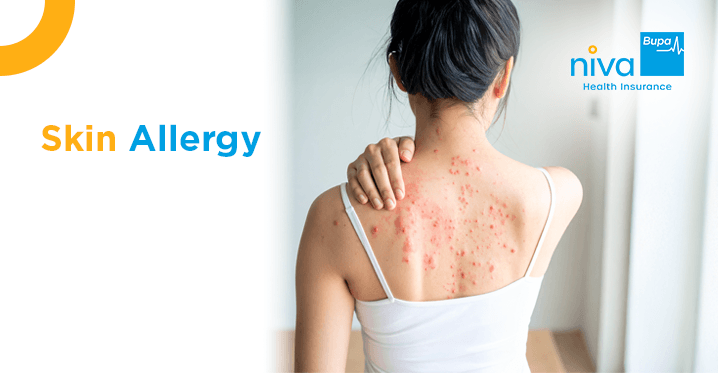
Have you ever noticed that persistent blisters occur on your skin, no matter how well you care for them? It might be a condition of Pemphigus Foliaceus ( also known as Fogo Selvagem). It is a rare autoimmune skin disorder where the immune system attacks the outer layers of the skin, leading to blisters, crusting, and persistent skin damage. This disease is not life-threatening, but it can affect a person's quality of life if left unmanaged.
In this blog, we understand Pemphigus Foliaeceus, its causes, symptoms, diagnosis, and treatment options in detail.
Understanding Pemphigus Foliaceus
The skin is made up of multiple layers, and the cells within these layers are held together by proteins. In the case of Peaphigus Foliaceus, the immune system produces antibodies that attack one of these anchoring proteins, called desmoglein 1.
When desmoglein 1 is damaged, the skin cells lose their ability to stick together. As a result, fluid fills the space between the separated cells, forming blisters on the surface of the skin.
The challenging part is that it is not resolved on its own and requires long medical treatment, which we will discuss later.
Causes of Pemphigus Foliaceus
It develops due to multiple factors that influence immune function and trigger skin damage. Key factors include:
Genetic Predisposition
Certain genetic factors increase susceptibility to Pemphigus Foliaceus. Specific HLA gene variants and a family history of autoimmune diseases can raise the risk, although the condition itself is not usually directly inherited.
Medications
Certain drugs, including penicillamine, ACE inhibitors, and nifedipine, trigger this condition. In some cases, symptoms improve after discontinuing the medication, though this outcome is not always guaranteed.
Environmental and Infectious Triggers
Environmental factors such as UV exposure and insect contact can contribute to this condition. In regions like rural Brazil, insect-related exposure has been linked to an endemic form, highlighting the role of external triggers.
Other Autoimmune Conditions
Individuals with existing autoimmune diseases, such as lupus or myasthenia gravis, have a higher risk of developing Fogo Selvagem due to shared immune system abnormalities.
Symptoms of Pemphigus Foliaceus
It primarily affects the skin and does not involve the mouth or other mucous membranes, which helps distinguish it from other forms of pemphigus. Key symptoms include:
Superficial Blisters on the Skin
The most recognisable symptom of Fogo Selvagem is the appearance of shallow, fragile blisters on the skin. These blisters form the outermost layer of the skin and break very easily, often before a person even notices them. They typically appear on the face, scalp, chest, and back before spreading to other areas.
Crusting and Scaling
Once the blisters break, they leave behind moist, raw patches that quickly dry out and form thick crusts or scales. This crusting can cover large areas of the skin and may resemble other conditions such as seborrheic dermatitis or impetigo.
Burning and Itching Sensation
The affected skin areas often feel uncomfortable, with a persistent burning or itching sensation. This discomfort can interfere with daily activities and sleep, particularly when the blisters are active or when crusted areas become irritated by clothing or movement.
Skin Sensitivity and Redness
The skin around the blistered areas is often red, inflamed, and sensitive to touch. Even mild friction, such as rubbing from clothing or gentle pressure, can trigger new blisters or worsen existing ones. This sensitivity makes daily skin care a careful and deliberate process for people managing this condition.
Widespread Skin Involvement
In more severe cases, it can spread across large portions of the body, affecting the trunk, limbs, and scalp extensively. When a significant area of skin is involved, the risk of secondary bacterial infection increases, as the broken skin provides an easy entry point for bacteria.
Diagnosis of Pemphigus Foliaceus
Doctors use a combination of clinical assessment and laboratory tests to confirm the Fogo Selvagem:
Physical Examination and Clinical History
The first step is a thorough physical examination of the skin. A dermatologist will assess the distribution, appearance, and behaviour of the blisters and crusts. They will also review the patient's medical history, including any medications being taken, family history of autoimmune conditions, and the timeline of symptom progression.
Nikolsky Sign Test
During the examination, a doctor may perform the Nikolsky sign test. This involves applying gentle lateral pressure to apparently healthy skin near a blister. If the pressure causes the outer skin layer to slide or peel away, then it is a positive Nikolsky sign.
Skin Biopsy
A skin biopsy is the most definitive step in diagnosing this disease. A small sample of affected skin is taken and examined under a microscope. The biopsy reveals the characteristic separation of skin cells in the superficial layers, confirming the blistering conditions.
Direct Immunofluorescence
This test is performed on the biopsy sample and looks for the presence of IgG antibodies deposited in the skin. In this condition, these antibodies are found in the upper layers of the skin, forming a characteristic pattern that distinguishes it from other forms of pemphigus.
Blood Tests
Blood tests can detect circulating anti-desmoglein 1 antibodies in the bloodstream. The level of these antibodies often correlates with the severity of the condition and can be used to monitor how well the treatment is working over time.
Treatment Options for Pemphigus Foliaceus
This condition is easily treatable. Key treatment options are as follows:
Corticosteroids
Corticosteroids are the primary treatment for Pemphigus Foliaceus. Oral prednisone is commonly prescribed to suppress the immune response and reduce blister formation quickly. In severe cases, high-dose intravenous corticosteroids may be used initially before transitioning to oral medication for long-term management.
Rituximab
Rituximab is a biologic therapy that targets and depletes specific immune cells responsible for producing the harmful antibodies. It has shown strong results in people with moderate to severe disease and is increasingly being used as an early intervention to achieve long-term remission.
Topical Treatments
For mild or localised cases, topical corticosteroids applied directly to the affected skin can help reduce inflammation and promote healing. These are also used alongside systemic treatments to manage localised flare-ups without increasing the overall medication dose.
Wound Care and Infection Prevention
Since broken skin is vulnerable to bacterial infection, proper wound care is an essential part of managing Fogo Selvagem. Keeping affected areas clean, using gentle antiseptic dressings, and avoiding skin trauma help prevent secondary infections that can complicate recovery.
Final Thoughts
Pemphigus Foliaceus is a chronic autoimmune skin condition that requires consistent medical attention, but with the right treatment plan and regular follow-ups, most people are able to control their symptoms and maintain a good quality of life. Early diagnosis plays a crucial role in preventing the condition from spreading and reducing the risk of complications.
For NRIs living abroad, managing a long-term skin condition like Pemphigus Foliaceus can bring its own set of challenges. Specialist dermatology consultations, biologic therapies like rituximab, and ongoing diagnostic monitoring can add up to high costs over time. At Niva Bupa, we offer NRI health insurance plans that cover hospitalisation, specialist consultations, diagnostic tests, and advanced treatments, ensuring that your skin health receives the attention it deserves, no matter where in the world you are.
Frequently Asked Questions (FAQs)
1. What is Pemphigus Foliaceus?
Pemphigus Foliaceus is a rare autoimmune skin disorder where the immune system attacks proteins in the outer skin layers, causing blisters, crusting, and skin sensitivity.
2. Is Pemphigus Foliaceus contagious?
No, Pemphigus Foliaceus is not contagious. It is an autoimmune condition and cannot be spread from one person to another through contact.
3. Can Pemphigus Foliaceus be cured?
There is no permanent cure, but the condition can be effectively managed with medications that suppress the immune response and prevent new blisters from forming.
4. How is Fogo Selvagem different from pemphigus vulgaris?
Fogo Selvgam affects only the outer skin layers and does not involve mucous membranes, while pemphigus vulgaris affects deeper skin layers and commonly causes mouth sores.
5. Can stress trigger Pemphigus Foliaceus flare-ups?
Stress is believed to be a possible trigger for autoimmune flare-ups, including Pemphigus Foliaceus, as it can affect immune system regulation and worsen existing inflammation.’
6. Is Pemphigus Foliaceus more common in certain age groups?
It can affect people of any age, but it is most commonly diagnosed in middle-aged and older adults. The endemic form in Brazil tends to affect younger individuals more frequently.
7. Can diet affect Pemphigus Foliaceus?
There is no specific diet proven to treat the condition, but a nutritious, anti-inflammatory diet can support overall immune health and help the body cope with long-term medication use.
8. How long does treatment for Fogo Selvagem last?
Treatment is usually long-term. Some people achieve remission and can gradually reduce their medication, while others may require ongoing management to keep the condition under control.
9. What are the side effects of long-term corticosteroid use in Fogo Selvagem?
Long-term use can lead to weight gain, bone thinning, increased infection risk, and blood sugar changes, which is why doctors aim to taper the dose as soon as the condition is stable.
10. When should a person see a doctor for Fogo Selvagem?
Anyone experiencing persistent, recurring skin blisters that do not heal normally, especially on the face, scalp, or chest, should consult a dermatologist for a thorough evaluation.
11. Is Fogo Selvagem dangerous?
Fogo selvagem can become serious if untreated, causing widespread skin damage and infection risk, but proper treatment helps control symptoms and improve quality of life.
12. Can Fogo Selvagem spread on the body?
Yes, Fogo Selvagem may begin in one area and gradually spread to other parts of the body, especially the face, scalp, chest, and back.
13. Can sunlight affect Fogo Selvagem?
Yes, sunlight can worsen Fogo Selvagem symptoms by triggering flare-ups, increasing skin sensitivity, and making blisters more severe, so sun protection is strongly recommended.
14. Is Fogo Selvagem a lifelong condition?
Fogo selvagem can be long-term, but many patients achieve remission with treatment, meaning symptoms reduce or disappear, although regular monitoring and care are still needed.
Get right coverage, right premium and the right protection instantly.
 By clicking, I agree to Niva Bupa
You may also like


Health Insurance - Health Insurance | Best Family Health Insurance | Best Health Insurance For Senior Citizens In India | Health Insurance With Opd Cover | Mediclaim Insurance | Critical Illness Insurance | Personal Accident Insurance | Mediclaim Policy | Individual Health Insurance | Maternity Insurance | Best Health Insurance company | NRI Health Insurance
Health Insurance Schemes - PMMVY Login | PMJJBY Policy Status | Swasthya Sathi Card | PMSBY | PMJJBY | Ayushman Card | PMMVY 2.0 | Ayushman Vay Vandana Card | PMMVY NIC IN रजिस्ट्रेशन | PMMVY 2.0 लॉगिन
Travel Insurance Plans - Travel Insurance | International Travel Insurance | Student Travel Insurance | Travel Insurance USA | Travel Insurance Canada | Travel Insurance Thailand | Travel Insurance Germany | Travel Insurance Dubai | Travel Insurance Bali | Travel Insurance Australia | Travel Insurance Schengen | Travel Insurance Singapore | Travel Insurance UK | Travel Insurance Vietnam | Travel Insurance Japan | Travel Insurance Spain | Travel Insurance Asia | Travel Insurance Netherlands | Travel Insurance Turkey | Travel Insurance Ireland | Travel Insurance Philippines | Travel Insurance Italy | Travel Insurance France | Travel Insurance China | Travel Insurance Georgia | Travel Insurance South Africa | Travel Insurance Maldives | Travel Insurance Portugal | Travel Insurance Malaysia | Travel Insurance Qatar | Travel Insurance Poland | Travel Insurance Greece | Travel Insurance New zealand | Travel Insurance Saudi Arabia | Travel Insurance Sri Lanka
Become an Agent - Insurance Agent
Top Hospitals - Best Hospitals in Gurgaon
Others - Ayushman Bharat | Gst Refund for NRI on Health Insurance Premium
Health & Wellness - शिलाजीत के फायदे हिंदी | Weight Gain Diet in Hindi | Sat Isabgol Uses In Hindi | Aloe Vera Juice Benefits in Hindi | Dragon Fruit Benefits in Hindi | Akal Daad in Hindi | Acidity Home Remedies in Hindi | Nikat Drishti Dosh in Hindi | Yoga Benefits in Hindi | Laung Khane ke Fayde in Hindi | Leukoplakia in Hindi | Protein in 100g Paneer | Benefits of Rice Water For Skin | B12 Deficiency Symptoms in Hindi | Fibre Foods in Hindi | Chronic Disease Meaning in Hindi | Vitamin D Foods in Hindi | Blood Urea in Hindi | Beetroot Uses Good for Health
Calculator - BMI Calculator | Pregnancy Calculator | Pregnancy Calendar Based on Conception Date | Pregnancy Conception Date Calculator | Last Menstrual Period Calculator | BMR Calculator | GFR Calculator | Ovulation Calculator



www.nivabupa.com

+91 11 30902010

1860-500-8888

CIN: L66000DL2008PLC182918
IRDAI Registration No. 145

Corporate Office: 3rd Floor, Capital Cyberscape, Sector 59, Gurgaon
Registered Office: C-98, First Floor, Lajpat Nagar, Part 1, Delhi-110024, India


