

Obesity: Causes, Health Risks, Symptoms & Prevention Tips
17 June, 2026
9 Shares
67 Reads
Share
What Is Obesity?
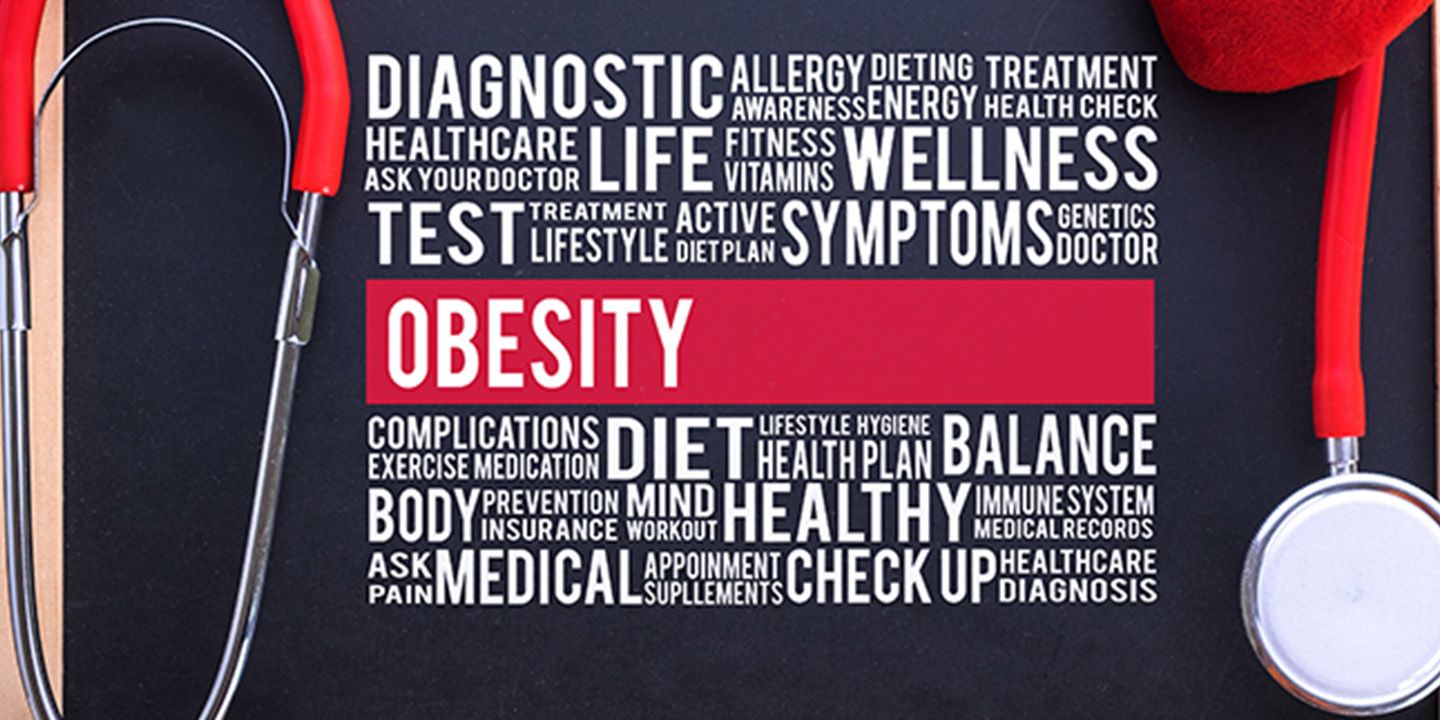
Obesity is defined as abnormal or excessive fat accumulation that may impair health. Doctors don’t just look at weight, because body composition, muscle mass and fat distribution are important.
How Obesity Is Clinically Measured and Diagnosed
Usually, doctors will start with BMI, then add waist circumference, waist-to-hip ratio, blood tests and a review of medical history. This broader assessment helps to note if body fat is centred around the abdomen, which is more highly correlated with metabolic disease. A diagnosis isn’t just numbers. Health risks and related conditions are also considered.
Understanding BMI and Other Measures of Obesity
BMI is a simple calculation based on weight and height. It is widely used because of its rapidity, low cost and simplicity in population screening. It’s an easy first step for adults to check if they might be carrying excess body fat.
BMI does not measure fat, muscle or fat distribution. A person with a muscular build may have a high BMI without being overweight, and a person with a normal BMI may still have unhealthy fat around the stomach. For that reason, clinicians see BMI as a screening tool, not a full diagnosis.
Body Fat Percentage and What It Reveals Beyond BMI
A better indicator of how much fat versus lean tissue is in your body is body fat percentage. There are different ways to measure it, such as bioelectrical impedance or more sophisticated imaging. This is useful when BMI alone doesn’t indicate real risk.
How Common Is Obesity?
You can experience obesity based on your age, location and even your socioeconomic status.
Obesity Rates in Adults vs. Children and Adolescents
The total burden remains higher in adults, but childhood obesity is rising fast. This is important because obesity in children is more likely to continue into adulthood. So early prevention is much more effective than trying to reverse established weight gain.
Which Countries and Regions Have the Highest Obesity Rates?
Now, some middle-income countries have some of the highest rates of obesity, as well as rich countries. WHO also highlights marked regional disparities, with some regions experiencing obesity in the face of continuing undernutrition. This suggests that obesity is strongly linked to transformations in social, economic and food systems.
Socioeconomic and Geographic Disparities in Obesity Prevalence
Lower-income communities also have higher rates of obesity, often because of less access to healthy food, safe places to exercise, and preventive care. WHO Europe says that adults with lower levels of education are more likely to be obese. Risk depends on geography, income and availability of food.
What Are Some Causes Of Obesity?
Calories Consumed vs. Calories Burned
The basic cause of obesity is a long-term energy imbalance — you take in more calories than you use. The science is complex, but this principle is still at the heart of it all. Small daily surpluses can accumulate over time.
Unhealthy Dietary Patterns and Ultra-Processed Food Consumption
Diets high in added sugar, refined starches, and ultra-processed foods can make overeating easier. These foods are often calorie-dense and less filling than whole foods. They also tend to be marketed aggressively and eaten in larger portions.
Physical Inactivity and Sedentary Lifestyle as Major Contributors
Low physical activity reduces calorie expenditure and can make weight gain more likely. Sedentary jobs, screen time, and limited safe spaces for movement all contribute. Regular activity helps balance energy intake and improves metabolic health.
Genetic Factors and Hereditary Predisposition to Obesity
Genes can influence appetite, metabolism, and how the body stores fat. A family history of obesity does not guarantee obesity, but it can raise the risk. The environment usually interacts with genetics rather than replacing it.
Hormonal Imbalances That Lead to Weight Gain and Obesity
Hormones such as insulin, cortisol, thyroid hormones, and reproductive hormones can affect weight regulation. When these systems are disrupted, weight gain may become easier or harder to reverse. Hormonal issues should be medically evaluated rather than assumed.
Medical Conditions That Cause or Contribute to Obesity
Hypothyroidism and Its Role in Unexplained Weight Gain
Hypothyroidism can slow metabolism and contribute to fatigue and modest weight gain. However, it usually does not cause severe obesity by itself. Blood tests can help confirm whether thyroid dysfunction is involved.
Polycystic Ovary Syndrome and Its Connection to Obesity
PCOS is linked with insulin resistance, hormonal imbalance, and higher risk of weight gain. It can also make weight loss more difficult. Diagnosis and treatment often require coordinated care.
Cushing's Syndrome and Cortisol-Driven Weight Gain
Cushing’s syndrome causes excess cortisol, which can increase abdominal fat and other classic obesity-related changes. It is uncommon but important to rule out in unexplained cases. Symptoms may include a rounder face, muscle weakness, and easy bruising.
Insulin Resistance and Its Relationship with Obesity
Insulin resistance can promote fat storage and make blood sugar control worse. It often appears alongside abdominal obesity and metabolic syndrome. The relationship works both ways, since obesity can also worsen insulin resistance.
Depression and Mental Health Disorders Linked to Weight Gain
Depression can reduce activity, disrupt sleep, and increase emotional eating. Some psychiatric medications also cause weight gain. Mental health support is often a key part of weight management.
Health Risks and Complications of Obesity
Type 2 Diabetes and the Strong Link to Obesity
Obesity is one of the strongest risk factors for type 2 diabetes. It promotes insulin resistance and higher blood glucose. Preventing or reducing obesity can meaningfully lower diabetes risk.
Cardiovascular Disease, High Blood Pressure, and Obesity
Obesity raises the risk of heart disease, hypertension, and other cardiovascular problems. Excess fat can affect blood pressure, cholesterol, and inflammation. These combined effects put strain on the heart and blood vessels.
Stroke Risk and How Obesity Increases Its Likelihood
High blood pressure, diabetes, and unhealthy cholesterol patterns all raise stroke risk, and obesity contributes to each of them. Central obesity is especially concerning. Stroke prevention often begins with weight and lifestyle management.
Obesity-Related Sleep Apnea and Its Impact on Overall Health
Obesity increases the chance of obstructive sleep apnea, a condition where breathing repeatedly stops during sleep. This can cause snoring, daytime sleepiness, and poor concentration. Left untreated, it affects heart and brain health.
Non-Alcoholic Fatty Liver Disease and Its Connection to Obesity
Excess body fat can build up in the liver, leading to fatty liver disease. This may progress to inflammation and scarring in some people. Early detection is important because the condition can be silent for years.
Osteoarthritis and Joint Degeneration Caused by Excess Weight
Extra weight increases mechanical stress on joints, especially the knees and hips. That pressure can accelerate cartilage wear and worsen osteoarthritis. Pain then makes physical activity harder.
How Obesity Reduces Life Expectancy and Overall Quality of Life
WHO notes that obesity raises the risk of premature death and many chronic diseases. It also lowers daily comfort, mobility, and energy. The quality-of-life impact can be as important as the medical risk.
Prevention Tips for Obesity
Building Healthy Eating Habits Early to Prevent Obesity
Focus on regular meals, more whole foods, and fewer sugary drinks. Small habits formed early often last the longest. Families play a major role in shaping food routines.
The Role of Regular Physical Activity in Preventing Weight Gain
WHO recommends at least 150 minutes of moderate activity per week for adults and 60 minutes per day for children. Activity helps burn calories and improve metabolic health. It also supports mood and sleep.
Managing Stress and Emotional Eating to Avoid Obesity
Stress management can reduce impulsive eating and late-night snacking. Simple tools like walking, journaling, breathing exercises, and routine meal timing can help. Emotional awareness is part of prevention.
Improving Sleep Quality as a Key Strategy for Obesity Prevention
Good sleep supports appetite regulation and energy balance. Keeping a fixed sleep schedule can help. Sleep is often overlooked, but it matters.
Limiting Screen Time and Sedentary Behaviour in Daily Life
Long periods of sitting reduce movement and often increase snacking. Breaks for standing, stretching, or walking can help. Even small activity changes add up over a week.
Community and Policy Level Interventions That Help Prevent Obesity
Healthier school meals, active transport, food labelling, and accessible parks all support prevention. Public policy matters because individual choices happen inside larger systems. Communities can make healthy behaviour easier.
Teaching Children Healthy Habits to Reduce Lifelong Obesity Risk
Children do best when adults model healthy eating and active routines. Avoid using food as a reward or punishment. Consistency matters more than perfection.
Stigma, Discrimination, and Bias Faced by People with Obesity
Weight stigma appears in schools, workplaces, families, and health care settings. It can affect job opportunities, self-image, and willingness to seek care. Respectful language makes a real difference.
How Weight Stigma Affects Mental Health and Treatment Outcomes
Stigma can increase stress eating, avoidance, and disengagement from treatment. It may also discourage regular medical visits. People often do better when care is practical and nonjudgmental.
Body Image Issues and Their Relationship with Obesity
Body image concerns are common, but they do not always reflect health status. A person can have body dissatisfaction at any size. Supportive counselling can help separate appearance from self-worth.
The Importance of Compassionate and Non-Judgmental Care for Obesity
Compassion improves trust and long-term follow-up. People are more likely to stick with treatment when they feel understood. Obesity care should focus on health, not blame.
Support Groups and Community Resources for People Living with Obesity
Support groups can help with accountability, motivation, and emotional relief. Community programmes, dietitians, therapists, and exercise specialists can all contribute. Shared support often makes change more sustainable.
Conclusion
Obesity is a complex condition that is shaped by one’s lifestyle, genetics, hormones, environment and mental health. The lasting management of the condition needs a broad and realistic approach. The best results are achieved with good sleep, balanced eating, regular activity and timely medical guidance.
As the condition can increase the risk of long-term health complications, it is wise to think about financial protection alongside prevention. Securing comprehensive health insurance can safeguard your savings against unexpected medical costs. A plan like Niva Bupa NRI health insurance can help and provide added support for healthcare expenses, giving individuals and families a safety net and confidence in managing their conditions.
Frequently Asked Questions About Obesity
Is Obesity Always Caused by Overeating and Lack of Exercise?
No. Obesity can also be influenced by genetics, hormones, medications, sleep, stress, and environment. Energy imbalance still matters, but it is not the full story.
Can Obesity Be Reversed Completely with the Right Interventions?
Many people can improve their health and reduce weight significantly with sustained changes, medication, or surgery when appropriate. The goal is not just to scale weight but to achieve better metabolic and functional health. Results vary by person.
What Is the Difference Between Obesity and Morbid Obesity?
“Morbid obesity” is an older term often used for severe obesity, usually a BMI of 40 or higher. Many clinicians now prefer “class 3 obesity” because it is more precise and less stigmatising.
How Does Obesity Affect Life Insurance and Healthcare Costs?
Obesity can increase medical use, long-term complication risk, and premiums or underwriting scrutiny in some insurance settings. It may also affect access to certain policies or riders, depending on the insurer. In practice, the impact varies by product and region.
Get right coverage, right premium and the right protection instantly.
 By clicking, I agree to Niva Bupa
Popular Searches
Health Insurance - Health Insurance | Best Family Health Insurance | Best Health Insurance For Senior Citizens In India | Health Insurance With Opd Cover | Mediclaim Insurance | Critical Illness Insurance | Personal Accident Insurance | Mediclaim Policy | Individual Health Insurance | Maternity Insurance | Best Health Insurance company | NRI Health Insurance
Health Insurance Schemes - PMMVY Login | PMJJBY Policy Status | Swasthya Sathi Card | PMSBY | ABHA Card Download | PMJJBY | Ayushman Card | PMMVY 2.0 | Ayushman Vay Vandana Card | PMMVY NIC IN रजिस्ट्रेशन | PMMVY 2.0 लॉगिन
Travel Insurance Plans - Travel Insurance | International Travel Insurance | Student Travel Insurance | Travel Insurance USA | Travel Insurance Canada | Travel Insurance Thailand | Travel Insurance Germany | Travel Insurance Dubai | Travel Insurance Bali | Travel Insurance Australia | Travel Insurance Schengen | Travel Insurance Singapore | Travel Insurance UK | Travel Insurance Vietnam | Travel Insurance Japan | Travel Insurance Spain | Travel Insurance Asia | Travel Insurance Netherlands | Travel Insurance Turkey | Travel Insurance Ireland | Travel Insurance Phillipines | Travel Insurace Italy | Travel Insurance France | Travel Insurance China | Travel Insurance Georgia | Travel Insurance South Africa | Travel Insurance Maldives | Travel Insurance Portugal | Travel Insurance Malaysia | Travel Insurance Qatar | Travel Insurance Poland | Travel Insurance Greece | Travel Insurance New zealand | Travel Insurance Saudi Arabia | Travel Insurance Sri Lanka
Become an Agent - Insurance Agent | Insurance Advisor | Licensed Insurance Agent | Health Insurance Consultant | POSP Insurance Agent | IRDA Certificate Download | IC 38 Exam | Insurance Agent vs POSP | IRDA Exam Syllabus | IRDAI Agent Locator | IRDA exam fee | Paise Kaise Kamaye | Ghar Baithe Paise Kaise Kamaye
Top Hospitals - Best Hospitals in Chennai | Top Hospitals in Delhi | Best Hospitals in Gurgaon | Best Hospitals in India | Top 10 Hospitals in India | Best Hospitals in Hyderabad | Best Hospitals in Kolkata | Best cancer hospitals in Bangalore | Best cancer hospitals in Hyderabad | Best cancer hospitals in Mumbai | Best cancer hospitals in India | Top 10 cancer hospitals in India
Others - Ayushman Bharat | Gst Refund for NRI on Health Insurance Premium | Health Insurance Tax Deductible
Health & Wellness - शिलाजीत के फायदे हिंदी | Weight Gain Diet in Hindi | Sat Isabgol Uses In Hindi | Aloe Vera Juice Benefits in Hindi | Dragon Fruit Benefits in Hindi | Akal Daad in Hindi | Acidity Home Remedies in Hindi | Nikat Drishti Dosh in Hindi | Yoga Benefits in Hindi | Laung Khane ke Fayde in Hindi | Leukoplakia in Hindi | Protien in 100g Paneer | Benefits of Rice Water For Skin | B12 Deficiency Symptoms in Hindi | Fibre Foods in Hindi | Chronic Disease Meaning in Hindi | Vitamin D Foods in Hindi | Blood Urea in Hindi | Beetroot Uses Good for Health
Calculator - BMI Calculator | Pregnancy Calculator | Pregnancy Calendar Based on Conception Date | Pregnancy Conception Date Calculator | Last Menstrual Period Calculator | BMR Calculator | GFR Calculator | Ovulation Calculator



www.nivabupa.com

+91 11 30902010

1860-500-8888

CIN: L66000DL2008PLC182918
IRDAI Registration No. 145

Corporate Office: 3rd Floor, Capital Cyberscape, Sector 59, Gurgaon
Registered Office: C-98, First Floor, Lajpat Nagar, Part 1, Delhi-110024, India


