

What Is Primary Hypertension? Understanding Symptoms and Management Strategies
19 September, 2024
175 Shares
1386 Reads
Share
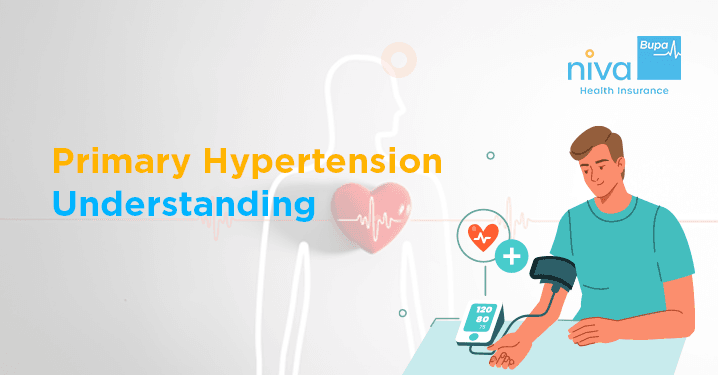
Hypertension, commonly known as high blood pressure, affects millions worldwide and is a significant risk factor for cardiovascular diseases. Primary hypertension, also referred to as essential hypertension, is diagnosed when no specific underlying medical condition can be identified as the cause. Understanding its basics and effective management strategies is crucial for maintaining good health and preventing complications.
What is Primary Hypertension?
Primary hypertension is a chronic medical condition characterised by persistently above-normal blood pressure without any identifiable cause. Unlike secondary hypertension, which can be attributed to specific medical conditions such as kidney disease or hormonal disorders, primary hypertension often develops gradually over many years and is influenced by a combination of genetic, lifestyle, and environmental factors.
Risk Factors
Several risk factors contribute to the development of primary hypertension:
- Family History: Individuals with a family history of hypertension are at higher risk.
- Age: Risk increases with age, particularly beyond 65 years.
- Obesity: Excess weight, especially abdominal fat, increases the risk.
- Unhealthy Diet: High salt and saturated fat intake and low consumption of fruits and vegetables.
- Lack of Physical Activity: Sedentary lifestyles contribute significantly.
- Smoking and Alcohol: Both smoking and excessive alcohol consumption can raise blood pressure.
- Stress: Chronic stress or high-stress environments may contribute.
Primary Hypertension Symptoms and Diagnosis
Primary hypertension is often asymptomatic in its early stages, earning it the title of "silent killer." Symptoms, when present, may include headaches, dizziness, shortness of breath, and nosebleeds. Diagnosis typically involves multiple blood pressure measurements over time to confirm persistently elevated readings. Additional tests such as blood tests, urine tests, and an electrocardiogram (ECG) may be performed to assess organ damage and rule out secondary causes.
Complications
If left untreated or poorly managed, primary hypertension can lead to severe complications:
- Cardiovascular Disease: Increased risk of heart attack, stroke, and heart failure.
- Kidney Damage: Hypertension can damage the kidneys over time, leading to chronic kidney disease.
- Vision Loss: Hypertension can cause damage to the blood vessels in the eyes, leading to vision impairment.
- Aneurysms: Weakened blood vessels may develop bulges (aneurysms), particularly in the aorta.
Management Strategies
Managing hypertension involves a multifaceted approach aimed at lowering blood pressure and reducing the risk of complications:
Lifestyle Modifications
- Healthy Diet: Emphasise a diet rich in fruits, vegetables, whole grains, and low-fat dairy products. Reduce salt intake and limit saturated fats and cholesterol.
- Regular Exercise: Aim for at least 150 minutes of moderate-intensity aerobic activity per week, such as brisk walking or swimming.
- Weight Management: Achieve and maintain a healthy weight through diet and exercise.
- Limit Alcohol and Avoid Smoking: Moderation in alcohol consumption and cessation of smoking are crucial.
- Stress Management: Meditation, yoga, or deep breathing can help manage stress.
Medications
- Antihypertensive Drugs: Depending on the severity of hypertension, medications such as diuretics, ACE inhibitors, angiotensin II receptor blockers (ARBs), beta-blockers, or calcium channel blockers may be prescribed.
- Compliance: It is essential to take medications as prescribed and attend regular follow-up appointments with healthcare providers to monitor blood pressure and adjust treatment as needed.
Regular Monitoring and Follow-up
- Home Blood Pressure Monitoring: Regular monitoring at home can help track blood pressure trends and guide treatment decisions.
- Routine Check-ups: Regular visits to healthcare providers for blood pressure checks and overall health assessments are essential for monitoring progress and adjusting treatment.
Prevention
Preventing hypertension involves adopting healthy lifestyle habits early:
- Healthy Eating: Adopt a diet low in salt, saturated fats, and cholesterol.
- Physical Activity: Incorporate regular exercise into daily routines.
- Maintain a Healthy Weight: Aim for a body mass index (BMI) within the healthy range.
- Manage Stress: Practice stress-reducing techniques and seek support when needed.
- Avoid Harmful Substances: Limit alcohol consumption and avoid tobacco products.
Final Thoughts
Primary hypertension is a common yet manageable condition that requires lifelong attention to reduce the risk of complications. Individuals can take proactive steps toward better cardiovascular health by understanding its causes, symptoms, and effective management strategies—including lifestyle modifications, medications, and regular monitoring.
Consult with a healthcare provider if you're concerned about your blood pressure or overall cardiovascular health. Remember, early detection and proactive management are key to preventing complications associated with hypertension. Ensure your health is protected with comprehensive coverage like Niva Bupa Insurance, which is designed to provide peace of mind and support for your healthcare needs. Visit Niva Bupa's website to learn more about their health insurance plans tailored to your wellness requirements.
You can effectively manage hypertension and lead a healthier life by staying informed and proactive.
FAQ
What exactly is primary hypertension, and why does it happen?
Primary hypertension, also called essential hypertension, is when blood pressure stays consistently high without an obvious medical cause. Unlike secondary hypertension, which is linked to underlying conditions like kidney disease or hormonal imbalances, primary hypertension develops gradually over time. Genetics, ageing, lifestyle habits, and even long-term stress all play a role. It’s the most common form of high blood pressure and often goes unnoticed until it starts causing complications.
Are there any warning signs, or does it develop silently?
In most cases, primary hypertension has no obvious symptoms, which is why it’s often called the "silent killer." People can have high blood pressure for years without feeling any different. However, if blood pressure reaches dangerously high levels, some may experience headaches, dizziness, blurred vision, shortness of breath, or nosebleeds. These symptoms, though, are not reliable indicators, making regular check-ups essential for early detection.
Does stress actually cause primary hypertension, or is that a myth?
Stress itself doesn’t directly cause primary hypertension, but it can certainly contribute to it over time. Short-term stress leads to temporary spikes in blood pressure, but chronic stress can push people toward unhealthy habits, overeating, excessive alcohol, smoking, and poor sleep, all of which increase the risk of hypertension. Managing stress through regular exercise, relaxation techniques, and good sleep hygiene is a crucial part of keeping blood pressure in check.
How is primary hypertension diagnosed?
A single high blood pressure reading doesn’t automatically mean you have hypertension. Doctors typically take multiple readings at different times to confirm a consistent pattern. If blood pressure regularly measures above 130/80 mmHg, hypertension is diagnosed. To assess overall health and rule out secondary causes, doctors may also recommend blood tests, urine analysis, an ECG, or kidney function tests.
Can primary hypertension be controlled without medication?
Absolutely, especially in the early stages. Many people can manage primary hypertension through lifestyle changes alone. A heart-friendly diet, regular physical activity, reduced salt intake, weight management, and limiting alcohol and caffeine can work wonders. However, if lifestyle changes aren’t enough or if blood pressure is dangerously high, medication may be necessary to prevent serious complications like heart disease, strokes, or kidney damage.
Is primary hypertension a lifelong condition, or can it be reversed?
Hypertension doesn’t always have to be permanent. While it may not be fully “cured” in every case, it can often be significantly improved, or even normalised, with the right lifestyle changes. Many people lower their blood pressure to a healthy range by consistently following a balanced diet, staying active, reducing stress, and maintaining a healthy weight. The key is long-term commitment, not quick fixes. When managed well, the risks associated with high blood pressure can be greatly reduced.
Get right coverage, right premium and the right protection instantly.
 By clicking, I agree to Niva Bupa
Popular Searches
Health Insurance - Health Insurance | Best Family Health Insurance | Best Health Insurance For Senior Citizens In India | Health Insurance With Opd Cover | Mediclaim Insurance | Critical Illness Insurance | Personal Accident Insurance | Mediclaim Policy | Individual Health Insurance | Maternity Insurance | Best Health Insurance company | NRI Health Insurance
Health Insurance Schemes - PMMVY Login | PMJJBY Policy Status | Swasthya Sathi Card | PMSBY | ABHA Card Download | PMJJBY | Ayushman Card | PMMVY 2.0 | Ayushman Vay Vandana Card | PMMVY NIC IN रजिस्ट्रेशन | PMMVY 2.0 लॉगिन
Travel Insurance Plans - Travel Insurance | International Travel Insurance | Student Travel Insurance | Travel Insurance USA | Travel Insurance Canada | Travel Insurance Thailand | Travel Insurance Germany | Travel Insurance Dubai | Travel Insurance Bali | Travel Insurance Australia | Travel Insurance Schengen | Travel Insurance Singapore | Travel Insurance UK | Travel Insurance Vietnam | Travel Insurance Japan | Travel Insurance Spain | Travel Insurance Asia | Travel Insurance Netherlands | Travel Insurance Turkey | Travel Insurance Ireland | Travel Insurance Phillipines | Travel Insurace Italy | Travel Insurance France | Travel Insurance China | Travel Insurance Georgia | Travel Insurance South Africa | Travel Insurance Maldives | Travel Insurance Portugal | Travel Insurance Malaysia | Travel Insurance Qatar | Travel Insurance Poland | Travel Insurance Greece | Travel Insurance New zealand | Travel Insurance Saudi Arabia | Travel Insurance Sri Lanka
Become an Agent - Insurance Agent | Insurance Advisor | Licensed Insurance Agent | Health Insurance Consultant | POSP Insurance Agent | IRDA Certificate Download | IC 38 Exam | Insurance Agent vs POSP | IRDA Exam Syllabus | IRDAI Agent Locator | IRDA exam fee | Paise Kaise Kamaye | Ghar Baithe Paise Kaise Kamaye
Top Hospitals - Best Hospitals in Chennai | Top Hospitals in Delhi | Best Hospitals in Gurgaon | Best Hospitals in India | Top 10 Hospitals in India | Best Hospitals in Hyderabad | Best Hospitals in Kolkata | Best cancer hospitals in Bangalore | Best cancer hospitals in Hyderabad | Best cancer hospitals in Mumbai | Best cancer hospitals in India | Top 10 cancer hospitals in India
Others - Ayushman Bharat | Gst Refund for NRI on Health Insurance Premium | Health Insurance Tax Deductible
Health & Wellness - शिलाजीत के फायदे हिंदी | Weight Gain Diet in Hindi | Sat Isabgol Uses In Hindi | Aloe Vera Juice Benefits in Hindi | Dragon Fruit Benefits in Hindi | Akal Daad in Hindi | Acidity Home Remedies in Hindi | Nikat Drishti Dosh in Hindi | Yoga Benefits in Hindi | Laung Khane ke Fayde in Hindi | Leukoplakia in Hindi | Protien in 100g Paneer | Benefits of Rice Water For Skin | B12 Deficiency Symptoms in Hindi | Fibre Foods in Hindi | Chronic Disease Meaning in Hindi | Vitamin D Foods in Hindi | Blood Urea in Hindi | Beetroot Uses Good for Health
Calculator - BMI Calculator | Pregnancy Calculator | Pregnancy Calendar Based on Conception Date | Pregnancy Conception Date Calculator | Last Menstrual Period Calculator | BMR Calculator | GFR Calculator | Ovulation Calculator



www.nivabupa.com

+91 11 30902010

1860-500-8888

CIN: L66000DL2008PLC182918
IRDAI Registration No. 145

Corporate Office: 3rd Floor, Capital Cyberscape, Sector 59, Gurgaon
Registered Office: C-98, First Floor, Lajpat Nagar, Part 1, Delhi-110024, India


