

World Food Safety Day 2026: Prioritising Food Safety for Better Health
9 June, 2026
9 Shares
184 Reads
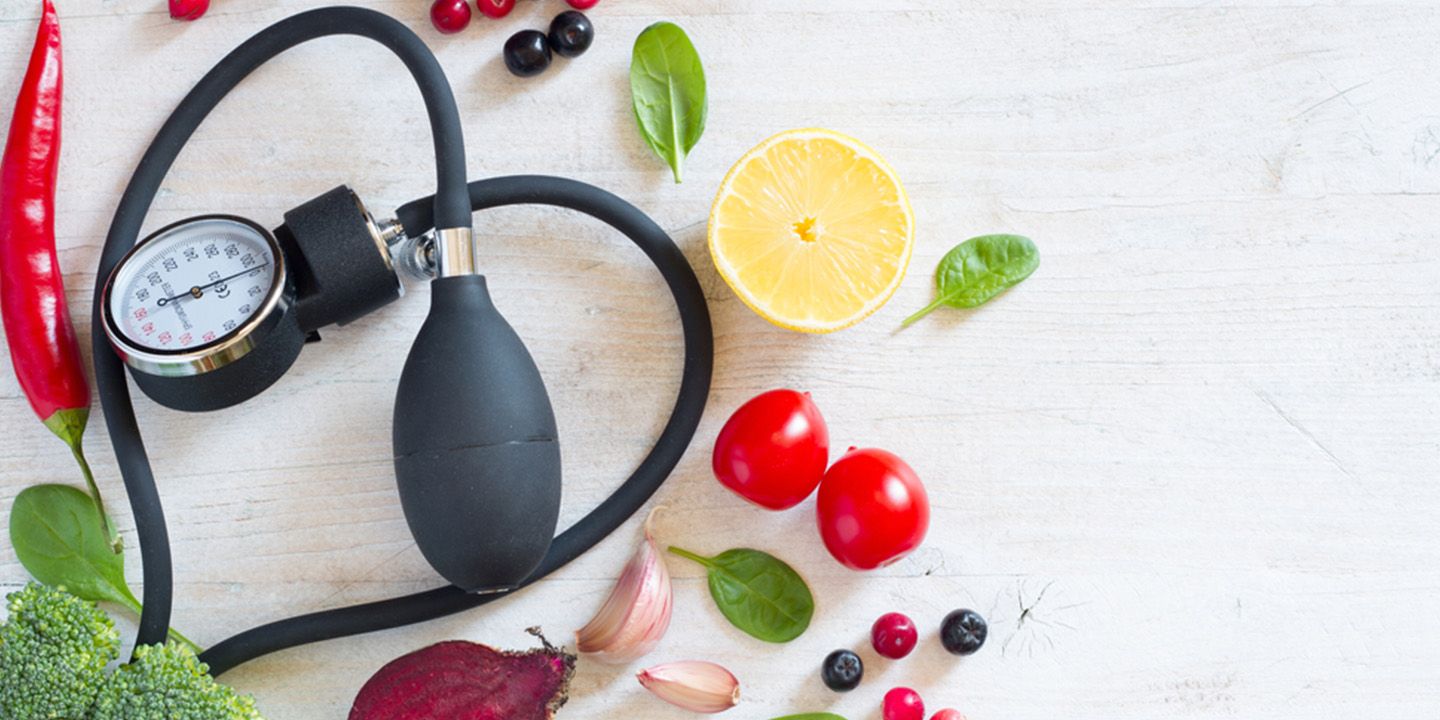
Every year on 7 June, the global community observes World food safety day to highlight a fundamental truth: if it is not safe, it is not food. In 2026, the theme "From Burden to Solutions: Safe Food Everywhere" shifts our focus from merely identifying the risks of contaminated food to implementing practical, data-driven solutions in our kitchens and across the food supply chain. Food safety is not just a regulatory concern for governments or a technical requirement for industries; it is a vital pillar of preventive healthcare that directly impacts our physical well-being and financial stability.
Unsafe food containing harmful bacteria, viruses, or chemical substances causes more than 600 million people to fall ill annually. For health-conscious individuals and families, staying informed about food hygiene is the first line of defence against preventable hospitalisations. As medical costs continue to rise, integrating food safety into your daily routine is as important as regular exercise or a balanced diet. This year's observance encourages us to move beyond awareness and take decisive action to ensure that every meal nourishes rather than harms.
What Is World Food Safety Day and Why Is It Important?
Established by the United Nations in 2018, World food safety day is a collaborative effort led by the World Health Organization (WHO) and the Food and Agriculture Organization (FAO). Its primary goal is to draw attention and inspire action to help prevent, detect, and manage foodborne risks.
The global relevance of this day stems from the staggering reality that one in ten people worldwide falls ill after consuming contaminated food. These illnesses are largely preventable through better hygiene, improved storage, and stronger regulations. By dedicating a day to this cause, the global community aims to:
- Promote Human Health: Reducing the incidence of foodborne diseases (FBDs) which claim 420,000 lives each year.
- Support Economic Prosperity: Minimising the 110 billion dollars lost annually in productivity and medical expenses due to unsafe food in low and middle-income countries.
- Encourage Sustainable Agriculture: Ensuring that food production methods do not introduce chemical or biological hazards into the ecosystem.
Why Food Safety Matters for Better Health
The connection between food safety and health is both immediate and cumulative. While we often think of "food poisoning" as a short-term stomach upset, the reality is far more complex and dangerous.
The Link Between Contaminated Food and Diseases
Contaminated food can carry more than 200 different diseases. Pathogens like Salmonella, E. coli, and Listeria can lead to severe dehydration, kidney failure, and neurological disorders. Furthermore, long-term exposure to chemical contaminants—such as heavy metals or naturally occurring toxins, is linked to chronic health issues, including certain types of cancer and impaired immune function.
Impact on Individuals and Healthcare Systems
When food safety is compromised, the burden on healthcare systems is immense. Severe cases of foodborne illness often require emergency hospitalisation, diagnostic testing, and intensive care. For an individual, this means lost working days and high out-of-pocket medical expenses. In 2026, as healthcare systems become more data-centric, the focus has shifted toward "Safe Food Everywhere" to reduce these preventable admissions and improve the overall quality of life.
Common Food Safety Risks You Should Know
To protect yourself and your family, it is essential to identify where risks typically originate. Most foodborne illnesses are the result of three main types of contamination.
1. Bacterial Contamination
Bacteria thrive in the "danger zone" temperatures between 5°C and 60°C. Common culprits like Campylobacter and Norovirus are often spread through undercooked poultry, unpasteurised dairy, or contaminated water.
2. Improper Storage
Storing food at the wrong temperature is a leading cause of spoilage. Refrigerators should be kept below 5°C to slow down bacterial growth. Additionally, leaving cooked food at room temperature for more than two hours provides a perfect breeding ground for toxins.
3. Cross-Contamination
This occurs when pathogens are transferred from one surface or food item to another. Using the same cutting board for raw meat and vegetables without thorough washing is a classic example of how "clean" food can become hazardous.
How to Practise Food Safety at Home
Awareness during World food safety day should translate into tangible habits. The WHO outlines "Five Keys to Safer Food" that every household should follow to maintain high food hygiene importance.
Keep Clean
- Wash your hands thoroughly with soap before handling food and often during food preparation.
- Sanitise all surfaces and equipment used for food preparation.
- Protect kitchen areas and food from insects, pests, and other animals.
Separate Raw and Cooked
- Separate raw meat, poultry, and seafood from other foods.
- Use separate equipment and utensils, such as knives and cutting boards, for handling raw foods.
- Store food in containers to avoid contact between raw and prepared foods.
Cook Thoroughly
- Cook food thoroughly, especially meat, poultry, eggs, and seafood.
- For meat and poultry, ensure that juices are clear, not pink. Ideally, use a thermometer to check that food reaches 70°C.
- Reheat cooked food thoroughly until it is piping hot all the way through.
Keep Food at Safe Temperatures
- Do not leave cooked food at room temperature for more than two hours.
- Refrigerate promptly all cooked and perishable food (preferably below 5°C).
- Do not store food too long, even in the refrigerator.
Use Safe Water and Raw Materials
- Use safe water or treat it to make it safe.
- Select fresh and wholesome foods.
- Choose foods processed for safety, such as pasteurised milk.
- Wash fruits and vegetables, especially if eaten raw.
The Role of Awareness Campaigns Like World Food Safety Day
The power of World food safety day lies in its ability to drive behavioural change. Education is the most effective tool for reducing the burden of foodborne diseases. Campaigns focused on food safety awareness empower consumers to:
- Read Labels: Understanding expiry dates versus "best before" dates helps prevent the consumption of spoiled products.
- Demand Accountability: When consumers are aware of safe food practices, they are more likely to demand hygiene standards from restaurants and local vendors.
- Support Policy: Awareness fuels the public support needed for governments to enforce stricter FSSAI (Food Safety and Standards Authority of India) regulations and international standards.
How Food Safety Connects to Preventive Healthcare
In the modern BFSI (Banking, Financial Services, and Insurance) sector, food safety is increasingly viewed as a component of preventive healthcare. Insurance providers like Niva Bupa recognise that maintaining gut health through safe eating reduces the likelihood of critical illness claims over time.
Reducing Hospitalisation Risks
A robust health insurance policy acts as a safety net when food safety fails. Severe food poisoning can lead to conditions requiring IV fluids, antibiotics, or even surgery in cases of intestinal perforation. By ensuring your family follows safe food practices, you are actively managing your health risks, much like an NRI managing NRI health insurance to ensure coverage during international transitions.
Financial Impact of Foodborne Illnesses
Beyond the physical pain, the financial toll of an unsafe meal can be significant. Diagnostic tests, specialist consultations, and pharmacy bills add up quickly. Having a comprehensive health insurance plan from Niva Bupa ensures that if you do fall victim to a foodborne ailment, your focus remains on recovery rather than the hospital bill.
Is your kitchen as safe as you think?
While many believe their home-cooked meals are perfectly safe, small oversights can lead to big problems. For instance, did you know that a kitchen sponge can harbour billions of bacteria after just one week of use? Or that reheating oil multiple times can create carcinogenic compounds? Food hygiene is an ongoing commitment that requires constant vigilance.
Conclusion
As we observe World food safety day 2026, it is clear that food safety is a shared responsibility. From the farmer and the processor to the consumer and the insurer, everyone has a role to play in ensuring that the food on our plates is safe. Adopting safe food practices is a simple yet powerful way to invest in your long-term health and avoid the physical and financial distress caused by foodborne illnesses.
Prioritising hygiene and awareness is the best way to ensure your family's well-being. However, since risk can never be entirely eliminated, it is equally important to have a reliable partner like Niva Bupa to support you during medical emergencies. This World Food Safety Day, let us commit to making food safety a daily habit for a healthier tomorrow.
FAQs
What is World Food Safety Day?
World food safety day is an annual global observance held on 7 June to raise awareness about the importance of food safety. It aims to inspire actions that prevent, detect, and manage foodborne risks, contributing to food security, human health, and sustainable development.
Why is food safety important for better health?
Food safety is crucial because contaminated food can carry bacteria, viruses, and chemicals that cause over 200 diseases. Proper food hygiene prevents acute issues like food poisoning and long-term health problems such as kidney failure, liver disease, and even cancer.
How can foodborne illnesses be prevented?
Foodborne illnesses can be prevented by following the WHO’s five keys to safer food: keeping hands and surfaces clean, separating raw and cooked foods, cooking food thoroughly, keeping food at safe temperatures, and using safe water and raw materials.
What are common food safety mistakes at home?
Common mistakes include washing raw chicken (which spreads bacteria), using the same cutting board for meat and vegetables, leaving leftovers on the counter for too long, and not washing hands properly before handling food.
Does health insurance cover food poisoning?
Yes, most comprehensive health insurance plans, like those from Niva Bupa, cover hospitalisation and treatment costs for severe food poisoning or infections caused by contaminated food, provided the policy terms for hospitalisation are met.
How does food safety affect long-term health?
Consistent exposure to food contaminants like toxins, heavy metals, or pesticides can lead to chronic inflammation and damage to vital organs. Practising food safety helps maintain a healthy gut microbiome and reduces the risk of developing chronic lifestyle diseases.
Get right coverage, right premium and the right protection instantly.
 By clicking, I agree to Niva Bupa
 You may also like



Health Insurance - Health Insurance | Best Family Health Insurance | Best Health Insurance For Senior Citizens In India | Health Insurance With Opd Cover | Mediclaim Insurance | Critical Illness Insurance | Personal Accident Insurance | Mediclaim Policy | Individual Health Insurance | Maternity Insurance | Best Health Insurance company | NRI Health Insurance
Health Insurance Schemes - PMMVY Login | PMJJBY Policy Status | Swasthya Sathi Card | PMSBY | PMJJBY | Ayushman Card | PMMVY 2.0 | Ayushman Vay Vandana Card | PMMVY NIC IN रजिस्ट्रेशन | PMMVY 2.0 लॉगिन
Travel Insurance Plans - Travel Insurance | International Travel Insurance | Student Travel Insurance | Travel Insurance USA | Travel Insurance Canada | Travel Insurance Thailand | Travel Insurance Germany | Travel Insurance Dubai | Travel Insurance Bali | Travel Insurance Australia | Travel Insurance Schengen | Travel Insurance Singapore | Travel Insurance UK | Travel Insurance Vietnam | Travel Insurance Japan | Travel Insurance Spain | Travel Insurance Asia | Travel Insurance Netherlands | Travel Insurance Turkey | Travel Insurance Ireland | Travel Insurance Philippines | Travel Insurance Italy | Travel Insurance France | Travel Insurance China | Travel Insurance Georgia | Travel Insurance South Africa | Travel Insurance Maldives | Travel Insurance Portugal | Travel Insurance Malaysia | Travel Insurance Qatar | Travel Insurance Poland | Travel Insurance Greece | Travel Insurance New zealand | Travel Insurance Saudi Arabia | Travel Insurance Sri Lanka
Become an Agent - Insurance Agent
Top Hospitals - Best Hospitals in Gurgaon
Others - Ayushman Bharat | Gst Refund for NRI on Health Insurance Premium
Health & Wellness - शिलाजीत के फायदे हिंदी | Weight Gain Diet in Hindi | Sat Isabgol Uses In Hindi | Aloe Vera Juice Benefits in Hindi | Dragon Fruit Benefits in Hindi | Akal Daad in Hindi | Acidity Home Remedies in Hindi | Nikat Drishti Dosh in Hindi | Yoga Benefits in Hindi | Laung Khane ke Fayde in Hindi | Leukoplakia in Hindi | Protein in 100g Paneer | Benefits of Rice Water For Skin | B12 Deficiency Symptoms in Hindi | Fibre Foods in Hindi | Chronic Disease Meaning in Hindi | Vitamin D Foods in Hindi | Blood Urea in Hindi | Beetroot Uses Good for Health
Calculator - BMI Calculator | Pregnancy Calculator | Pregnancy Calendar Based on Conception Date | Pregnancy Conception Date Calculator | Last Menstrual Period Calculator | BMR Calculator | GFR Calculator | Ovulation Calculator



www.nivabupa.com

+91 11 30902010

1860-500-8888

CIN: L66000DL2008PLC182918
IRDAI Registration No. 145

Corporate Office: 3rd Floor, Capital Cyberscape, Sector 59, Gurgaon
Registered Office: C-98, First Floor, Lajpat Nagar, Part 1, Delhi-110024, India


