

B2 Tourist Visa Rejected? 10 Common Reasons You Must Fix Before Reapplying
5 January, 2026
8 Shares
1187 Reads
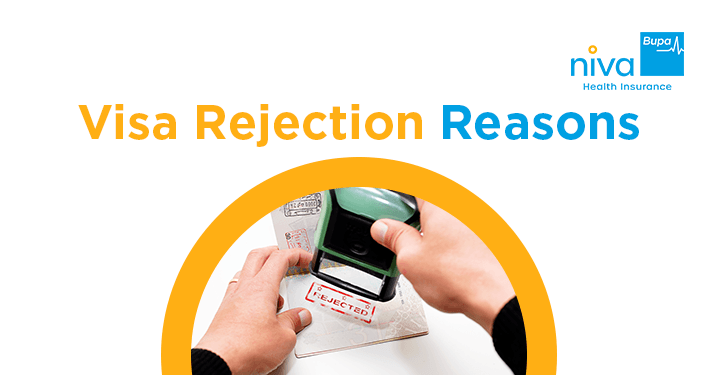
A B2 visa rejection can feel confusing and discouraging, especially when it happens without a detailed explanation. Most tourist visa refusals fall under Section 214(b), which means the visa officer was not convinced that the applicant would return home after a temporary visit.
B1/B2 visa refusals are common every year, and a rejection does not automatically mean you are ineligible. Many applicants are approved on a later attempt once they understand what went wrong and fix the underlying issues.
In this guide, we will explain the top 10 reasons your B2 visa was rejected and how to reapply with proper planning. If you are a repeat traveller or have a strong travel history, your approval rates will likely be higher than those of first-time travellers.
What Exactly Is a B1/B2 Visa? And How Does an Officer Assess You
Before diving into rejection reasons, it helps to understand what a B1/B2 visa is really meant for and how visa officers look at your application beyond documents and checklists.
What Is a B2 Visa?
A B2 visa is designed for temporary, frequent visits to the United States. The public uses this for holidays, sightseeing, visiting family or friends, or even for medical treatment. Intent is very important to obtain this visa, as the U.S. government wants to make sure you are visiting temporarily and intend to return home.
Applicants assume that a long visa validity also means a long stay, but that’s a misconception. Your visa validity allows you to travel to the U.S., but the actual length of stay is decided by the immigration officer at the airport.
What Is a B1 Visa (Business Visitor Visa)?
A B1 visa is meant for business-related travel such as meetings, conferences, training sessions, or negotiations. It allows professional interaction, excluding employment. You cannot take up paid work, internships, or hands-on roles while on a B1 visa, even if the stay is short.
How U.S. Visa Officers Assess You
Visa officers are ordered to work on a simple principle under Section 214(b). They measure your ties versus intent. They look at how strong your reasons are to return home versus the risk of overstaying. Your DS-160 answers, financial stability, travel history, and clarity of purpose all play a role. Some profiles are reviewed more carefully based on risk patterns, but a well-prepared, honest application can still make a strong impression.
B2 Tourist Visa Rejected? Here Are the 10 Most Common Reasons (With Fixes)
A B2 tourist visa rejection is more common than most applicants realise. In many cases, the refusal has less to do with eligibility and more to do with how your intent, finances, and travel purpose are presented. Below are the most common B2 visa denial reasons, explained clearly with practical fixes you can apply before reapplying.
Weak Home-Country Ties is the Most Common reason under 214(b)
Lack of stable employment, business ownership, property, or immediate family responsibilities raises doubts about strong roots in the home country.
Visa officers interpret weak ties as potential immigrant intent, increasing the risk of overstaying or unauthorised stay in the United States.
Strengthen your profile with employer leave letters, salary slips, tax returns, property documents, and evidence of family or social commitments.
Insufficient Finances or Unclear Funding
Sudden bank balance increases, missing income proof, or unclear sponsorship arrangements raise concerns about financial credibility.
Officers may doubt your ability to fund the trip independently or suspect borrowed funds created solely for the visa interview.
Submit six-month bank statements, consistent income records, tax returns, and Form I-134 with sponsor documents if applicable.
Poor or Unclear Travel Purpose
Generic answers such as “tourism” or “visiting friends” without supporting details weaken your application significantly.
Unclear travel intent makes it difficult for officers to assess the legitimacy and necessity of your U.S. visit.
Prepare a clear day-wise itinerary, hotel bookings, event invitations, or medical documentation explaining the exact purpose of travel.
DS-160 Mistakes or Inconsistent Information
Incorrect employment dates, income details, or personal information create discrepancies between your application and interview responses.
Even minor inconsistencies can raise credibility concerns and lead to a visitor visa refusal.
File a fresh DS-160 before reapplying and carefully review all entries to ensure accuracy and consistency.
Nervous, Over-Explaining, or Unconfident Interview Behaviour
Overly long, rehearsed, or defensive answers may signal uncertainty or an attempt to hide information.
Visa officers prefer brief, factual responses that directly address the question asked.
Practice mock interviews, focus on clarity, and answer confidently without unnecessary details or explanations.
Limited Travel History or First-Time Traveller
Lack of previous international travel reduces perceived travel maturity and raises overstay risk concerns.
First-time travellers are often assessed more cautiously under risk-based profiling standards.
Highlight domestic travel, nearby international trips, and clearly explain why the U.S. visit is relevant at this stage.
Previous Overstay, Visa Violations, or Misuse
Past overstays, status violations, or misuse of any U.S. visa negatively impact officer trust.
Even short or unintentional violations remain on record and influence future decisions.
Be transparent, carry explanation letters, and provide evidence showing compliance and changed circumstances since the violation.
Doubts About Employment Stability
Short job tenure, frequent job changes, or unverifiable employment details weaken your application.
Employment instability reduces confidence in your intention to return after the trip.
Submit appointment letters, HR verification, salary slips, and employment history showing professional continuity.
Family Members Already in the U.S. (If Not Explained Properly)
Close relatives residing in the U.S. without a clear explanation raise red flags regarding intent to stay.
Officers may suspect future adjustment of status or unauthorised stay.
Clearly explain your relationship, visit purpose, and present strong professional and personal reasons for returning home.
Applying Too Soon After a Rejection (No Changed Circumstances)
Reapplying immediately without improving your profile rarely changes the outcome.
Officers expect meaningful changes, not repeated submissions with identical information.
Reapply only after strengthening finances, correcting documentation, improving job stability, or clarifying travel insurance.
Expert Advice You Have Never Heard
This section focuses on advanced, experience-driven insights that most applicants only learn after a rejection. These points are based on how visa interviews actually work on the ground.
“Don’t over-prepare as it can look suspicious.”
Visa officers are trained to recognise memorised, rehearsed answers, which often signal coaching rather than genuine intent or natural understanding.
“The interview is 80% psychological, 20% documentation.”
Confidence, tone, and clarity influence decisions far more than paperwork, as officers already assume documents can be arranged or manipulated.
“Avoid giving U.S. relatives’ details unless asked.”
Volunteering unnecessary information about relatives in the U.S. often triggers deeper scrutiny and follow-up questions that may complicate your case.
“Avoid visa agents who script answers.”
Scripted responses are easy for experienced officers to detect and usually create doubts about authenticity and independent decision-making.
“Your job title matters more than your salary.”
Certain job roles statistically carry higher overstay risks, which influences how officers evaluate intent regardless of income level.
“Booking or not booking your flight makes zero difference.”
Flight tickets do not prove intent; visa decisions are based on credibility, purpose, and ties, not financial commitment to travel plans.
“Rejection does not go against you, your answers do.”
A refusal is not a permanent mark; unclear, inconsistent, or weak answers are what lead to denial, not the application itself.
Also Read : Canada Visa Rejected? Learn the Reasons & Smart Fixes
Wrapping up: A B2 Visa Rejection Isn’t Final, It’s a Second Chance
If your B2 visa was rejected, it doesn’t mean your travel plans are over. Most B2 visa refusals occur because of weak ties, an unclear travel purpose, or simple DS-160 mistakes. This doesn’t mean that the applicant is unqualified.
What matters is what you do next. Reapplying without fixing the real issues usually leads to the same result. Taking time to improve your documents, clarity, and interview approach makes a real difference. Fix the right problems, present confidently, and your US tourist visa approval is much closer than you think.
FAQs
1. What should I do if a B1/B2 visa is rejected?
Review the refusal reason, identify weak areas like intent or finances, and reapply only after those gaps are clearly improved.
2. What is the most common reason for U.S. visa rejection?
Inability to show strong ties to your home country is the most common reason.
3. Can I apply again if my tourist visa is rejected?
Yes. A refusal does not ban you from reapplying.
4. How soon can I reapply for a U.S. tourist visa after refusal?
You can reapply immediately, but it is better to wait until your situation has meaningfully changed.
5. Why do B1/B2 visas get rejected under section 214(b)?
This happens when the officer is not convinced you will return home after your visit.
6. How long does a U.S. visa refusal stay on your record?
Refusals remain on record permanently, but they do not block future approvals.
7. Does CIBIL score affect a tourist visa?
No. Visa officers do not check CIBIL scores, but overall financial stability still matters.
8. Can I get a U.S. visa after three rejections?
Yes, if you can clearly address past refusal reasons and present a stronger case.
9. How can I improve my chances of visa approval?
Show clear travel purpose, strong home ties, honest answers, and well-organised documents.
Stay protected against medical emergencies, trip delays, and lost baggage worldwide.
 By clicking, I agree to Niva Bupa
 You may also like



Popular Searches
Health Insurance - Health Insurance | Best Family Health Insurance | Best Health Insurance For Senior Citizens In India | Health Insurance With Opd Cover | Mediclaim Insurance | Critical Illness Insurance | Personal Accident Insurance | Mediclaim Policy | Individual Health Insurance | Maternity Insurance | Best Health Insurance company | NRI Health Insurance
Health Insurance Schemes - PMMVY Login | PMJJBY Policy Status | Swasthya Sathi Card | PMSBY | ABHA Card Download | PMJJBY | Ayushman Card | PMMVY 2.0 | Ayushman Vay Vandana Card | PMMVY NIC IN रजिस्ट्रेशन | PMMVY 2.0 लॉगिन
Travel Insurance Plans - Travel Insurance | International Travel Insurance | Student Travel Insurance | Travel Insurance USA | Travel Insurance Canada | Travel Insurance Thailand | Travel Insurance Germany | Travel Insurance Dubai | Travel Insurance Bali | Travel Insurance Australia | Travel Insurance Schengen | Travel Insurance Singapore | Travel Insurance UK | Travel Insurance Vietnam | Travel Insurance Japan | Travel Insurance Spain | Travel Insurance Asia | Travel Insurance Netherlands | Travel Insurance Turkey | Travel Insurance Ireland | Travel Insurance Phillipines | Travel Insurace Italy | Travel Insurance France | Travel Insurance China | Travel Insurance Georgia | Travel Insurance South Africa | Travel Insurance Maldives | Travel Insurance Portugal | Travel Insurance Malaysia | Travel Insurance Qatar | Travel Insurance Poland | Travel Insurance Greece | Travel Insurance New zealand | Travel Insurance Saudi Arabia | Travel Insurance Sri Lanka
Become an Agent - Insurance Agent | Insurance Advisor | Licensed Insurance Agent | Health Insurance Consultant | POSP Insurance Agent | IRDA Certificate Download | IC 38 Exam | Insurance Agent vs POSP | IRDA Exam Syllabus | IRDAI Agent Locator | IRDA exam fee | Paise Kaise Kamaye | Ghar Baithe Paise Kaise Kamaye
Top Hospitals - Best Hospitals in Chennai | Top Hospitals in Delhi | Best Hospitals in Gurgaon | Best Hospitals in India | Top 10 Hospitals in India | Best Hospitals in Hyderabad | Best Hospitals in Kolkata | Best cancer hospitals in Bangalore | Best cancer hospitals in Hyderabad | Best cancer hospitals in Mumbai | Best cancer hospitals in India | Top 10 cancer hospitals in India
Others - Ayushman Bharat | Gst Refund for NRI on Health Insurance Premium | Health Insurance Tax Deductible
Health & Wellness - शिलाजीत के फायदे हिंदी | Weight Gain Diet in Hindi | Sat Isabgol Uses In Hindi | Aloe Vera Juice Benefits in Hindi | Dragon Fruit Benefits in Hindi | Akal Daad in Hindi | Acidity Home Remedies in Hindi | Nikat Drishti Dosh in Hindi | Yoga Benefits in Hindi | Laung Khane ke Fayde in Hindi | Leukoplakia in Hindi | Protien in 100g Paneer | Benefits of Rice Water For Skin | B12 Deficiency Symptoms in Hindi | Fibre Foods in Hindi | Chronic Disease Meaning in Hindi | Vitamin D Foods in Hindi | Blood Urea in Hindi | Beetroot Uses Good for Health
Calculator - BMI Calculator | Pregnancy Calculator | Pregnancy Calendar Based on Conception Date | Pregnancy Conception Date Calculator | Last Menstrual Period Calculator | BMR Calculator | GFR Calculator | Ovulation Calculator


www.nivabupa.com

+91 11 30902010

1860-500-8888

CIN: L66000DL2008PLC182918
IRDAI Registration No. 145

Corporate Office: 3rd Floor, Capital Cyberscape, Sector 59, Gurgaon
Registered Office: C-98, First Floor, Lajpat Nagar, Part 1, Delhi-110024, India


