

Which Country Has the Most Islands in the World?
27 February, 2026
7 Shares
561 Reads
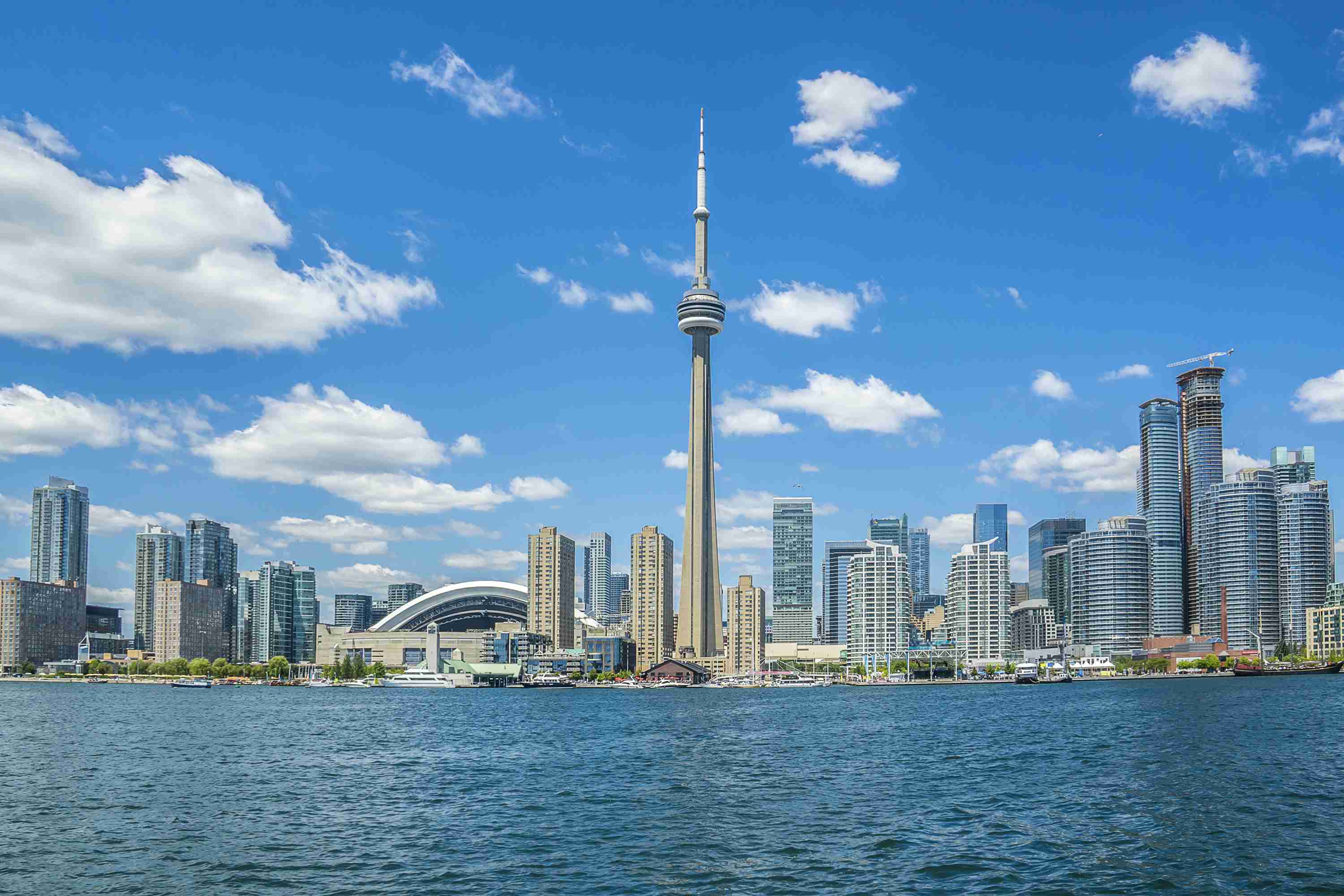
When thinking about island-rich nations, tropical archipelagos often come to mind. Countries surrounded by turquoise waters and palm-lined coastlines are frequently assumed to dominate global island counts. However, geography does not always align with visual expectations. This raises an intriguing but data-driven question: which country has the most islands in the world?
The answer is not located in Southeast Asia or the Caribbean, but in Northern Europe. Island counts depend heavily on geological history, coastline fragmentation, and how islands are officially defined and surveyed. In 2026, updated geographic records confirm a clear leader.
Which Country Has The Most Islands In The World?
The country that currently holds the highest recorded island count is Sweden, with more than 267,570 islands according to recent geographic surveys. This figure places Sweden at the top of global rankings when evaluating which country has the most islands in the world based on officially documented landforms.
Most of Sweden’s islands are uninhabited and relatively small in size. They are primarily concentrated along the country’s eastern coastline, particularly in the Baltic Sea, as well as within its extensive inland lake systems. A significant share of the total originates from the Stockholm Archipelago, a vast and intricate network of islands, islets, and rocky outcrops formed through glacial activity thousands of years ago. As glaciers retreated at the end of the last Ice Age, rising sea levels filled carved depressions in the landscape, leaving behind thousands of fragmented land masses.
Sweden’s position as the leader in island count may surprise those who associate high island numbers with tropical regions. However, detailed geographic mapping and the country’s highly fragmented coastline explain why Sweden consistently answers the question of which country has the most islands in the world, even though it is not typically known for tropical island tourism.
Why Does Sweden Have So Many Islands?
Sweden’s exceptionally high island count is primarily the result of long-term geological processes rather than recent territorial expansion or administrative classification. The landscape of Sweden was significantly shaped during the last Ice Age, when massive glaciers covered much of Northern Europe. As these glaciers advanced and later retreated, they carved deep grooves into the bedrock and reshaped both coastal and inland terrain.
When the ice sheets melted, rising sea levels and post-glacial land movements filled these carved depressions with water. This process left behind thousands of fragmented landforms scattered across coastal regions and lake systems. Over time, these small land masses became officially recognised as individual islands under geographic classification standards.
Several key factors contribute to Sweden’s high island total:
Extensive glaciated coastline, particularly along the Baltic Sea, where retreating glaciers created irregular shorelines and scattered rock formations
Numerous inland lakes, including large freshwater systems that contain thousands of small islands within their boundaries
Highly fragmented coastal terrain, featuring bays, narrow channels, peninsulas, and rocky outcrops that increase the number of distinct landforms
Detailed modern geographic surveys, which use satellite mapping and precise measurement techniques to identify and classify even small islands
Many of Sweden’s islands are small, rocky, and uninhabited. Some consist of little more than exposed bedrock with minimal vegetation. Despite their size, they are counted individually under official geographic criteria as long as they remain permanently above water and naturally formed. This combination of geological history and detailed surveying explains why Sweden consistently ranks first when examining which country has the most islands in the world.
How Do Other Countries Compare?
While Sweden ranks first in most 2026 assessments, it is not the only country with an exceptionally high island count. Several nations report substantial totals due to similar geological histories, fragmented coastlines, and detailed geographic surveying methods. In many cases, differences in ranking are influenced by how an island is defined, including minimum size thresholds and whether small rocky outcrops are included in official counts.
Island totals can also change over time as mapping technologies improve. Advances in satellite imaging and digital cartography have allowed countries to conduct more precise surveys, sometimes identifying previously unrecorded landforms. As a result, rankings may vary slightly between sources, but the following countries consistently appear at the top of global comparisons.
Norway
Norway often appears close behind Sweden in island rankings. Its total varies depending on classification standards, ranging from approximately 239,000 to over 320,000 islands. Norway’s deeply indented fjords and numerous Arctic island formations significantly increase its measured coastline and island count. As with Sweden, glacial activity played a central role in shaping this fragmented terrain.
Finland
Finland has nearly 179,000 islands, many located within its extensive inland lake systems in addition to coastal regions along the Baltic Sea. The country’s thousands of freshwater islands contribute heavily to its overall total, reflecting a landscape strongly influenced by glacial retreat and post-glacial land uplift.
Japan
Japan reported 120,729 islands in a 2023 survey, a figure that reflects updated satellite mapping techniques and refined classification criteria. As a volcanic archipelago formed along tectonic boundaries, Japan’s island distribution differs geologically from the Nordic countries but remains substantial in global comparison.
Canada
Canada has more than 52,000 islands, many concentrated in northern Arctic regions. Although it does not rank as high as Sweden or Norway in total island count, its Arctic Archipelago contains some of the largest islands in the world, contributing significantly to its coastal complexity.
Why Isn’t Indonesia Ranked First?
When people think of island nations, Indonesia often comes to mind. Indonesia is the world’s largest archipelagic nation and has approximately 17,504 islands.
However, despite its vast maritime geography, Indonesia does not rank first in terms of total island count. Nordic countries surpass Indonesia due to their extremely fragmented coastlines and smaller, individually counted landforms.
How Are Islands Counted?
Island counts depend on clearly defined geographic criteria rather than informal observation. As coastlines can be highly fragmented and landforms vary in size, international surveys rely on consistent classification standards to determine what qualifies as an island. These standards ensure comparability across countries, even though minor variations in methodology can still affect final totals.
Most official surveys consider the following factors:
Minimum land size, as some countries exclude extremely small rock outcrops below a defined surface area threshold
Permanent exposure above water, meaning the land must remain visible at high tide and not be submerged seasonally
Natural formation, excluding artificial islands created through land reclamation or construction
Distinct separation from the mainland landmass, requiring a measurable water boundary
In addition to these criteria, advances in satellite mapping and digital cartography have significantly improved measurement precision. High-resolution imagery allows geographers to identify smaller islands that may not have been recorded in earlier surveys. This technological progress explains why updated counts sometimes differ from historical figures, even when no physical changes have occurred.
Do More Islands Mean More Tourism?
A high island count does not automatically translate into tourism development. Many of the islands in Sweden, Norway, and Finland are small, rocky, and uninhabited. In contrast, some countries with fewer islands are globally recognised for having the most beautiful islands in the world due to climate, accessibility, and infrastructure.
Beauty and quantity are separate measures. While Nordic countries lead in total numbers, tropical regions often dominate lists of the most beautiful islands in the world based on tourism appeal.
What Should Travellers Consider When Visiting Island-Rich Countries?
Travelling in countries with extensive island networks often requires additional logistical planning compared to mainland destinations. While island regions can offer scenic landscapes and unique cultural experiences, their geographic separation may influence transportation schedules, service availability, and infrastructure access.
Remote islands, particularly those that are sparsely populated, may have limited daily connections to larger cities. Seasonal weather patterns can also affect accessibility, especially in regions with strong winds, heavy rainfall, or winter ice conditions.
Key considerations include:
Ferry or regional flight availability, as transport options may operate on fixed schedules with limited frequency
Weather-dependent routes, where sea conditions or visibility can affect departure times
Access to healthcare facilities, since smaller islands may offer only basic medical services
Limited infrastructure on smaller islands, including restricted accommodation options or limited digital connectivity
Understanding these logistical factors allows travellers to plan itineraries more effectively and allocate sufficient time between connections. In island-rich countries, preparation and scheduling flexibility can contribute significantly to a smoother travel experience.
How Does Travel Insurance Fit Into Island Travel Planning?
Island travel can involve multiple transport connections, maritime routes, or flights to remote areas. Travel insurance is commonly included in international planning to support medical care abroad and assistance during travel disruptions.
In this context, providers such as Niva Bupa Travel Insurance are often referenced due to structured overseas medical coverage, provisions for cashless hospitalisation where applicable, and clearly defined policy terms. These features are relevant when travel includes geographically dispersed destinations.
Also Read : Which Is the Biggest Island in the World? Why Australia Isn’t Included (2026)
Conclusion
The answer to which country has the most islands in the world may not align with common expectations. Sweden currently leads global rankings with over 267,000 islands, shaped largely by glacial history and detailed geographic mapping. Norway and Finland follow closely, while Japan and Canada also maintain significant island counts.
Island quantity reflects geological processes more than climate or tourism appeal. While Nordic countries lead numerically, discussions about the most beautiful islands in the world often focus on entirely different geographic regions.
FAQs
1. Which Country Has The Most Islands In The World?
Sweden currently holds the highest recorded island count with over 267,570 islands. Most of these islands are small and uninhabited. The total reflects detailed geographic surveys and glacial coastline fragmentation.
2. Why Does Norway Sometimes Appear To Have More Islands?
Norway’s island count varies depending on the measurement criteria. Some surveys report over 320,000 islands when smaller landforms are included. Classification standards can affect ranking positions.
3. Does Indonesia Have The Most Islands?
Indonesia has approximately 17,504 islands. While it is the largest archipelagic nation, it does not have the highest total count. Nordic countries surpass it due to more fragmented coastlines.
4. Are All Of Sweden’s Islands Inhabited?
No. The vast majority of Sweden’s islands are uninhabited. Many are small rocky formations or isolated land fragments. Only a limited number support permanent settlements.
5. Which Country Has The Most Beautiful Islands In The World?
There is no single official ranking for the most beautiful islands in the world. Beauty is subjective and influenced by climate, scenery, and accessibility. Tropical and Mediterranean regions are often highlighted in tourism-focused lists.
Stay protected against medical emergencies, trip delays, and lost baggage worldwide.
 By clicking, I agree to Niva Bupa
 You may also like

Popular Searches
Health Insurance - Health Insurance | Best Family Health Insurance | Best Health Insurance For Senior Citizens In India | Health Insurance With Opd Cover | Mediclaim Insurance | Critical Illness Insurance | Personal Accident Insurance | Mediclaim Policy | Individual Health Insurance | Maternity Insurance | Best Health Insurance company | NRI Health Insurance
Health Insurance Schemes - PMMVY Login | PMJJBY Policy Status | Swasthya Sathi Card | PMSBY | ABHA Card Download | PMJJBY | Ayushman Card | PMMVY 2.0 | Ayushman Vay Vandana Card | PMMVY NIC IN रजिस्ट्रेशन | PMMVY 2.0 लॉगिन
Travel Insurance Plans - Travel Insurance | International Travel Insurance | Student Travel Insurance | Travel Insurance USA | Travel Insurance Canada | Travel Insurance Thailand | Travel Insurance Germany | Travel Insurance Dubai | Travel Insurance Bali | Travel Insurance Australia | Travel Insurance Schengen | Travel Insurance Singapore | Travel Insurance UK | Travel Insurance Vietnam | Travel Insurance Japan | Travel Insurance Spain | Travel Insurance Asia | Travel Insurance Netherlands | Travel Insurance Turkey | Travel Insurance Ireland | Travel Insurance Phillipines | Travel Insurace Italy | Travel Insurance France | Travel Insurance China | Travel Insurance Georgia | Travel Insurance South Africa | Travel Insurance Maldives | Travel Insurance Portugal | Travel Insurance Malaysia | Travel Insurance Qatar | Travel Insurance Poland | Travel Insurance Greece | Travel Insurance New zealand | Travel Insurance Saudi Arabia | Travel Insurance Sri Lanka
Become an Agent - Insurance Agent | Insurance Advisor | Licensed Insurance Agent | Health Insurance Consultant | POSP Insurance Agent | IRDA Certificate Download | IC 38 Exam | Insurance Agent vs POSP | IRDA Exam Syllabus | IRDAI Agent Locator | IRDA exam fee | Paise Kaise Kamaye | Ghar Baithe Paise Kaise Kamaye
Top Hospitals - Best Hospitals in Chennai | Top Hospitals in Delhi | Best Hospitals in Gurgaon | Best Hospitals in India | Top 10 Hospitals in India | Best Hospitals in Hyderabad | Best Hospitals in Kolkata | Best cancer hospitals in Bangalore | Best cancer hospitals in Hyderabad | Best cancer hospitals in Mumbai | Best cancer hospitals in India | Top 10 cancer hospitals in India
Others - Ayushman Bharat | Gst Refund for NRI on Health Insurance Premium | Health Insurance Tax Deductible
Health & Wellness - शिलाजीत के फायदे हिंदी | Weight Gain Diet in Hindi | Sat Isabgol Uses In Hindi | Aloe Vera Juice Benefits in Hindi | Dragon Fruit Benefits in Hindi | Akal Daad in Hindi | Acidity Home Remedies in Hindi | Nikat Drishti Dosh in Hindi | Yoga Benefits in Hindi | Laung Khane ke Fayde in Hindi | Leukoplakia in Hindi | Protien in 100g Paneer | Benefits of Rice Water For Skin | B12 Deficiency Symptoms in Hindi | Fibre Foods in Hindi | Chronic Disease Meaning in Hindi | Vitamin D Foods in Hindi | Blood Urea in Hindi | Beetroot Uses Good for Health
Calculator - BMI Calculator | Pregnancy Calculator | Pregnancy Calendar Based on Conception Date | Pregnancy Conception Date Calculator | Last Menstrual Period Calculator | BMR Calculator | GFR Calculator | Ovulation Calculator



www.nivabupa.com

+91 11 30902010

1860-500-8888

CIN: L66000DL2008PLC182918
IRDAI Registration No. 145

Corporate Office: 3rd Floor, Capital Cyberscape, Sector 59, Gurgaon
Registered Office: C-98, First Floor, Lajpat Nagar, Part 1, Delhi-110024, India


