

Which Country Is the Hottest in the World?
12 March, 2026
7 Shares
570 Reads
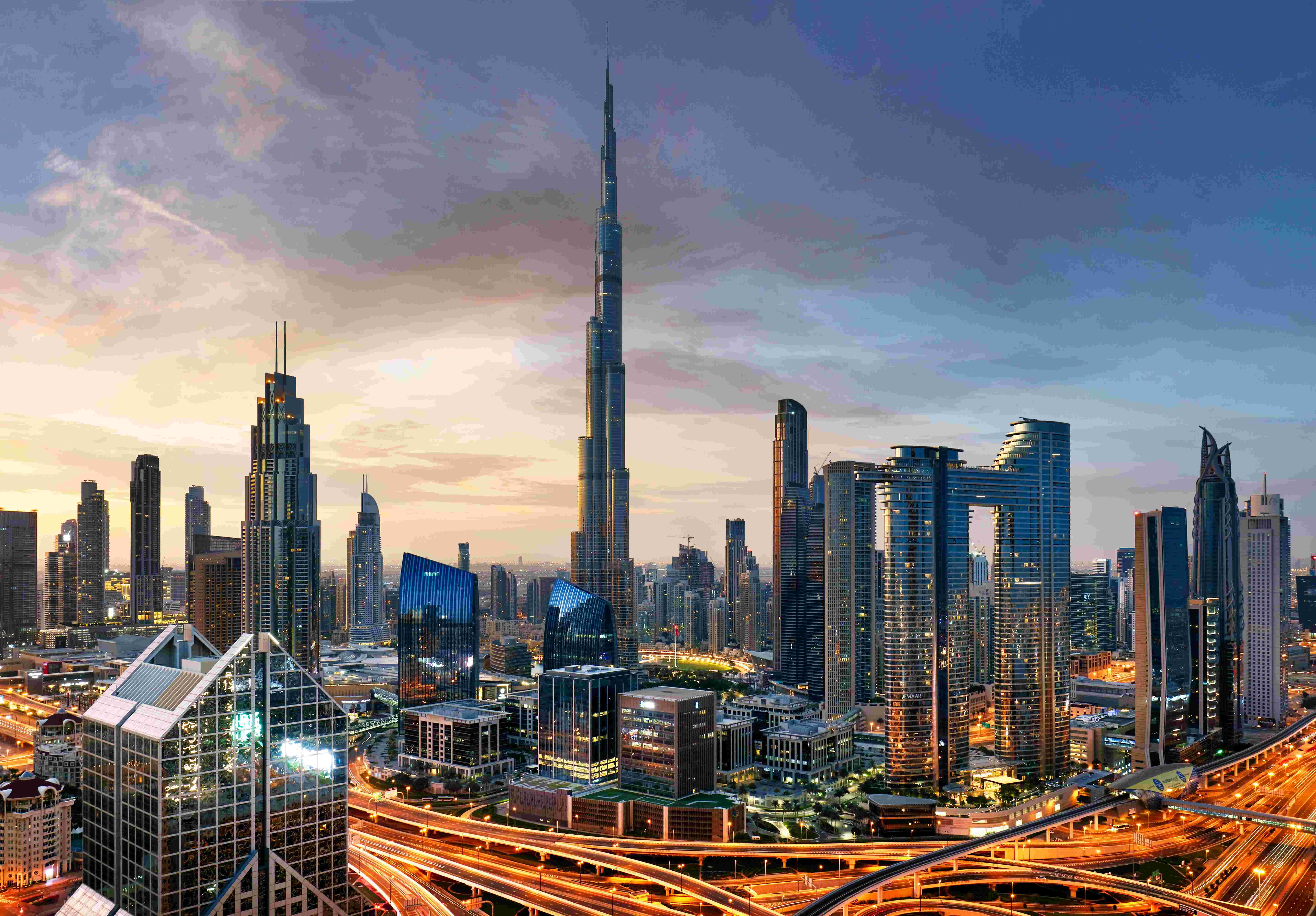
Travellers who crave sunshine and adventure often dream of visiting places where the heat is not just a season but a way of life. From vast deserts with golden sand to dry landscapes under bright sunshine, some countries experience extremely high temperatures throughout the year. For many travellers, visiting these hot destinations can be an exciting experience. It offers a chance to see unique landscapes and understand how people live in places where the weather is very hot.
While many people prefer cooler climates, others are curious about which country is the hottest in the world. Some countries regularly record very high temperatures and are known for their intense heat and desert environments. In this blog, we will explore the hottest countries in the world and learn what makes them some of the warmest places on the planet.
How Do Scientists Identify the Hottest Countries on Earth?
Researchers study climate by using meteorological records that have been collected over many years. Weather stations record daily information such as temperature, rainfall, humidity, and wind patterns. When this data is gathered over a long period, it forms long-term climate datasets that help scientists understand climate conditions around the world.
To find out which country is the hottest in the world, scientists compare the average annual temperature from many different places within each country. This is important because using data from only one weather station might not represent the whole country’s climate.
Several important factors affect a country’s temperature patterns:
Latitude and closeness to the equator
Elevation and mountainous terrain
The presence of desert landscapes
Distance from oceans and other coastal influences
Countries located in dry tropical zones usually have the highest average temperatures. These areas receive strong solar radiation and have very little rainfall, which creates hot climates for most of the year.
Because of these environmental characteristics, some countries appear again and again in global temperature rankings.
Which Countries Consistently Record the Highest Average Temperatures?
1. Mali
Mali, located in West Africa, is one of the hottest countries because a large portion of its land lies within the Sahara Desert and the Sahel region. These areas have a semi-arid to desert climate, meaning rainfall is very limited and clear skies allow strong solar radiation to heat the land surface. The country’s low latitude also increases sun exposure throughout the year. With very little vegetation and high levels of surface heating, temperatures remain high for most months, especially during the long dry season.
2. Burkina Faso
Burkina Faso experiences very high average annual temperatures due to its location within the dry tropical climate zone of West Africa. The country is far from large oceans, which means there are limited coastal influences to moderate temperature extremes. Strong solar radiation, combined with seasonal drought conditions and relatively flat terrain, allows heat to build up across the region. During the dry season, reduced cloud cover and low soil moisture further increase surface temperatures.
3. Senegal
Senegal has a tropical climate influenced by both the Atlantic Ocean and the nearby Sahel region. While coastal areas benefit slightly from cooling ocean breezes, inland regions experience intense solar heating and long dry seasons. The country’s low latitude means it receives strong sunlight throughout the year, which increases average annual temperatures. During the dry months, reduced cloud cover and limited rainfall allow temperatures to rise significantly.
4. Tuvalu
Tuvalu is a small island nation in the Pacific Ocean located very close to the equator. Its equatorial climate keeps temperatures warm and stable throughout the year with very little seasonal variation. Although the surrounding ocean moderates extreme heat, the constant exposure to solar radiation maintains consistently high mean temperatures. High humidity levels and warm sea surface temperatures also contribute to the country’s warm climate conditions.
5. Djibouti
Djibouti, located in the Horn of Africa, is known for its extremely hot desert climate. The country experiences very low annual rainfall and frequent clear skies, allowing intense solar radiation to heat the land surface. Much of Djibouti lies at relatively low elevation, which can increase heat accumulation. Combined with dry air masses and limited vegetation, these conditions result in some of the highest average temperatures recorded in the region.
6. Mauritania
Mauritania is heavily influenced by the Sahara Desert, which covers most of the country. The region’s arid climate, minimal rainfall, and lack of vegetation allow the ground to absorb large amounts of solar energy. Clear skies and low atmospheric moisture mean that heat is not easily dispersed. As a result, the country experiences extremely high surface temperatures and some of the hottest conditions in North Africa throughout the year.
7. Gambia
The Gambia has a tropical savanna climate characterized by a distinct wet season and a long dry season. During the dry months, strong solar radiation and reduced cloud cover cause temperatures to rise significantly. The country’s low elevation and location within the West African tropical zone contribute to consistently high average annual temperatures. In addition, high humidity levels during the wet season can make the heat feel even more intense.
8. Niger
Niger is one of the hottest countries in the world because much of its territory lies within the Sahara Desert and the surrounding Sahel region. These regions experience extremely low precipitation, clear skies, and strong solar radiation, all of which contribute to high surface temperatures. The country’s arid climate also means that there is little vegetation to absorb heat, allowing temperatures to remain extremely high, particularly during the long dry season.
Why Are Desert Regions Associated With the Hottest Climates?
Desert environments play a major role in shaping global temperature extremes. Researchers studying which country is the hottest place on Earth often focus on desert regions because of the unique environmental characteristics found there.
Several factors make deserts particularly hot.
Clear skies allow uninterrupted sunlight to reach the ground
Dry air prevents heat from dispersing quickly
Sand and rock surfaces absorb large amounts of solar radiation
Vegetation is sparse, limiting natural shade
Because of these conditions, desert surfaces can heat rapidly during the afternoon. Air temperatures rise as the ground releases stored heat into the surrounding atmosphere.
Major desert systems such as the Sahara Desert and the Arabian Desert, therefore, produce some of the hottest climates on Earth.
How Do Communities Adapt to Living in Very Hot Climates?
Millions of people live in regions where temperatures regularly exceed 40 degrees Celsius. Communities in these environments have developed strategies that allow them to adapt to extreme heat.
In countries that frequently appear in discussions about which country is the hottest place on Earth, traditional architecture and cultural practices often reflect the local climate.
Some common adaptations include:
Constructing buildings with thick walls that maintain cooler indoor temperatures
Designing shaded courtyards within homes
Scheduling outdoor activities early in the morning or evening
Wearing lightweight clothing suited for hot climates
Modern infrastructure has also introduced cooling technologies, improved water supply systems, and urban planning strategies that create shaded public areas.
These adaptations allow people to live comfortably even in extremely hot climates.
How Is Climate Change Influencing the Hottest Regions?
Climate scientists continue monitoring temperature changes across the world to understand how global warming may influence the hottest regions. Rising global temperatures are expected to increase the frequency and intensity of heatwaves in many areas.
Researchers studying long-term climate patterns regularly revisit discussions about which country is the hottest in the world as new temperature data becomes available.
Several climate trends have become more noticeable in recent years.
Heatwaves are occurring more frequently in certain regions
Longer summer seasons in many countries
Expansion of dry and desert regions
Stronger urban heat island effects in large cities
These developments may influence global temperature rankings in the future. Scientists also continue evaluating which country is the hottest place on Earth as new temperature records are documented.
Understanding these trends helps researchers anticipate how global climate patterns may evolve in the coming decades.
What Precautions Should Travellers Take When Visiting Hot Countries?
Despite extreme temperatures, many hot countries remain popular tourist destinations. Regions in North Africa and the Middle East attract travellers because of their historic cities, cultural heritage, and dramatic desert landscapes.
Visitors exploring areas often associated with which country is the hottest place on earth usually plan their activities carefully to avoid the most intense heat during the day. Preparing for weather conditions and health considerations can make travel more comfortable in such climates.
Some common travel practices include:
Exploring outdoor attractions early in the morning
Taking breaks indoors during the afternoon
Staying hydrated throughout the day
Wearing lightweight clothing suitable for hot climates
Travellers may also review travel insurance options before international trips, particularly when visiting destinations with unfamiliar weather conditions or healthcare systems. Policies such as Niva Bupa’s Travel Insurance are sometimes considered because they may include overseas medical coverage and cashless hospitalisation support where applicable.
These precautions allow travellers to explore historic sites, desert landscapes, and cultural landmarks safely, even in hot weather.
Conclusion
The hottest countries in the world highlight how geography and climate work together to shape extreme temperatures. Regions near the equator and large desert landscapes such as the Sahara Desert receive intense solar radiation and very little rainfall, which leads to consistently high average annual temperatures. Despite these harsh conditions, millions of people live in these regions and have developed practical ways to adapt to the heat through architecture, daily routines, and lifestyle choices.
Read more- Which Country Has the Best Weather in the World in 2026?
For travellers, these destinations offer more than just hot weather. They provide the opportunity to explore unique natural landscapes, learn about different cultures, and experience environments that are very different from cooler climates. With proper planning, hydration, and awareness of the climate, visitors can safely enjoy these fascinating places while gaining a deeper appreciation of how people and nature adapt to some of the hottest climates on Earth.
FAQs
What factors determine the hottest country on Earth?
Several environmental factors influence which country is the hottest in the world, including geographic location, desert landscapes, rainfall patterns, and average annual temperature.
Is the hottest country the same as the hottest place on Earth?
Not always. When discussing which country is the hottest place on Earth, researchers may refer to locations that record the highest single temperature rather than the average climate of a country.
Why are many of the hottest countries located in Africa?
Many African nations lie close to the Sahara Desert and the Sahel region, where dry climates and intense solar radiation create extremely hot conditions.
Can climate change affect the hottest regions of the world?
Yes. Rising global temperatures may influence climate patterns and heatwave intensity, which could affect future rankings of which country is the hottest in the world.
Do people live comfortably in extremely hot countries?
Yes. Communities living in regions associated with which country is the hottest place on Earth have adapted through architectural design, cultural practices, and modern cooling technologies.
Stay protected against medical emergencies, trip delays, and lost baggage worldwide.
 By clicking, I agree to Niva Bupa
 You may also like


Popular Searches
Health Insurance - Health Insurance | Best Family Health Insurance | Best Health Insurance For Senior Citizens In India | Health Insurance With Opd Cover | Mediclaim Insurance | Critical Illness Insurance | Personal Accident Insurance | Mediclaim Policy | Individual Health Insurance | Maternity Insurance | Best Health Insurance company | NRI Health Insurance
Health Insurance Schemes - PMMVY Login | PMJJBY Policy Status | Swasthya Sathi Card | PMSBY | ABHA Card Download | PMJJBY | Ayushman Card | PMMVY 2.0 | Ayushman Vay Vandana Card | PMMVY NIC IN रजिस्ट्रेशन | PMMVY 2.0 लॉगिन
Travel Insurance Plans - Travel Insurance | International Travel Insurance | Student Travel Insurance | Travel Insurance USA | Travel Insurance Canada | Travel Insurance Thailand | Travel Insurance Germany | Travel Insurance Dubai | Travel Insurance Bali | Travel Insurance Australia | Travel Insurance Schengen | Travel Insurance Singapore | Travel Insurance UK | Travel Insurance Vietnam | Travel Insurance Japan | Travel Insurance Spain | Travel Insurance Asia | Travel Insurance Netherlands | Travel Insurance Turkey | Travel Insurance Ireland | Travel Insurance Phillipines | Travel Insurace Italy | Travel Insurance France | Travel Insurance China | Travel Insurance Georgia | Travel Insurance South Africa | Travel Insurance Maldives | Travel Insurance Portugal | Travel Insurance Malaysia | Travel Insurance Qatar | Travel Insurance Poland | Travel Insurance Greece | Travel Insurance New zealand | Travel Insurance Saudi Arabia | Travel Insurance Sri Lanka
Become an Agent - Insurance Agent | Insurance Advisor | Licensed Insurance Agent | Health Insurance Consultant | POSP Insurance Agent | IRDA Certificate Download | IC 38 Exam | Insurance Agent vs POSP | IRDA Exam Syllabus | IRDAI Agent Locator | IRDA exam fee | Paise Kaise Kamaye | Ghar Baithe Paise Kaise Kamaye
Top Hospitals - Best Hospitals in Chennai | Top Hospitals in Delhi | Best Hospitals in Gurgaon | Best Hospitals in India | Top 10 Hospitals in India | Best Hospitals in Hyderabad | Best Hospitals in Kolkata | Best cancer hospitals in Bangalore | Best cancer hospitals in Hyderabad | Best cancer hospitals in Mumbai | Best cancer hospitals in India | Top 10 cancer hospitals in India
Others - Ayushman Bharat | Gst Refund for NRI on Health Insurance Premium | Health Insurance Tax Deductible
Health & Wellness - शिलाजीत के फायदे हिंदी | Weight Gain Diet in Hindi | Sat Isabgol Uses In Hindi | Aloe Vera Juice Benefits in Hindi | Dragon Fruit Benefits in Hindi | Akal Daad in Hindi | Acidity Home Remedies in Hindi | Nikat Drishti Dosh in Hindi | Yoga Benefits in Hindi | Laung Khane ke Fayde in Hindi | Leukoplakia in Hindi | Protien in 100g Paneer | Benefits of Rice Water For Skin | B12 Deficiency Symptoms in Hindi | Fibre Foods in Hindi | Chronic Disease Meaning in Hindi | Vitamin D Foods in Hindi | Blood Urea in Hindi | Beetroot Uses Good for Health
Calculator - BMI Calculator | Pregnancy Calculator | Pregnancy Calendar Based on Conception Date | Pregnancy Conception Date Calculator | Last Menstrual Period Calculator | BMR Calculator | GFR Calculator | Ovulation Calculator



www.nivabupa.com

+91 11 30902010

1860-500-8888

CIN: L66000DL2008PLC182918
IRDAI Registration No. 145

Corporate Office: 3rd Floor, Capital Cyberscape, Sector 59, Gurgaon
Registered Office: C-98, First Floor, Lajpat Nagar, Part 1, Delhi-110024, India


