

Biopsy Test: Purpose, Risks & Procedure Explained
12 June, 2026
9 Shares
179 Reads
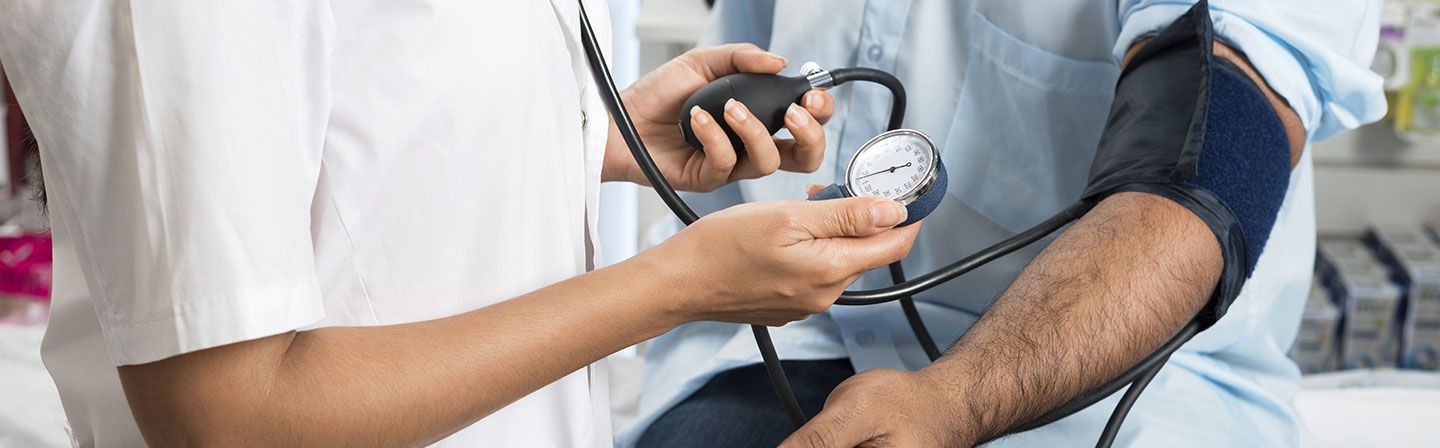
Your doctor has just mentioned the word biopsy, and your mind has gone a little blank. You might've gone in for a routine scan or a check-up, only to leave with a referral you weren't expecting. At that moment, questions start piling up. What does the procedure actually involve? Will it hurt? What might the results show?
That reaction is completely normal. Most people have only a rough idea of what a biopsy involves, and the gaps tend to feel a lot more frightening than the reality. This blog fills those gaps. By the time you finish reading, you'll understand the different types of biopsies, what happens on the day, and what to watch for during recovery. Stay tuned till the end.
Understanding Biopsy Test
A biopsy isn't like most diagnostic tests. Rather than measuring chemical signals in your blood or interpreting images from the outside, it goes directly to the source. A small piece of tissue, a group of cells, or a fluid sample is taken from your body and sent to a pathologist, a specialist who uses high-powered microscopes and chemical stains to examine what's happening at a cellular level.
Your doctor may recommend a biopsy test if a lump is felt during a physical exam, if an imaging report flags an abnormality, or if you've had unexplained changes in how an organ is functioning. Unusual skin moles are another common reason. In each case, the aim is the same: to get a definitive answer that other tests simply can't provide.
Types of Biopsy Tests
The method your doctor chooses depends entirely on where the suspicious area sits in the body and how much tissue is needed for an accurate reading.
Needle Biopsy
This is the most frequently performed type of biopsy test. A thin, hollow needle is used to reach the area of concern and withdraw a small sample of cells or a narrow core of tissue. In this process, stitches are rarely required afterwards.
Surgical Biopsy
Sometimes more tissue needs to be examined, or the entire mass needs to be surgically removed for a complete assessment. This biopsy procedure involves making a small cut in the skin so that the area can be accessed directly. Depending on the site of the problem, a biopsy is done under either local or general anaesthesia, i.e., the patient remains awake during the procedure or sleep through it.
Endoscopic Biopsy
If there is suspicion of some pathological change occurring in the internal organs (the lungs, stomach, bladder, etc.), then a biopsy under an endoscope is required. It consists of using a thin, flexible tube that has a tiny camera and a clamping device. After insertion, a tissue sample can be obtained.
Skin Biopsy
This type of biopsy is prescribed when there is something suspicious happening with the patient's skin (a new mole appearing or changes in colour). This procedure involves cutting off a small sample of the deeper layer of skin using a circular tool or scraping.
Bone Marrow Biopsy
The blood cells are produced within the bone marrow. When the results of the blood tests show unusual values of blood cells, the doctor may order a bone marrow biopsy test. In this test, a special needle takes a sample of both liquid and solid substances in the bone marrow to detect problems with the blood, such as leukaemia and lymphoma.
How is a Biopsy Test Performed Step by Step?
Knowing the sequence of events before you arrive can take much of the uncertainty out of the experience.
Preparation Before the Procedure
Your medical team will give you a clear set of instructions ahead of the biopsy test. Blood-thinning medications may need to be paused for a few days to reduce bruising. If sedation is involved, you'll likely be asked to fast for several hours beforehand. Let your doctor know about all medications and supplements you're currently taking.
On the Day of the Biopsy
When you arrive, a nurse will check your blood pressure and heart rate. You'll then be positioned comfortably on a table. For many biopsy types, the doctor uses an ultrasound or CT scan in real time to guide the needle or tool to precisely the right spot, which significantly improves accuracy and reduces risk.
After the Procedure
Once the sample is collected, a bandage is applied to the site, and you may be asked to hold gentle pressure on it for a few minutes. If you received sedation, you'll rest in a recovery room until it wears off. Most people can go home the same day. Your care team will give you clear aftercare instructions, including keeping the area dry for the first 24 hours.
What are the Risks of a Biopsy Test?
A biopsy is a safe, routinely performed procedure, but it carries a small set of risks worth knowing about:
- A small amount of spotting on the bandage or minor bruising at the site is normal after a biopsy test. Significant bleeding is rare, but it's why doctors advise avoiding heavy lifting for a day or two following the procedure.
- In this procedure, there's a small chance of bacteria entering the body. The procedure is carried out in a sterile environment, and keeping the site clean and covered as instructed will reduce this risk during healing.
- Once the anaesthetic wears off, a dull ache or soreness at the biopsy site is common. It's usually manageable with standard over-the-counter pain relief and tends to ease within 24 to 48 hours.
- When a needle is inserted deep into the body, there's a very slight possibility of it grazing a nearby organ or blood vessel. This is uncommon, and the use of imaging guidance during the procedure reduces the risk considerably.
The wait between having the biopsy test and receiving the results can be genuinely stressful. Talking to someone you trust, whether a family member or a counsellor, can help you manage that anxiety while your medical team works on getting you a clear answer.
Final Thoughts
A biopsy test is a well-established procedure that millions of people undergo safely every year. It's not a verdict. It's a step toward getting the precise answer your doctor needs to give you the right care.
At Niva Bupa, we understand that the experience of going for a diagnosis, such as a biopsy, may be very crucial in your journey towards better health. This is why our health insurance plans are specifically designed to cover you right from the process of diagnosis to the process of treatment. It is time for you to check out our health insurance coverage.
FAQs
1. What is a biopsy test used for?
A biopsy test is primarily used to provide a definitive diagnosis when other tests, like X-rays or blood work, show something unusual. It helps doctors determine if a growth is cancerous or benign, identify the cause of an unexplained infection, or check for inflammatory and autoimmune conditions. By looking at cells directly, it ensures you receive the most accurate treatment plan for your specific health needs.
2. Is a biopsy test painful?
Most patients find a biopsy test much less painful than they expected. Doctors use local anaesthesia to completely numb the area before the procedure begins, so you should only feel some pressure or a dull sensation. For more complex or internal biopsies, sedation or general anaesthesia is used to ensure you are comfortable and relaxed throughout the process. Any minor soreness afterwards can usually be managed with simple pain relievers.
3. How long does a biopsy procedure take?
The duration of a biopsy test depends on the type being performed, but most needle biopsies are completed in 15 to 30 minutes. A skin biopsy can take even less time, often just 5 to 10 minutes. More involved procedures, such as an endoscopic or surgical biopsy, may take about an hour, including the preparation time. In most cases, you will be able to return home on the same day.
4. How long does it take to get biopsy results?
In India, you can typically expect your biopsy results within 3 to 7 working days. The process takes time because the tissue sample must be chemically treated, thinly sliced, and carefully examined by a pathologist. If the sample requires specialised tests, such as molecular profiling or immunohistochemistry, to get more detailed information, it may take up to 10 or 14 days for the final report to be ready.
5. Does health insurance cover biopsy tests in India?
Yes, most comprehensive health insurance plans in India cover the cost of a biopsy test, especially if it is part of a hospitalisation or a day-care procedure. Since a biopsy is a crucial diagnostic tool for serious conditions, it is generally included in the diagnostic coverage of your policy. It is always a good idea to check your specific plan details or contact your provider to understand the extent of your coverage and any claim requirements.
6. What should I avoid after a biopsy test?
After a biopsy test, doctors usually advise avoiding heavy lifting, intense exercise, or activities that may strain the biopsy area for a few days. It is also important to keep the site clean and follow all aftercare instructions carefully. Mild swelling or soreness is normal, but if you notice severe pain, bleeding, fever, or signs of infection, you should contact your doctor immediately.
Get right coverage, right premium and the right protection instantly.
 By clicking, I agree to Niva Bupa
 You may also like

Popular Searches
Health Insurance - Health Insurance | Best Family Health Insurance | Best Health Insurance For Senior Citizens In India | Health Insurance With Opd Cover | Mediclaim Insurance | Critical Illness Insurance | Personal Accident Insurance | Mediclaim Policy | Individual Health Insurance | Maternity Insurance | Best Health Insurance company | NRI Health Insurance
Health Insurance Schemes - PMMVY Login | PMJJBY Policy Status | Swasthya Sathi Card | PMSBY | ABHA Card Download | PMJJBY | Ayushman Card | PMMVY 2.0 | Ayushman Vay Vandana Card | PMMVY NIC IN रजिस्ट्रेशन | PMMVY 2.0 लॉगिन
Travel Insurance Plans - Travel Insurance | International Travel Insurance | Student Travel Insurance | Travel Insurance USA | Travel Insurance Canada | Travel Insurance Thailand | Travel Insurance Germany | Travel Insurance Dubai | Travel Insurance Bali | Travel Insurance Australia | Travel Insurance Schengen | Travel Insurance Singapore | Travel Insurance UK | Travel Insurance Vietnam | Travel Insurance Japan | Travel Insurance Spain | Travel Insurance Asia | Travel Insurance Netherlands | Travel Insurance Turkey | Travel Insurance Ireland | Travel Insurance Phillipines | Travel Insurace Italy | Travel Insurance France | Travel Insurance China | Travel Insurance Georgia | Travel Insurance South Africa | Travel Insurance Maldives | Travel Insurance Portugal | Travel Insurance Malaysia | Travel Insurance Qatar | Travel Insurance Poland | Travel Insurance Greece | Travel Insurance New zealand | Travel Insurance Saudi Arabia | Travel Insurance Sri Lanka
Become an Agent - Insurance Agent | Insurance Advisor | Licensed Insurance Agent | Health Insurance Consultant | POSP Insurance Agent | IRDA Certificate Download | IC 38 Exam | Insurance Agent vs POSP | IRDA Exam Syllabus | IRDAI Agent Locator | IRDA exam fee | Paise Kaise Kamaye | Ghar Baithe Paise Kaise Kamaye
Top Hospitals - Best Hospitals in Chennai | Top Hospitals in Delhi | Best Hospitals in Gurgaon | Best Hospitals in India | Top 10 Hospitals in India | Best Hospitals in Hyderabad | Best Hospitals in Kolkata | Best cancer hospitals in Bangalore | Best cancer hospitals in Hyderabad | Best cancer hospitals in Mumbai | Best cancer hospitals in India | Top 10 cancer hospitals in India
Others - Ayushman Bharat | Gst Refund for NRI on Health Insurance Premium | Health Insurance Tax Deductible
Health & Wellness - शिलाजीत के फायदे हिंदी | Weight Gain Diet in Hindi | Sat Isabgol Uses In Hindi | Aloe Vera Juice Benefits in Hindi | Dragon Fruit Benefits in Hindi | Akal Daad in Hindi | Acidity Home Remedies in Hindi | Nikat Drishti Dosh in Hindi | Yoga Benefits in Hindi | Laung Khane ke Fayde in Hindi | Leukoplakia in Hindi | Protien in 100g Paneer | Benefits of Rice Water For Skin | B12 Deficiency Symptoms in Hindi | Fibre Foods in Hindi | Chronic Disease Meaning in Hindi | Vitamin D Foods in Hindi | Blood Urea in Hindi | Beetroot Uses Good for Health
Calculator - BMI Calculator | Pregnancy Calculator | Pregnancy Calendar Based on Conception Date | Pregnancy Conception Date Calculator | Last Menstrual Period Calculator | BMR Calculator | GFR Calculator | Ovulation Calculator



www.nivabupa.com

+91 11 30902010

1860-500-8888

CIN: L66000DL2008PLC182918
IRDAI Registration No. 145

Corporate Office: 3rd Floor, Capital Cyberscape, Sector 59, Gurgaon
Registered Office: C-98, First Floor, Lajpat Nagar, Part 1, Delhi-110024, India


