

Bipolar Disorder: Symptoms, Causes, and Effective Treatment Options
27 May, 2026
9 Shares
84 Reads
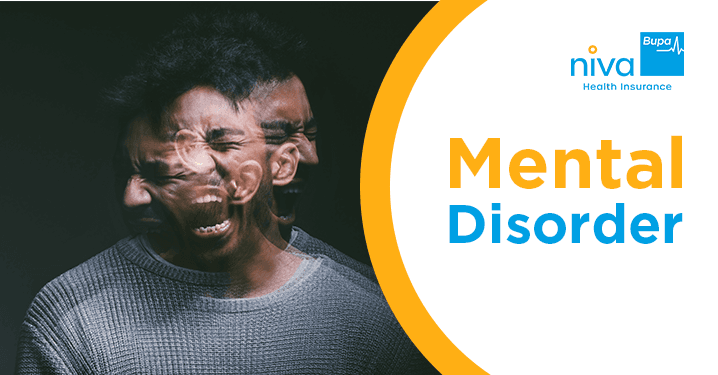
Seeking clarity on mental health often begins with a single, persistent question: why do my moods feel so significantly different from those around me? While everyone experiences emotional fluctuations, the transition between intense energy and profound lethargy can sometimes indicate an underlying clinical condition. Understanding the role of a Bipolar Test is a critical first step for anyone attempting to differentiate between standard life stress and a chronic mood disorder.
Self-screening tools are not designed to provide a final medical verdict. Instead, they act as a mirror, reflecting patterns of behaviour and emotion that might otherwise be overlooked in the rush of daily life. By engaging with these assessments, individuals can gather the necessary vocabulary to speak with a healthcare professional, ensuring that their internal experiences are translated into actionable medical insights.
What is a Bipolar Test?
A Bipolar Test is typically a validated psychological screening tool, such as the Mood Disorder Questionnaire (MDQ) or the Bipolar Spectrum Diagnostic Scale (BSDS). These assessments consist of a series of questions designed to identify the hallmarks of Bipolar Disorder, specifically the presence of manic or hypomanic episodes.
It is important to understand that these tests do not look at a single moment in time. Rather, they ask the respondent to reflect on their entire life history. They seek to identify if there has ever been a period where the individual felt "not like their usual self" for a sustained duration.
The Purpose of Screening
The primary goal of a screening tool is sensitivity. It aims to catch as many potential cases as possible so that they can be further evaluated by a psychiatrist. Because mental health care involves long term management, many people find that having comprehensive health insurance provides the necessary support to move from a self-test to a formal clinical diagnosis without financial strain.
Recognising the Signs: Why Take a Test?
Before sitting down to take a Bipolar Test, most individuals notice specific "red flags" in their behaviour. These signs are generally divided into two categories: the "highs" (mania or hypomania) and the "lows" (depression).
Signs of Mania and Hypomania
Mania is often characterised by an upward shift in energy that feels uncontrollable. Common signs include:
- Feeling unusually "high" or optimistic to the point of being out of touch with reality.
- Having a significantly decreased need for sleep without feeling tired the next day.
- Rapid, pressured speech where it becomes difficult for others to interrupt.
- Racing thoughts that jump quickly from one topic to another.
- Impulsive decision-making, such as sudden large purchases or risky social behaviour.
Signs of Depressive Episodes
The depressive phase is often what leads people to seek a Bipolar Test in the first place, as the discomfort is more immediate. Signs include:
- A deep, pervasive sense of hopelessness or emptiness.
- Excessive sleep or the inability to sleep despite feeling exhausted.
- Significant changes in appetite or weight.
- A loss of interest in hobbies or social interactions that were previously enjoyed.
- Physical slowing of movement or speech, often described as feeling "heavy."
Common Questions Found in a Bipolar Test
While every assessment is slightly different, most validated tests focus on a cluster of symptoms that occurred during the same period of time. Here are the types of questions you are likely to encounter:
Questions Regarding Energy and Activity
- Have there been times when you felt so good or so hyper that other people thought you were not your normal self?
- Have you ever been so irritable that you shouted at people or started fights or arguments?
- Have you ever felt much more self-confident than usual?
Questions Regarding Cognitive Function
- Have you ever noticed your thoughts racing so fast that you could not keep up with them?
- Have you ever been much more interested in sex than usual?
- Have you ever done things that were unusual for you or that other people might have thought were excessive, foolish, or risky?
Questions Regarding Social Impact
- Did any of these behaviours ever cause you trouble at work, with your family, or lead to legal or financial problems?
- Did these symptoms happen during the same period of time?
What Your Results Mean?
Once you have completed a Bipolar Test, the results are usually presented as a score. Understanding how to interpret this score is vital for your emotional well-being.
If Your Score is High
A high score suggests that your symptoms align with the diagnostic criteria for Bipolar I, Bipolar II, or Cyclothymia. This is not a reason to panic. Instead, it is a signal that your brain may process emotions and energy differently. A high score is an invitation to seek a professional evaluation.
If Your Score is Low
A low score indicates that you likely do not meet the criteria for a bipolar spectrum disorder. However, if you are still feeling distressed, your symptoms might be related to other conditions such as Major Depressive Disorder, Anxiety, or even physical issues like thyroid dysfunction. A low score on a Bipolar Test does not mean your pain is not real; it simply means the cause might lie elsewhere.
The Role of Professional Validation
No matter the result, a self-test is just the beginning of the conversation. A psychiatrist will take your test results and combine them with a clinical interview, family history, and perhaps even blood tests to rule out physical ailments. During this comprehensive evaluation, having health insurance is highly beneficial, as it covers the costs of specialist consultations and any necessary diagnostic imaging or laboratory work.
Different Types of Bipolar Disorder
The results of your screening might point toward one of several variations of the condition. Each requires a slightly different approach to treatment and management.
Bipolar I Disorder
This is characterised by at least one manic episode that lasts at least seven days. The mania is often severe enough to require hospitalisation. While depressive episodes are common, they are not strictly required for a Bipolar I diagnosis.
Bipolar II Disorder
In Bipolar II, the individual experiences major depressive episodes and hypomanic episodes. Hypomania is a less intense version of mania that does not typically cause significant functional impairment or psychosis. However, the depressive episodes in Bipolar II can be particularly long and difficult to treat.
Cyclothymic Disorder
This is a milder form of the condition where the individual experiences "mini-highs" and "mini-lows" for at least two years. While the symptoms are not severe enough to be classified as full mania or major depression, the constant oscillation can be exhausting and disruptive to daily life.
Factors That Can Influence Test Results
It is crucial to be honest when taking a Bipolar Test, but it is also important to consider external factors that might skew your answers.
- Substance Use: Alcohol and drugs can mimic or exacerbate mood swings, making it difficult to tell if the symptoms are "organic" or substance-induced.
- Medications: Certain medications, such as steroids or high-dose antidepressants, can trigger hypomanic-like symptoms.
- Life Circumstances: High-stress events, such as a bereavement or a job loss, can cause significant emotional upheaval that might temporarily look like a mood disorder.
- Physical Health: Conditions like hyperthyroidism can cause anxiety and rapid speech, while hypothyroidism can cause symptoms that look exactly like clinical depression.
Treatment and Next Steps
If a professional confirms the findings of your Bipolar Test, the focus shifts to management. Bipolar disorder is a lifelong condition, but it is highly treatable with the right combination of tools.
Medication
Mood stabilisers, such as lithium or certain anticonvulsants, are the foundation of treatment. These medications help "cap" the highs and "lift" the lows, allowing the individual to live within a more stable emotional range. Antipsychotics and antidepressants may also be used depending on the specific symptoms.
Psychotherapy
Cognitive Behavioural Therapy (CBT) and Interpersonal and Social Rhythm Therapy (IPSRT) are particularly effective. These therapies help individuals identify their triggers, manage stress, and maintain a consistent daily routine, which is vital for mood stability.
Lifestyle Management
Maintaining a strict sleep schedule, avoiding caffeine and alcohol, and exercising regularly are all essential components of a healthy life with a mood disorder. Because these treatments involve a multi-disciplinary team, including psychiatrists, therapists, and GPs, the financial security provided by health insurance ensures that the individual can maintain their treatment plan over the long term.
The Importance of Professional Support
Self-diagnosis via an online Bipolar Test can sometimes lead to unnecessary anxiety or, conversely, a false sense of security. The human brain is incredibly complex, and mood disorders often co-occur with other conditions like ADHD or PTSD.
A professional can tease apart these complexities. They can provide a safe environment to discuss sensitive topics and offer a personalised treatment plan that a generic online test cannot. Furthermore, a clinical diagnosis is often required to access certain workplace accommodations or to claim benefits under your health insurance policy.
Supporting a Loved One
If you are encouraging someone else to take a Bipolar Test, approach the subject with empathy rather than judgment. Frame the test as a tool for understanding rather than a label.
- Be Patient: It may take time for them to accept that they need to screen for a condition.
- Be Observant: Offer to help them track their moods, as they may not notice their own patterns of mania or depression.
- Be Practical: Help them find a doctor or check if their health insurance covers mental health assessments to make the process feel less overwhelming.
Conclusion
A Bipolar Test is a powerful instrument for self-discovery and the first step toward a more stable, fulfilling life. While the prospect of a mood disorder diagnosis can be daunting, it also provides an explanation for years of unexplained emotional turbulence.
Identifying these patterns early allows for the implementation of effective treatment strategies that preserve relationships, careers, and personal well-being. With the support of medical professionals, a strong personal network, and the practical safety net of health insurance, living with a mood disorder becomes a manageable journey rather than an insurmountable obstacle.
Frequently Asked Questions
1. Can a Bipolar Test tell me if I have Bipolar I or II?
Screening tests generally identify the presence of the bipolar spectrum. A specific diagnosis of Type I or Type II usually requires a clinical interview with a psychiatrist who can assess the severity and duration of your manic episodes.
2. Is a Bipolar Test accurate for children?
Standard adult tests like the MDQ are not designed for children. Paediatric mood disorders often manifest differently, such as through extreme irritability rather than euphoria, and require specialised paediatric assessments.
3. What should I do if my test says I am at risk?
The first step is to book an appointment with your GP or a psychiatrist. Bring a copy of your test results or a log of your symptoms to help guide the conversation.
4. Can I take a Bipolar Test while I am on antidepressants?
Yes, but you should mention this to your doctor. Antidepressants can sometimes mask or trigger certain symptoms, which is important context for an accurate diagnosis.
5. How long does a formal clinical evaluation take?
While a self-test takes 10 minutes, a clinical evaluation may take one or more sessions, each lasting about an hour, to ensure an accurate diagnosis.
6. Will my health insurance cover the cost of a psychiatrist?
Most modern health insurance policies include mental health coverage. However, you should check your specific plan to see if you need a referral from your GP first.
7. Can lifestyle changes alone "fix" a high test score?
While diet, sleep, and exercise are crucial, they are rarely enough to manage a biological mood disorder on their own. Medication is typically necessary to stabilise brain chemistry.
8. Are online tests private?
This depends on the website. It is always safer to use tests provided by reputable mental health charities or medical organisations. Be wary of sites that ask for personal identifying information before showing results.
9. Why did my test ask about my family history?
Bipolar disorder has a strong genetic component. If a close relative has the condition, it increases the statistical likelihood that your symptoms are related to the same disorder.
10. Can anxiety look like a positive result on a Bipolar Test?
Yes. Agitation, racing thoughts, and sleep problems are common in both anxiety and mania. This is exactly why a professional evaluation is necessary to distinguish between the two.
Get right coverage, right premium and the right protection instantly.
 By clicking, I agree to Niva Bupa
 You may also like



Popular Searches
Health Insurance - Health Insurance | Best Family Health Insurance | Best Health Insurance For Senior Citizens In India | Health Insurance With Opd Cover | Mediclaim Insurance | Critical Illness Insurance | Personal Accident Insurance | Mediclaim Policy | Individual Health Insurance | Maternity Insurance | Best Health Insurance company | NRI Health Insurance
Health Insurance Schemes - PMMVY Login | PMJJBY Policy Status | Swasthya Sathi Card | PMSBY | ABHA Card Download | PMJJBY | Ayushman Card | PMMVY 2.0 | Ayushman Vay Vandana Card | PMMVY NIC IN रजिस्ट्रेशन | PMMVY 2.0 लॉगिन
Travel Insurance Plans - Travel Insurance | International Travel Insurance | Student Travel Insurance | Travel Insurance USA | Travel Insurance Canada | Travel Insurance Thailand | Travel Insurance Germany | Travel Insurance Dubai | Travel Insurance Bali | Travel Insurance Australia | Travel Insurance Schengen | Travel Insurance Singapore | Travel Insurance UK | Travel Insurance Vietnam | Travel Insurance Japan | Travel Insurance Spain | Travel Insurance Asia | Travel Insurance Netherlands | Travel Insurance Turkey | Travel Insurance Ireland | Travel Insurance Phillipines | Travel Insurace Italy | Travel Insurance France | Travel Insurance China | Travel Insurance Georgia | Travel Insurance South Africa | Travel Insurance Maldives | Travel Insurance Portugal | Travel Insurance Malaysia | Travel Insurance Qatar | Travel Insurance Poland | Travel Insurance Greece | Travel Insurance New zealand | Travel Insurance Saudi Arabia | Travel Insurance Sri Lanka
Become an Agent - Insurance Agent | Insurance Advisor | Licensed Insurance Agent | Health Insurance Consultant | POSP Insurance Agent | IRDA Certificate Download | IC 38 Exam | Insurance Agent vs POSP | IRDA Exam Syllabus | IRDAI Agent Locator | IRDA exam fee | Paise Kaise Kamaye | Ghar Baithe Paise Kaise Kamaye
Top Hospitals - Best Hospitals in Chennai | Top Hospitals in Delhi | Best Hospitals in Gurgaon | Best Hospitals in India | Top 10 Hospitals in India | Best Hospitals in Hyderabad | Best Hospitals in Kolkata | Best cancer hospitals in Bangalore | Best cancer hospitals in Hyderabad | Best cancer hospitals in Mumbai | Best cancer hospitals in India | Top 10 cancer hospitals in India
Others - Ayushman Bharat | Gst Refund for NRI on Health Insurance Premium | Health Insurance Tax Deductible
Health & Wellness - शिलाजीत के फायदे हिंदी | Weight Gain Diet in Hindi | Sat Isabgol Uses In Hindi | Aloe Vera Juice Benefits in Hindi | Dragon Fruit Benefits in Hindi | Akal Daad in Hindi | Acidity Home Remedies in Hindi | Nikat Drishti Dosh in Hindi | Yoga Benefits in Hindi | Laung Khane ke Fayde in Hindi | Leukoplakia in Hindi | Protien in 100g Paneer | Benefits of Rice Water For Skin | B12 Deficiency Symptoms in Hindi | Fibre Foods in Hindi | Chronic Disease Meaning in Hindi | Vitamin D Foods in Hindi | Blood Urea in Hindi | Beetroot Uses Good for Health
Calculator - BMI Calculator | Pregnancy Calculator | Pregnancy Calendar Based on Conception Date | Pregnancy Conception Date Calculator | Last Menstrual Period Calculator | BMR Calculator | GFR Calculator | Ovulation Calculator



www.nivabupa.com

+91 11 30902010

1860-500-8888

CIN: L66000DL2008PLC182918
IRDAI Registration No. 145

Corporate Office: 3rd Floor, Capital Cyberscape, Sector 59, Gurgaon
Registered Office: C-98, First Floor, Lajpat Nagar, Part 1, Delhi-110024, India


