

Fatty Liver Symptoms and Treatment: What You Need to Know
3 March, 2026
7 Shares
233 Reads
Fatty liver disease is frequently characterized as a silent condition, and for the most part, that description is spot on. For many, it doesn’t arrive with a burst of sharp pain or unmistakable warning signals; instead, it tends to develop at a glacial pace. Most people don’t have a specific lightbulb moment where they realize something is wrong. More often than not, the issue comes to light during a routine check-up, perhaps through a blood test or an imaging scan ordered for an entirely different reason.
This quiet, understated onset is exactly why fatty liver disease is so easy to overlook. When you aren’t feeling severe discomfort, it is natural to develop a false sense of security. However, while the beginnings might be silent, the long-term reality can be quite grave if the condition is ignored. Should the disease progress, the resulting permanent damage can fundamentally undermine your physical well-being.
Really getting to grips with the specifics of fatty liver symptoms and fatty liver treatment is critical not only for those currently managing a diagnosis but also for anyone with elevated risk factors. Developing this awareness early on is what allows for timely intervention, better daily habits, and a solid medical strategy before any complications have the opportunity to settle in.
What Fatty Liver Disease Is and How It Develops
In essence, this condition takes hold when the fat stored within liver cells exceeds what is biologically healthy. While a baseline amount of fat is standard for any liver, letting that level climb too high begins to disrupt the organ's operational flow and structural integrity. This ongoing imbalance eventually places an enormous burden on a part of the body that serves as a vital engine for your entire metabolism.
In clinical settings, the condition is generally split into two categories: alcoholic fatty liver disease and non-alcoholic fatty liver disease (NAFLD). While the names distinguish the cause, specifically alcohol consumption, the metabolic stress the liver endures is remarkably similar in both versions. They share the same underlying mechanics of inflammation, oxidative stress, and a reduced ability for the liver to regenerate itself.
It is helpful to view fatty liver disease not as an isolated incident but as a symptom of broader metabolic shifts. It usually reflects a systemic imbalance in the body rather than a problem tucked away in a single corner of the liver.
The Liver’s Central Role in Overall Health
The liver is a multitasking powerhouse: it manages blood sugar, processes fats from your diet, stores vital nutrients, and filters toxins out of your blood. When fat deposits disrupt these processes, the ripples are felt far beyond the liver itself. This explains why we so often see fatty liver disease hand-in-hand with type 2 diabetes, obesity, and increased cardiovascular risks. In many ways, the state of your liver acts as a mirror for your entire metabolic health.
Early Fatty Liver Symptoms That Are Often Overlooked
One of the steepest hurdles in managing this condition is catching it in its infancy. During the initial stages, the body might send out signals that are so vague or mild they are easily blamed on a bad night’s sleep or a stressful week at the office.
Early fatty liver symptoms rarely feel like an emergency. They have a way of lingering quietly in the background, slowly becoming a part of your "new normal" rather than triggering an immediate call to the doctor.
Common Early Symptoms
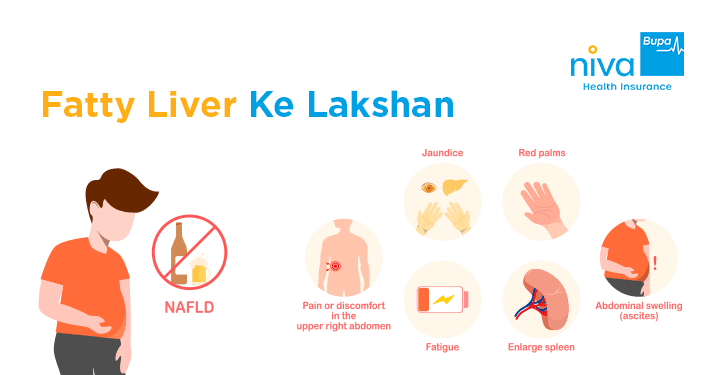
It is important to remember that some people may not experience any outward signs at all. However, when they do appear, common early fatty liver symptoms include:
- A persistent sense of exhaustion that rest doesn’t seem to fix
- A dull heaviness or vague discomfort located in the upper right side of the abdomen
- A brain fog or general difficulty staying focused
- Consistently low energy levels throughout the day
- A general sense of being unwell (malaise) without a specific cause
While these indicators are often subtle, their persistence is what should truly grab your attention.
Progressive Fatty Liver Symptoms and Warning Signs
As the condition moves forward, the sheer volume of fat can lead to active inflammation. At this juncture, the symptoms usually become more noticeable and start to interfere with daily life.
Progressive fatty liver symptoms are often a signal that the liver is under significant, sustained stress. At this point, simple lifestyle tweaks might still be the foundation, but they usually require formal medical supervision to be effective.
Symptoms That Suggest Disease Progression
Signs that definitely warrant a professional evaluation include:
- Abdominal pain or tenderness that doesn’t go away
- A noticeable drop in appetite or feeling full far too quickly
- Bouts of nausea that occur without a clear trigger
- Frequent bloating or a sense of abdominal fullness
- Weight loss that happens unintentionally
These signs suggest that the disease may be moving past the early, manageable stages into something more complex.
How Fatty Liver Disease Is Diagnosed
The diagnostic journey usually starts when a blood panel reveals elevated liver enzymes. These results act as a red flag, prompting doctors to look closer using imaging tools like ultrasounds, CT scans, or MRIs.
Clinicians rarely rely on a solitary test to confirm a diagnosis; instead, they treat the process like a puzzle, assembling evidence from blood work, imaging reports, your unique medical history, and specific lifestyle risks.
Why Early Diagnosis Is Important
Catching the problem early makes fatty liver treatment exceptionally powerful. At this particular stage, making deliberate, focused changes to your daily routine can reverse fat buildup and halt long-term injury before it becomes permanent. Conversely, waiting too long to get a diagnosis often leaves healthcare providers with fewer options to help you recover.
Fatty Liver Treatment: What Management Involves in Practice
There are no pharmaceutical shortcuts for this ailment. Instead, fatty liver treatment focuses squarely on fixing the underlying environmental and biological drivers that caused the fat to accumulate initially. The objective is straightforward: alleviate the strain on the liver, regain metabolic harmony, and ensure the condition does not escalate further.
Medical management is almost always personalized. Your doctor will look at the severity of your condition and any other health issues you might be facing to create the right plan.
Core Treatment Strategies
Before diving into the specifics, it is vital to underline that any management plan must be designed and overseen by a healthcare professional.
Foundational fatty liver treatment measures usually include:
- A focus on gradual, sustainable weight loss
- A structured approach to changing your daily diet
- Consistent, regular physical activity
- Aggressive management of blood sugar and cholesterol levels
- Cutting out alcohol entirely if your doctor advises it
When these steps are followed consistently, the improvement can be quite dramatic.
Dietary Adjustments in Fatty Liver Treatment
What you eat is perhaps the most powerful tool in fatty liver treatment. Consistently eating too many refined carbs, sugary drinks, and saturated fats is a direct contributor to liver fat.
The good news is that effective dietary change isn't about extreme deprivation. It’s about finding a nutritional balance that your metabolism can handle over the long haul.
Key Nutritional Considerations
Most dietary plans for liver health will emphasize:
- Moving toward a diet high in fiber-rich foods
- Slashing the amount of added sugars you consume
- Prioritizing lean proteins like fish or plant-based options
- Staying away from processed and heavily fried foods
Success here is measured by sustainability, not by how intense your diet is for a single week.
Physical Activity and Its Role in Liver Recovery
Exercise acts as a catalyst for fatty liver treatment by making your body more sensitive to insulin and helping you metabolize fat more efficiently. Even if it’s just moderate movement, your liver feels the benefits.
Activity plans should always be tailored to what you can realistically do based on your current health.
Recommended Activity Patterns
Walking, swimming, cycling, and low-impact aerobics are fantastic starting points. Some people also see great results from adding light resistance training once they’ve built up a baseline level of fitness.
When Medical Management Becomes Necessary
While lifestyle is the bedrock of fatty liver treatment, there are times when medicine is required. This is especially true if you are also dealing with conditions like diabetes, high blood pressure, or abnormal cholesterol.
In these cases, medications are often used to manage those associated risks, which in turn helps protect the liver from further strain.
Monitoring and Follow-Up Care
Consistent follow-up is the only way to know if your plan is working. It allows your doctor to catch any signs of progression early and tweak your treatment. This usually involves regular blood work and occasionally repeated imaging.
Why Health Insurance Matters in Fatty Liver Care
Managing fatty liver isn’t a one-time fix; it’s a long-term commitment to monitoring and care. The costs of diagnostic tests, repeat scans, and specialist visits can add up over time.
From our experience at Niva Bupa, we see how comprehensive health insurance supports continuity of care for individuals managing metabolic conditions. When diagnostics and outpatient consultations are accessible, adherence to fatty liver treatment improves. At Niva Bupa, we recognize that managing fatty liver disease is a gradual process. Insurance planning reduces hesitation around follow-up testing and specialist advice.
Planning Ahead for Long-Term Liver Health
From our perspective at Niva Bupa, health insurance enables proactive management rather than a delayed reaction. This becomes particularly important for conditions that progress quietly over time.
When to Seek Medical Advice Promptly
You should never wait and see if fatty liver symptoms start to get worse. Delaying a professional evaluation significantly raises the risk that the condition will evolve into something much more difficult to treat.
If you are dealing with ongoing fatigue, stomach discomfort, or if a routine test came back looking a bit off, it’s time to schedule a review.
Situations Requiring Immediate Attention
You should seek medical advice immediately if:
- Your symptoms are getting worse even though you’ve changed your lifestyle
- You notice a yellowing of the skin or eyes (jaundice)
- You experience visible swelling in the abdominal area
- Your liver enzyme levels continue to climb in subsequent tests
The sooner you intervene, the better the outcome usually is.
Conclusion: Addressing Fatty Liver Disease Early
The tricky thing about fatty liver symptoms is that they often show up late, even though the disease has been present for years. The most effective way to protect your health is to recognize the subtle early signs, such as identifying fatty liver symptoms, understanding the different treatment paths, and seeking care as soon as possible.
With the right medical advice, a commitment to a healthier lifestyle, and the security of health insurance, you can manage this condition proactively rather than waiting for a crisis.
Frequently Asked Questions
1) Can fatty liver disease be reversed?
Yes. If the disease is caught in its early stages, it is often reversible through a dedicated fatty liver treatment plan and permanent lifestyle changes.
2) Are fatty liver symptoms always noticeable?
No. Many people have no idea they have the condition because they experience zero symptoms in the beginning.
3) Does fatty liver always progress to serious disease?
Not necessarily. The path the disease takes depends heavily on your individual risk factors and how closely you stick to your treatment plan.
4) Is fatty liver treatment lifelong?
Generally, yes. It requires long-term consistency in your habits rather than a quick-fix approach.
5) Can medication alone treat fatty liver disease?
No. While medicine can help manage related issues like diabetes, it cannot replace the lifestyle-based fatty liver treatment that is necessary for recovery.
6) Is fatty liver linked to diabetes?
Yes, there is a strong link. Insulin resistance is a major factor that contributes to both conditions.
7) Does health insurance cover fatty liver treatment?
Most comprehensive policies will cover the diagnostics and consultations needed for liver care, though you should always check your specific policy terms.
Get right coverage, right premium and the right protection instantly.
 By clicking, I agree to Niva Bupa
 You may also like



Popular Searches
Health Insurance - Health Insurance | Best Family Health Insurance | Best Health Insurance For Senior Citizens In India | Health Insurance With Opd Cover | Mediclaim Insurance | Critical Illness Insurance | Personal Accident Insurance | Mediclaim Policy | Individual Health Insurance | Maternity Insurance | Best Health Insurance company | NRI Health Insurance
Health Insurance Schemes - PMMVY Login | PMJJBY Policy Status | Swasthya Sathi Card | PMSBY | PMJJBY | Ayushman Card | PMMVY 2.0 | Ayushman Vay Vandana Card | PMMVY NIC IN रजिस्ट्रेशन | PMMVY 2.0 लॉगिन
Travel Insurance Plans - Travel Insurance | International Travel Insurance | Student Travel Insurance | Travel Insurance USA | Travel Insurance Canada | Travel Insurance Thailand | Travel Insurance Germany | Travel Insurance Dubai | Travel Insurance Bali | Travel Insurance Australia | Travel Insurance Schengen | Travel Insurance Singapore | Travel Insurance UK | Travel Insurance Vietnam | Travel Insurance Japan | Travel Insurance Spain | Travel Insurance Asia | Travel Insurance Netherlands | Travel Insurance Turkey | Travel Insurance Ireland | Travel Insurance Phillipines | Travel Insurace Italy | Travel Insurance France | Travel Insurance China | Travel Insurance Georgia | Travel Insurance South Africa | Travel Insurance Maldives | Travel Insurance Portugal | Travel Insurance Malaysia | Travel Insurance Qatar | Travel Insurance Poland | Travel Insurance Greece | Travel Insurance New zealand | Travel Insurance Saudi Arabia | Travel Insurance Sri Lanka
Become an Agent - Insurance Agent | IRDA Certificate Download | IRDA Exam Syllabus | IRDA exam fee | Paise Kaise Kamaye | Ghar Baithe Paise Kaise Kamaye
Top Hospitals - Best Hospitals in Gurgaon
Others - Ayushman Bharat | Gst Refund for NRI on Health Insurance Premium
Health & Wellness - शिलाजीत के फायदे हिंदी | Weight Gain Diet in Hindi | Sat Isabgol Uses In Hindi | Aloe Vera Juice Benefits in Hindi | Dragon Fruit Benefits in Hindi | Akal Daad in Hindi | Acidity Home Remedies in Hindi | Nikat Drishti Dosh in Hindi | Yoga Benefits in Hindi | Laung Khane ke Fayde in Hindi | Leukoplakia in Hindi | Protien in 100g Paneer | Benefits of Rice Water For Skin | B12 Deficiency Symptoms in Hindi | Fibre Foods in Hindi | Chronic Disease Meaning in Hindi | Vitamin D Foods in Hindi | Blood Urea in Hindi | Beetroot Uses Good for Health
Calculator - BMI Calculator | Pregnancy Calculator | Pregnancy Calendar Based on Conception Date | Pregnancy Conception Date Calculator | Last Menstrual Period Calculator | BMR Calculator | GFR Calculator | Ovulation Calculator



www.nivabupa.com

+91 11 30902010

1860-500-8888

CIN: L66000DL2008PLC182918
IRDAI Registration No. 145

Corporate Office: 3rd Floor, Capital Cyberscape, Sector 59, Gurgaon
Registered Office: C-98, First Floor, Lajpat Nagar, Part 1, Delhi-110024, India


