

Gastro-oesophageal Reflux Disease (GERD): Symptoms, Causes, and Relief Tips
17 June, 2026
9 Shares
184 Reads
What Is Gastro-oesophageal Reflux Disease (GERD)?
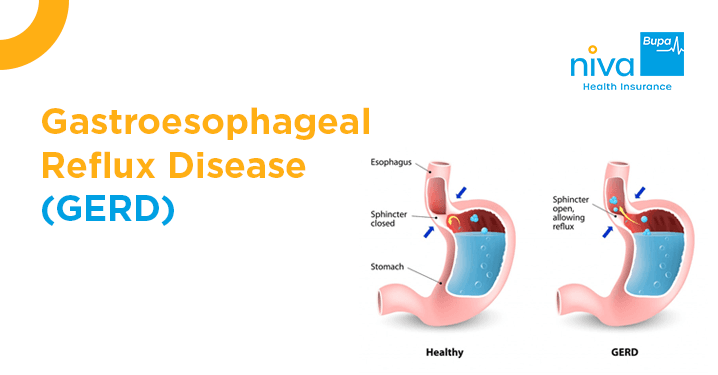
Gastro-oesophageal reflux disease (or GERD) is a condition where acid from your stomach flows back up into your oesophagus or food pipe repeatedly and results in complications.
GERD is chronic and damages the lower oesophageal sphincter (LES), the valve that prevents your stomach contents from regurgitating into the oesophagus unlike occasional reflux. Repeatedly this can damage the lining of the oesophagus and over time cause complications.
How GERD Differs from Acid Reflux and Heartburn
Heartburn is a burning sensation usually felt behind the breastbone. Acid reflux is when stomach contents are brought back up into the oesophagus. GERD on the other hand is chronic reflux that occurs several times a week and causes structural damage to your food pipe, often after a big or fat-heavy meal.
The Long-Term Impact of Untreated GERD
If untreated, GERD can wear away tissue in your lower oesophagus leading to inflammation, ulcers or even scarring that narrows the oesophagus. In some cases it can lead to Barrett’s oesophagus, a precancerous change in the lining of the food pipe that increases the risk of oesophageal adenocarcinoma.
GERD can have a significant impact on your daily activities, beyond just physical damage. Night time reflux can lead to frequent waking, a chronic cough and a sour taste on waking. Frequent reflux can be extremely uncomfortable.
What Are The Most Common Causes of GERD?
Gastro-oesophageal reflux disease is a condition that can be caused by several reasons, as listed below:
Weakened Lower Oesophageal Sphincter
This is one of the primary causes of GERD. A weakened or poorly functioning Lower oesophageal sphincter (LES) can be due to age-related changes, nerve dysfunction or repeated exposure to reflux itself.
People with frequent transient LES relaxations tend to have more reflux episodes and weaken the sphincter tone.
Hiatal Hernia
A hiatal hernia is a condition that occurs when the upper part of the stomach slides up through the diaphragm into the chest, which weakens the natural pressure barrier that helps keep the acid down.
While not everyone with a hiatal hernia develops GERD, the condition is, however, common in individuals suffering from a hiatal hernia, as the hernia reduces the effectiveness of the LES.
Excessive Body Weight and Dietary Habits
If you have excessive body weight, specifically in your central or abdominal area, it can increase pressure inside your abdomen and push your stomach contents upwards. Additionally, abdominal fat can also promote low-grade inflammation and alter LES function over time.
Certain foods and eating behaviours can trigger or aggravate GERD. Dietary triggers include fatty or fried food, chocolate, mint, spicy foods, garlic, onions and citrus foods. Large meals, especially those you consume late at night, can also trigger symptoms.
Smoking and Drinking
Smoking can weaken the LES and reduce saliva, which helps neutralise the acid. It also impairs the food pipe’s ability to clear refluxed acid. Alcohol can similarly relax the LES and increase gastric acid secretion and worsen reflux symptoms.
If you quit smoking and reduce your alcohol consumption, you can meaningfully improve your GERD symptoms. These lifestyle changes can also carry broader cardiovascular and cancer prevention benefits
Symptoms of GERD
GERD can have many symptoms that you might not catch immediately. Here are the symptoms that you should look out for:
- Heartburn: The hallmark of GERD is heartburn. It often occurs after meals, while lying down or bending over. Heartburn is usually recurrent and persistent. Your doctor will be able to better diagnose you if you describe the frequency, timing and triggers of heartburn.
- Regurgitation: This is the effortless return of stomach contents into your mouth or throat that is often accompanied by a sour or bitter taste. This symptom can occur without severe heartburn. It can increase the risk of coughing and cause dental erosion.
- Chest Pain and Cough: GERD can cause chest pain that mimics heart-related pain. This pain is often described as burning pain that is caused by lying down. The acid reaching the throat and airways can irritate your vocal cords and cause chronic cough, hoarseness and a feeling of a lump in your throat.
- Nausea, Bloating, and Burping: Some people with GERD experience bloating, belching, nausea and a feeling of fullness after meals. These symptoms may overlap with functional dyspepsia or other gastrointestinal disorders.
Different Age Groups And How They Experience GERD
While GERD is most common in adults over 40 years of age, other age groups can also experience the disease.
- Infants and Young Children: Infants can have physiological gastro-oesophageal reflux, which means that they can experience brief reflux episodes as their digestive system matures. However, when the reflux leads to poor weight gain, frequent vomiting, irritability or respiratory problems, it may be classified as GERD, and you should consult your doctor.
- Teenagers and Adolescents: Teenagers may experience GERD due to many factors such as large meals, junk food, late-night eating, obesity and even stress. Symptoms such as heartburn, regurgitation and chest pain can be mistaken for anxiety but are actually early warning signs of GERD.
- During Pregnancy: Hormonal and mechanical changes during pregnancy can increase GERD risks. While most symptoms can go away after delivery, if they persist, then you should consult your doctor. Meanwhile, you can control the risk of getting GERD by consuming smaller meals and avoiding lying down for long periods after eating and elevating the head of your bed.
- Older Adults: Older adults may have less of the common symptoms, such as cough, hoarseness or difficulty in swallowing, rather than heartburn. This can significantly delay diagnosis and increase the chance of complications.
Diagnosing GERD
You might be wondering how your doctor will diagnose GERD if it has so many symptoms that are similar to other conditions. In most cases, GERD is diagnosed based on how often reflux occurs and the response to lifestyle and acid-suppressing therapy.
Your doctor will take a detailed medical history that includes the timing, triggers, medications and associated symptoms that will help guide the test. Alarming features like unintended weight loss, vomiting blood, black stools or difficulty swallowing usually prompt further diagnostic tests.
- Endoscopy: Your doctor may suggest an endoscopy. An upper endoscopy is a procedure in which a flexible scope is passed through the mouth to examine the food pipe. It can show any damage from the repeated reflux and confirm the changes in the lining.
- Measure Acid Levels: Monitoring acid levels can reveal how often and how long the acid rises in the oesophagus. A small probe is placed in the lower oesophagus to record the acid exposure and correlate it with symptoms to determine whether it is GERD
- Oesophageal Manometry and Other Diagnostic Tools: Oesophageal Manometry measures the pressure patterns along your food pipe, including LES function and the strength of swallowing contractions. It is used mainly when surgery is being considered.
What Is the Treatment for GERD?
Many people with GERD find that a good combination of dietary changes and lifestyle modifications can significantly improve or even eliminate the symptoms of GERD. The goal, at the end of the day, is to reduce the frequency and severity of reflux and protect the oesophagus.
Dietary changes
Your doctor will likely tell you to avoid foods like fatty, fried, fast, and spicy foods, as well as carbonated drinks, as they can aggravate GERD by relaxing the LES. Heavy or large meals can also trigger GERD symptoms, so they should be avoided.
Instead, you should have lighter meals that lean towards protein and have whole grains and mild vegetables. You can also try chewing your food thoroughly to avoid rushed meals and stop when you reach a feeling of fullness so as not to create internal pressure in your stomach.
Lifestyle changes
GERD can also be caused by infrequent exercise and excessive weight gain, so combining your healthy eating habits with a good exercise routine can significantly help improve GERD. The reflux of acid can increase when you are lying down horizontally, so you should sleep with an elevated head.
You can meditate to manage your stress, as it can worsen reflux symptoms. Wearing loose and non-restrictive clothing can also significantly help reduce abdominal pressure
Medication
You should always consult your doctor before consuming any medication. But in most cases, antacids help neutralise the acid and are good for occasional heartburn. Some natural substitutions for relief are the following:
- Giger Tea
- Sugar-free gum
- Liquorice-derived products
- Probiotics
Why GERD Is Frequently Misdiagnosed or Confused with Other Conditions
Symptoms of GERD may also be similar to those of heart disease, peptic ulcer disease, functional dyspepsia and oesophageal motility disorders. Symptoms such as chest pain, nausea and bloating may be misattributed to the wrong cause, delaying appropriate treatment.
A careful history and directed testing, as indicated, are essential to differentiate GERD from these and other disorders.
Conclusion
GERD is a very common but manageable condition that responds to a combination of dietary changes, lifestyle adjustments and sometimes prescription medications. By successfully identifying triggers and adopting healthier eating habits, maintaining a healthy weight and managing your stress, you can significantly reduce GERD symptoms.
When travelling abroad, we often tend to forget to take these precautions and can develop complications due to GERD symptoms. For those planning extended overseas stays, timely diagnosis and treatment of GERD are essential, making a dedicated health insurance crucial for safeguarding your medical finances. Niva Bupa NRI health insurance offers plans that are tailored to your needs and provide comprehensive coverage, making your treatment process stress-free. You can enjoy your vacation with peace of mind, knowing your health and finances are fully protected.
Frequently Asked Questions
Can GERD Be Cured Permanently or Only Managed?
GERD is manageable, as there is no permanent cure for the condition yet. Some people can achieve long term medication free remission that functions like a cure for many years, but this is usually possible due to a strict and disciplined lifestyle
Can Stress and Anxiety Alone Cause GERD?
Stress and anxiety cannot be the sole reason for you to develop GERD. While they are some of the primary contributing factors, there are many other reasons, like an unhealthy lifestyle, that can lead to GERD
When Should You See a Doctor About Acid Reflux or GERD?
You should see a doctor for acid reflux or GERD when your symptoms are frequent, persistent, severe or accompanied by other warning signs of GERD
Can GERD Damage Be Reversed?
If there is mild damage like oesophageal irritation and inflammation, then those can often heal with proper treatment and lifestyle changes. However, if there is more serious damage like Barrett’s oesophagus, a condition where the lining of the food pipe is severely damaged, then you can ask your doctor for management and monitored treatment plans
Get right coverage, right premium and the right protection instantly.
 By clicking, I agree to Niva Bupa
 You may also like



Popular Searches
Health Insurance - Health Insurance | Best Family Health Insurance | Best Health Insurance For Senior Citizens In India | Health Insurance With Opd Cover | Mediclaim Insurance | Critical Illness Insurance | Personal Accident Insurance | Mediclaim Policy | Individual Health Insurance | Maternity Insurance | Best Health Insurance company | NRI Health Insurance
Health Insurance Schemes - PMMVY Login | PMJJBY Policy Status | Swasthya Sathi Card | PMSBY | ABHA Card Download | PMJJBY | Ayushman Card | PMMVY 2.0 | Ayushman Vay Vandana Card | PMMVY NIC IN रजिस्ट्रेशन | PMMVY 2.0 लॉगिन
Travel Insurance Plans - Travel Insurance | International Travel Insurance | Student Travel Insurance | Travel Insurance USA | Travel Insurance Canada | Travel Insurance Thailand | Travel Insurance Germany | Travel Insurance Dubai | Travel Insurance Bali | Travel Insurance Australia | Travel Insurance Schengen | Travel Insurance Singapore | Travel Insurance UK | Travel Insurance Vietnam | Travel Insurance Japan | Travel Insurance Spain | Travel Insurance Asia | Travel Insurance Netherlands | Travel Insurance Turkey | Travel Insurance Ireland | Travel Insurance Phillipines | Travel Insurace Italy | Travel Insurance France | Travel Insurance China | Travel Insurance Georgia | Travel Insurance South Africa | Travel Insurance Maldives | Travel Insurance Portugal | Travel Insurance Malaysia | Travel Insurance Qatar | Travel Insurance Poland | Travel Insurance Greece | Travel Insurance New zealand | Travel Insurance Saudi Arabia | Travel Insurance Sri Lanka
Become an Agent - Insurance Agent | Insurance Advisor | Licensed Insurance Agent | Health Insurance Consultant | POSP Insurance Agent | IRDA Certificate Download | IC 38 Exam | Insurance Agent vs POSP | IRDA Exam Syllabus | IRDAI Agent Locator | IRDA exam fee | Paise Kaise Kamaye | Ghar Baithe Paise Kaise Kamaye
Top Hospitals - Best Hospitals in Chennai | Top Hospitals in Delhi | Best Hospitals in Gurgaon | Best Hospitals in India | Top 10 Hospitals in India | Best Hospitals in Hyderabad | Best Hospitals in Kolkata | Best cancer hospitals in Bangalore | Best cancer hospitals in Hyderabad | Best cancer hospitals in Mumbai | Best cancer hospitals in India | Top 10 cancer hospitals in India
Others - Ayushman Bharat | Gst Refund for NRI on Health Insurance Premium | Health Insurance Tax Deductible
Health & Wellness - शिलाजीत के फायदे हिंदी | Weight Gain Diet in Hindi | Sat Isabgol Uses In Hindi | Aloe Vera Juice Benefits in Hindi | Dragon Fruit Benefits in Hindi | Akal Daad in Hindi | Acidity Home Remedies in Hindi | Nikat Drishti Dosh in Hindi | Yoga Benefits in Hindi | Laung Khane ke Fayde in Hindi | Leukoplakia in Hindi | Protien in 100g Paneer | Benefits of Rice Water For Skin | B12 Deficiency Symptoms in Hindi | Fibre Foods in Hindi | Chronic Disease Meaning in Hindi | Vitamin D Foods in Hindi | Blood Urea in Hindi | Beetroot Uses Good for Health
Calculator - BMI Calculator | Pregnancy Calculator | Pregnancy Calendar Based on Conception Date | Pregnancy Conception Date Calculator | Last Menstrual Period Calculator | BMR Calculator | GFR Calculator | Ovulation Calculator



www.nivabupa.com

+91 11 30902010

1860-500-8888

CIN: L66000DL2008PLC182918
IRDAI Registration No. 145

Corporate Office: 3rd Floor, Capital Cyberscape, Sector 59, Gurgaon
Registered Office: C-98, First Floor, Lajpat Nagar, Part 1, Delhi-110024, India


