

Knock Knees: Types, Causes & Treatments
2 March, 2026
7 Shares
189 Reads
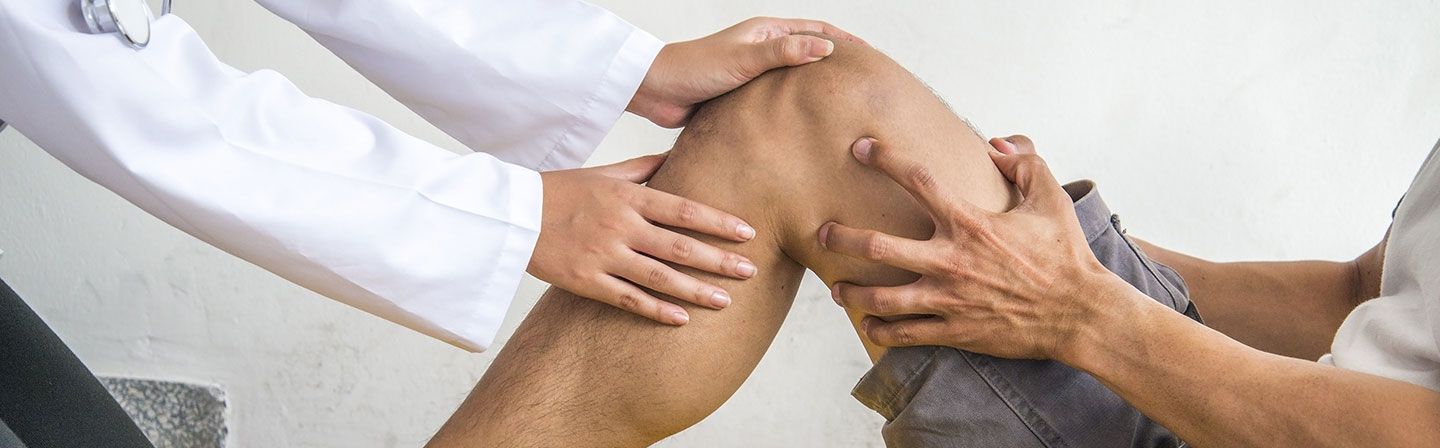
Career paths in the military or law enforcement often depend on more than just mental strength. Physical alignment is a core requirement for many of these high-intensity roles. One specific condition that often leads to disqualification during a medical screening is knock knees. While many people think of this as a simple visual trait, professional institutions view it as a functional limitation. A person with this alignment might struggle with the heavy physical demands of long marches or tactical training. Recruiters look for a specific leg structure because it ensures that the body can handle stress without developing long-term injuries. This means that a condition usually seen as a childhood phase can suddenly become a major obstacle for an adult career. For those aiming for a life in the army or police, the way their legs are built can be just as important as their physical stamina.
In this blog, we will explore the different types of this condition. We will look at why it happens and how doctors identify it. We will also discuss the various treatment options available for both children and adults.
What Are Knock Knees?
Knock knees occur when the knees tilt inward and touch each other while the feet stay apart. In the medical world, this condition is known as genu valgum. It is very common in young children as they grow and learn to walk. For most kids, the legs naturally straighten out by the time they reach seven or eight years of age. However, if the condition persists into the teenage years or develops in adulthood, it can cause physical problems. The inward tilt changes how weight is distributed across the joints. Instead of the weight passing through the centre of the knee, it shifts to the outer side. This uneven pressure can lead to joint pain, ligament strain, and a higher risk of developing bone diseases later in life. It can also change how a person moves, making them less efficient during physical activities.
What Are The Types Of Knock Knees?
Not all cases of this condition are the same. Doctors classify them based on their origin and how they progress over time. Knowing the type is essential for determining if a person needs medical help or if the condition will resolve on its own.
Physiologic Knock Knees
This is the most common form and is considered a natural part of childhood growth. Most children between the ages of two and four show some inward angling. It happens because the skeleton is still maturing and adjusting to the weight of the body. In these cases, the legs usually straighten without any medical intervention. There is no pain or difficulty in movement. Parents simply need to monitor their child as they grow. By the time the child is a bit older, the legs typically reach a normal, straight alignment.
Pathologic Knock Knees
This type is caused by an underlying health issue or a physical injury. It does not go away as the person grows older and may even get worse. Pathologic cases can affect one leg or both. It is often linked to things like nutritional deficiencies or genetic disorders. Because this type is the result of a specific problem, it often causes pain or makes it hard to walk. People with this type usually need a doctor to create a treatment plan to prevent long-term damage to the joints.
What Are The Symptoms?
While the most obvious sign is the way the legs look, there are several other physical indicators. These symptoms can range from mild discomfort to severe mobility issues, depending on the degree of the inward tilt.
- A visible inward angling of the knees that is most apparent when standing with the feet together.
- Persistent discomfort or a dull ache that is often felt on the inner side of the knee joint.
- Difficulty with walking or running because the knees may hit each other during movement.
- An unusual walking pattern that may look like a waddle or an awkward swing of the legs.
- Pain in other areas, like the hips or ankles, occurs because the body is trying to compensate for the crooked alignment.
- A feeling that the knees cannot move through their full natural range.
- Increased pain or a sense of instability when playing sports or doing heavy physical work.
What Causes Knock Knees?
Many different factors can lead to the development of this condition. Some are simple parts of growth, while others are serious medical issues that require attention.
- Normal growth (physiological variation): Common in young children and usually corrects itself as they grow.
- Rickets: Caused by lack of vitamin D, calcium, or phosphorus, leading to soft, weak bones that bend inward.
- Osteoarthritis: In adults, wear and tear of the knee cartilage can cause the joint to collapse inward over time.
- Blount’s disease: A growth disorder of the shin bone that can lead to leg misalignment and needs treatment.
- Osteochondroma: A benign bone growth near joints that can change the way bones grow.
- Injury or trauma: Damage to growth plates in children or poorly healed fractures in adults can lead to crooked legs.
- Congenital or genetic factors: Some people are born with bone or joint structures that cause misalignment.
- Connective tissue disorders: Weak or loose ligaments allow the knees to shift inward.
- Infection or tumours: These can damage or distort bones, affecting their normal growth and alignment.
How Is Knock-Knees Diagnosed?
A doctor will begin the diagnosis by talking about the patient's medical history. They will ask when the inward tilt was first noticed and if it causes any pain. This helps them determine if the condition is likely to be a normal growth phase or something more serious.
Physical Examination
The doctor will observe the patient while they stand and walk. They will measure the distance between the inner ankle bones while the knees are touching. A large gap usually confirms the condition. They also check the range of motion in the hips and knees to see how the alignment affects overall movement.
X-ray Imaging
An X-ray is the most useful tool for seeing what is happening inside the leg. It shows the exact angle of the bones and whether the growth plates are healthy. This helps the doctor see if the problem is in the bone structure or if it is a result of joint wear.
MRI and CT Scans
If the doctor suspects that the problem is with the soft tissues or ligaments, they might order an MRI. A CT scan can provide a very detailed view of the bone if surgery is being considered. These tests give a much deeper look than a standard X-ray.
Blood Tests
Blood tests are used to check for nutritional issues. They can show if the patient is low on Vitamin D or calcium. This is a vital step in diagnosing rickets or other metabolic bone diseases that might be causing the bones to soften and bend.
Treatment options for knock knees
The treatment plan depends on the age of the person and the underlying cause. While many children require no treatment at all, adults often need a more active approach to manage their symptoms.
Treatment options for children
- Doctors usually recommend regular checkups to see if the legs are straightening on their own over time.
- If a vitamin deficiency is found, the child will be given supplements to strengthen their bones.
- Custom shoe inserts or orthotics can be used to help with the way the feet hit the ground.
- In some cases, a child might wear a brace at night that helps guide the growth of the leg bones into a straighter position.
- If the condition is severe, a surgeon might perform a minor procedure to slow down growth on one side of the knee so the other side can catch up.
Treatment options for adults
- Weight management is the most effective way for an adult to reduce knee pain. Carrying less weight means there is less pressure on the misaligned joint.
- Physical therapy is used to build strength in the muscles around the hips and knees. Stronger muscles help keep the joint stable.
- Low-impact exercises like swimming or cycling are much better than running. These activities keep the body fit without causing a painful knock on the knee joints.
- Using specialised insoles in shoes can help redistribute the body's weight more evenly across the foot and leg.
- Medications can be used to manage the inflammation and pain that often come with joint misalignment.
- If the pain is unbearable or the damage is severe, an osteotomy surgery may be done to realign the bones.
- For older adults with advanced arthritis, a total knee replacement is often the best way to restore their ability to walk without pain.
Wrapping Up
Knock knees may improve in childhood, but for adults, they often need proper medical attention to prevent pain, mobility issues, and long-term joint damage. Staying active, building strength, and getting timely treatment are important, especially for people living abroad, where healthcare can be costly and complicated.
Niva Bupa health insurance gives you the support you need by covering doctor visits, tests, treatments, and hospital stays. With the right insurance in place, you can focus on getting the best care without worrying about high medical bills, helping you stay healthy, mobile, and independent for years to come.
Frequently Asked Questions
Can adults fix this condition without surgery?
Adults cannot change their bone structure without surgery because their bones have stopped growing. However, they can use physical therapy and weight loss to manage the pain. These methods help the body function better, even with the inward tilt.
Does it affect a person's height?
Severe inward angling can make a person appear slightly shorter than they actually are. When the legs are straightened through treatment or surgery, a person may notice a small increase in their standing height.
Is the condition always hereditary?
Genetics play a large role in bone structure, but it is not the only factor. Poor nutrition or an accidental knock on the knee bones during childhood can also lead to the condition. It is a mix of family history and environmental factors.
How do I check the gap at home?
You can stand with your knees just touching and measure the distance between your inner ankle bones. If the gap is more than eight centimetres, you should consult a specialist. This is a simple way to track if the condition is getting worse.
Get right coverage, right premium and the right protection instantly.
 By clicking, I agree to Niva Bupa
 You may also like

Popular Searches
Health Insurance - Health Insurance | Best Family Health Insurance | Best Health Insurance For Senior Citizens In India | Health Insurance With Opd Cover | Mediclaim Insurance | Critical Illness Insurance | Personal Accident Insurance | Mediclaim Policy | Individual Health Insurance | Maternity Insurance | Best Health Insurance company | NRI Health Insurance
Health Insurance Schemes - PMMVY Login | PMJJBY Policy Status | Swasthya Sathi Card | PMSBY | PMJJBY | Ayushman Card | PMMVY 2.0 | Ayushman Vay Vandana Card | PMMVY NIC IN रजिस्ट्रेशन | PMMVY 2.0 लॉगिन
Travel Insurance Plans - Travel Insurance | International Travel Insurance | Student Travel Insurance | Travel Insurance USA | Travel Insurance Canada | Travel Insurance Thailand | Travel Insurance Germany | Travel Insurance Dubai | Travel Insurance Bali | Travel Insurance Australia | Travel Insurance Schengen | Travel Insurance Singapore | Travel Insurance UK | Travel Insurance Vietnam | Travel Insurance Japan | Travel Insurance Spain | Travel Insurance Asia | Travel Insurance Netherlands | Travel Insurance Turkey | Travel Insurance Ireland | Travel Insurance Phillipines | Travel Insurace Italy | Travel Insurance France | Travel Insurance China | Travel Insurance Georgia | Travel Insurance South Africa | Travel Insurance Maldives | Travel Insurance Portugal | Travel Insurance Malaysia | Travel Insurance Qatar | Travel Insurance Poland | Travel Insurance Greece | Travel Insurance New zealand | Travel Insurance Saudi Arabia | Travel Insurance Sri Lanka
Become an Agent - Insurance Agent | IRDA Certificate Download | IRDA Exam Syllabus | IRDA exam fee | Paise Kaise Kamaye | Ghar Baithe Paise Kaise Kamaye
Top Hospitals - Best Hospitals in Gurgaon
Others - Ayushman Bharat | Gst Refund for NRI on Health Insurance Premium
Health & Wellness - शिलाजीत के फायदे हिंदी | Weight Gain Diet in Hindi | Sat Isabgol Uses In Hindi | Aloe Vera Juice Benefits in Hindi | Dragon Fruit Benefits in Hindi | Akal Daad in Hindi | Acidity Home Remedies in Hindi | Nikat Drishti Dosh in Hindi | Yoga Benefits in Hindi | Laung Khane ke Fayde in Hindi | Leukoplakia in Hindi | Protien in 100g Paneer | Benefits of Rice Water For Skin | B12 Deficiency Symptoms in Hindi | Fibre Foods in Hindi | Chronic Disease Meaning in Hindi | Vitamin D Foods in Hindi | Blood Urea in Hindi | Beetroot Uses Good for Health
Calculator - BMI Calculator | Pregnancy Calculator | Pregnancy Calendar Based on Conception Date | Pregnancy Conception Date Calculator | Last Menstrual Period Calculator | BMR Calculator | GFR Calculator | Ovulation Calculator



www.nivabupa.com

+91 11 30902010

1860-500-8888

CIN: L66000DL2008PLC182918
IRDAI Registration No. 145

Corporate Office: 3rd Floor, Capital Cyberscape, Sector 59, Gurgaon
Registered Office: C-98, First Floor, Lajpat Nagar, Part 1, Delhi-110024, India


