

Understanding Legg-Calve-Perthes Disease in Children
22 April, 2026
9 Shares
169 Reads
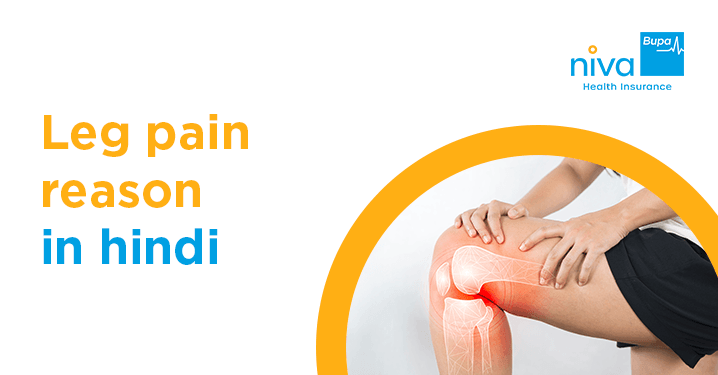
When a child starts limping or complains of persistent hip pain, it can be worrying for any parent. One possible (though relatively rare) cause is Legg-Calvé-Perthes disease, a condition that affects the hip joint in growing children. While the name may sound complex, understanding it doesn’t have to be.
This blog explains everything you need to know about legg calve perthes in simple terms, what it is, why it happens, its symptoms, and how it can be treated effectively.
What is Legg-Calve-Perthes Disease?
Legg-Calve-Perthes disease is a childhood condition where the blood supply to the head of the thigh bone (femoral head) temporarily gets disrupted. This leads to the bone weakening, collapsing, and eventually rebuilding over time.
The hip is a ball-and-socket joint. In this condition, the “ball” (top of the femur) becomes soft and can lose its shape. Over time, the body repairs itself, but the process can take several years.
It usually affects children between 4 and 10 years of age, and boys are more commonly affected than girls.
Causes of Legg-Calve-Perthes Disease
The exact cause of legg calve perthes is still not fully understood. However, the core issue is a temporary loss of blood supply to the femoral head.
Possible contributing factors include:
1. Reduced Blood Flow
The most direct cause is the interruption of blood supply to the hip joint, which leads to bone death (a process called avascular necrosis).
2. Genetic Factors
Some children may have a higher risk due to family history, although this is not very common.
3. Growth and Development Issues
Children with delayed bone growth or smaller physical size for their age may be more prone to this condition.
4. Hormonal Imbalance
Certain hormonal changes may affect bone development and blood circulation causing hormonal imbalance.
5. Environmental Factors
Passive smoking exposure and poor nutrition have also been linked in some studies, though evidence is still limited.
Symptoms of Legg-Calve-Perthes Disease
Symptoms usually develop gradually and may be mistaken for minor injuries at first.
Common signs to watch for:
- Limping (often painless initially)
- Hip pain or stiffness
- Pain in the groin, thigh, or knee
- Reduced range of motion in the hip
- Difficulty walking or running
- Muscle wasting around the thigh
- One leg appearing shorter than the other (in advanced stages)
Interestingly, some children may complain of knee pain instead of hip pain, which can delay diagnosis.
Stages of Legg-Calve-Perthes Disease
The disease progresses through four main stages:
1. Initial Stage (Necrosis)
This is the earliest stage, where the problem begins.
- The blood supply to the femoral head is disrupted, leading to bone tissue death (necrosis).
- The affected bone becomes weak and less able to handle normal stress.
- Children may start showing early symptoms such as a mild limp or slight discomfort in the hip, groin, or knee.
- In some cases, symptoms are so subtle that they go unnoticed initially.
At this stage, changes may not always be clearly visible on X-rays, which is why doctors sometimes recommend an MRI for early detection.
2. Fragmentation Stage
This is often the most critical and active phase of the condition.
- The body begins to remove the dead bone cells and replace them.
- As this happens, the femoral head becomes softer and can start to break into fragments.
- The hip joint becomes more unstable, and the shape of the “ball” may begin to flatten.
- Symptoms usually become more noticeable, pain increases, limping worsens, and movement becomes restricted.
This stage requires close monitoring, as improper healing here can affect the long-term shape of the hip joint.
3. Reossification Stage
This stage marks the beginning of healing.
- New, healthy bone tissue starts forming and gradually replaces the fragmented bone.
- The femoral head begins to regain strength and structure.
- Pain and stiffness may start to reduce, although movement can still be limited.
- Treatment during this stage focuses on ensuring that the bone heals in the correct shape within the hip socket.
Proper care at this stage is crucial to minimise long-term complications.
4. Healing Stage
This is the final stage of recovery.
- The bone fully reforms and becomes stronger.
- The femoral head settles into its final shape.
- Symptoms like pain and limping usually improve significantly or disappear.
However, the outcome depends on how well the bone has healed. In some cases, the femoral head may not return to its perfectly round shape, which can increase the risk of hip stiffness or arthritis later in life.
How is Legg-Calve-Perthes Diagnosed?
Early diagnosis is important to prevent long-term complications. Doctors may use:
- Physical examination: To check hip movement and pain levels
- X-rays: To view changes in bone structure
- MRI scans: For early detection before changes show on X-rays
- Bone scans: To assess the blood supply
If your child has persistent limping or hip discomfort, it’s best to consult a specialist early.
Treatment Options for Legg-Calve-Perthes Disease
Treatment focuses on preserving the shape of the femoral head and ensuring proper healing.
The approach depends on the child’s age and the severity of the condition.
1. Non-Surgical Treatment
Most children, especially those under 6 years, respond well to non-surgical methods.
a. Rest and Activity Limitation
Avoid high-impact activities like running and jumping.
b. Physiotherapy
Exercises help maintain hip movement and strengthen muscles.
c. Medications
Pain relief medicines like Ibuprofen may be prescribed to reduce inflammation.
d. Braces or Casts
These help keep the femoral head properly positioned within the hip socket.
2. Surgical Treatment
Surgery may be recommended in more severe cases or for older children. Common procedures include:
- Osteotomy: Reshaping the bone to improve joint alignment
- Femoral or pelvic surgery: To better contain the femoral head in the socket
The goal is to ensure the hip joint heals in a more natural shape.
Recovery and Long-term Outlook
The prognosis for Legg-Calve-Perthes varies, but many children recover well, especially with early treatment. Key factors affecting recovery:
- Age at diagnosis (younger children tend to heal better)
- Severity of bone damage
- Timeliness of treatment
Some children may develop hip stiffness or arthritis later in life, particularly if the femoral head does not heal properly.
Living with Legg-Calve-Perthes Disease
Managing this condition requires patience and consistent care.
Tips for parents:
- Encourage low-impact activities like swimming
- Follow physiotherapy routines regularly
- Attend all follow-up appointments
- Monitor for worsening symptoms
School and daily activities may need temporary adjustments, but most children can continue with normal life with proper care.
Importance of Health Insurance for Treatment
Treating legg calve perthes can involve multiple doctor visits, imaging tests, physiotherapy sessions, and sometimes surgery. These costs can add up over time.
If you are planning treatment in India, having a reliable health insurance plan is important.
Why consider Niva Bupa NRI Health Insurance?
If you
- Covers hospitalisation and surgical expenses
- Access to a wide network of hospitals in India
- Cashless treatment options
- Financial protection during long-term treatments
Having a plan like Niva Bupa health insurance ensures that your child receives the best care without financial stress, especially during prolonged recovery periods.
When Should You See a Doctor?
You should consult a doctor if your child:
- Has a persistent limp
- Complaints of hip, thigh, or knee pain
- Shows reduced movement in the hip
- Avoids putting weight on one leg
Early intervention can significantly improve outcomes.
Conclusion
Legg-Calve-Perthes disease may sound intimidating, but with early diagnosis and proper treatment, most children recover well and lead active lives.
The key lies in recognising symptoms early, following medical advice, and ensuring consistent care throughout the healing process. Whether through physiotherapy or surgery, modern treatment options are highly effective.
And while focusing on your child’s health, it’s equally important to be prepared financially. Having a reliable insurance plan like Niva Bupa NRI health insurance can make a significant difference in managing long-term care comfortably.
FAQs
1. What is Legg-Calvè-Perthes disease?
Legg-Calvé-Perthes disease is a childhood hip condition where the ball part of the hip joint doesn’t get enough blood for a while, which makes the bone weak and lose its shape; over time, the body slowly repairs it, but this can take a few years, so proper care is important to help the hip heal correctly.
2. At what age does legg calve perthes usually occur?
This condition usually affects children between 4 and 10 years old, most commonly around 5 to 7 years, and it is seen more often in boys, although it can sometimes happen in younger kids or early teenagers, with younger children generally healing better.
3. Is Legg-Calve-Perthes disease permanent?
No, it is not permanent because the bone heals over time, but the final result depends on how well it heals- some children recover fully, while others may have mild problems like stiffness, a limp, or joint issues later in life if healing is not ideal.
4. Can my child play sports with this condition?
During the active phase, children should avoid high-impact sports like running and jumping because the hip is weak, but they can do safer activities like swimming, cycling, and gentle exercises, and they can return to normal sports once the doctor confirms it is safe.
Get right coverage, right premium and the right protection instantly.
 By clicking, I agree to Niva Bupa
 You may also like

Health Insurance - Health Insurance | Best Family Health Insurance | Best Health Insurance For Senior Citizens In India | Health Insurance With Opd Cover | Mediclaim Insurance | Critical Illness Insurance | Personal Accident Insurance | Mediclaim Policy | Individual Health Insurance | Maternity Insurance | Best Health Insurance company | NRI Health Insurance
Health Insurance Schemes - PMMVY Login | PMJJBY Policy Status | Swasthya Sathi Card | PMSBY | PMJJBY | Ayushman Card | PMMVY 2.0 | Ayushman Vay Vandana Card | PMMVY NIC IN रजिस्ट्रेशन | PMMVY 2.0 लॉगिन
Travel Insurance Plans - Travel Insurance | International Travel Insurance | Student Travel Insurance | Travel Insurance USA | Travel Insurance Canada | Travel Insurance Thailand | Travel Insurance Germany | Travel Insurance Dubai | Travel Insurance Bali | Travel Insurance Australia | Travel Insurance Schengen | Travel Insurance Singapore | Travel Insurance UK | Travel Insurance Vietnam | Travel Insurance Japan | Travel Insurance Spain | Travel Insurance Asia | Travel Insurance Netherlands | Travel Insurance Turkey | Travel Insurance Ireland | Travel Insurance Philippines | Travel Insurance Italy | Travel Insurance France | Travel Insurance China | Travel Insurance Georgia | Travel Insurance South Africa | Travel Insurance Maldives | Travel Insurance Portugal | Travel Insurance Malaysia | Travel Insurance Qatar | Travel Insurance Poland | Travel Insurance Greece | Travel Insurance New zealand | Travel Insurance Saudi Arabia | Travel Insurance Sri Lanka
Become an Agent - Insurance Agent
Top Hospitals - Best Hospitals in Gurgaon
Others - Ayushman Bharat | Gst Refund for NRI on Health Insurance Premium
Health & Wellness - शिलाजीत के फायदे हिंदी | Weight Gain Diet in Hindi | Sat Isabgol Uses In Hindi | Aloe Vera Juice Benefits in Hindi | Dragon Fruit Benefits in Hindi | Akal Daad in Hindi | Acidity Home Remedies in Hindi | Nikat Drishti Dosh in Hindi | Yoga Benefits in Hindi | Laung Khane ke Fayde in Hindi | Leukoplakia in Hindi | Protein in 100g Paneer | Benefits of Rice Water For Skin | B12 Deficiency Symptoms in Hindi | Fibre Foods in Hindi | Chronic Disease Meaning in Hindi | Vitamin D Foods in Hindi | Blood Urea in Hindi | Beetroot Uses Good for Health
Calculator - BMI Calculator | Pregnancy Calculator | Pregnancy Calendar Based on Conception Date | Pregnancy Conception Date Calculator | Last Menstrual Period Calculator | BMR Calculator | GFR Calculator | Ovulation Calculator



www.nivabupa.com

+91 11 30902010

1860-500-8888

CIN: L66000DL2008PLC182918
IRDAI Registration No. 145

Corporate Office: 3rd Floor, Capital Cyberscape, Sector 59, Gurgaon
Registered Office: C-98, First Floor, Lajpat Nagar, Part 1, Delhi-110024, India


