

Reasons for Body Shivering and Why It Happens Suddenly?
23 April, 2026
9 Shares
230 Reads
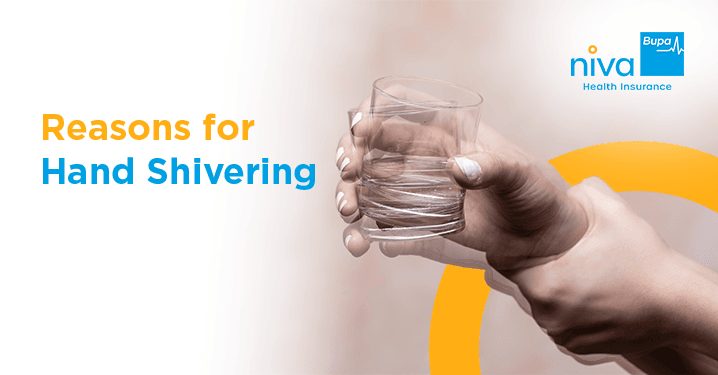
The reason for body shivering can sometimes feel confusing and even a little worrying because when the body suddenly begins to tremble or produce chills without any warning, it creates a sense of discomfort and uncertainty, and many people start wondering whether it is something serious or whether it is simply the body’s own natural defence response that helps protect and stabilise it in different situations.
Body shivering is not always linked to illness because in many cases it is the body’s way of adjusting to temperature changes, emotional stress, physical effort or internal imbalance, and when we understand these reasons with clarity and awareness, it becomes much easier to recognise when shivering is harmless and when it is a signal that may require proper attention or medical guidance, and this understanding allows individuals to respond calmly and confidently instead of reacting with fear or confusion.
What happens inside the body when shivering occurs, and why does the body use this natural response
To understand the reason for body shivering, we first need to look at what takes place inside the body during this reaction because shivering usually begins when the muscles start moving in small, rapid contractions that create warmth from within, and this natural mechanism is activated when the body tries to regulate its internal temperature and protect the vital organs so that the body remains balanced and functional even when the surrounding environment keeps changing.
The brain plays an important role in this process because the temperature control centre constantly monitors signals from the body, and when it senses that the body is becoming too cold or is under stress, it triggers shivering as a protective defence response, and this helps generate heat gradually from inside, bringing the body back to a more comfortable and stable state. Therefore, shivering is not a random or accidental reaction but an intelligent survival mechanism that allows the body to maintain safety and internal balance.
Why does body shivering occur when we feel cold or experience sudden temperature changes?
Body shivering often occurs when the surroundings become too cold or when the body experiences a sudden drop in temperature because in such situations the body starts losing heat faster than it can produce it and to prevent this internal heat loss the muscles begin to contract rapidly which creates warmth from within and protects the vital organs from cooling down too quickly while maintaining the body’s internal temperature.
Here are some common situations where this type of temperature-related shivering may occur:
- When someone sits in an air conditioned room for a long duration and the body gradually becomes colder than comfortable levels
- When a person steps outdoors into cold winds after being indoors in a warmer environment
- When very cold food or chilled beverages are consumed suddenly which causes an internal temperature reaction
- When the weather changes unexpectedly and the body needs time to adapt to the new climate
- When the body is exposed to damp or windy conditions that reduce body heat more rapidly
In all these situations the body’s natural temperature regulation system becomes active and shivering helps restore warmth and stability which is why many people first feel chills and then gradually experience comfort once the body adjusts to the environment.
In most of these scenarios, the reason is completely normal and temporary and once the person warms up by wearing additional clothing, drinking something warm or engaging in light movement the shivering usually reduces on its own and the body returns to a calm and relaxed state without the need for concern
How can emotional stress, anxiety or fear become a reason for body shivering in certain situations?
Apart from temperature changes, another important reason is emotional stress or anxiety because when a person experiences sudden fear nervousness or tension the body enters a heightened alert state where stress hormones increase heart rate muscle activity and nervous responses which may cause trembling or shaking sensations.
This type of shivering is not related to cold but to the emotional load that the mind is processing and it can happen before important events during public speaking before exams or in deeply stressful situations where the body reacts instinctively to perceived pressure or threat and in such cases the shivering acts as an outlet for nervous energy that the body is struggling to manage internally.
Knowing this cause for body shivering helps individuals recognise that not every trembling episode is physical in nature because sometimes it reflects emotional strain.
What role do weakness, fatigue and low energy levels play in causing body shivering?
Another possible reason can be fatigue, weakness or low energy levels because when the body has not received enough nourishment, rest or hydration the muscles may become tired and less stable, which can sometimes result in light tremors or shaking, especially after long periods of exertion or activity.
This is commonly experienced after intense workouts, long working hours, skipping meals or recovering from illness when the body’s reserves are already low and the muscles struggle to maintain full strength and coordination, and in such situations shivering is often a sign that the body needs rest, nutrition and recovery rather than immediate panic or worry.
How can fever, illness or internal infection become a reason for body shivering in some cases?
Sometimes it is connected to fever or an underlying illness because when the body is fighting an infection the internal temperature may rise and fall suddenly, and this fluctuation often triggers chills or shivering as the body tries to regulate its temperature and create a suitable environment for the immune system to work more effectively against harmful germs.
Body shivering during fever generally occurs because:
- The body increases its internal temperature to fight infection and this sudden rise can lead to chills.
- The immune system is actively responding, which causes temperature instability for short periods.
- The muscles begin to contract rapidly to generate warmth while the body adjusts internally.
- The body is trying to conserve heat so it can support recovery and control infection.
- The nervous system sends signals that trigger shivering as part of the defence response.
This kind of shivering is commonly noticed:
- at the beginning of a fever episode
- during sudden temperature spikes
- when fatigue, weakness or body pain is also present
- while the body is actively recovering from illness
In such cases, the reason for body shivering is usually not an isolated problem because it is part of the body’s natural immune reaction and shows that the body is working hard to protect itself heal and restore normal health over time rather than allowing the infection to spread unchecked.
How can lifestyle habits and daily choices influence the chances of experiencing body shivering?
Daily lifestyle habits also play a role in the reason for body shivering because inadequate nutrition, irregular meal patterns, dehydration, excessive caffeine intake or lack of sleep can weaken the body’s natural balance and increase the likelihood of trembling or chills during physical or emotional stress.
When the body lacks essential nutrients or hydration the muscles and nervous system do not function at their best and even small triggers such as fatigue or stress can produce noticeable shivering and this highlights the importance of mindful lifestyle habits that support consistent strength stability and resilience in everyday life.
Conclusion
Shivering is frequently the body's intelligent reaction to temperature changes, emotional stress, weakness, or internal recovery. When people recognise these signals, they can respond with warmth, rest, nourishment, and mindful self-care that supports both comfort and resilience. As people continue to focus on their wellbeing, it's also important to stay prepared for unforeseen health situations in life. This is where choosing reliable financial protection, like Niva Bupa Health Insurance, can provide reassurance, balanced living, and informed lifestyle choices that promote long-term wellness and peace of mind.
FAQs
1. Is body shivering always a sign of illness or something serious?
Not always because in many cases the reason for body shivering is linked to cold temperature emotional stress fatigue or temporary weakness and these situations often improve naturally once the trigger is removed or the body receives warmth rest or nourishment and only persistent or unusual shivering may require medical guidance.
2. Why do chills appear suddenly even when the weather is not cold?
Sudden chills can occur due to stress, anxiety, fever or internal body changes because the nervous system and immune system react to various triggers and sometimes produce shivering as a protective response even when the surrounding temperature remains normal.
3. Can weakness or lack of food be a reason for body shivering?
Yes, weakness, dehydration or skipping meals can sometimes cause light trembling because the body lacks sufficient energy to support muscle stability and when proper nutrition and hydration are restored the shivering usually reduces and the body begins to feel stronger again.
4. Should I worry if body shivering happens during fever?
Shivering during fever is common because the body is trying to regulate temperature while fighting infection, and it may come and go in waves. However, if the shivering becomes intense or long lasting it is advisable to consult a healthcare professional for proper evaluation.
5. How can I manage body shivering in daily life?
The best approach is to stay warm, hydrated, well nourished and adequately rested while observing whether the shivering is linked to stress, temperature changes or fatigue and if the episodes persist or feel unusual, seeking medical advice ensures clarity and timely support.
Get right coverage, right premium and the right protection instantly.
 By clicking, I agree to Niva Bupa
 You may also like


Health Insurance - Health Insurance | Best Family Health Insurance | Best Health Insurance For Senior Citizens In India | Health Insurance With Opd Cover | Mediclaim Insurance | Critical Illness Insurance | Personal Accident Insurance | Mediclaim Policy | Individual Health Insurance | Maternity Insurance | Best Health Insurance company | NRI Health Insurance
Health Insurance Schemes - PMMVY Login | PMJJBY Policy Status | Swasthya Sathi Card | PMSBY | PMJJBY | Ayushman Card | PMMVY 2.0 | Ayushman Vay Vandana Card | PMMVY NIC IN रजिस्ट्रेशन | PMMVY 2.0 लॉगिन
Travel Insurance Plans - Travel Insurance | International Travel Insurance | Student Travel Insurance | Travel Insurance USA | Travel Insurance Canada | Travel Insurance Thailand | Travel Insurance Germany | Travel Insurance Dubai | Travel Insurance Bali | Travel Insurance Australia | Travel Insurance Schengen | Travel Insurance Singapore | Travel Insurance UK | Travel Insurance Vietnam | Travel Insurance Japan | Travel Insurance Spain | Travel Insurance Asia | Travel Insurance Netherlands | Travel Insurance Turkey | Travel Insurance Ireland | Travel Insurance Philippines | Travel Insurance Italy | Travel Insurance France | Travel Insurance China | Travel Insurance Georgia | Travel Insurance South Africa | Travel Insurance Maldives | Travel Insurance Portugal | Travel Insurance Malaysia | Travel Insurance Qatar | Travel Insurance Poland | Travel Insurance Greece | Travel Insurance New zealand | Travel Insurance Saudi Arabia | Travel Insurance Sri Lanka
Become an Agent - Insurance Agent
Top Hospitals - Best Hospitals in Gurgaon
Others - Ayushman Bharat | Gst Refund for NRI on Health Insurance Premium
Health & Wellness - शिलाजीत के फायदे हिंदी | Weight Gain Diet in Hindi | Sat Isabgol Uses In Hindi | Aloe Vera Juice Benefits in Hindi | Dragon Fruit Benefits in Hindi | Akal Daad in Hindi | Acidity Home Remedies in Hindi | Nikat Drishti Dosh in Hindi | Yoga Benefits in Hindi | Laung Khane ke Fayde in Hindi | Leukoplakia in Hindi | Protein in 100g Paneer | Benefits of Rice Water For Skin | B12 Deficiency Symptoms in Hindi | Fibre Foods in Hindi | Chronic Disease Meaning in Hindi | Vitamin D Foods in Hindi | Blood Urea in Hindi | Beetroot Uses Good for Health
Calculator - BMI Calculator | Pregnancy Calculator | Pregnancy Calendar Based on Conception Date | Pregnancy Conception Date Calculator | Last Menstrual Period Calculator | BMR Calculator | GFR Calculator | Ovulation Calculator



www.nivabupa.com

+91 11 30902010

1860-500-8888

CIN: L66000DL2008PLC182918
IRDAI Registration No. 145

Corporate Office: 3rd Floor, Capital Cyberscape, Sector 59, Gurgaon
Registered Office: C-98, First Floor, Lajpat Nagar, Part 1, Delhi-110024, India


