

Motion Sickness: Causes, Symptoms, and Easy Ways to Prevent It
9 June, 2026
9 Shares
158 Reads
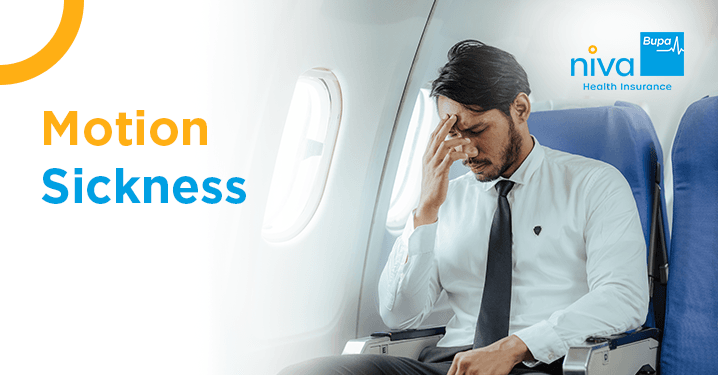
Traveling across the sea, winding through mountain passes, or simply riding in the back of a car can turn an exciting journey into a physically taxing ordeal for many. This physiological response, commonly known as motion sickness, is a complex interaction between our sensory organs and the brain. While it is often dismissed as a minor inconvenience, for those who experience it regularly, it can dictate their lifestyle choices and travel habits.
The sensation usually arises when there is a disconnect between what the eyes see and what the inner ear perceives. Understanding the mechanics of this condition is the first step toward reclaiming the joy of movement. By exploring the biological triggers and practical management strategies, individuals can better navigate their journeys with confidence and physical ease.
The Biological Root of Motion Sickness
At the heart of the issue lies the vestibular system, located within the inner ear. This system is responsible for maintaining our sense of balance and spatial orientation. It consists of fluid-filled canals that detect rotation and gravity. When you are in a moving vehicle, your vestibular system signals to the brain that you are in motion.
However, if you are looking at a stationary object inside the vehicle, such as a book or a smartphone, your eyes signal to the brain that you are still. This sensory conflict creates a state of confusion in the central nervous system. The brain, unable to reconcile these opposing messages, triggers a stress response that results in the physical discomfort we recognise as motion sickness.
The Role of the Postrema Area
Scientists believe that the brain interprets this sensory mismatch as a sign of neurotoxicity or poisoning. The area postrema, a structure in the medulla that controls vomiting, is activated as a defensive mechanism. This evolutionary quirk explains why a simple car ride can lead to such intense physical reactions, as the body is essentially trying to protect itself from a perceived "hallucination" caused by conflicting signals.
Common Triggers and Environmental Factors
Not all motion is created equal. Certain environments are more likely to induce symptoms than others. Identifying these triggers is crucial for anyone looking to minimise the impact of sensory conflict during travel.
Maritime Environments
Sea travel is perhaps the most notorious trigger. The rhythmic, multi-directional rolling of a boat creates a constant state of flux for the inner ear. Unlike a car, which mostly moves forward, a boat pitches, rolls, and heaves, making it significantly harder for the brain to find a stable point of reference.
Air Travel and Turbulence
While modern aircraft are generally stable, turbulence can provide sudden, sharp shifts in equilibrium. Furthermore, the lack of a visible horizon through small cabin windows can exacerbate the feeling of being trapped in a moving box without visual confirmation of the movement being felt.
Virtual Reality and Digital Motion
A modern phenomenon known as cybersickness occurs when the eyes perceive high-speed movement in a video game or VR headset while the body remains perfectly still. This is the inverse of traditional motion sickness, yet the physiological outcome—nausea and dizziness—remains identical.
Recognising the Progression of Symptoms
Symptoms rarely appear all at once. They usually follow a progressive path, starting with subtle cues that something is amiss. Recognising these early signs can help a person take corrective action before the condition becomes debilitating.
- Early Signs: Frequent yawning, a sudden onset of cold sweats, and an unusual pale skin tone (pallor).
- Intermediate Symptoms: Increased salivation, mild headache, and a general sense of unease or restlessness.
- Advanced Symptoms: Intense motion nausea, dizziness, and repetitive vomiting.
Once the advanced stage is reached, it becomes much harder to settle the nervous system. The body enters a cycle of distress that often only resolves once the motion has ceased entirely for a significant period.
Effective Motion Sickness Treatment and Management
Managing this condition involves a combination of environmental adjustments, behavioural changes, and, in some cases, therapeutic interventions. There is no one-size-fits-all solution, but several approaches have proven effective across various demographics.
Strategic Positioning
Where you sit matters immensely. The goal is to place yourself in the area of the vehicle that experiences the least amount of movement and provides the clearest view of the horizon.
- In a Car: The front passenger seat is ideal as it allows for a wide view of the road ahead.
- On a Boat: The middle of the vessel, closest to the water level, is the most stable point.
- On a Plane: Seats over the wing are generally the most stable.
Visual Anchoring
One of the most effective ways to resolve sensory conflict is to give the eyes the same information the ears are receiving. By staring at the horizon or a distant, fixed point outside the vehicle, you provide the brain with a visual "anchor." This confirms the movement and helps the brain synchronise the incoming data.
Dietary Considerations
What you consume before and during travel plays a significant role in how your stomach reacts to motion. Heavy, greasy, or acidic meals can increase the likelihood of motion nausea. Opting for light, bland snacks like plain crackers or ginger-based foods can help settle the gastric lining. Staying hydrated is also essential, though it is best to avoid caffeine or carbonated drinks which can contribute to bloating.
Preventative Habits for Smooth Travel
Prevention is always more effective than attempting to cure symptoms once they have started. Establishing a routine before you even step into a vehicle can make a world of difference.
Controlled Breathing
Deep, rhythmic breathing can calm the autonomic nervous system. By focusing on slow inhalations through the nose and long exhalations through the mouth, you can reduce the "fight or flight" response triggered by the brain's confusion.
Environmental Control
Fresh air is a powerful tool against feelings of lightheadedness. If possible, open a window or direct air vents toward your face. The cool sensation and the flow of oxygen can help mitigate the early onset of symptoms.
Avoiding Near-Point Tasks
Reading a book or scrolling through a digital device is one of the fastest ways to induce a sensory mismatch. These tasks require the eyes to focus on a stationary point within a moving frame. Instead, listen to music or an audiobook, which allows you to keep your eyes on the horizon or closed entirely.
Long-Term Solutions and Desensitisation
For those who must travel frequently for work or personal reasons, long-term strategies may be necessary to reduce sensitivity to motion.
Habituation Therapy
The brain is remarkably adaptable. Habituation involves repeated, controlled exposure to the type of motion that causes distress. Over time, the brain learns to ignore the conflicting signals. This is why sailors often "gain their sea legs" after a few days at sea; their nervous systems have adjusted to the constant movement.
The Role of Professional Advice
If the condition is severe enough to prevent necessary travel, consulting a healthcare professional is wise. They can offer guidance on specialised exercises or discuss whether underlying issues, such as inner ear infections or migraines, are contributing to the severity of the symptoms.
When managing long-term health concerns or seeking professional consultations, having comprehensive health insurance can be beneficial. It ensures that individuals have access to the necessary specialists and diagnostic tools to rule out other vestibular disorders without the stress of unexpected costs.
The Psychological Aspect of Motion Sensitivity
There is a significant psychological component to how we experience physical discomfort. Anxiety about getting sick often creates a self-fulfilling prophecy. The stress of anticipating nausea can tighten the muscles and increase heart rate, making the body more susceptible to the physical triggers of motion sickness.
Mindfulness and Relaxation
Practicing mindfulness can help separate the sensation of movement from the emotional reaction to it. By remaining calm and accepting the movement rather than fighting it, the body is less likely to enter a state of high alert. Cognitive behavioural techniques can also be used to reframe the travel experience from one of fear to one of neutral observation.
Technological and Modern Aids
In recent years, various non-pharmaceutical aids have gained popularity. While results vary from person to person, many find relief through these modern applications of old principles.
- Acupressure Bands: These wristbands apply pressure to the P6 point (Neiguan) on the inner wrist. This point is traditionally associated with the reduction of nausea.
- Specialised Eyewear: Some companies have developed glasses with liquid-filled rims that create a false horizon in the wearer's peripheral vision, helping to align visual and vestibular cues.
- Signal-Interference Devices: Certain wearable technologies emit gentle electrical pulses to the vestibular nerve to help "clear" the conflicting signals before they reach the brain.
Holistic Approaches to Wellness
While the primary focus is often on the immediate sensation of the journey, general physical health impacts how we handle stress. A well-rested body with a balanced nervous system is naturally more resilient to sensory imbalances.
Sleep and Recovery
Fatigue lowers the threshold for many physical ailments, including motion sensitivity. Ensuring a good night’s sleep before a long journey allows the brain to process information more efficiently. A tired brain is more likely to struggle with the complex task of reconciling mismatched sensory data.
Holistic Support
Incorporating ginger or peppermint into your routine can be a gentle way to support digestive health. These natural remedies have been used for centuries to soothe the stomach and reduce the severity of motion nausea. Whether in the form of tea, lozenges, or raw root, they serve as excellent companions for any traveller.
Travel Planning and Risk Mitigation
A little bit of planning can remove many of the variables that lead to discomfort. If you are prone to issues, consider the timing and route of your travel.
- Route Selection: Whenever possible, choose routes with fewer turns or smoother roads. On a train, always sit facing forward in the direction of travel.
- Temperature Regulation: Overheating can rapidly accelerate feelings of nausea. Dress in layers so you can easily adjust your body temperature.
- Night Travel: Some people find that travelling at night reduces symptoms because the lack of visual stimuli outside the window reduces the sensory conflict.
Maintaining a proactive approach to your well-being means being prepared for all aspects of health. Just as you might plan your route, ensuring you have a robust health insurance plan provides a safety net for any health-related challenges that might arise during your travels or in daily life. This allows for a focus on recovery and prevention rather than administrative burdens.
Conclusion
Understanding the mechanics of how our bodies interact with movement transforms motion sickness from a mysterious affliction into a manageable condition. By acknowledging the sensory conflict at its core, travellers can employ a variety of physical, environmental, and psychological tools to maintain their equilibrium. Whether it is through selecting the right seat, practicing controlled breathing, or seeking professional motion sickness treatment, there are numerous pathways to a more comfortable journey.
The ability to explore the world, visit loved ones, or simply commute without the fear of physical distress is vital for a high quality of life. While some may always have a natural sensitivity to motion, the combination of modern insights and age-old wisdom ensures that the horizon remains a point of stability rather than a source of unease. With patience and the right strategies, the world becomes a much more accessible place.
Frequently Asked Questions
1. Why do some people experience this condition while others do not?
Sensitivity varies based on genetics, age, and individual vestibular health. Some people have a more reactive inner ear or a brain that is more sensitive to sensory discrepancies.
2. Can children outgrow the tendency to feel ill during travel?
Yes, it is very common for children between the ages of 2 and 12 to be highly susceptible, as their sensory systems are still developing. Many find that their sensitivity decreases significantly as they reach adulthood.
3. Is it better to keep my eyes open or closed when feeling nauseous?
If you can see the horizon, keeping your eyes open and focused on that distant point is best. If you cannot see the horizon, closing your eyes can help by removing the conflicting visual data entirely.
4. Does the food I eat before a trip really make a difference?
Absolutely. Avoiding large, greasy, or spicy meals reduces the workload on your digestive system, making it less likely that the brain’s distress signals will lead to actual vomiting.
5. How does ginger help with motion nausea?
Ginger contains compounds called gingerols and shogaols that help speed up stomach emptying and reduce digestive spasms, which directly counteracts the physical sensation of queasiness.
6. Can I develop this condition later in life even if I never had it as a child?
While less common, changes in the inner ear due to ageing, certain medications, or new health conditions can trigger motion sensitivity in adults who previously had no issues.
7. Are there specific exercises to improve my sense of balance?
Yes, vestibular rehabilitation exercises, such as certain head and eye movements, can help the brain become more efficient at processing balance information.
8. Why does reading in a car make the symptoms so much worse?
Reading forces your eyes to focus on a stationary object near your face, while your inner ear feels Every turn and bump. This maximises the sensory conflict that causes the condition.
9. Does the weather affect how I feel during a journey?
Indirectly, yes. High heat and poor ventilation can exacerbate feelings of dizziness and nausea, making it harder for the body to regulate itself.
10. Should I see a doctor if my symptoms are very frequent?
If the dizziness persists even after you have stopped moving, or if it interferes with your daily life, it is a good idea to consult a professional to ensure there are no underlying vestibular issues.
Get right coverage, right premium and the right protection instantly.
 By clicking, I agree to Niva Bupa
 You may also like



Health Insurance - Health Insurance | Best Family Health Insurance | Best Health Insurance For Senior Citizens In India | Health Insurance With Opd Cover | Mediclaim Insurance | Critical Illness Insurance | Personal Accident Insurance | Mediclaim Policy | Individual Health Insurance | Maternity Insurance | Best Health Insurance company | NRI Health Insurance
Health Insurance Schemes - PMMVY Login | PMJJBY Policy Status | Swasthya Sathi Card | PMSBY | PMJJBY | Ayushman Card | PMMVY 2.0 | Ayushman Vay Vandana Card | PMMVY NIC IN रजिस्ट्रेशन | PMMVY 2.0 लॉगिन
Travel Insurance Plans - Travel Insurance | International Travel Insurance | Student Travel Insurance | Travel Insurance USA | Travel Insurance Canada | Travel Insurance Thailand | Travel Insurance Germany | Travel Insurance Dubai | Travel Insurance Bali | Travel Insurance Australia | Travel Insurance Schengen | Travel Insurance Singapore | Travel Insurance UK | Travel Insurance Vietnam | Travel Insurance Japan | Travel Insurance Spain | Travel Insurance Asia | Travel Insurance Netherlands | Travel Insurance Turkey | Travel Insurance Ireland | Travel Insurance Philippines | Travel Insurance Italy | Travel Insurance France | Travel Insurance China | Travel Insurance Georgia | Travel Insurance South Africa | Travel Insurance Maldives | Travel Insurance Portugal | Travel Insurance Malaysia | Travel Insurance Qatar | Travel Insurance Poland | Travel Insurance Greece | Travel Insurance New zealand | Travel Insurance Saudi Arabia | Travel Insurance Sri Lanka
Become an Agent - Insurance Agent
Top Hospitals - Best Hospitals in Gurgaon
Others - Ayushman Bharat | Gst Refund for NRI on Health Insurance Premium
Health & Wellness - शिलाजीत के फायदे हिंदी | Weight Gain Diet in Hindi | Sat Isabgol Uses In Hindi | Aloe Vera Juice Benefits in Hindi | Dragon Fruit Benefits in Hindi | Akal Daad in Hindi | Acidity Home Remedies in Hindi | Nikat Drishti Dosh in Hindi | Yoga Benefits in Hindi | Laung Khane ke Fayde in Hindi | Leukoplakia in Hindi | Protein in 100g Paneer | Benefits of Rice Water For Skin | B12 Deficiency Symptoms in Hindi | Fibre Foods in Hindi | Chronic Disease Meaning in Hindi | Vitamin D Foods in Hindi | Blood Urea in Hindi | Beetroot Uses Good for Health
Calculator - BMI Calculator | Pregnancy Calculator | Pregnancy Calendar Based on Conception Date | Pregnancy Conception Date Calculator | Last Menstrual Period Calculator | BMR Calculator | GFR Calculator | Ovulation Calculator



www.nivabupa.com

+91 11 30902010

1860-500-8888

CIN: L66000DL2008PLC182918
IRDAI Registration No. 145

Corporate Office: 3rd Floor, Capital Cyberscape, Sector 59, Gurgaon
Registered Office: C-98, First Floor, Lajpat Nagar, Part 1, Delhi-110024, India


