

Normal VLDL Cholesterol Level: Meaning, Range, Testing, and Care Pathways
30 March, 2026
12 Shares
248 Reads
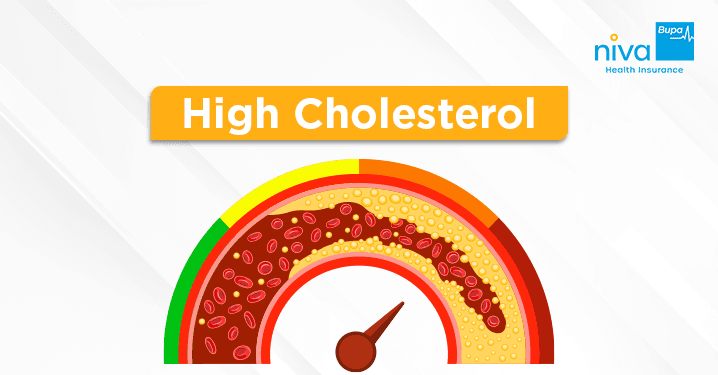
Cholesterol is often spoken about as a single number, yet it is made up of different components that each serve a distinct purpose in the body. One of these is very low-density lipoprotein (VLDL) cholesterol, which plays a key role in transporting triglycerides through the bloodstream. While it may not be as widely discussed as other types, its function is closely linked to how the body manages fats.
Understanding what a normal VLDL cholesterol level means can make a noticeable difference when reading a lipid report. It offers insight into whether fat transport is balanced or requires closer attention. This blog explores its range, relevance, testing methods, and management in a clear and structured way to help make these concepts easier to follow.
What Is VLDL Cholesterol, and What Role Does It Play in the Body?
This type of lipoprotein is produced in the liver and is responsible for carrying triglycerides through the bloodstream. These triglycerides are either used as a source of energy or stored in body tissues for later use. As it circulates, it gradually releases these fats to different parts of the body. This process plays an important role in supporting everyday metabolic functions.
After most of the triglycerides are delivered, the particles are converted into low-density lipoprotein (LDL). This transformation connects fat transport with overall cholesterol balance in the body. Because of this link, it is included in lipid profile assessments. Monitoring these levels helps provide a clearer picture of how fats are processed and utilised.
What Is Considered a Normal VLDL Cholesterol Level?
A normal VLDL cholesterol level is generally considered to fall between 2 and 30 milligrams per decilitre (mg/dL). This range represents the typical concentration of these triglyceride-carrying particles in the bloodstream under standard metabolic conditions. Slight variations may occur depending on laboratory methods, but the overall reference range remains consistent. It serves as a useful guide when interpreting lipid profile results.
Values within this range suggest that fat transport in the body is functioning in a balanced and expected manner. When levels rise above 30 mg/dL, it may indicate a higher amount of circulating triglycerides. Over time, this can contribute to gradual changes in blood vessel health. Regular monitoring helps identify such patterns early and supports timely evaluation.
Why Does Maintaining a Normal Range Matter for Health?
Maintaining this range supports balanced lipid metabolism and reflects how efficiently the body is handling fat transport. When levels remain within expected limits, it indicates that triglycerides are being distributed and utilised stably. This balance plays a role in supporting overall metabolic function. It also helps provide a clearer picture when reviewing routine blood test results.
If levels remain elevated over time, there may be a gradual accumulation of fatty deposits in blood vessels. This process develops slowly and can influence how blood flows through the body. It is not immediate, but consistent changes may become relevant over the long term. Regular monitoring helps identify such patterns early and allows for a measured and informed response.
What Factors Can Lead to Increased VLDL Cholesterol Levels?
Several lifestyle and health-related factors can influence how fats are produced and transported in the body. These factors often work together rather than in isolation, gradually affecting lipid balance over time. Understanding them helps in identifying areas that may need attention. It also supports more informed and practical health decisions.
Dietary Patterns
A diet high in refined carbohydrates, sugars, and saturated fats can increase triglyceride production in the liver. This leads to a higher amount of fat circulating in the bloodstream. Frequent intake of processed and fried foods can gradually affect lipid balance. Making dietary adjustments can help regulate these changes.
Physical Inactivity
Limited physical activity can reduce the body’s ability to use triglycerides efficiently. When fats are not utilised for energy, they tend to remain in circulation. Regular movement supports better metabolic function. Even moderate exercise can help improve fat regulation over time.
Excess Body Weight
Higher body weight, especially around the abdomen, is often linked with changes in fat metabolism. It can lead to increased production and reduced utilisation of triglycerides. This imbalance may affect lipid levels over time. Gradual weight management can support better metabolic control.
Underlying Health Conditions
Conditions such as diabetes or thyroid imbalances can influence how fats and sugars are processed. These may indirectly increase circulating triglycerides. Hormonal changes also play a role in lipid regulation. Managing these conditions helps maintain overall balance.
Alcohol Consumption
Frequent alcohol intake can increase triglyceride production in the liver. It may also affect how fats are broken down and used by the body. Over time, this can contribute to higher circulating fat levels. Moderation helps reduce this impact.
Are There Any Symptoms Associated With High VLDL Cholesterol?
VLDL cholesterol levels usually do not present with clear or noticeable symptoms. In most cases, individuals remain unaware of any changes unless tested. This makes routine screening an important part of understanding lipid levels. Awareness depends more on testing than on physical signs.
- VLDL cholesterol levels do not typically cause visible or specific symptoms.
- Most individuals discover their levels during routine blood tests or health check-ups.
- There are no direct physical indicators that clearly reflect lipid imbalance.
- Identification relies entirely on laboratory results rather than symptom observation.
- Regular screening helps in early detection and a better understanding of lipid levels.
How Is VLDL Cholesterol Measured in Medical Tests?
VLDL cholesterol is usually evaluated as part of a lipid profile test, which measures total cholesterol, LDL, HDL, and triglycerides. This test provides a broader understanding of how fats are present and circulating in the bloodstream. It is commonly recommended during routine health check-ups or when assessing cardiovascular risk. Proper preparation, such as fasting, may be advised to improve accuracy.
In most cases, it is not measured directly but estimated using triglyceride values through a standard calculation. This method is widely accepted in clinical practice and offers a practical way to assess levels. The results are then interpreted alongside other lipid markers for a more complete picture. This combined approach helps determine whether lipid balance is within the expected range.
How Should VLDL Cholesterol Results Be Interpreted?
VLDL cholesterol results are best understood in the context of a complete lipid profile rather than as an isolated value. Clinicians review these levels alongside LDL, HDL, total cholesterol, and triglycerides to form a more balanced view of lipid health. This combined approach helps in understanding how fats are being transported and managed in the body. It also ensures that interpretation is based on overall patterns rather than a single reading.
A value outside the expected range does not immediately indicate a health condition. It may prompt repeat testing, lifestyle review, or further evaluation depending on individual factors. Age, medical history, and existing conditions are also considered during interpretation. This broader assessment allows for a more measured and accurate understanding of lipid balance.
What Lifestyle Measures Can Help Manage VLDL Cholesterol?
Lifestyle habits play a key role in regulating how fats are produced and utilised in the body. Small, consistent changes are often more effective than drastic shifts. These measures work together to support better lipid balance over time. A structured approach can help maintain long-term stability.
Balanced Dietary Choices
Reducing intake of sugars, refined carbohydrates, and saturated fats can help control triglyceride production. Including fibre-rich foods such as fruits, vegetables, and whole grains supports better fat metabolism.
Regular Physical Activity
Engaging in consistent physical activity helps the body use triglycerides more efficiently. Even moderate exercise, when done regularly, can support improved lipid regulation.
Weight Management
Maintaining a healthy body weight can positively influence how fats are processed. Gradual and sustainable weight changes are more effective than rapid approaches.
Limiting Alcohol Intake
Reducing alcohol consumption can help lower triglyceride production in the liver. Moderation plays an important role in maintaining overall lipid balance.
Consistent Daily Habits
Establishing routines such as regular meals, adequate sleep, and stress management can support metabolic health. These habits contribute indirectly to better regulation of lipid levels.
How Can VLDL Cholesterol Be Monitored Over Time?
Monitoring involves regular lipid profile tests conducted at intervals recommended by a healthcare provider. These tests help track changes in lipid levels over time rather than relying on a single reading. Observing patterns makes it easier to understand how the body is responding to lifestyle or treatment measures. Consistency in testing conditions, such as fasting, also improves accuracy.
Follow-up assessments allow for the timely identification of any changes that may need attention. They also help evaluate whether current habits or treatments are effective. Adjustments can be made gradually based on these results. This structured approach supports better long-term management of lipid balance.
What Role Does Preventive Care Play in Maintaining Healthy Levels?
Preventive care focuses on identifying changes early and maintaining stability over time. Routine health screenings help individuals stay aware of their lipid levels even in the absence of symptoms. This approach reduces the need for reactive care and supports more informed health decisions. It also encourages consistency in monitoring.
Healthy daily habits such as balanced nutrition, regular physical activity, and adequate rest play a key role in prevention. These practices support overall metabolic function and help maintain lipid balance. Over time, they contribute to more stable health outcomes. Preventive care works best when it is sustained and integrated into everyday routines.
When Might Medical Treatment Be Considered?
Medical treatment may be considered when lifestyle changes alone are not sufficient to bring lipid levels within the expected range. This is usually assessed after a period of consistent dietary and activity-related adjustments. Healthcare providers evaluate overall health, including existing conditions and risk factors, before making any recommendations. The decision is based on a complete clinical picture rather than a single test result.
Treatment approaches are individualised and may include medication if required, along with continued lifestyle management. The focus is on gradual improvement rather than immediate changes. Regular monitoring helps assess how well the approach is working over time. This ensures that care remains balanced, appropriate, and responsive to individual needs.
Conclusion
Understanding VLDL cholesterol helps individuals interpret their test results with clarity. A normal VLDL cholesterol level provides a practical reference point for assessing lipid balance and overall health.
Regular monitoring, informed lifestyle choices, and appropriate medical guidance contribute to maintaining this balance. Within the broader healthcare system, providers such as Niva Bupa Health Insurance support access to diagnostics and continuity of care, helping individuals stay informed and prepared in managing their health.
FAQ’s
What is VLDL cholesterol, and how is it different from LDL?
VLDL cholesterol is a lipoprotein produced in the liver that mainly carries triglycerides through the bloodstream, whereas LDL forms after VLDL releases these triglycerides and carries more cholesterol instead. While both are linked to lipid balance, VLDL is primarily associated with fat transport, and LDL is more directly connected to plaque formation in blood vessels.
Why is VLDL cholesterol considered a concern when levels are high?
Higher levels of VLDL may contribute to the gradual buildup of fatty deposits in blood vessels over time, as the excess triglycerides it carries circulate in the bloodstream, though it is important to understand that VLDL itself is not harmful in normal amounts and only becomes a concern when levels remain consistently elevated.
How is VLDL cholesterol measured during a lipid test?
VLDL cholesterol is usually not measured directly but estimated using triglyceride values in a lipid profile test, typically by applying a standard calculation, which provides a practical and widely accepted way to assess its levels in routine clinical settings.
Can lifestyle habits significantly affect VLDL cholesterol levels?
Yes, lifestyle factors such as diet, physical activity, and body weight play a major role, as high intake of sugars and refined carbohydrates can increase triglyceride production, while regular exercise and balanced eating patterns help regulate fat metabolism.
Are high VLDL cholesterol levels reversible over time?
In many cases, elevated levels can improve with consistent lifestyle changes such as better dietary habits, increased physical activity, and weight management, although the extent of improvement depends on individual health conditions and adherence to these changes.
Get right coverage, right premium and the right protection instantly.
 By clicking, I agree to Niva Bupa
 You may also like



Popular Searches
Health Insurance - Health Insurance | Best Family Health Insurance | Best Health Insurance For Senior Citizens In India | Health Insurance With Opd Cover | Mediclaim Insurance | Critical Illness Insurance | Personal Accident Insurance | Mediclaim Policy | Individual Health Insurance | Maternity Insurance | Best Health Insurance company | NRI Health Insurance
Health Insurance Schemes - PMMVY Login | PMJJBY Policy Status | Swasthya Sathi Card | PMSBY | PMJJBY | Ayushman Card | PMMVY 2.0 | Ayushman Vay Vandana Card | PMMVY NIC IN रजिस्ट्रेशन | PMMVY 2.0 लॉगिन
Travel Insurance Plans - Travel Insurance | International Travel Insurance | Student Travel Insurance | Travel Insurance USA | Travel Insurance Canada | Travel Insurance Thailand | Travel Insurance Germany | Travel Insurance Dubai | Travel Insurance Bali | Travel Insurance Australia | Travel Insurance Schengen | Travel Insurance Singapore | Travel Insurance UK | Travel Insurance Vietnam | Travel Insurance Japan | Travel Insurance Spain | Travel Insurance Asia | Travel Insurance Netherlands | Travel Insurance Turkey | Travel Insurance Ireland | Travel Insurance Phillipines | Travel Insurace Italy | Travel Insurance France | Travel Insurance China | Travel Insurance Georgia | Travel Insurance South Africa | Travel Insurance Maldives | Travel Insurance Portugal | Travel Insurance Malaysia | Travel Insurance Qatar | Travel Insurance Poland | Travel Insurance Greece | Travel Insurance New zealand | Travel Insurance Saudi Arabia | Travel Insurance Sri Lanka
Become an Agent - Insurance Agent | IRDA Certificate Download | IRDA Exam Syllabus | IRDA exam fee | Paise Kaise Kamaye | Ghar Baithe Paise Kaise Kamaye
Top Hospitals - Best Hospitals in Gurgaon
Others - Ayushman Bharat | Gst Refund for NRI on Health Insurance Premium
Health & Wellness - शिलाजीत के फायदे हिंदी | Weight Gain Diet in Hindi | Sat Isabgol Uses In Hindi | Aloe Vera Juice Benefits in Hindi | Dragon Fruit Benefits in Hindi | Akal Daad in Hindi | Acidity Home Remedies in Hindi | Nikat Drishti Dosh in Hindi | Yoga Benefits in Hindi | Laung Khane ke Fayde in Hindi | Leukoplakia in Hindi | Protien in 100g Paneer | Benefits of Rice Water For Skin | B12 Deficiency Symptoms in Hindi | Fibre Foods in Hindi | Chronic Disease Meaning in Hindi | Vitamin D Foods in Hindi | Blood Urea in Hindi | Beetroot Uses Good for Health
Calculator - BMI Calculator | Pregnancy Calculator | Pregnancy Calendar Based on Conception Date | Pregnancy Conception Date Calculator | Last Menstrual Period Calculator | BMR Calculator | GFR Calculator | Ovulation Calculator



www.nivabupa.com

+91 11 30902010

1860-500-8888

CIN: L66000DL2008PLC182918
IRDAI Registration No. 145

Corporate Office: 3rd Floor, Capital Cyberscape, Sector 59, Gurgaon
Registered Office: C-98, First Floor, Lajpat Nagar, Part 1, Delhi-110024, India


