

Understanding Knee Pain from Patellofemoral Pain Syndrome
13 March, 2026
7 Shares
183 Reads
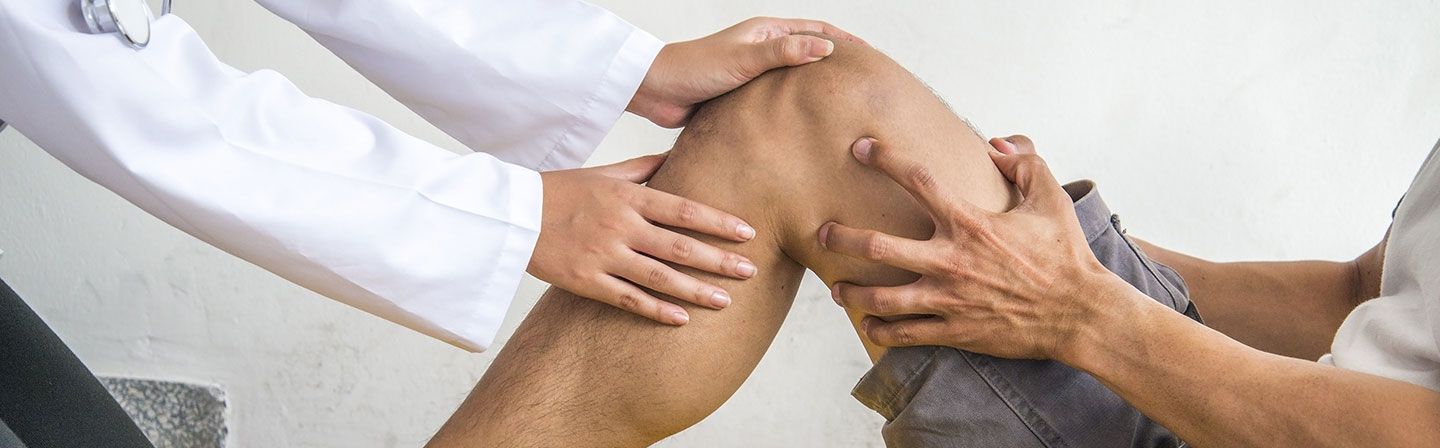
Dealing with a stubborn ache in the knee has become a frequent reality for many, spanning across nearly every age group in modern society. This type of physical strain might begin after a particularly demanding session at the gym, or perhaps it is the cumulative result of a high-pressure job or routine daily movements. No matter how the trouble started, once your knees begin to give way, the shift in your mobility is hard to ignore. It can quickly turn simple daily tasks into a chore and sap the joy out of an active life. Getting to the bottom of the pain right away is not just a smart move; it is the most critical step you can take toward getting back on your feet properly.
Within the broad spectrum of joint-related ailments, patellofemoral pain syndrome is a name that comes up quite often, especially for people who are always on the go. This is rarely a case of a sudden snap or a fall that happens in a heartbeat. Instead, this condition is much more of a slow burner, gradually making its presence known over weeks or even months of activity. It often starts out as a slight annoyance that many people find easy to overlook during their busy schedules. However, neglecting these early warnings can allow the discomfort to take root, making it far more difficult to resolve once the symptoms become constant.
Understanding Patellofemoral Pain Syndrome
When we talk about patellofemoral pain syndrome, we are essentially looking at the friction and stress caused by the way the kneecap (the patella) interacts with the thigh bone (the femur). It isn’t a mystery to most who have it; they generally feel a specific sort of ache right at the front of the knee, a sensation that usually flares up the moment they start moving around.
While some medical circles refer to this condition as runner’s knee because it is so common in the athletic community, it is also found in people who spend most of their day sitting. The discomfort usually originates from a lack of proper alignment or when the knee joint is subjected to excessive physical stress. Developing a clear picture of how this joint operates makes it much easier to see why the patellofemoral pain condition develops.
Common Causes of Patellofemoral Pain Syndrome
There is rarely a single reason why this condition develops. In most clinical cases, a combination of several different factors leads to the onset of symptoms.
Overuse and Repetitive Stress
Activities like frequent running, jumping, or even climbing several flights of stairs put a heavy and repetitive burden on the knee. With the passage of time, this unrelenting pressure can grate on the soft cartilage tucked away directly beneath the kneecap. People who suddenly ramp up their exercise intensity without giving their bodies time to adapt are often at a much higher risk.
Muscle Imbalance or Weakness
When the muscles in the hips or thighs are not strong enough, they cannot provide the support necessary for proper knee alignment. Should these vital muscle groups lack the necessary power or coordination, the kneecap is likely to drift out of its proper groove on the femur. This lack of balance creates unnecessary friction within the joint.
Improper Footwear and Biomechanics
Wearing shoes that lack proper support or having an abnormal foot structure can change the way physical force moves up through the legs. These poor biomechanics place extra pressure on the knee whenever you move. For NRIs who are adjusting to new professional settings or different fitness cultures, these small changes in footwear or gait are often overlooked.
Symptoms to Recognise
The pain linked to patellofemoral pain syndrome does not usually appear overnight but develops over a long period. Some of the most common signs one should look out for include
- A consistent dull ache located at the front of the knee
- Heightened discomfort when walking up or down stairs
- A feeling of stiffness or pain after sitting for long periods
- Hearing or feeling a grinding sensation when the joint moves
These symptoms usually get worse during physical activity and tend to settle down during rest. If the discomfort does not go away, it is a clear sign that a professional medical evaluation is necessary.
Risk Factors for NRIs
NRIs often go through significant lifestyle changes that can have an indirect impact on their joint health. Spending long hours at a desk, a drop in regular physical activity, or starting a very intense new workout after relocating can put a heavy strain on the knees.
Even the climate can play a role. Living in a colder region can sometimes result in stiff joints and reduced flexibility. If an individual tries to perform high-intensity exercise without being properly conditioned for it, the muscles can become overwhelmed. Being aware of these lifestyle patterns is a key part of ensuring that patellofemoral pain syndrome does not become a recurring problem.
Diagnosis and Clinical Evaluation
Identifying this condition is largely a practical, clinical task. The process begins with a comprehensive physical checkup and a detailed conversation about your symptoms and medical background. A professional will usually evaluate the alignment of your knee, gauge the strength of the muscles that support it, and observe your natural movements while you walk or perform a simple squat.
In certain instances, a specialist might suggest an X-ray or an MRI to confirm that there is no underlying damage to the bone or cartilage. Seeking a professional opinion early is the most effective way to prevent a minor problem from evolving into a permanent struggle. If you are an NRI planning to get checked out while visiting India, having a well organised health strategy in place is a lifesaver. It ensures that everything from those first diagnostic scans to your final consultation with a specialist happens without any unnecessary delays or confusion.
Treatment Approaches for Patellofemoral Pain Syndrome
The main focus of a recovery plan is usually to bring down the level of swelling and address any physical imbalances that are putting pressure on the joint.
Rest and Activity Modification
The first step is often to pull back on the specific activities that make the knee feel worse. By making small, temporary changes to a workout routine, you give the inflammation a chance to fade away and prevent more strain.
Physiotherapy and Strength Training
Committing to a tailored exercise plan to beef up the strength in your quads, hips, and core is absolutely essential. Once these muscles are robust enough, the kneecap can slide along its path with much more precision, taking the brunt of the weight off the sensitive joint. Staying consistent with these exercises is the only way to see long-term results.
Supportive Measures
Using things like knee braces, orthotics, or more supportive shoes can help to keep the joint stable. Doctors might also suggest anti-inflammatory medications to help manage the pain. The good news is that the majority of people see a massive improvement through these conservative methods.
Preventive Strategies for Long-Term Knee Health
To stop the pain from coming back, you have to stay mindful of how your joints are moving. Some of the most effective ways to stay healthy include:
- Increasing the intensity of your workouts very slowly
- Sticking to a regular routine of stretching
- Maintaining a healthy body weight
- Investing in high-quality shoes that offer real support
- Using cross-training to avoid overworking the same muscles
Taking these small steps goes a long way in reducing overall strain and keeping your joints healthy for years to come.
The Importance of Early Medical Guidance
If you choose to ignore knee pain, you might end up facing a chronic condition that is much harder to treat. Taking action early reduces your recovery time and helps you get back to your normal life faster. Regular checkups are also a great way to catch musculoskeletal issues before they start to limit how you move.
From our experience at Niva Bupa, NRI health insurance supports access to orthopaedic consultations, physiotherapy services, and diagnostic imaging in India. This allows for a situation where conditions like patellofemoral pain syndrome are looked at from every angle by experts.
Why Health Insurance Supports Musculoskeletal Health
The health of your joints is directly linked to how productive and independent you can be in your daily life. For those who are living overseas, having a structured plan for healthcare takes the stress out of managing an unexpected injury.
At Niva Bupa, health insurance is designed to provide continuity of care, enabling access to specialist evaluation and follow-up treatment in India. This kind of support makes the path to recovery much clearer and encourages people to take preventive action rather than waiting until the pain becomes unbearable. Consistent monitoring is the best way to ensure long-term physical health.
Conclusion: Protecting Knee Health Through Awareness and Planning
As long as it is caught early and managed with the right approach, patellofemoral pain syndrome is a very treatable condition. By learning to recognise the symptoms and dealing with the root causes, you can recover quickly and stay active.
For NRIs who are managing a busy life across borders, combining physical awareness with a solid healthcare plan offers a lot of peace of mind. With the help of NRI health insurance and organised care in India, keeping your knees healthy becomes a simple part of your overall wellness strategy.
Frequently Asked Questions
1) Is patellofemoral pain syndrome permanent?
No. If you follow the right physiotherapy plan and make a few changes to your daily habits, you will likely see a very significant improvement.
2) Can exercise worsen patellofemoral pain syndrome?
While high-impact activities can certainly make the symptoms flare up, a carefully designed program for strengthening the muscles is actually very helpful for recovery.
3) Is surgery required for patellofemoral pain syndrome?
It is very rare for surgery to be needed. It is typically only considered as a final option if all other conservative treatments have failed to provide relief.
4) How long does recovery take?
The timeline is different for everyone, but many people start to feel much better within a few weeks of starting consistent therapy.
5) Should NRIs seek evaluation in India?
Having access to a structured healthcare system in India allows for a very thorough assessment and easy access to follow-up care.
6) Does NRI health insurance cover physiotherapy?
Yes. NRI health insurance supports consultations and treatment services in India, depending on the specific details of your policy coverage.
Get right coverage, right premium and the right protection instantly.
 By clicking, I agree to Niva Bupa
 You may also like

Health Insurance - Health Insurance | Best Family Health Insurance | Best Health Insurance For Senior Citizens In India | Health Insurance With Opd Cover | Mediclaim Insurance | Critical Illness Insurance | Personal Accident Insurance | Mediclaim Policy | Individual Health Insurance | Maternity Insurance | Best Health Insurance company | NRI Health Insurance
Health Insurance Schemes - PMMVY Login | PMJJBY Policy Status | Swasthya Sathi Card | PMSBY | PMJJBY | Ayushman Card | PMMVY 2.0 | Ayushman Vay Vandana Card | PMMVY NIC IN रजिस्ट्रेशन | PMMVY 2.0 लॉगिन
Travel Insurance Plans - Travel Insurance | International Travel Insurance | Student Travel Insurance | Travel Insurance USA | Travel Insurance Canada | Travel Insurance Thailand | Travel Insurance Germany | Travel Insurance Dubai | Travel Insurance Bali | Travel Insurance Australia | Travel Insurance Schengen | Travel Insurance Singapore | Travel Insurance UK | Travel Insurance Vietnam | Travel Insurance Japan | Travel Insurance Spain | Travel Insurance Asia | Travel Insurance Netherlands | Travel Insurance Turkey | Travel Insurance Ireland | Travel Insurance Philippines | Travel Insurance Italy | Travel Insurance France | Travel Insurance China | Travel Insurance Georgia | Travel Insurance South Africa | Travel Insurance Maldives | Travel Insurance Portugal | Travel Insurance Malaysia | Travel Insurance Qatar | Travel Insurance Poland | Travel Insurance Greece | Travel Insurance New zealand | Travel Insurance Saudi Arabia | Travel Insurance Sri Lanka
Become an Agent - Insurance Agent
Top Hospitals - Best Hospitals in Gurgaon
Others - Ayushman Bharat | Gst Refund for NRI on Health Insurance Premium
Health & Wellness - शिलाजीत के फायदे हिंदी | Weight Gain Diet in Hindi | Sat Isabgol Uses In Hindi | Aloe Vera Juice Benefits in Hindi | Dragon Fruit Benefits in Hindi | Akal Daad in Hindi | Acidity Home Remedies in Hindi | Nikat Drishti Dosh in Hindi | Yoga Benefits in Hindi | Laung Khane ke Fayde in Hindi | Leukoplakia in Hindi | Protein in 100g Paneer | Benefits of Rice Water For Skin | B12 Deficiency Symptoms in Hindi | Fibre Foods in Hindi | Chronic Disease Meaning in Hindi | Vitamin D Foods in Hindi | Blood Urea in Hindi | Beetroot Uses Good for Health
Calculator - BMI Calculator | Pregnancy Calculator | Pregnancy Calendar Based on Conception Date | Pregnancy Conception Date Calculator | Last Menstrual Period Calculator | BMR Calculator | GFR Calculator | Ovulation Calculator



www.nivabupa.com

+91 11 30902010

1860-500-8888

CIN: L66000DL2008PLC182918
IRDAI Registration No. 145

Corporate Office: 3rd Floor, Capital Cyberscape, Sector 59, Gurgaon
Registered Office: C-98, First Floor, Lajpat Nagar, Part 1, Delhi-110024, India


