

Medial Knee Pain: Causes and Treatment Options
30 December, 2025
7 Shares
353 Reads
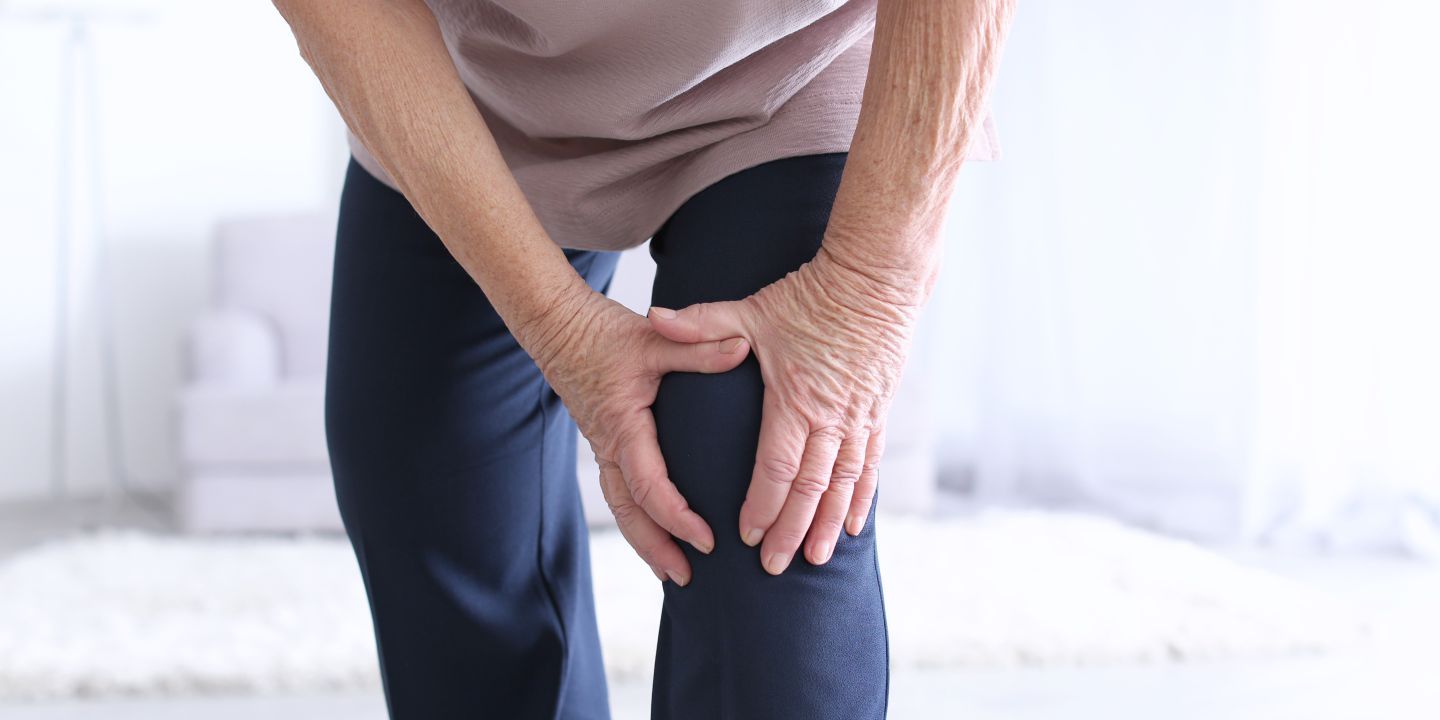
Do you feel pain on the inner side of your knee while walking, standing up, or climbing stairs? It might be a sign of Medial knee soreness. This type of pain can result from injury, overuse or underlying medical conditions affecting the knee joint, ligaments or cartilage. While mild pain may improve with rest and simple care, persistent or worsening medial knee pain may indicate a deeper problem that requires medical attention. Understanding the meaning, causes, symptoms and treatment options can help you manage pain early and protect your long-term knee health.
Understanding Medial Knee Pain
Medial knee soreness refers to pain felt on the inner side of the knee, the area closest to the opposite knee. It is a common complaint among adults, athletes and older individuals. The inner knee bears significant weight during walking, running and bending, which makes it more vulnerable to strain and wear over time. Pain may appear suddenly after an injury or develop gradually due to repetitive movements or ageing-related changes.
Common characteristics of medial knee pain include
- Pain or tenderness on the inner side of the knee
- Stiffness during movement, especially after rest
- Discomfort while climbing stairs, squatting or standing up
- Swelling or warmth around the knee joint
- A feeling of instability or weakness in some cases
It can range from mild and temporary to persistent and limiting. Early understanding of how and why this pain occurs helps in choosing the right treatment approach and preventing further joint damage.
Common Causes of Medial Knee Pain
Medial knee pain often results from mechanical stress, joint degeneration or soft tissue injury. Below are the most common causes:
Medial Collateral Ligament Injury
The medial collateral ligament supports the inner knee. Sudden twisting movements, sports injuries or direct impact can stretch or tear this ligament, causing pain, swelling and difficulty bending or straightening the knee.
Osteoarthritis
Medial knee pain commonly occurs due to osteoarthritis, where cartilage on the inner side of the knee gradually wears down. This leads to stiffness, swelling and pain that worsens with activity and improves slightly with rest.
Meniscus Tear
The medial meniscus acts as a cushion between the thigh and shin bones. Tears can occur from sudden rotation or ageing-related wear, causing inner knee pain, locking sensation and discomfort during movement.
Pes Anserine Bursitis
This condition involves inflammation of the bursa located on the inner knee below the joint. It often affects runners, overweight individuals or people with arthritis, leading to tenderness and pain while climbing stairs.
Overuse or Repetitive Strain
Frequent activities like running, jumping or prolonged standing can strain the inner knee structures. Over time, this repetitive stress leads to inflammation, pain and reduced flexibility in the medial knee area.
Symptoms of Medial Knee Pain
Symptoms vary depending on the underlying cause, but usually involve discomfort on the inner side of the knee:
Pain on the Inner Side of the Knee
The most noticeable symptom is pain along the inner side of the knee, especially during walking, climbing stairs or bending the joint. The discomfort may start as a dull ache and gradually increase with activity, making daily movements uncomfortable over time.
Swelling and Inflammation
Medial knee pain is often accompanied by swelling around the inner knee area. Inflammation can make the joint feel tight or warm to touch. Swelling may develop immediately after an injury or build up slowly due to ongoing stress or arthritis.
Stiffness and Reduced Mobility
You may notice stiffness in the knee, particularly after long periods of rest or first thing in the morning. This stiffness can limit your ability to fully bend or straighten the knee, affecting flexibility and overall joint movement during routine activities.
Tenderness to Touch
The inner side of the knee may feel tender or sore when pressed. This sensitivity usually indicates irritation of ligaments, cartilage or surrounding tissues. Even light pressure or kneeling can trigger discomfort in the affected area.
Instability or Weakness
Some people experience a feeling that the knee may give way or lacks strength. This instability often occurs when supporting ligaments or muscles are affected, making it harder to maintain balance or bear weight comfortably on the affected leg.
Treatment Options for Medial Knee Pain
Before choosing a treatment approach, it is important to understand that medial knee pain does not have a one-size-fits-all solution. The right treatment depends on the cause, severity of pain and how much it affects your daily movement and comfort.
Rest and Activity Modification
Reducing activities that put strain on the knee helps prevent further damage and allows healing to begin. Avoid running, jumping or deep knee bending for a while. Switching to low impact exercises supports recovery without worsening medial knee pain.
Ice and Heat Therapy
Applying ice packs helps reduce pain and swelling, especially after activity or injury. Heat therapy can be useful for easing stiffness and relaxing tight muscles. Using both methods at appropriate times improves comfort and supports faster symptom relief.
Pain Relief Medications
Over-the-counter pain relievers and anti-inflammatory medicines may help manage discomfort and swelling. These should be used as advised and for short durations. Medications provide temporary relief but do not treat the underlying cause of medial knee pain.
Physiotherapy and Strengthening Exercises
Physiotherapy plays a key role in recovery by improving flexibility, strength and joint stability. Targeted exercises strengthen the muscles around the knee, especially the quadriceps and hamstrings, which reduces stress on the inner knee over time.
Supportive Braces and Orthotics
Knee braces or supportive sleeves can help stabilise the joint and reduce strain on the medial side. In some cases, shoe inserts or orthotics improve leg alignment and distribute pressure more evenly, easing pain during movement.
Lifestyle Changes and Weight Management
Maintaining a healthy weight reduces pressure on the knee joints and slows further damage. Simple lifestyle adjustments, such as proper footwear and posture awareness, can significantly improve knee comfort and prevent recurring medial knee pain. Learn back strengthening exercises for posture and core stability.
Medical Procedures or Surgery
If pain persists, medical interventions may be required. Options include corticosteroid injections or surgical procedures, depending on the cause. These treatments are usually considered when structural damage affects knee function and quality of life.
Final Thoughts
Medial knee soreness should never be ignored, especially when it starts affecting daily movement and quality of life. Early diagnosis, proper treatment and lifestyle adjustments can prevent long-term joint damage. At Niva Bupa, we support NRIs with reliable NRI health insurance solutions that ensure access to timely medical care, expert consultations and peace of mind, wherever life takes you.
FAQs
1. What causes pain on the inner side of the knee?
Pain on the inner side of the knee is usually caused by ligament injuries, osteoarthritis, meniscus tears, bursitis or repetitive strain. These conditions stress the medial knee structures and lead to pain, stiffness and swelling over time.
2. Is medial knee pain serious?
Medial knee pain is not always serious, but persistent or worsening pain should not be ignored. It may indicate ligament damage, cartilage wear or arthritis, which can progress if left untreated and affect long-term knee function.
3. Can medial knee pain heal on its own?
Mild medial knee pain caused by overuse or minor strain may improve with rest, ice and activity modification. However, pain due to injuries or arthritis often needs medical evaluation, physiotherapy or targeted treatment.
4. When should I see a doctor for medial knee pain?
You should consult a doctor if pain lasts more than a few weeks, worsens with activity, causes swelling or instability, or interferes with daily movement. Early assessment helps prevent further joint damage.
5. Can exercise help with medial knee pain?
Yes, guided exercises can help when done correctly. Physiotherapy focused on strengthening thigh and knee muscles improves joint stability, reduces stress on the inner knee and supports long-term pain management.
6. Are knee braces helpful for medial knee pain?
Yes, knee braces can provide support, improve stability and reduce strain on the inner knee. They are especially useful during physical activity or recovery, but should be used alongside proper treatment.
7. Can weight affect medial knee pain?
Excess body weight increases pressure on the knee joints, especially the inner side. Managing weight helps reduce stress on the knee, eases pain and slows the progression of joint damage.
8. Can exercise help reduce medial knee pain?
Yes, the right exercises can help reduce medial knee pain. Strengthening the quadriceps, hamstrings and hip muscles improves knee stability and reduces stress on the inner knee when done under professional guidance.
9. Is medial knee pain common in runners?
Medial knee pain is common in runners due to repetitive impact and poor alignment. Overtraining, improper footwear and weak supporting muscles often contribute to strain on the inner knee structures.
10. Can sitting for long hours cause medial knee pain?
Prolonged sitting can lead to knee stiffness and reduced blood flow, which may worsen medial knee pain. Regular movement, stretching and proper sitting posture help reduce discomfort and maintain joint flexibility.
11. Does age increase the risk of medial knee pain?
Yes, the risk increases with age due to cartilage wear, reduced joint flexibility and muscle weakness. Age-related changes make the inner knee more prone to osteoarthritis and chronic pain.
12. Can medial knee pain occur without swelling?
Yes, medial knee pain can occur without visible swelling, especially in early stages or mild conditions. Pain may still be present due to ligament strain, cartilage wear or muscle imbalance.
13. Are imaging tests required for medial knee pain?
Imaging tests like X-rays or MRI may be recommended if pain is persistent or severe. These tests help identify ligament injuries, cartilage damage or arthritis affecting the inner knee.
14. Can footwear affect medial knee pain?
Improper footwear can worsen medial knee pain by affecting alignment and shock absorption. Supportive shoes with proper cushioning help distribute pressure evenly and reduce strain on the inner knee.
15. How long does recovery from medial knee pain take?
Recovery time depends on the cause and severity. Mild strain may improve in weeks, while ligament injuries or arthritis may require long-term management with therapy, lifestyle changes or medical treatment.
Get right coverage, right premium and the right protection instantly.
 By clicking, I agree to Niva Bupa
 You may also like

Popular Searches
Health Insurance - Health Insurance | Best Family Health Insurance | Best Health Insurance For Senior Citizens In India | Health Insurance With Opd Cover | Mediclaim Insurance | Critical Illness Insurance | Personal Accident Insurance | Mediclaim Policy | Individual Health Insurance | Maternity Insurance | Best Health Insurance company | NRI Health Insurance
Health Insurance Schemes - PMMVY Login | PMJJBY Policy Status | Swasthya Sathi Card | PMSBY | PMJJBY | Ayushman Card | PMMVY 2.0 | Ayushman Vay Vandana Card | PMMVY NIC IN रजिस्ट्रेशन | PMMVY 2.0 लॉगिन
Travel Insurance Plans - Travel Insurance | International Travel Insurance | Student Travel Insurance | Travel Insurance USA | Travel Insurance Canada | Travel Insurance Thailand | Travel Insurance Germany | Travel Insurance Dubai | Travel Insurance Bali | Travel Insurance Australia | Travel Insurance Schengen | Travel Insurance Singapore | Travel Insurance UK | Travel Insurance Vietnam | Travel Insurance Japan | Travel Insurance Spain | Travel Insurance Asia | Travel Insurance Netherlands | Travel Insurance Turkey | Travel Insurance Ireland | Travel Insurance Phillipines | Travel Insurace Italy | Travel Insurance France | Travel Insurance China | Travel Insurance Georgia | Travel Insurance South Africa | Travel Insurance Maldives | Travel Insurance Portugal | Travel Insurance Malaysia | Travel Insurance Qatar | Travel Insurance Poland | Travel Insurance Greece | Travel Insurance New zealand | Travel Insurance Saudi Arabia | Travel Insurance Sri Lanka
Become an Agent - Insurance Agent | IRDA Certificate Download | IRDA Exam Syllabus | IRDA exam fee | Paise Kaise Kamaye | Ghar Baithe Paise Kaise Kamaye
Top Hospitals - Best Hospitals in Gurgaon
Others - Ayushman Bharat | Gst Refund for NRI on Health Insurance Premium
Health & Wellness - शिलाजीत के फायदे हिंदी | Weight Gain Diet in Hindi | Sat Isabgol Uses In Hindi | Aloe Vera Juice Benefits in Hindi | Dragon Fruit Benefits in Hindi | Akal Daad in Hindi | Acidity Home Remedies in Hindi | Nikat Drishti Dosh in Hindi | Yoga Benefits in Hindi | Laung Khane ke Fayde in Hindi | Leukoplakia in Hindi | Protien in 100g Paneer | Benefits of Rice Water For Skin | B12 Deficiency Symptoms in Hindi | Fibre Foods in Hindi | Chronic Disease Meaning in Hindi | Vitamin D Foods in Hindi | Blood Urea in Hindi | Beetroot Uses Good for Health
Calculator - BMI Calculator | Pregnancy Calculator | Pregnancy Calendar Based on Conception Date | Pregnancy Conception Date Calculator | Last Menstrual Period Calculator | BMR Calculator | GFR Calculator | Ovulation Calculator



www.nivabupa.com

+91 11 30902010

1860-500-8888

CIN: L66000DL2008PLC182918
IRDAI Registration No. 145

Corporate Office: 3rd Floor, Capital Cyberscape, Sector 59, Gurgaon
Registered Office: C-98, First Floor, Lajpat Nagar, Part 1, Delhi-110024, India


