

Sarcoidosis: Symptoms, Diagnosis & Treatment
17 August, 2026
14 Shares
110 Reads

Did You Know the global burden of Sarcoidosis and Interstitial Lung Disease (ILD) is expected to rise significantly by 2050? Understanding this condition is very important for NRI families who have to manage the healthcare needs of their elderly parents or relatives from thousands of miles away. In this blog, let’s understand what sarcoidosis is, the different organs it impacts, how it presents clinically, and how doctors diagnose and treat it.
What Is Sarcoidosis?
Sarcoidosis is a complex condition where your body's immune system overreacts and creates tiny, rounded lumps of inflamed cells. These small clusters of cells are called granulomas, and they can grow inside almost any organ, changing how that specific part of the body works. Medical experts do not know the exact cause of this problem, but they believe a mix of family genes and everyday environmental irritants triggers the defensive response.
Why Is Sarcoidosis Called a Multi-System Inflammatory Disease?
These granulomas don't stay in one place. They can form and grow in almost any organ in the body, which is exactly why sarcoidosis earns the label of a multi-system condition. Here's what that looks like across the organs it most commonly targets.
Affects the Lungs and Respiratory System
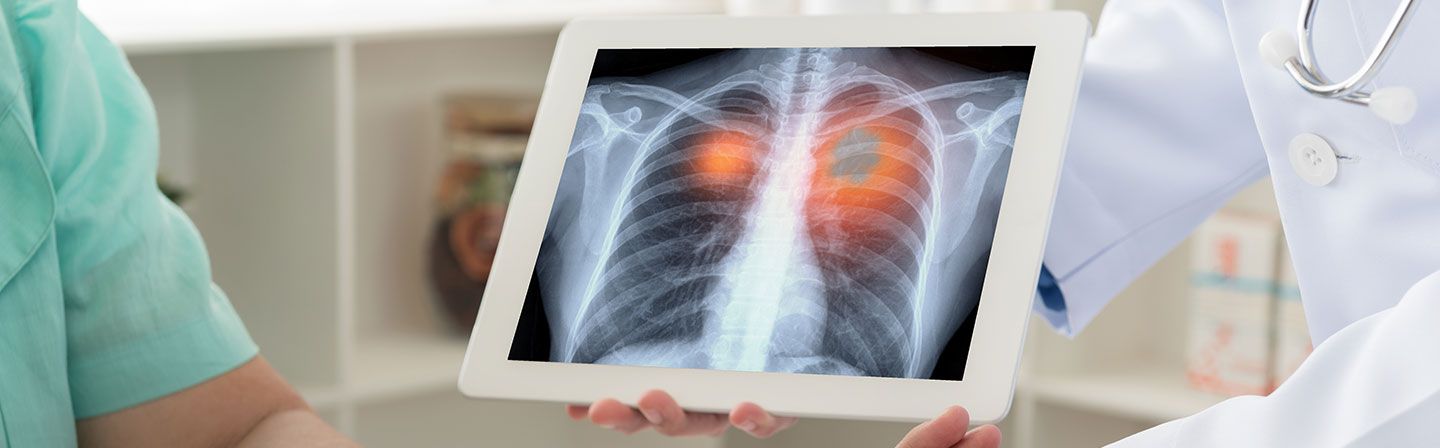
The lungs take the biggest hit in most cases. More than 90% of people with sarcoidosis experience some degree of respiratory change, from a persistent dry cough to noticeable chest tightness and shortness of breath. Granulomas settle inside the lung tissue and the surrounding lymph nodes, quietly causing inflammation that, if left unmanaged, can harden the lungs over time and make breathing genuinely difficult.
Affects the Skin
About one in four people with sarcoidosis develop visible skin changes, making this one of the more noticeable signs of the condition. Painful red bumps on the lower legs, dark patches across the face, or small nodules sitting just under the skin surface are all common presentations. These marks can alter appearance and often feel tender or itchy, which is why they're frequently the first thing that prompts someone to see a doctor.
Affects the Eyes
The eyes are more vulnerable to sarcoidosis. When inflammatory cell clusters form inside the delicate structures of the eye, the condition is called ocular sarcoidosis. It shows up as persistent redness, a burning sensation, sensitivity to light, blurred vision, or dark, floating spots that drift across the field of view. Left untreated, ocular sarcoidosis can cause lasting damage to vision.
Affects the Heart
When granulomas form in the heart muscle, the condition is called cardiac sarcoidosis. The cell clusters interfere with the electrical signals that keep the heart beating in a regular rhythm. This disruption can cause irregular heartbeats, sudden dizziness, unexplained fainting, and in the most severe cases, heart failure. Cardiac sarcoidosis is one of the more serious presentations of the disease because symptoms can appear suddenly without warning.
What are the Clinical Presentations of Sarcoidosis?
The way sarcoidosis, an inflammatory disease, presents itself varies heavily, falling into two main categories based on how fast the symptoms appear.
Acute Presentations
It bursts onto the scene suddenly, causing severe symptoms over just a few days or weeks. Patients often experience a high fever, painful swelling in the ankle joints, and tender red bumps across their lower legs. This specific combination of sudden symptoms is known medically as Lofgren's syndrome. While acute presentations feel alarming and painful at first, they actually have a very positive outlook.
Chronic Presentations
Chronic sarcoidosis develops very slowly and quietly over many months or years, making it harder to spot initially. Patients experience a slow increase in breathlessness during walks, constant fatigue that sleep cannot fix, and gradual vision changes.
How Is Sarcoidosis Diagnosed?
Doctors use a combination of advanced diagnostic tests to rule out other conditions and confirm a case of sarcoidosis.
- Chest X-rays and detailed CT scans: These imaging tests allow doctors to see inside the chest and identify enlarged lymph nodes. They show the exact location and pattern of cell lumps to measure the stage of the disease.
- Biopsy of the affected organ tissue: A doctor removes a tiny sample of tissue from the skin, lung, or lymph node for lab testing. Finding the characteristic granuloma cell clusters under a microscope provides the final, definitive proof of sarcoidosis.
- Specialised blood and organ function tests: Blood panels measure calcium levels, liver health, and angiotensin-converting enzyme levels, which often spike during active flare-ups. These regular laboratory numbers help doctors monitor how fast the inflammation is spreading.
- Comprehensive eye examinations using slit lamps: An eye specialist inspects the interior chambers of the eye to check for hidden signs of internal inflammation. This detailed screening prevents silent vision loss even if the patient feels no eye discomfort.
- Pulmonary function tests using breathing machines: These tests measure how much air the lungs can hold and how well they transfer oxygen into the bloodstream. Repeating these breathing tests over time tells doctors if the lungs are recovering or scarring.
- ECG tracking and advanced cardiac imaging: Electrocardiograms and cardiac MRIs check the rhythm and structural health of the heart muscle. Doctors demand these cardiac checks to make sure the disease has not compromised heart function.
How Is Sarcoidosis Treated?
Sarcoidosis treatment depends on which organs are involved and how severe the condition is. Some people only need regular monitoring, while others require medicines to keep the disease under control.
Steroids Are Usually the First Treatment
Doctors often prescribe corticosteroids, such as prednisone, as the first treatment for sarcoidosis. These medicines reduce inflammation and help shrink the clusters of inflammatory cells. Most people take them for several months. As symptoms improve, the doctor gradually lowers the dose to reduce the risk of side effects.
Other Medicines May Be Needed
If steroids do not work well enough or cause troublesome side effects, doctors may prescribe other medicines. These drugs help calm the immune system and control inflammation over the long term. They can also reduce the need for long-term steroid use while keeping the condition under control.
Regular Checkups Are Important
Sarcoidosis needs ongoing monitoring, even when symptoms improve. Regular check ups, blood tests, eye examinations, and lung scans help doctors see how the condition is changing. This allows them to spot any new problems early and adjust treatment if needed.
Wrapping Up
Managing a chronic condition like sarcoidosis requires consistent, high-quality medical monitoring. When you are building a life abroad as an NRI, coordinating specialised long-distance healthcare and tracking regular inflammation checkups for your ageing parents in India can become overwhelming.
Our NRI health insurance plans are engineered precisely to bridge this global gap and support remote caregiving. By offering comprehensive coverage for chronic illnesses, extensive pre-existing disease tracking, high sum-insured limits, and a fully paperless, app-based ecosystem, we ensure your family can immediately access top-tier medical networks back home. Explore our health insurance plans today to secure absolute financial and clinical peace of mind for your loved ones.
Frequently Asked Questions
1. What is the difference between a sarcoidosis flare-up and a permanent worsening of the condition?
A flare-up is a temporary rise in body inflammation that makes your current symptoms feel much sharper for a few weeks. A permanent worsening means the active cell lumps have caused lasting tissue stiffness or deep organ scarring that medicine cannot reverse.
2. Can environmental changes in India trigger this multi-system problem?
Yes. Moving from a clean climate to areas with high air pollution, thick dust, or heavy moisture can irritate sensitive airways. These environmental factors can accidentally agitate the immune system, triggering a fresh flare-up of this sarcoidosis inflammatory disease.
3. What is the connection between sarcoidosis and sudden vitamin D changes?
The cell lumps themselves can produce extra vitamin D, which causes the body to absorb too much calcium. This can lead to high calcium levels in the blood, causing serious issues like painful kidney stones or frequent muscle weakness.
4. How do specialists check if the disease has spread to the liver?
Doctors run routine liver function blood tests to look for elevated enzyme numbers. If the laboratory levels look abnormal, they will order an abdominal ultrasound or a targeted tissue biopsy to see if any cell lumps are growing inside the liver.
5. Are there any new advanced treatments available if common steroids fail?
When traditional steroids do not work well, specialists can prescribe targeted biologic medicines like infliximab or adalimumab. These modern therapies directly block the specific immune system chemicals that cause the painful inflammation to build up in your body.
6. Why do doctors look closely at the gallbladder and kidneys during this illness?
High calcium levels caused by sarcoidosis inflammatory disease, can create hard mineral deposits in your filtering organs. If left untracked, these deposits turn into painful kidney stones or gallbladder complications that require independent medical procedures to clear.
7. Can a person have active cell lumps without showing any high ACE blood levels?
Yes. While the angiotensin-converting enzyme test is useful, nearly forty per cent of patients with active cell lumps show normal laboratory results. Doctors always combine blood charts with clear tissue biopsies and detailed CT scans to get an accurate diagnosis.
8. How does this long-term condition alter a patient's everyday sleep patterns?
The underlying inflammation from sarcoidosis inflammatory disease can cause intense, constant fatigue that does not go away with rest. Additionally, swollen lymph nodes in the chest can block breathing pathways, leading to regular night-time coughing or sleep disruption.
Get right coverage, right premium and the right protection instantly.
 By clicking, I agree to Niva Bupa
 You may also like

Popular Searches
Health Insurance - Health Insurance | Best Family Health Insurance | Best Health Insurance For Senior Citizens In India | Health Insurance With Opd Cover | Mediclaim Insurance | Critical Illness Insurance | Personal Accident Insurance | Mediclaim Policy | Individual Health Insurance | Maternity Insurance | Best Health Insurance company | NRI Health Insurance
Health Insurance Schemes - PMMVY Login | PMJJBY Policy Status | Swasthya Sathi Card | PMSBY | PMJJBY | Ayushman Card | PMMVY 2.0 | Ayushman Vay Vandana Card | PMMVY NIC IN रजिस्ट्रेशन | PMMVY 2.0 लॉगिन
Travel Insurance Plans - Travel Insurance | International Travel Insurance | Student Travel Insurance | Travel Insurance USA | Travel Insurance Canada | Travel Insurance Thailand | Travel Insurance Germany | Travel Insurance Dubai | Travel Insurance Bali | Travel Insurance Australia | Travel Insurance Schengen | Travel Insurance Singapore | Travel Insurance UK | Travel Insurance Vietnam | Travel Insurance Japan | Travel Insurance Spain | Travel Insurance Asia | Travel Insurance Netherlands | Travel Insurance Turkey | Travel Insurance Ireland | Travel Insurance Phillipines | Travel Insurace Italy | Travel Insurance France | Travel Insurance China | Travel Insurance Georgia | Travel Insurance South Africa | Travel Insurance Maldives | Travel Insurance Portugal | Travel Insurance Malaysia | Travel Insurance Qatar | Travel Insurance Poland | Travel Insurance Greece | Travel Insurance New zealand | Travel Insurance Saudi Arabia | Travel Insurance Sri Lanka
Become an Agent - Insurance Agent | IRDA Certificate Download | IRDA Exam Syllabus | IRDA exam fee | Paise Kaise Kamaye | Ghar Baithe Paise Kaise Kamaye
Top Hospitals - Best Hospitals in Gurgaon
Others - Ayushman Bharat | Gst Refund for NRI on Health Insurance Premium
Health & Wellness - शिलाजीत के फायदे हिंदी | Weight Gain Diet in Hindi | Sat Isabgol Uses In Hindi | Aloe Vera Juice Benefits in Hindi | Dragon Fruit Benefits in Hindi | Akal Daad in Hindi | Acidity Home Remedies in Hindi | Nikat Drishti Dosh in Hindi | Yoga Benefits in Hindi | Laung Khane ke Fayde in Hindi | Leukoplakia in Hindi | Protien in 100g Paneer | Benefits of Rice Water For Skin | B12 Deficiency Symptoms in Hindi | Fibre Foods in Hindi | Chronic Disease Meaning in Hindi | Vitamin D Foods in Hindi | Blood Urea in Hindi | Beetroot Uses Good for Health
Calculator - BMI Calculator | Pregnancy Calculator | Pregnancy Calendar Based on Conception Date | Pregnancy Conception Date Calculator | Last Menstrual Period Calculator | BMR Calculator | GFR Calculator | Ovulation Calculator



www.nivabupa.com

+91 11 30902010

1860-500-8888

CIN: L66000DL2008PLC182918
IRDAI Registration No. 145

Corporate Office: 3rd Floor, Capital Cyberscape, Sector 59, Gurgaon
Registered Office: C-98, First Floor, Lajpat Nagar, Part 1, Delhi-110024, India


