

Anti-Inflammatory Foods for Everyday Health
10 March, 2026
8 Shares
243 Reads
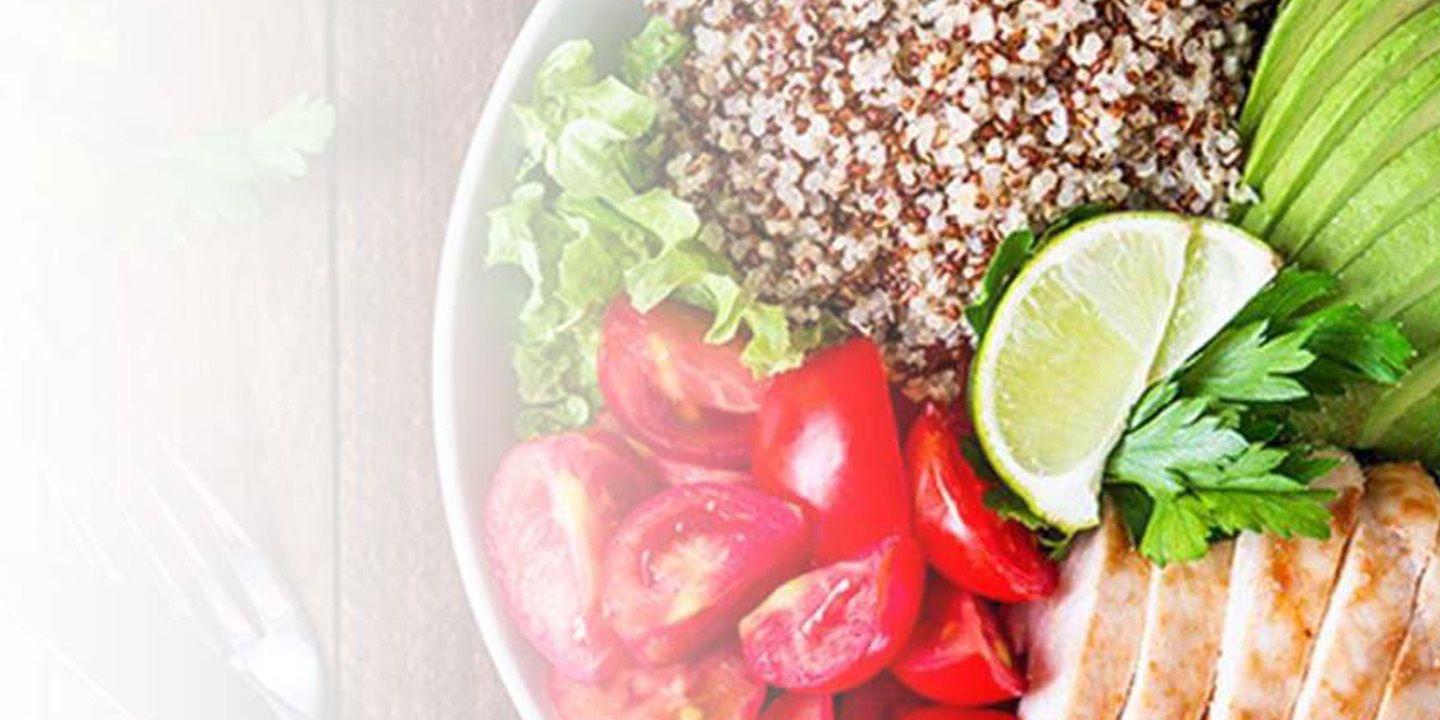
Systemic inflammation is one of the concepts in the contemporary wellness scene which received a lot of scientific interest and popular coverage. Inflammation is often referred to as a silent cause of persistent disease and is a complicated biological activity that, in its unchecked state, can be used to dismantle the pillars of our health. Though sometimes medical procedures have to be employed, the strongest weapon in dealing with this inward fire is, in many cases, not to be found in a drug store, but in the grocery shop. The shift to anti-inflammatory foods is one of the essential changes that may allow extending the lifespan, increasing the energy levels, and strengthening the natural defences of the body.
How to Know Inflammation: The Silent Driver of Disease
To have a proper appreciation of the worth of a specific diet, it is important that one knows what inflammation is all about. Taking into account the fundamental nature of inflammation, it signifies the body's reaction to harm or infection. It is an essential immune process; otherwise, even a small scrape may be a potentially fatal occurrence. Upon the immune system identifying the presence of a pathogen or tissue damage, a cascade of signalling molecules, including cytokines, is released, and white blood cells are brought to the location. This causes the typical symptoms of redness, oedema, heat and pain symptoms, which show that the body is in the process of healing itself. This shows that anti-inflammatory foods help calm the body’s immune response and prevent low-grade inflammation from turning into chronic disease
But the trouble is that when this response does not turn off. The body becomes permanently inflamed when it is in the high alert state for several months or years. This chronic condition is much more insidious than the acute one. Chronic inflammation starts to destroy the tissue instead of repairing it. This low-grade, systemic inflammation has always been associated with a list of contemporary diseases and conditions, such as cardiovascular disease, type 2 diabetes, Alzheimer's disease and other autoimmune diseases. The foods that we eat each day serve as either fuel to this fire or a balm that cools and returns the balance.
Acute and Chronic Inflammation: A Distinct Difference
The difference between acute and chronic inflammation is critical to any individual who wants to optimise their health. Acute inflammation is said to be of a rapid onset and short duration. It is the body's localised reaction to immediate threats. As soon as the threat (virus or splinter) is eliminated, the inflammation ceases, and the body goes back to its normal state.
Chronic inflammation, on the other hand, is usually invisible. It may not necessarily manifest itself through localised pain or swelling. Rather, it functions at a cellular level within the body. Issues like inactive living, consistent stress, environmental pollutants and the greatest of all is a high-processed sugar and trans fat diet are some of the factors that lead to this persistent condition. Since chronic inflammation gradually compromises the structural integrity of arterial walls, joint tissue, or even brain tissue, treating it with anti-inflammatory foods is a preventive measure toward long-term health.
Top Anti-Inflammatory Foods for Everyday Health
The point is not that the anti-inflammatory lifestyle shift is deprivative; rather, it is abundant. It means filling your table with colourful and most nutritious items that passionately fight oxidative stress and free radicals. Anti-inflammatory foods are the most important foods to prioritise, something that would literally give your body the raw materials it requires to achieve cellular harmony. Anti-inflammatory foods provide the body with antioxidants, healthy fats, and bioactive compounds.
Omega-3 Powers and Fatty Fish
Fatty fish are among the most powerful anti-inflammatory foods due to their high omega-3 content, which helps lower inflammatory markers like C-reactive protein. The cold-water fatty fish are perhaps the most documented combatants in the struggle against inflammation. Salmon, mackerel, sardines and anchovies are some of the varieties that are extremely rich in Omega-3 fatty acids, namely eicosapentaenoic acid (EPA) and docosahexaenoic acid (DHA). These necessary fats are not only good for the heart, but are also potent signalling molecules and can suppress the production of substances which cause inflammation.
When we eat these fish, the Omega-3s will be added to the membranes of our cells, thus are rendered stronger. Research has indicated that the regular consumption of fatty fish may have a tremendous impact in reducing the levels of C-reactive protein (CRP), which is a major indicator of inflammation in the body. In non-fish consumers, the plant-based sources of alpha-linolenic acid (ALA) include chia seeds and walnuts, although their conversion to EPA and DHA is less effective, so marine sources remain the gold standard in the control of inflammation.
Berry and Magic of Anthocyanins
Berries, such as blueberries, strawberries, raspberries, and blackberries, are not just sweet treats, but packages of antioxidants. Through anthocyanins, a class of flavonoids with exceptionally potent anti-inflammatory effects, they have their intense and deep colour. The mechanism of action of these compounds is through free radical scavenging and modulation of the pathways leading to the inflammatory response.
Those morning oatmeal or yoghurts should include a regular dose of berries that will help strengthen the immune system to create so-called natural killer cells, which maintain the cleanliness of the internal environment of the body. Moreover, since berries contain a lot of fibre and comparatively little sugar, they will avoid insulin spikes that sweets that are more processed cause, which is important since high blood sugar is one of the pro-inflammatory triggers.
Leafy Greens and Cruciferous Vegetables
The heavy hitters of any anti-inflammatory diet are vegetables, such as broccoli, kale, spinach, and Brussels sprouts. The compound found in cruciferous vegetables is referred to as sulforaphane, and this has been shown to prevent the enzymes that destroy the joints and inflame them. They also contain high vitamin K and magnesium, which also have an inverse relationship with inflammatory markers.
On the other hand, leafy greens are full of a range of phytochemicals and vitamins that prevent the body against oxidative damage. These greens contain a great amount of chlorophyll and fibre that contribute to having a healthy microbiome in the gut. Given that much of the immune system lies in the gut, a healthy bacterial balance is among the most effective means of control of systemic inflammation.
The Role of Nuts, Seeds and Legumes
Monounsaturated fats and antioxidants are found in nuts and seeds. Walnuts are especially rich in high ALA(alpha-linolenic acid). Almonds are also a source of vitamin E, which defends against oxidative stress in cells. In addition to the fat in them, these foods have a satisfying crunch that can substitute processed, pro-inflammatory snacks such as potato chips.
Lentils, chickpeas and black beans are foods that are staples in a diet and have a twofold effect: high protein and high fibre. Legume fibre is fermented by the gut bacteria to short-chain fatty acids that have been demonstrated to have systemic anti-inflammatory effects. Legumes stabilise blood sugar and deliver consistent energy, which is important in preventing the fluctuations of inflammation that are caused by refined carbohydrates.
Herbs, Spices, and Beverages: The Tastily Fighting Foes
The way to health does not necessarily have to be tiresome. Actually, even some of the strongest anti inflammatory food is the herbs and spices we find in our own food seasoning. The bioactive compounds present in these concentrated plant sources are as effective as the efficacy of over-the-counter drugs in some clinical cases.
Turmeric and Ginger: Ancient Traditions and Contemporary Hits
Turmeric is the poster boy of anti-inflammatory spices, and understandably so. Curcumin is the bioactive and active ingredient which combats inflammation on a molecular level. It inhibits NF-KB, which is a substance that enters the cell nuclei of your body and activates genes that deal with inflammation. Since the body does not readily absorb curcumin, it is recommended that curcumin be taken with black pepper, which contains piperine, a substance that maximises the absorption of curcumin by up to 2,000 per cent.
Ginger is also impressive. It is rich in gingerols and shogaols, which have demonstrated the ability to alleviate the pains in the muscles following exercise, in addition to alleviating the symptoms of osteoarthritis. Ginger can be grated to make a warm tea or steeped; either way, it gives a thermogenic and anti-inflammatory boost, which is beneficial for general metabolic health.
Green Tea and Coffee: Not a Caffeine Kick
Coffee or tea in the morning is a ritual to many and, fortunately, both are included in an anti-inflammatory plan. Green tea is very high in epigallocatechin-3-gallate (EGCG), which is a polyphenol that prevents the production of cytokines and helps to protect the fatty acids in our cells. Coffee, in its turn, is an intricate combination of more than one thousand bioactive compounds, among them phenolic acids, associated with decreased susceptibility to inflammatory conditions, such as Parkinson's and some forms of cancer. The trick is to have these drinks in their natural form without having to add lots of added sugar or artificial creamers that will counterbalance the natural advantages they offer.
Conclusion
Our health path is made out of the decisions we make when we eat. Meat-free alternatives are a source of anti-inflammatory nutrients that can help us build a more robust immune system by continuously feeding the body with these nutrients. This dietary base, which is founded on fatty fish, colourful berries and curing spices, is the foundation for a long and active life. It is not just a matter of one particular intervention of the so-called superfoods or a temporary stage of dietary regimen; it is the effect of our daily choices which stabilise our internal environment. Consider it to be a biological compounding interest. All leafy greens, every sprinkle of turmeric, and all servings of wild-caught salmon will be repaid with a decrease in joint stiffness, acuity, and a stronger immune response.
But when we are looking into the future, we must admit that even the most appropriate lifestyle decisions cannot guarantee that we will not face any obstacles. To the international Indian community, it is necessary to balance the Indian lifestyle with the satisfaction of living in a safe, financially stable environment. Niva Bupa NRI Health Insurance offers you that level of security, enabling you to have comprehensive plans such as ReAssure 2.0, which comes with what is known as the Age Lock, such that you can pay premiums based on the age you become a member until the time of your first claim.
FAQs
1. Which foods contain anti-inflammatories?
Food with high anti-inflammatory properties is typically whole, natural foods that contain antioxidants and healthy fats. Berry, orange, and cherry fruits are beneficial in combating inflammation due to their polyphenols. Leafy greens, tomatoes, and broccoli are some of the vegetables that aid the body's defence mechanism of the body. Salmon and sardines are fatty fish that lower inflammation levels because of the presence of omega-3 fatty acids in them, whereas nuts, seeds, olive oil, turmeric, and ginger increase the overall levels of inflammation.
2. What is fast in relieving inflammation?
The body can be nurtured to help inflammation heal comparatively fast with the support of appropriate hydration, rest, and anti-inflammatory food. Ensuring one drinks enough water is a good way to move the inflammatory toxins, and foods high in omega-3s, antioxidants, and natural compounds such as curcumin may be used to soothe inflammation. It is also significantly contributed to by enough sleep, little physical activity such as walking, and reduction of stress, as chronic stress may aggravate inflammation.
3. What is a drink that makes inflammation decrease?
Some beverages are naturally beneficial in reducing inflammation when taken on a regular basis. Green tea is particularly helpful since it has catechins, which are potent antioxidants. Turmeric milk or turmeric tea is considered to reduce inflammation because of curcumin, whereas ginger tea may relieve inflammatory pain and swelling. Inflammation is also helped with fresh vegetable juices and plain water, which helps to hydrate and detoxify the body.
4. What is a simple anti-inflammatory diet?
Eating whole and minimally processed foods while avoiding overeating sugar, refined carbs and fried foods is the stress of an anti-inflammatory diet. It consists of a lot of fruits, vegetables, whole grains, healthy fats, such as olive oil, nuts, seeds, and lean proteins, such as fish or legumes. It will feed the body instead of fast solutions, and it will make the management of inflammation long-term.
Get right coverage, right premium and the right protection instantly.
 By clicking, I agree to Niva Bupa
 You may also like



Health Insurance - Health Insurance | Best Family Health Insurance | Best Health Insurance For Senior Citizens In India | Health Insurance With Opd Cover | Mediclaim Insurance | Critical Illness Insurance | Personal Accident Insurance | Mediclaim Policy | Individual Health Insurance | Maternity Insurance | Best Health Insurance company | NRI Health Insurance
Health Insurance Schemes - PMMVY Login | PMJJBY Policy Status | Swasthya Sathi Card | PMSBY | PMJJBY | Ayushman Card | PMMVY 2.0 | Ayushman Vay Vandana Card | PMMVY NIC IN रजिस्ट्रेशन | PMMVY 2.0 लॉगिन
Travel Insurance Plans - Travel Insurance | International Travel Insurance | Student Travel Insurance | Travel Insurance USA | Travel Insurance Canada | Travel Insurance Thailand | Travel Insurance Germany | Travel Insurance Dubai | Travel Insurance Bali | Travel Insurance Australia | Travel Insurance Schengen | Travel Insurance Singapore | Travel Insurance UK | Travel Insurance Vietnam | Travel Insurance Japan | Travel Insurance Spain | Travel Insurance Asia | Travel Insurance Netherlands | Travel Insurance Turkey | Travel Insurance Ireland | Travel Insurance Philippines | Travel Insurance Italy | Travel Insurance France | Travel Insurance China | Travel Insurance Georgia | Travel Insurance South Africa | Travel Insurance Maldives | Travel Insurance Portugal | Travel Insurance Malaysia | Travel Insurance Qatar | Travel Insurance Poland | Travel Insurance Greece | Travel Insurance New zealand | Travel Insurance Saudi Arabia | Travel Insurance Sri Lanka
Become an Agent - Insurance Agent
Top Hospitals - Best Hospitals in Gurgaon
Others - Ayushman Bharat | Gst Refund for NRI on Health Insurance Premium
Health & Wellness - शिलाजीत के फायदे हिंदी | Weight Gain Diet in Hindi | Sat Isabgol Uses In Hindi | Aloe Vera Juice Benefits in Hindi | Dragon Fruit Benefits in Hindi | Akal Daad in Hindi | Acidity Home Remedies in Hindi | Nikat Drishti Dosh in Hindi | Yoga Benefits in Hindi | Laung Khane ke Fayde in Hindi | Leukoplakia in Hindi | Protein in 100g Paneer | Benefits of Rice Water For Skin | B12 Deficiency Symptoms in Hindi | Fibre Foods in Hindi | Chronic Disease Meaning in Hindi | Vitamin D Foods in Hindi | Blood Urea in Hindi | Beetroot Uses Good for Health
Calculator - BMI Calculator | Pregnancy Calculator | Pregnancy Calendar Based on Conception Date | Pregnancy Conception Date Calculator | Last Menstrual Period Calculator | BMR Calculator | GFR Calculator | Ovulation Calculator



www.nivabupa.com

+91 11 30902010

1860-500-8888

CIN: L66000DL2008PLC182918
IRDAI Registration No. 145

Corporate Office: 3rd Floor, Capital Cyberscape, Sector 59, Gurgaon
Registered Office: C-98, First Floor, Lajpat Nagar, Part 1, Delhi-110024, India


