

Seizure Attack: What to Do and How to Help?
3 June, 2025
5 Shares
359 Reads
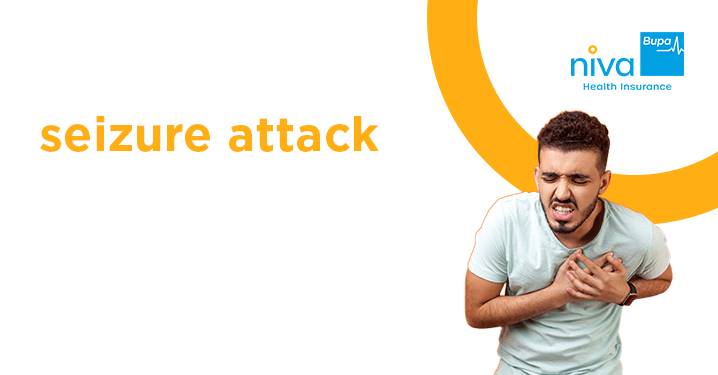
Seizure attacks can be frightening, especially if you witness one for the first time. However, knowing what to do in such a situation can make all the difference. Your quick thinking and correct response can ensure their safety, whether it's a friend, family member, or even a stranger experiencing a seizure. In this blog, we will discuss what a seizure is, attack symptoms, and the best ways to help someone having an episode.
What is a Seizure Attack?
A seizure occurs when sudden, uncontrolled electrical activity in the brain causes temporary changes in behaviour, movement, feelings, or levels of consciousness. Attacks can last anywhere from a few seconds to several minutes and can happen to anyone, regardless of age or health condition. While some seizures are mild and go unnoticed, others can cause intense convulsions and unconsciousness.
Various factors, including epilepsy, high fever, head injury, stroke, infections, or other medical conditions, can cause seizures. They can be classified into different types, such as focal seizures (affecting a specific part of the brain) and generalised seizures (affecting both hemispheres of the brain).
Recognizing Seizure Attack Symptoms
Understanding the symptoms of a seizure is crucial in providing timely assistance. While symptoms can vary depending on the type of attack, common signs include:
- Sudden, uncontrollable jerking movements of the arms and legs
- Staring blankly or losing awareness for a few seconds
- Temporary confusion or inability to respond
- Falling to the ground and losing consciousness
- Stiffening of the body
- Repetitive movements, such as blinking or lip-smacking
- Unusual sensations, such as tingling or seeing flashes of light
- Sudden emotional changes like fear or anxiety
If you notice any of these seizure symptoms in someone, it’s important to act quickly and appropriately.
What to Do During a Seizure Attack?
Witnessing an attack can be overwhelming, but staying calm and following these steps can help ensure the person's safety:
1. Stay Calm and Keep Others Calm
Panic can make the situation worse. Take a deep breath, stay composed, and reassure others around you that the person needs space and help.
2. Keep the Person Safe
Move any sharp or dangerous objects away from them. If possible, place a soft object under their head to prevent injury.
3. Do Not Restrain Them
Never hold the person down or try to stop their movements. This can lead to injuries or worsen the situation.
4. Turn Them on Their Side
If the person is unconscious, gently turn them on their side to help keep their airway clear and prevent choking on saliva or vomit.
5. Time the Seizure
Seizures usually last between 30 seconds and 2 minutes. If an attack lasts more than 5 minutes, call emergency services immediately.
6. Stay With the Person
After the seizure, the person may be disoriented, tired, or confused. Speak calmly and offer reassurance until they regain full awareness.
7. Do Not Put Anything in Their Mouth
Contrary to common myths, placing an object in a person's mouth during an attack can cause choking or injury.
8. Call for Medical Help if Needed
Seek emergency medical help if:
- The seizure lasts longer than 5 minutes
- The person has difficulty breathing after the attack
- They do not regain consciousness
- Another seizure follows immediately
- It is their first attack
How to Help After a Seizure Attack?
Once the attack ends, the person may be confused or exhausted. Here’s how you can assist:
- Stay with them until they are fully alert.
- Offer a calm and reassuring presence.
- Explain what happened if they seemed disoriented.
- Help them sit or lie down comfortably.
- Provide water if they ask, but do not force it.
- If they were injured during the attack, seek medical assistance.
Preventing Seizures: Tips for Those at Risk
While not all seizures can be prevented, certain lifestyle choices and medical treatments can help reduce their frequency:
- Take prescribed medications regularly.
- Get enough sleep, as sleep deprivation can trigger seizures.
- Manage stress through relaxation techniques like meditation and yoga.
- Avoid alcohol and recreational drugs.
- Follow a healthy diet rich in essential nutrients.
- Identify and avoid known seizure triggers (e.g., flashing lights, certain foods, or stress).
- Regular medical check-ups can help in managing underlying health conditions.
Why Does Awareness About Seizures Matter?
Many people misunderstand attacks, leading to fear or improper reactions. Spreading awareness about the attacks and proper first aid can help save lives and provide better support to those affected.
Protecting Your Health with Niva Bupa
Medical emergencies like an attack can happen unexpectedly, making access to quality healthcare essential. With Niva Bupa Health Insurance, you can ensure financial protection and peace of mind in case of medical emergencies. Their comprehensive best health plans cover hospitalisation, doctor consultations, and essential treatments, allowing you to focus on your well-being without financial stress.
Understanding attack symptoms and responding effectively can make a significant difference. Whether you or someone you love is affected by the attacks, staying informed and prepared is key. With Niva Bupa’s reliable health insurance plans, you can ensure the best medical care when it’s needed most.
FAQs
1. Can stress trigger a seizure attack?
Yes, excessive stress, lack of sleep, and anxiety can sometimes trigger a seizure, especially in individuals with epilepsy. Managing stress through relaxation techniques and a healthy lifestyle can help reduce the risk.
2. What should I avoid doing during a seizure attack?
Never try to hold the person down or insert anything into their mouth. Do not attempt to give them food, water, or medication during the seizure, as it may cause choking.
3. When should I call emergency services for a seizure attack?
Call for medical help if the seizure lasts more than five minutes, if the person has multiple seizures in a row, if they have difficulty breathing after the seizure, or if they are injured during the episode.
Get right coverage, right premium and the right protection instantly.
 By clicking, I agree to Niva Bupa
 You may also like


Popular Searches
Health Insurance - Health Insurance | Best Family Health Insurance | Best Health Insurance For Senior Citizens In India | Health Insurance With Opd Cover | Mediclaim Insurance | Critical Illness Insurance | Personal Accident Insurance | Mediclaim Policy | Individual Health Insurance | Maternity Insurance | Best Health Insurance company | NRI Health Insurance
Health Insurance Schemes - PMMVY Login | PMJJBY Policy Status | Swasthya Sathi Card | PMSBY | PMJJBY | Ayushman Card | PMMVY 2.0 | Ayushman Vay Vandana Card | PMMVY NIC IN रजिस्ट्रेशन | PMMVY 2.0 लॉगिन
Travel Insurance Plans - Travel Insurance | International Travel Insurance | Student Travel Insurance | Travel Insurance USA | Travel Insurance Canada | Travel Insurance Thailand | Travel Insurance Germany | Travel Insurance Dubai | Travel Insurance Bali | Travel Insurance Australia | Travel Insurance Schengen | Travel Insurance Singapore | Travel Insurance UK | Travel Insurance Vietnam | Travel Insurance Japan | Travel Insurance Spain | Travel Insurance Asia | Travel Insurance Netherlands | Travel Insurance Turkey | Travel Insurance Ireland | Travel Insurance Phillipines | Travel Insurace Italy | Travel Insurance France | Travel Insurance China | Travel Insurance Georgia | Travel Insurance South Africa | Travel Insurance Maldives | Travel Insurance Portugal | Travel Insurance Malaysia | Travel Insurance Qatar | Travel Insurance Poland | Travel Insurance Greece | Travel Insurance New zealand | Travel Insurance Saudi Arabia | Travel Insurance Sri Lanka
Become an Agent - Insurance Agent | IRDA Certificate Download | IRDA Exam Syllabus | IRDA exam fee | Paise Kaise Kamaye | Ghar Baithe Paise Kaise Kamaye
Top Hospitals - Best Hospitals in Gurgaon
Others - Ayushman Bharat | Gst Refund for NRI on Health Insurance Premium
Health & Wellness - शिलाजीत के फायदे हिंदी | Weight Gain Diet in Hindi | Sat Isabgol Uses In Hindi | Aloe Vera Juice Benefits in Hindi | Dragon Fruit Benefits in Hindi | Akal Daad in Hindi | Acidity Home Remedies in Hindi | Nikat Drishti Dosh in Hindi | Yoga Benefits in Hindi | Laung Khane ke Fayde in Hindi | Leukoplakia in Hindi | Protien in 100g Paneer | Benefits of Rice Water For Skin | B12 Deficiency Symptoms in Hindi | Fibre Foods in Hindi | Chronic Disease Meaning in Hindi | Vitamin D Foods in Hindi | Blood Urea in Hindi | Beetroot Uses Good for Health
Calculator - BMI Calculator | Pregnancy Calculator | Pregnancy Calendar Based on Conception Date | Pregnancy Conception Date Calculator | Last Menstrual Period Calculator | BMR Calculator | GFR Calculator | Ovulation Calculator



www.nivabupa.com

+91 11 30902010

1860-500-8888

CIN: L66000DL2008PLC182918
IRDAI Registration No. 145

Corporate Office: 3rd Floor, Capital Cyberscape, Sector 59, Gurgaon
Registered Office: C-98, First Floor, Lajpat Nagar, Part 1, Delhi-110024, India


