

What is Domiciliary Hospitalisation? Role of Domiciliary Hospitilisation Health Insurance
10 February, 2025
2 Shares
1417 Reads
Share
Health insurance has become an essential part of modern life, providing individuals with the financial protection they need in case of medical emergencies. Among the various types of coverage available, domiciliary hospitalisation is an increasingly popular feature in many health insurance plans. This form of hospitalisation offers comfort and cost-effectiveness, especially for those who cannot be admitted to a hospital. In this blog, we will explore what domiciliary hospitalisation means, its benefits, and the role it plays in health insurance.
What is Domiciliary Hospitalisation in Health Insurance?
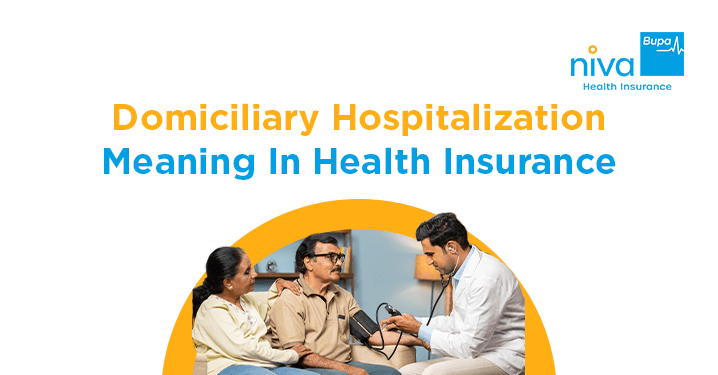
Domiciliary hospitalisation meaning receiving medical treatment or care at home instead of being admitted to a hospital. This type of care is typically for patients who require continuous medical attention but are unable to be hospitalised due to specific reasons, such as the unavailability of hospital beds, patient condition, or the availability of suitable care at home.
In domiciliary hospitalisation, healthcare professionals such as doctors, nurses, and physiotherapists provide home care services. These services may include medication administration, monitoring vital signs, physical therapy, and the use of medical equipment, all done in the comfort of one's home. It is especially beneficial for elderly patients or those recovering from surgery who do not need to stay in the hospital but still require medical supervision.
Related Searches: Inpatient Hospitalisation Vs Outpatient Hospitalisation
Claim for Domiciliary Hospitalisation Meaning
When a patient receives treatment at home under a domiciliary hospitalisation cover, they can claim for domiciliary hospitalisation from their insurance provider. This means that the insured individual can request reimbursement for the medical expenses incurred during their home-based treatment, as long as it meets the specific requirements outlined in the health insurance policy.
To make a successful claim for domiciliary hospitalisation, the policyholder must provide all relevant documentation, including:
- A doctor’s prescription or recommendation for home treatment
- Medical bills for the care provided at home
- Details of medical tests, medications, and treatments administered
- Proof of medical equipment used at home (if applicable)
It's essential to read the policy’s terms and conditions to understand what expenses are eligible for reimbursement, as some insurance companies may place limits on certain types of treatment or medical services that are covered under domiciliary hospitalisation.
Related Searches: Hospital Cash Insurance(Hospicash)
Key Aspects of Domiciliary Hospitalisation Cover
Domiciliary hospitalisation ensures that medical expenses related to home treatment are reimbursed by the insurance company, saving the policyholder from hefty out-of-pocket expenses.
- Doctor’s Home Visits: Regular visits from doctors to monitor the patient’s condition and administer any necessary treatments.
- Nursing Care: Professional nurses may be required to assist with personal care, administer medications, and monitor the patient’s progress.
- Medical Equipment: Home medical devices such as oxygen tanks, blood pressure monitors, or IV setups may be included under the cover.
- Medications and Prescriptions: The cost of prescribed medications for managing the condition can be covered under domiciliary hospitalisation.
Domiciliary hospitalisation covers these expenses, which are otherwise not usually covered under regular hospitalisation policies. This type of care can be especially useful for individuals recovering from surgeries, managing chronic illnesses, or needing long-term medical support.
Related Article: What are Pre & Post Hospitalization Expenses in Health Insurance Plans?
Role of Domiciliary Hospitalisation in Health Insurance
Domiciliary hospitalisation plays a significant role in extending healthcare services to those who are unable to access or do not require traditional hospitalisation. The inclusion of domiciliary hospitalisation provides several advantages:
Cost-Effective Option
One of the most significant benefits of domiciliary hospitalisation is the cost-saving aspect. Being admitted to a hospital can result in high costs due to room charges, doctor fees, and other associated expenses. By offering coverage for home care, health insurance helps reduce the financial burden on policyholders, making medical care more affordable.
Comfort and Convenience
Being treated at home allows patients to recover in a more familiar and comfortable environment. For many patients, especially the elderly or those with mobility issues, receiving treatment at home offers peace of mind and a sense of safety. Family members can also be more involved in the patient's care, which improves the overall recovery process.
Access to Care for Those Who Cannot Be Hospitalised
Certain patients may not be able to be admitted to a hospital for various reasons. These reasons could include lack of available hospital beds, the patient’s medical condition that doesn’t require constant monitoring, or a preference for home care. Domiciliary hospitalisation ensures that these individuals can still receive necessary treatment, allowing for better patient care in non-hospital settings.
Flexibility in Medical Care
Domiciliary hospitalisation provides flexibility in terms of treatment and care. Depending on the patient’s condition, the healthcare professionals can adjust the treatment plan accordingly. This personalised approach to medical care is often more convenient and tailored to the patient’s specific needs.
How to Make a Claim for Domiciliary Hospitalisation?
To claim domiciliary hospitalisation, policyholders must follow a specific process. Here’s a general guide on how to proceed:
- Check Policy Terms: Review the health insurance policy to ensure that domiciliary hospitalisation is covered.
- Obtain a Prescription: A doctor’s recommendation for home treatment is typically required.
- Submit Medical Bills: Collect all medical bills, including medication, nursing care, and medical equipment, to support the claim.
- Fill Out the Claim Form: Complete the health insurance claim form with the necessary details, attaching all supporting documents.
- Submit the Claim: Submit the completed claim form along with all the required documents to the insurance provider.
- Follow Up: Track the status of the claim and provide additional documentation if needed.
Conclusion
Domiciliary hospitalisation is a valuable feature in health insurance policies, offering the flexibility to receive medical care at home instead of in a hospital. It provides cost-effective, convenient, and comfortable care, especially for patients who don’t need full-time hospitalisation. Understanding domiciliary hospitalisation meaning, how to claim domiciliary hospitalisation, and the domiciliary hospitalisation cover available through health insurance can help you make the most of your health insurance benefits.
If you're looking for comprehensive health insurance plans that offer domiciliary hospitalisation in health insurance, consider Niva Bupa. at Niva Bupa we provide coverage for a wide range of medical needs, including domiciliary hospitalisation. If you are planning to buy a health insurance, Visit our website today to explore their health insurance options and secure a policy that suits your needs.
People Also Ask
What are the typical requirements for domiciliary hospitalisation claims?
Common requirements include medical certification from a qualified doctor, evidence of home care services (if applicable), and adherence to the terms and conditions outlined in the insurance policy.
What expenses are typically covered under domiciliary hospitalisation?
Covered expenses may include doctor's consultation fees, nursing charges, medication costs, and other medically necessary expenses incurred during home treatment.
How do I file a claim for domiciliary hospitalisation?
Claim procedures vary by insurer. Generally, you'll need to submit a claim form along with supporting documentation, such as medical bills, prescriptions, and doctor's certificates.
Get right coverage, right premium and the right protection instantly.
 By clicking, I agree to Niva Bupa
Popular Searches
Health Insurance - Health Insurance | Best Family Health Insurance | Best Health Insurance For Senior Citizens In India | Health Insurance With Opd Cover | Mediclaim Insurance | Critical Illness Insurance | Personal Accident Insurance | Mediclaim Policy | Individual Health Insurance | Maternity Insurance | Best Health Insurance company | NRI Health Insurance
Health Insurance Schemes - PMMVY Login | PMJJBY Policy Status | Swasthya Sathi Card | PMSBY | ABHA Card Download | PMJJBY | Ayushman Card | PMMVY 2.0 | Ayushman Vay Vandana Card | PMMVY NIC IN रजिस्ट्रेशन | PMMVY 2.0 लॉगिन
Travel Insurance Plans - Travel Insurance | International Travel Insurance | Student Travel Insurance | Travel Insurance USA | Travel Insurance Canada | Travel Insurance Thailand | Travel Insurance Germany | Travel Insurance Dubai | Travel Insurance Bali | Travel Insurance Australia | Travel Insurance Schengen | Travel Insurance Singapore | Travel Insurance UK | Travel Insurance Vietnam | Travel Insurance Japan | Travel Insurance Spain | Travel Insurance Asia | Travel Insurance Netherlands | Travel Insurance Turkey | Travel Insurance Ireland | Travel Insurance Phillipines | Travel Insurace Italy | Travel Insurance France | Travel Insurance China | Travel Insurance Georgia | Travel Insurance South Africa | Travel Insurance Maldives | Travel Insurance Portugal | Travel Insurance Malaysia | Travel Insurance Qatar | Travel Insurance Poland | Travel Insurance Greece | Travel Insurance New zealand | Travel Insurance Saudi Arabia | Travel Insurance Sri Lanka
Become an Agent - Insurance Agent | Insurance Advisor | Licensed Insurance Agent | Health Insurance Consultant | POSP Insurance Agent | IRDA Certificate Download | IC 38 Exam | Insurance Agent vs POSP | IRDA Exam Syllabus | IRDAI Agent Locator | IRDA exam fee | Paise Kaise Kamaye | Ghar Baithe Paise Kaise Kamaye
Top Hospitals - Best Hospitals in Chennai | Top Hospitals in Delhi | Best Hospitals in Gurgaon | Best Hospitals in India | Top 10 Hospitals in India | Best Hospitals in Hyderabad | Best Hospitals in Kolkata | Best cancer hospitals in Bangalore | Best cancer hospitals in Hyderabad | Best cancer hospitals in Mumbai | Best cancer hospitals in India | Top 10 cancer hospitals in India
Others - Ayushman Bharat | Gst Refund for NRI on Health Insurance Premium | Health Insurance Tax Deductible
Health & Wellness - शिलाजीत के फायदे हिंदी | Weight Gain Diet in Hindi | Sat Isabgol Uses In Hindi | Aloe Vera Juice Benefits in Hindi | Dragon Fruit Benefits in Hindi | Akal Daad in Hindi | Acidity Home Remedies in Hindi | Nikat Drishti Dosh in Hindi | Yoga Benefits in Hindi | Laung Khane ke Fayde in Hindi | Leukoplakia in Hindi | Protien in 100g Paneer | Benefits of Rice Water For Skin | B12 Deficiency Symptoms in Hindi | Fibre Foods in Hindi | Chronic Disease Meaning in Hindi | Vitamin D Foods in Hindi | Blood Urea in Hindi | Beetroot Uses Good for Health
Calculator - BMI Calculator | Pregnancy Calculator | Pregnancy Calendar Based on Conception Date | Pregnancy Conception Date Calculator | Last Menstrual Period Calculator | BMR Calculator | GFR Calculator | Ovulation Calculator



www.nivabupa.com

+91 11 30902010

1860-500-8888

CIN: L66000DL2008PLC182918
IRDAI Registration No. 145

Corporate Office: 3rd Floor, Capital Cyberscape, Sector 59, Gurgaon
Registered Office: C-98, First Floor, Lajpat Nagar, Part 1, Delhi-110024, India


