

What are the Best Family Health Insurance Plans in India for 2026?
19 June, 2026
7 Shares
693 Reads
Share
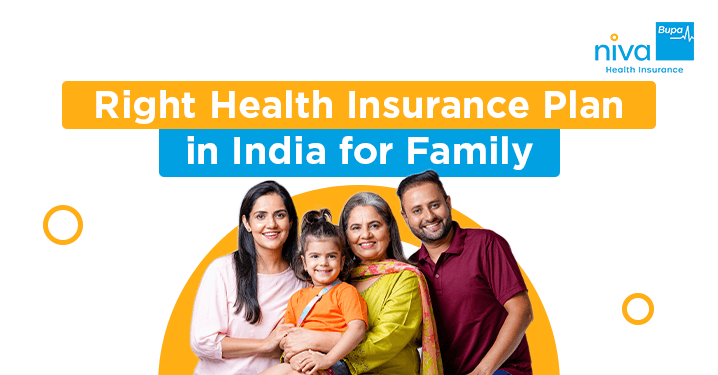
The best family health insurance plans in India for 2026 are those that offer high sum insured, cashless hospitalization, maternity benefits, and comprehensive coverage.
Choosing a family health insurance plan is one of those tasks where a quick summary simply will not do. In an era where medical inflation in India is climbing at an alarming 14% annually, skimming a bulleted summary and picking the cheapest policy can lead to an expensive shock at the hospital billing desk.
A minor medical emergency that cost ₹3 Lakh a few years ago easily crosses ₹5 Lakh today. If your policy contains hidden clauses like room rent caps or disease-specific sub-limits, you could still end up paying a quarter of the bill out of your own pocket. To protect your family savings, it is well worth digging into the exact mechanics of how these policies function and identifying what are the best family health insurance plans in India for 2026?
The Indian medical sector presents a challenging dual reality. On one side, medical science delivers unprecedented clinical success through targeted therapies, robotic diagnostics, and specialised critical care. On the other side, the cost of accessing these private healthcare facilities climbs every month.
Furthermore, societal structures have shifted substantially. The rise of nuclear family units means that households must manage medical emergencies independently, without a vast local support system.
Data from the Insurance Regulatory and Development Authority of India (IRDAI) reveals that health insurance remains the fastest-growing segment within the non-life insurance industry, accounting for over 41% of total sector premiums. Out-of-pocket spending still accounts for nearly 40% of total health expenditures across the nation, highlighting the vast number of households vulnerable to sudden medical debt. Investing in dedicated health insurance plans for family safety ensures that a medical crisis does not turn into a long-term financial disaster.
Key Features to Look For in the Best Family Health Insurance Plan
When evaluating different medical insurance plans to protect your household, certain fundamental features determine the actual utility of the policy during a crisis. Look for these four critical pillars before signing any policy document:
1. High and Resilient Sum Insured Options
The sum insured is the maximum financial limit your insurer will pay in a policy year. With double-digit medical inflation, a standard ₹5 Lakh or ₹10 Lakh cover is no longer sufficient for a family of four. A single major cardiovascular surgery or organ transplant can exhaust that entire limit, leaving other family members unprotected for the remainder of the year. The best family health insurance plans in India must offer must offer high sum insured options alongside an automatic restoration benefit, which instantly replenishes the entire coverage amount if it gets completely exhausted during a policy year.
2. Comprehensive Cashless Hospital Network
During a medical emergency, arranging large sums of liquid cash on short notice causes severe anxiety. A robust cashless hospital network allows you to walk into a partner hospital, receive high-quality treatment, and walk out without settling the primary medical bill directly. The insurer handles the payments with the hospital administration. Ensure the plan you choose has a broad, reliable network of healthcare providers in your city, backed by a quick, transparent pre-authorisation turnaround time.
3. Pre and Post-Hospitalisation Benefits
Medical expenses are not confined to the days spent in a hospital bed. A patient undergoes various diagnostic tests, blood panels, and specialist consultations prior to admission. Following discharge, there are continuous expenses for prescribed medications, follow-up evaluations, and sometimes physical rehabilitation. A comprehensive family health insurance plan must offer extensive coverage for pre-hospitalisation costs (typically 60 days) and post-hospitalisation expenses (typically 180 days) to eliminate out-of-pocket leakage.
4. Day Care Procedures and Advanced Add-On Riders
Modern medical technology allows doctors to perform complex surgeries within a matter of hours, eliminating the need for a traditional 24-hour hospital stay. Procedures such as cataract removals, dialysis, chemotherapy, and tonsillectomies fall under day care treatments. Your policy must explicitly cover these procedures without applying restrictive sub-limits. Additionally, look for flexible add-on riders like a consumable cover, which pays for surgical gloves, oxygen masks, and PPE kits that are otherwise excluded from standard hospital bill settlements.
Detailed Overview of Niva Bupa Family Health Insurance Plans
Niva Bupa Health Insurance designs product offerings with a deeply empathetic, customer-first approach, recognising that modern Indian families need comprehensive protection free from restrictive clauses. Rather than offering rigid policies, Niva Bupa provides versatile, high-value plan variants tailored to different household dynamics.
High Sum Insured and Versatile Plan Variants
Niva Bupa offers premier health insurance plans for family security, including popular variants like the ReAssure series, Health Companion, and the innovative Niva Bupa Rise. These products provide a wide spectrum of sum insured options, ranging from an affordable ₹3 Lakh to an elite ₹1 Crore or more.
A standout feature across Niva Bupa premium lines is the unlimited restoration benefit. If one family member exhausts the entire sum insured on a major illness, the entire coverage amount instantly locks back into place for any subsequent, unrelated illness, or even for the same illness under specific modern variants. This ensures that a single illness does not strip away the protection required by the rest of the household.
Complete Freedom with No Room Rent Capping
Many traditional medical insurance plans in the market impose strict sub-limits on hospital room rents, often restricting coverage to 1% of the sum insured per day. If you choose a private room that costs more than this threshold, the insurer applies a proportionate deduction across the entire hospital bill, forcing you to pay a massive out-of-pocket balance. Niva Bupa eliminates this major consumer pain point by offering plan variants with no room rent capping. If your policy covers a single private AC room, you can select that room category without fearing hidden deductions during final claim settlements.
Wellness Programmes and Cashless Digital Care
Niva Bupa integrates proactive wellness features directly into its digital framework. Recognising that health management extends beyond hospitalisation, the brand rewards policyholders for maintaining healthy lifestyles. Through digital applications, family members can track their daily step counts, monitor fitness targets, and accumulate health points that convert into direct premium discounts at the time of renewal.
Furthermore, Niva Bupa features advanced digital claim processing. With a cashless network spanning over 10,000 trusted hospitals across India, policyholders can secure digital pre-authorisations within an hour, reducing administrative stress during stressful times.
Benefits of Choosing Niva Bupa for Your Family
Selecting Niva Bupa as your family's dedicated healthcare partner brings several structural benefits backed by strong operational data and customer-first design:
- Superior Claim Settlement Efficiency: Niva Bupa maintains a stellar reputation for paying claims transparently and rapidly. By eliminating unnecessary intermediaries and processing claims through a direct, in-house team, the brand ensures minimal delays and maximum consumer trust.
- Extensive Cashless Ecosystem: With instant access to more than 10,500 empaneled hospitals across the country, your family members can access high-quality medical care in almost any geographic region of India, whether during a planned procedure or a sudden out-of-town emergency.
- Inclusion of Alternative Medicine (AYUSH): Niva Bupa recognises that many families prefer holistic healing paths. The plans offer complete inpatient hospitalisation coverage for AYUSH treatments, which includes Ayurveda, Yoga, Unani, Siddha, and Homeopathy, provided the treatment occurs at an accredited government or institutional facility.
- Day-One Preventive Health Check-Ups: Rather than waiting for someone to fall ill, Niva Bupa promotes early detection by providing annual diagnostic health check-ups from day one of the policy. This feature allows adult family members to monitor critical health markers regularly without spending extra personal funds.
How to Choose the Right Plan for Your Family
Every household possesses unique medical risks, demographic structures, and financial capacities. To select the perfect family health insurance plan, carefully evaluate these four interlinked criteria:
1. Evaluate Total Family Size and Structure
A standard family floater typically covers a nuclear unit consisting of a self, spouse, and dependent children. However, Indian households often include dependent parents, parents-in-law, or siblings. Niva Bupa offers specialised, large-scale structural plans like the Health Companion Family First variant, which can cover up to 19 family members under a single comprehensive policy ecosystem. This unique design accommodates the multi-generational nature of Indian families efficiently.
2. Factor in the Age of the Eldest Member
In a shared family health insurance plan, the overall premium is determined by the age of the oldest insured member. If you include senior citizen parents in the same floater plan as your young children, the premium will rise significantly, and the parents' higher medical risks could quickly deplete the shared pool. In such scenarios, it is often wiser to secure a separate, dedicated senior citizen policy for your parents and maintain a distinct family floater for your immediate nuclear unit.
3. Analyse Medical Histories and Pre-Existing Conditions
Before finalising any medical insurance plans, every member must undergo an honest assessment of past health conditions. If a family member has chronic hypertension, thyroid disorders, or diabetes, these must be disclosed transparently during the application phase. Insurers apply specific waiting periods to these pre-existing conditions, so choosing a plan with shorter, flexible waiting periods or a history of fair underwriting is highly beneficial.
4. Align Premiums with Your Long-Term Budget
While maximising coverage is important, the annual premium must remain sustainable for your household budget over the long term. Look for intelligent cost-saving features such as tenure discounts, which reduce the premium if you pay for two or three years upfront. Additionally, remember that premiums paid towards family health insurance qualify for substantial tax deductions under Section 80D of the Income Tax Act, allowing you to save up to ₹25,000 annually for your immediate family and an additional ₹50,000 if you pay the premiums for senior citizen parents.
Common Mistakes to Avoid When Buying Health Insurance
Many buyers make hasty decisions when purchasing health insurance plans for family security, leading to unexpected claim rejections or heavy out-of-pocket expenses later. Avoid these three common pitfalls:
Underinsuring Your Loved Ones
Purchasing a policy based solely on the lowest available premium often leaves a family severely underinsured. A ₹5 Lakh plan might look highly affordable today, but it will prove entirely inadequate if multiple family members require medical intervention in the same calendar year due to an accident or an infectious outbreak. Always choose a sum insured that matches the actual cost structures of high-quality private hospitals in your tier of residence.
Ignoring Specific Waiting Period Clauses
Every health insurance policy contains clear waiting periods during which certain conditions are not covered. There is a standard 30-day waiting period for any illness from the inception of the policy (excepting accidents), a specific 24-month waiting period for non-infectious, slow-growing ailments like cataracts, hernia, or joint replacements, and a 36 to 48-month waiting period for pre-existing diseases. Read these timelines carefully so you understand exactly when your full coverage kicks in.
Failing to Check the Permanent Exclusions List
No health insurance plan covers absolutely every scenario under the sun. Standard permanent exclusions typically include cosmetic surgeries, intentional self-injury, treatments arising from substance abuse, or experimental therapies not recognised by established medical councils. Reviewing the explicit exclusions list listed in the Customer Information Sheet prevents surprises and disputes when you eventually file a claim.
Future Trends in Family Health Insurance in India
The processing and delivery of health insurance is shifting rapidly toward an automated, preventative, and personalised model. Understanding these shifts helps you select an insurer capable of supporting your family well into the future.
Integration of AI in Claim Adjustments
Artificial Intelligence is transforming how insurers review and approve claims. Instead of waiting days for manual verifications, advanced AI algorithms scan hospital invoices, match them against policy terms, and grant pre-authorisation approvals within minutes. Niva Bupa invests heavily in these next-generation automated technologies, ensuring that policyholders experience minimal administrative hurdles when arriving at a hospital billing desk.
The Shift Towards Continuous Preventive Healthcare
The baseline focus of medical insurance plans now shifts toward keeping people healthy, rather than merely paying bills when they fall ill. Insurers are transitioning into proactive health partners. By leveraging data from wearable smart devices and offering virtual telemedicine consultations, insurers can identify early warning signs of chronic illnesses, recommend timely clinical interventions, and guide families toward healthier daily choices.
Hyper-Personalised Insurance Coverage
The era of one-size-fits-all insurance policies is quickly drawing to a close. Moving forward, family plans will offer highly modular risk architectures. A family can easily adjust their coverage settings, adding specific critical illness acceleration riders for one member while selecting enhanced accident protections or daily hospital cash additions for another, creating a truly bespoke shield for the entire household.
Summing Up
Choosing the best family health insurance plan is one of the most critical financial and emotional decisions you will make for your household this year. With healthcare costs rising rapidly across India, relying on personal savings to manage private hospital bills exposes your family to severe financial vulnerability. A structured, comprehensive policy ensures that your loved ones receive top-tier, uncompromised medical treatment without dismantling your hard-earned financial investments.
Niva Bupa stands out as a highly reliable, authoritative, and deeply empathetic partner in this journey. By offering high sum insured limits, an unlimited automatic restoration of coverage, an expansive cashless network of over 10,000 hospitals, and a complete absence of restrictive room rent caps, Niva Bupa products provide absolute peace of mind. Secure your family's health today and step confidently into a protected future.
Frequently Asked Questions
1. What is a family health insurance plan?
A family health insurance plan, also widely known as a family floater plan, is a unified medical policy where multiple members of a household share a single, collective sum insured under one premium. This setup is highly cost-effective and structurally flexible, allowing any insured member to utilise the shared pool of coverage if they require sudden inpatient hospitalisation during the policy year.
2. How much coverage is enough for a family in India?
Given that private medical inflation is rising at 11.5% to 14% annually, a minimum sum insured of ₹20 Lakh to ₹50 Lakh is highly recommended for an average urban family of four. For maximum peace of mind against severe medical conditions or multi-member emergencies, choosing high sum insured options like a ₹1 Crore super-floater policy provides the safest long-term financial shield.
3. What is included in medical insurance plans?
Standard comprehensive medical insurance plans cover an array of essential medical expenses. This includes inpatient hospitalisation costs (room rent, nursing charges, ICU fees, and doctor consultations), advanced day care procedures that take less than 24 hours, ambulance charges, pre-hospitalisation expenses up to 60 days, and post-hospitalisation recovery costs up to 180 days.
4. Can I add parents to my plan?
Yes, you can include dependent parents and parents-in-law in your family health insurance plan. However, since the overall premium of a shared floater is determined by the age of the oldest member, adding senior citizens can significantly increase your premium. For optimal cost management, it is often recommended to purchase a dedicated senior citizen policy for parents and a separate floater plan for your nuclear family.
5. What is the waiting period?
A waiting period is the specific duration of time that must pass before an insured individual can claim financial coverage for certain medical conditions. Standard waiting periods include an initial 30 days for any general illness from the policy's start date (excepting accidents), a 24-month waiting period for specific slow-growing ailments like cataracts or hernia, and a 36 to 48-month waiting period for pre-existing diseases declared at the time of purchase.
6. How does cashless hospitalisation work?
Cashless hospitalisation allows you to receive medical care at any network hospital empanelled by your insurer without paying the primary bill out of your pocket. Upon admission, you present your health card and submit a pre-authorisation request form. The insurer's internal claims team reviews the request, coordinates directly with the hospital administration, and settles all covered medical bills directly with the healthcare provider.
Get right coverage, right premium and the right protection instantly.
 By clicking, I agree to Niva Bupa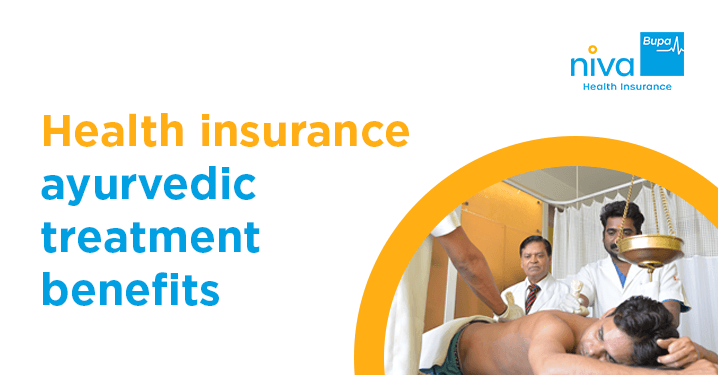
Popular Searches
Health Insurance - Health Insurance | Best Family Health Insurance | Best Health Insurance For Senior Citizens In India | Health Insurance With Opd Cover | Mediclaim Insurance | Critical Illness Insurance | Personal Accident Insurance | Mediclaim Policy | Individual Health Insurance | Maternity Insurance | Best Health Insurance company | NRI Health Insurance
Health Insurance Schemes - PMMVY Login | PMJJBY Policy Status | Swasthya Sathi Card | PMSBY | ABHA Card Download | PMJJBY | Ayushman Card | PMMVY 2.0 | Ayushman Vay Vandana Card | PMMVY NIC IN रजिस्ट्रेशन | PMMVY 2.0 लॉगिन
Travel Insurance Plans - Travel Insurance | International Travel Insurance | Student Travel Insurance | Travel Insurance USA | Travel Insurance Canada | Travel Insurance Thailand | Travel Insurance Germany | Travel Insurance Dubai | Travel Insurance Bali | Travel Insurance Australia | Travel Insurance Schengen | Travel Insurance Singapore | Travel Insurance UK | Travel Insurance Vietnam | Travel Insurance Japan | Travel Insurance Spain | Travel Insurance Asia | Travel Insurance Netherlands | Travel Insurance Turkey | Travel Insurance Ireland | Travel Insurance Phillipines | Travel Insurace Italy | Travel Insurance France | Travel Insurance China | Travel Insurance Georgia | Travel Insurance South Africa | Travel Insurance Maldives | Travel Insurance Portugal | Travel Insurance Malaysia | Travel Insurance Qatar | Travel Insurance Poland | Travel Insurance Greece | Travel Insurance New zealand | Travel Insurance Saudi Arabia | Travel Insurance Sri Lanka
Become an Agent - Insurance Agent | Insurance Advisor | Licensed Insurance Agent | Health Insurance Consultant | POSP Insurance Agent | IRDA Certificate Download | IC 38 Exam | Insurance Agent vs POSP | IRDA Exam Syllabus | IRDAI Agent Locator | IRDA exam fee | Paise Kaise Kamaye | Ghar Baithe Paise Kaise Kamaye
Top Hospitals - Best Hospitals in Chennai | Top Hospitals in Delhi | Best Hospitals in Gurgaon | Best Hospitals in India | Top 10 Hospitals in India | Best Hospitals in Hyderabad | Best Hospitals in Kolkata | Best cancer hospitals in Bangalore | Best cancer hospitals in Hyderabad | Best cancer hospitals in Mumbai | Best cancer hospitals in India | Top 10 cancer hospitals in India
Others - Ayushman Bharat | Gst Refund for NRI on Health Insurance Premium | Health Insurance Tax Deductible
Health & Wellness - शिलाजीत के फायदे हिंदी | Weight Gain Diet in Hindi | Sat Isabgol Uses In Hindi | Aloe Vera Juice Benefits in Hindi | Dragon Fruit Benefits in Hindi | Akal Daad in Hindi | Acidity Home Remedies in Hindi | Nikat Drishti Dosh in Hindi | Yoga Benefits in Hindi | Laung Khane ke Fayde in Hindi | Leukoplakia in Hindi | Protien in 100g Paneer | Benefits of Rice Water For Skin | B12 Deficiency Symptoms in Hindi | Fibre Foods in Hindi | Chronic Disease Meaning in Hindi | Vitamin D Foods in Hindi | Blood Urea in Hindi | Beetroot Uses Good for Health
Calculator - BMI Calculator | Pregnancy Calculator | Pregnancy Calendar Based on Conception Date | Pregnancy Conception Date Calculator | Last Menstrual Period Calculator | BMR Calculator | GFR Calculator | Ovulation Calculator



www.nivabupa.com

+91 11 30902010

1860-500-8888

CIN: L66000DL2008PLC182918
IRDAI Registration No. 145

Corporate Office: 3rd Floor, Capital Cyberscape, Sector 59, Gurgaon
Registered Office: C-98, First Floor, Lajpat Nagar, Part 1, Delhi-110024, India


